
AI-Powered Menu Optimization for Restaurants
Discover how artificial intelligence helps restaurants analyze data to optimize pricing, reduce waste, and create more transparent, sustainable menus for every guest.
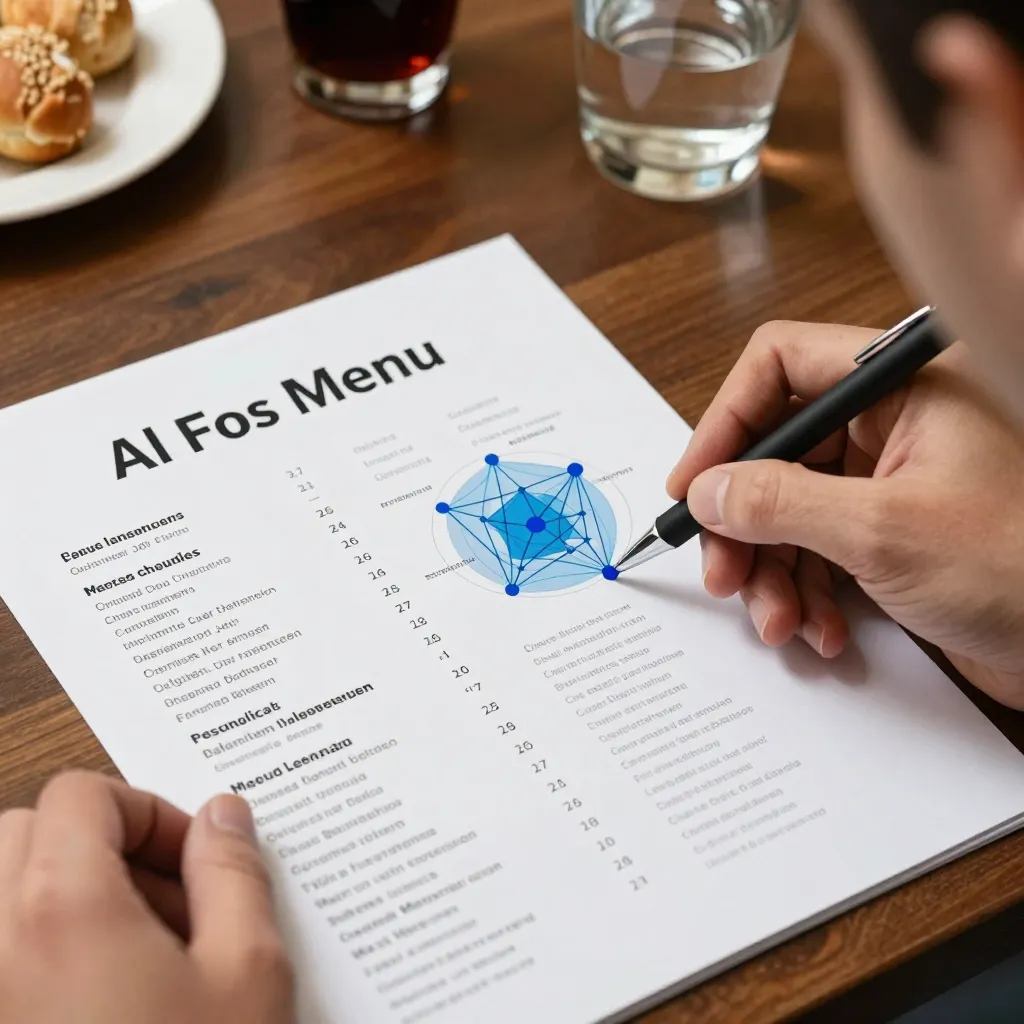
Why Data-Driven Decisions Matter More Than Ever
In the modern dining landscape, relying on gut feelings or outdated trends is no longer a viable strategy for restaurant success. The industry is shifting towards precision, where every decision-from what ingredients to source to how much to charge for a signature dish-is backed by hard data. This shift is largely driven by the rapid advancement of artificial intelligence (AI), which allows food service professionals to analyze complex datasets instantly. For owners and managers, understanding the role of AI in menu optimization is not just about keeping up with technology; it is about survival and growth in a competitive market.
Traditional menu planning often involves trial and error. A new dish might be created based on a chef's intuition, only to fail because the price point was too high or the flavor profile didn't resonate with the local demographic. AI changes this equation by processing historical sales data, seasonal ingredient costs, customer feedback, and even local weather patterns to predict success before a single plate is served. This predictive capability is crucial for sustainability. By accurately forecasting demand, restaurants can order exactly the ingredients they need, significantly reducing food waste and lowering operational costs. This aligns perfectly with the growing consumer demand for environmentally responsible businesses.
Dynamic Pricing Strategies Powered by Predictive Analytics
One of the most transformative applications of AI in the restaurant sector is dynamic pricing. While this concept is often associated with airlines and hotels, its application in dining is revolutionizing how value is perceived and delivered. AI algorithms can adjust menu prices in real-time based on a multitude of factors, such as current inventory levels, competitor pricing, and even the time of day. For instance, if a specific cut of meat becomes scarce due to supply chain issues, AI can suggest a slight price adjustment that maintains margin without alienating customers, as it accounts for the perceived value of scarcity.
Furthermore, AI helps in identifying the optimal price elasticity for different menu items. It analyzes how sensitive customers are to price changes for specific dishes. If a data set shows that customers will still order a premium burger even with a 10% price increase during peak hours, the system can flag this opportunity. Conversely, if a salad is consistently underperforming at its current price point, AI can recommend a price reduction or a promotion to boost sales volume. This level of granularity ensures that pricing is never arbitrary but rather a strategic response to market conditions. It also aids in transparency; when prices are adjusted based on real data, it is easier for restaurants to communicate these changes to customers honestly, avoiding the frustration of hidden markups or inconsistent pricing across locations.

Enhancing Transparency and Building Trust with AI
Transparency is a cornerstone of modern dining, and AI plays a pivotal role in achieving it. Customers today are well-informed and often scrutinize menus for hidden fees, misleading descriptions, and inaccurate nutritional information. AI-powered menu management systems can automate the process of updating nutritional data and allergen information across all digital channels. Imagine a scenario where a new supplier is introduced for a specific spice blend. An AI system can instantly cross-reference this new ingredient with the entire menu database, flagging any potential allergen conflicts and automatically updating the digital QR menu to reflect these changes. This ensures that every customer, regardless of their dietary restrictions, receives accurate and honest information instantly.
This automation extends to image recognition and description accuracy. AI tools can analyze high-resolution photos of dishes to suggest accurate descriptions and even detect inconsistencies between the photo and the text description. If a customer orders a "grilled salmon" and the photo shows a different fish, or if the description mentions "fresh herbs" but none are visible, the system can alert the kitchen staff to correct the discrepancy. This commitment to honesty builds immense trust. When customers feel that a restaurant is transparent about what they are eating and the true cost of that meal, loyalty increases. For upQR users, this means that their digital menus are not just static lists but living documents that evolve with their supply chain and business needs, ensuring that every guest has a seamless and trustworthy experience.

Optimizing Menu Engineering for Maximum Profitability
Menu engineering is the art of arranging a menu to maximize profitability while maintaining customer satisfaction. Traditionally, this involves manually categorizing dishes into quadrants: stars (high margin, high popularity), plow horses (high margin, low popularity), puzzles (low margin, high popularity), and dogs (low margin, low popularity). AI supercharges this process by analyzing thousands of data points to identify these categories with precision. It can tell you not just which items are selling, but why they are selling and how they interact with other items.
For example, AI might reveal that a high-margin appetizer is often ordered with a specific main course, creating a natural upsell opportunity. The system can then suggest placing these items closer together on the digital menu or creating a bundled offer that encourages this pairing without feeling pushy. It can also analyze the heat map of a digital QR menu to see which sections are ignored. If the "desserts" section is consistently skipped, AI can suggest moving high-margin items to the top of the list or redesigning the layout to draw the eye to profitable sections. This data-driven approach ensures that the menu is constantly evolving to reflect what works best for the specific audience of that location. It moves away from the "one size fits all" mentality, allowing a cafe in a busy urban center to have a different menu strategy than a family restaurant in a suburban area, all while maintaining brand consistency and profitability.
Leveraging Customer Feedback for Continuous Improvement
A restaurant's reputation is built on the experiences of its guests, and AI makes gathering and acting on that feedback effortless. Social listening tools and AI-driven sentiment analysis can scan reviews on platforms like Google, Yelp, and TripAdvisor to identify recurring themes. If multiple customers mention that a specific dish is "too salty" or "lacks flavor," the AI can flag this for the culinary team immediately. This is far more efficient than waiting for monthly review cycles or manual data entry.
Furthermore, AI can analyze open-ended feedback to categorize complaints and compliments automatically. It can distinguish between a genuine complaint about food quality and a comment about the ambiance, routing the relevant data to the appropriate department. This continuous loop of feedback and improvement ensures that the menu remains relevant and appealing. It also helps in identifying emerging trends before they become mainstream. If a small percentage of customers start asking for spicy options or plant-based alternatives, AI can detect this shift in conversation and alert management to introduce these options proactively. By staying ahead of the curve, restaurants can adapt their menus to meet the evolving tastes of their community, ensuring long-term relevance and customer retention.
Conclusion
The integration of artificial intelligence into restaurant operations is no longer a luxury; it is a necessity for those who wish to thrive in the digital age. From optimizing pricing strategies to ensuring absolute transparency and reducing waste, AI empowers restaurant owners and managers to make informed decisions that benefit both the business and the planet. For a platform like upQR, these AI capabilities are not just features but the foundation of a superior digital menu experience. By adopting these technologies, restaurants can create menus that are honest, sustainable, and perfectly tailored to their guests, fostering a deeper connection and driving sustainable growth in an increasingly competitive industry.
Related Posts

Ready to create your digital menu?
Create your QR menu in minutes and reach your customers in any language.