
How to Create a Digital Menu for a Turkish Kebab Restaurant
Transform your kebab and döner business with a digital menu. Learn practical steps to boost sales, reduce waste, and showcase your authentic flavors.
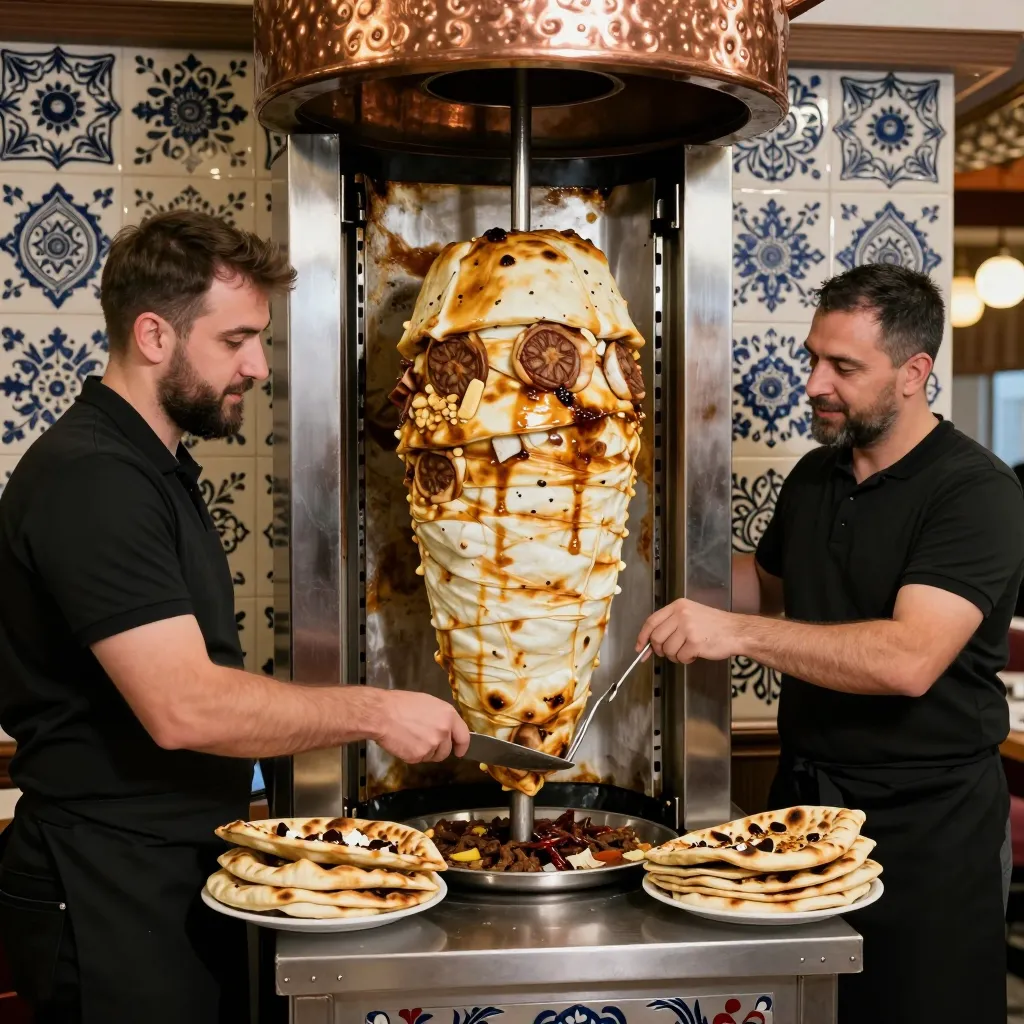
Why a Digital Menu is Essential for Modern Turkish Cuisine
The world of Turkish cuisine has evolved significantly over the last decade. From the humble street-side doner carts of the 1980s to the sophisticated fusion restaurants found in major cities today, the demand for quality and convenience has never been higher. However, many traditional kebab houses still rely on printed menus that quickly become outdated, damaged, or inaccurate. A digital menu is no longer just a luxury; it is a critical operational tool that aligns perfectly with the values of modern dining: sustainability, transparency, and universal access.
For a Turkish restaurant, the menu is the primary storyteller. It introduces customers to the rich tapestry of ingredients-spicy Adana, smoky Iskender, and refreshing gözleme. A static paper menu cannot convey the freshness of the meat or the quality of the ayran as effectively as a dynamic digital platform. By transitioning to a digital format, you eliminate the environmental waste associated with constantly reprinting menus, especially when seasonal ingredients or daily specials change. This shift supports a greener business model, appealing to eco-conscious diners who increasingly prefer establishments that care about the planet.
Designing Your Digital Menu: Authenticity Meets Technology
Creating a digital menu for a kebab restaurant requires a balance between technological efficiency and culinary authenticity. The design must be appetizing, easy to navigate, and culturally respectful. When setting up your digital menu, avoid generic templates that make your food look like fast food. Instead, focus on high-quality photography that captures the steam rising from a fresh doner stack or the texture of a perfectly grilled köfte.
Transparency is a core value in the Turkish food culture, where ingredients are often sourced locally and prepared with honesty. Your digital menu should reflect this. Use clear, descriptive language for every item. Instead of just listing "Chicken Kebab," specify "Grilled Chicken Breast with Herbs and Spices." Include sections for allergens, such as common wheat or sesame seeds found in hurma or sauces, ensuring that customers with dietary restrictions can dine safely. This level of detail builds trust. Customers appreciate knowing exactly what they are eating, including spice levels and preparation methods, which eliminates the anxiety of hidden allergens or misleading descriptions.
Consider the structure of your menu. Group items logically: Start with appetizers like mezze, move to main courses like doner and island, and finish with desserts like baklava. Ensure that your digital interface allows for easy filtering by dietary needs, such as "Halal," "Gluten-Free," or "Vegetarian." This universal access ensures that everyone, regardless of their dietary requirements, feels welcome and informed. For instance, if you offer a zucchini roll, clearly label it as a vegetarian option to encourage diverse ordering patterns.
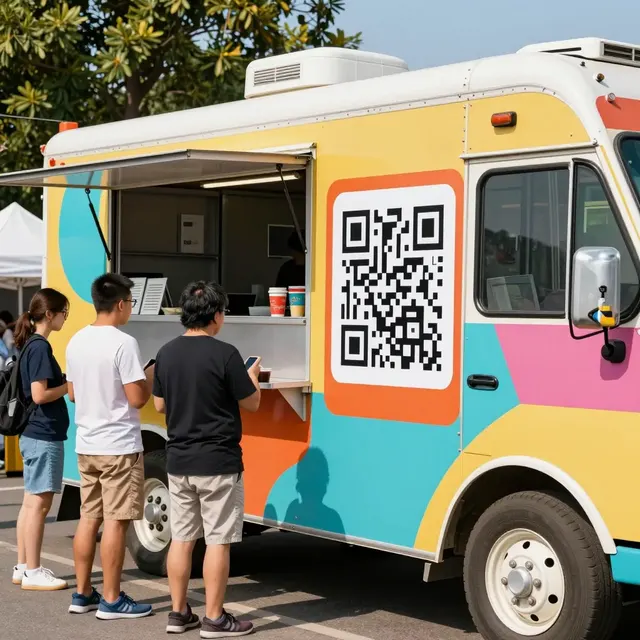
Optimizing Your Menu for Sales and Customer Experience
A digital menu is a powerful sales tool when used correctly. In a traditional setting, a customer might skip an item because the description is unclear or the price seems high without context. A well-designed digital menu can overcome these barriers by providing detailed information and upselling opportunities. You can add notes like "Pairs perfectly with our house-made ayran" next to your meat platters, encouraging higher average order values.
Real-world examples show that restaurants using digital menus often see an increase in order frequency and variety. When a customer can quickly browse through dozens of gözleme fillings without waiting for a waiter to read a paper menu, the decision-making process becomes faster and more enjoyable. This speed is crucial for high-volume kebab restaurants where turnover is key. Furthermore, you can highlight daily specials or limited-time offers directly on the screen. For example, "Today's special: Free çay with every Adana Kebab" creates a sense of urgency and encourages immediate action.
Another vital aspect is the ability to update the menu in real-time. If a supplier runs out of lamb or the weather makes outdoor seating difficult, you can instantly adjust your offerings. In the past, this meant wasting paper or serving customers with items that were out of stock, leading to dissatisfaction. With a digital system, you can remove items instantly and explain the reason, such as "Lamb is currently unavailable, please choose from our beef or chicken options." This honesty fosters a strong relationship with your customers, showing that you respect their time and expectations.
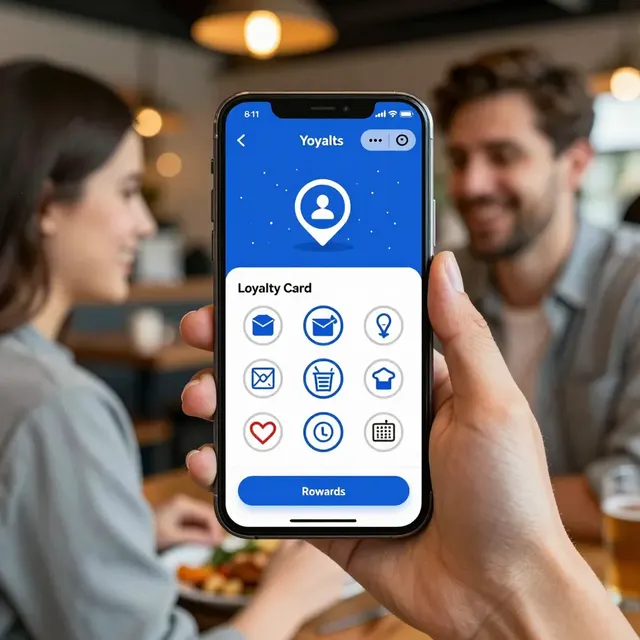
Ensuring Accessibility and Universal Access for All Diners
One of the most significant advantages of a digital menu is universal access. Turkish cuisine is enjoyed by a global audience, including tourists, expatriates, and locals with varying language skills. A digital menu can be optimized for multiple languages, allowing a German tourist to easily navigate the offerings just as a local Istanbul resident can. This inclusivity expands your customer base and ensures that no one is turned away due to a language barrier.
Accessibility also extends to visual and cognitive needs. Digital menus can feature larger fonts, high-contrast text, and screen-reader compatibility, making them accessible to elderly customers or those with visual impairments. This is a moral imperative for any business that claims to serve the community. By ensuring that your menu is readable and understandable by everyone, you demonstrate a commitment to social responsibility.
Furthermore, the digital format allows for interactive elements. You can include short videos showing how the doner is sliced or how the çorbasi is served. These visual cues can stimulate appetite and reduce hesitation. For instance, a video of the Adana kebab being grilled over charcoal can make the smell and taste almost palpable to the viewer. This sensory engagement is impossible to achieve with a printed sheet of paper. It transforms the ordering experience from a mundane task into an engaging culinary journey.
Integrating Technology: The upQR Advantage
Implementing a digital menu does not require expensive custom software or a dedicated IT team. Platforms like upQR offer a seamless solution specifically designed for restaurants and cafes. upQR provides an easy-to-use interface where you can upload your menu items, add photos, set prices, and manage allergen information with just a few clicks. The system is designed to be environmentally conscious, eliminating the need for paper printing and reducing your carbon footprint.
With upQR, you gain full control over your brand's presentation. You can customize the look and feel of the menu to match your restaurant's interior and brand identity. Whether you have a cozy, rustic kebab house or a modern, minimalist café, the digital menu adapts to your space. The platform also ensures that the menu is accessible on all devices, from smartphones to tablets, ensuring a smooth experience for every customer.
Transparency is built into the upQR ecosystem. You can set up clear pricing structures, avoiding hidden fees or confusing surcharges that often plague the food service industry. Customers can see exactly what they are paying for, fostering a sense of fairness and trust. Additionally, upQR provides analytics that help you understand customer behavior. You can see which items are most popular, what times of day generate the most traffic, and which dishes might need a description tweak to sell better. These insights allow you to make data-driven decisions to optimize your menu and increase profitability.
Conclusion: Embracing the Future of Turkish Dining
Creating a digital menu for your Turkish kebab and döner restaurant is more than just a technological upgrade; it is a strategic move that enhances your brand, supports sustainability, and improves the customer experience. By leveraging tools like upQR, you can maintain the authentic soul of your cuisine while embracing the efficiencies of the digital age. Your menu becomes a transparent window into your kitchen, showcasing the quality of your ingredients and the care you put into every dish. In a competitive market, standing out through honesty, accessibility, and environmental responsibility is the key to long-term success. Transform your restaurant today with a digital solution that honors your tradition while looking forward to the future of dining.
Related Posts

Ready to create your digital menu?
Create your QR menu in minutes and reach your customers in any language.