
Creating Halal QR Menus for Diverse Communities
Learn how to build an inclusive, transparent Halal QR menu that builds trust and expands your customer base using digital tools.
Why Digital Menus Are Essential for Inclusive Dining
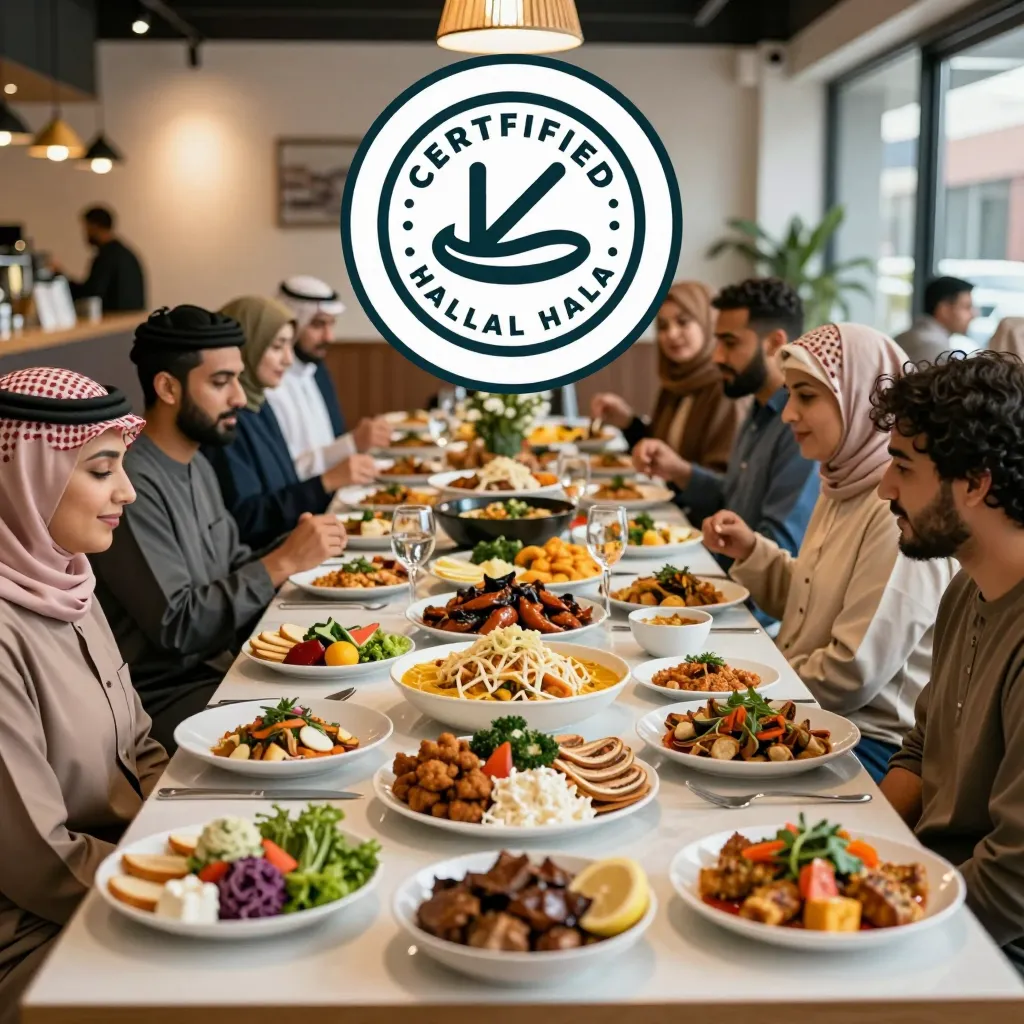
In an increasingly diverse urban landscape, the ability to serve a multicultural community is not just a nice-to-have; it is a business imperative. According to recent demographic studies, multicultural populations in major cities are growing at a rate of over 5% annually, yet many traditional establishments struggle to adapt their offerings to meet these changing needs. Creating a Halal menu for QR code ordering is more than a logistical adjustment; it is a strategic move to welcome a vast segment of the population that has historically faced barriers to entry in Western dining scenes.
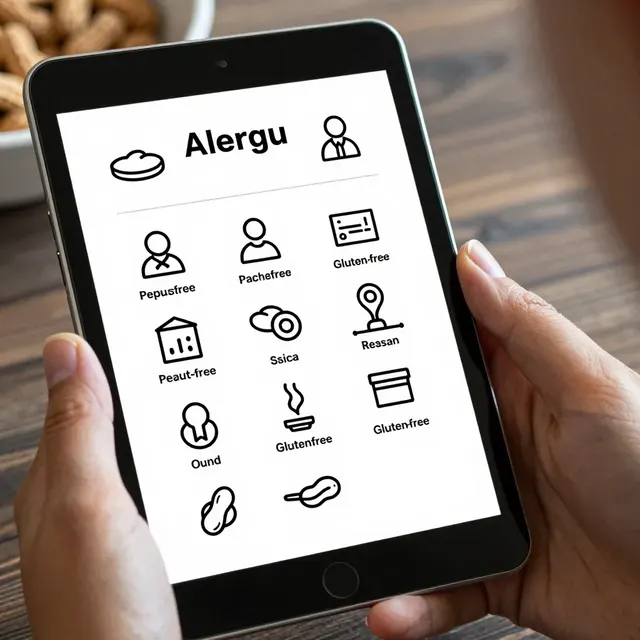
The primary challenge for restaurants serving diverse communities has always been communication and transparency. Historically, non-Halal restaurants relied on verbal confirmations or vague descriptions like "no pork products" which often led to misunderstandings and lost sales. Digital QR menus eliminate this ambiguity. By digitizing the menu, you can provide detailed ingredient lists, sourcing information, and certification logos directly on the screen. This level of detail is crucial for Muslim customers who need to ensure compliance with religious dietary laws, but it also benefits customers with other dietary restrictions, such as vegetarians or those with gluten sensitivities.
Furthermore, the environmental impact of printed menus cannot be overstated. Replacing paper menus with a digital solution via upQR reduces waste significantly. For a restaurant serving a diverse community, this aligns perfectly with the value of sustainability. When customers see that a business cares about the planet and respects their dietary needs, it fosters a deeper sense of loyalty. The digital platform allows you to update prices and availability instantly, ensuring that every customer, regardless of their background, receives accurate and up-to-date information without the confusion of outdated paper lists.
Structuring Your Digital Menu for Clarity and Trust
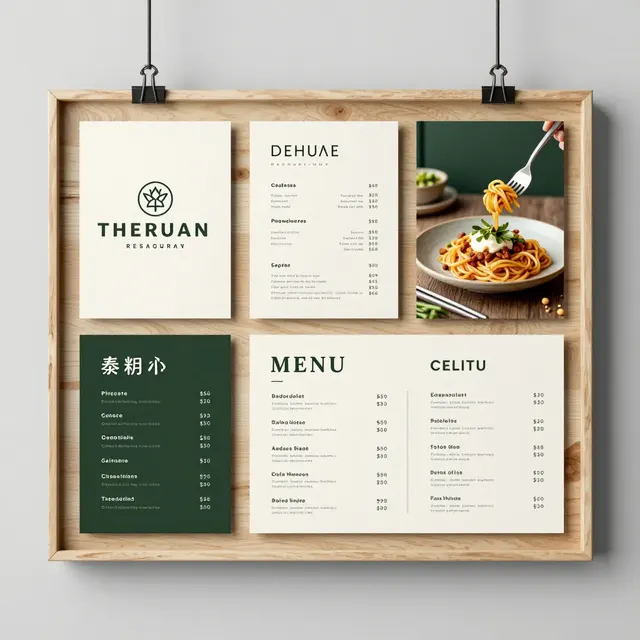
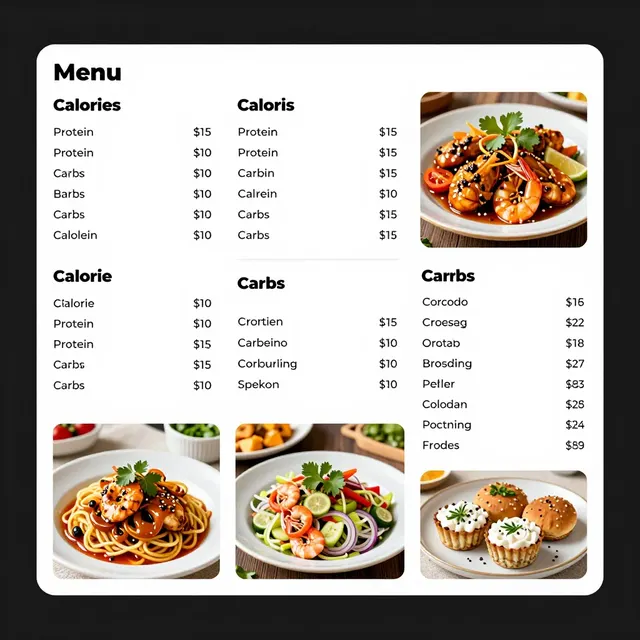
When designing a Halal menu for a QR code system, the layout must prioritize clarity. The first thing a customer should see is a clear statement of the restaurant's Halal status. This should be accompanied by a recognized Halal certification logo if available. If the entire menu is not certified but individual dishes are, you must clearly distinguish between Halal and non-Halal items using color coding or specific tags. For instance, you could use a green border for Halal items and a different color for non-Halal items, with a clear legend at the top of the menu.
Transparency is the cornerstone of trust. In the Halal community, the fear of cross-contamination is real. Your digital menu should include a dedicated section explaining your food safety protocols. Describe how you handle shared fryers, separate prep areas, or how you clean equipment between shifts. You can include photos of your kitchen staff wearing gloves and hairnets, or even a short video tour of the kitchen. This visual proof reassures customers that their religious dietary requirements are taken seriously.
Consider the following structure for your upQR menu:
- Introduction: A brief welcome message stating your commitment to serving a diverse community and your specific Halal practices.
- Certification Section: Display your Halal certificate prominently at the top or bottom of every page.
- Ingredient Transparency: List all ingredients for each dish. If a dish contains an allergen or a non-Halal ingredient, mark it clearly.
- Preparation Notes: Explain how the food is prepared to avoid cross-contamination.
- Customer Feedback: Include a simple form where customers can ask questions or report concerns before placing an order.
This structured approach ensures that no customer feels excluded or unsure about their meal. It transforms the ordering process from a potential minefield of uncertainty into a seamless, confidence-inspiring experience. By investing time in this setup, you signal to your community that you value their presence and are dedicated to providing a safe dining environment for everyone.
Addressing Cross-Contamination and Ingredient Sourcing
One of the most critical aspects of serving a Halal community is addressing the issue of cross-contamination. Many Muslim customers are willing to eat food from a restaurant that does not serve Halal meat, provided that the meat is not cooked in the same oil or on the same grill as pork or non-Halal meat. Your digital menu must explicitly state your policy on cross-contamination.
For example, if your restaurant uses a shared grill, you can offer a "Halal Prepared" section where items are cooked on a dedicated surface or in a dedicated batch. Clearly label these items as "Halal Prepared" and explain the process in the description. Conversely, if a dish is cooked in a shared fryer with non-Halal items, mark it as "Not Halal" and provide an explanation. This honesty prevents accidental consumption and protects your reputation.
Ingredient sourcing is another area where digital menus shine. You can list the suppliers for your meat products. If you source Halal meat from a certified local butcher, mention that. If you use vegetable oils, specify the type (e.g., sunflower or canola) and confirm they are free from animal-derived additives like beef tallow. Customers appreciate knowing exactly what is in their food. You can even add a "Ask the Chef" section to the menu where customers can send a direct message to inquire about specific ingredients before ordering.
Real-world examples show the impact of this transparency. A popular cafe in a multicultural district that switched to a detailed digital menu saw a 20% increase in orders from Muslim customers within three months. The key was their detailed breakdown of ingredients and their clear explanation of their cross-contamination policies. They didn't just say "Halal," they showed the proof. This level of detail builds a reputation for integrity that attracts not only Halal diners but also health-conscious customers who value full ingredient disclosure.
Leveraging Technology to Enhance Accessibility
Technology plays a pivotal role in making dining accessible to everyone. A QR code menu is inherently accessible, but you must ensure that your digital platform is optimized for all devices and languages. Many diverse communities may not speak the dominant language of the region fluently. Your upQR platform should allow you to easily add translations for your menu items. You can provide the dish name in English, Arabic, and perhaps a local language like Mandarin or Spanish. This simple step removes a significant barrier to entry.
Accessibility also extends to visual and motor impairments. Ensure that your digital menu is compatible with screen readers and that the text size is adjustable. High-contrast images and clear fonts are essential. Furthermore, consider adding audio descriptions for dishes that are hard to visualize, such as complex curries or regional specialties. This inclusivity demonstrates that you care about every customer, regardless of their ability or language skills.
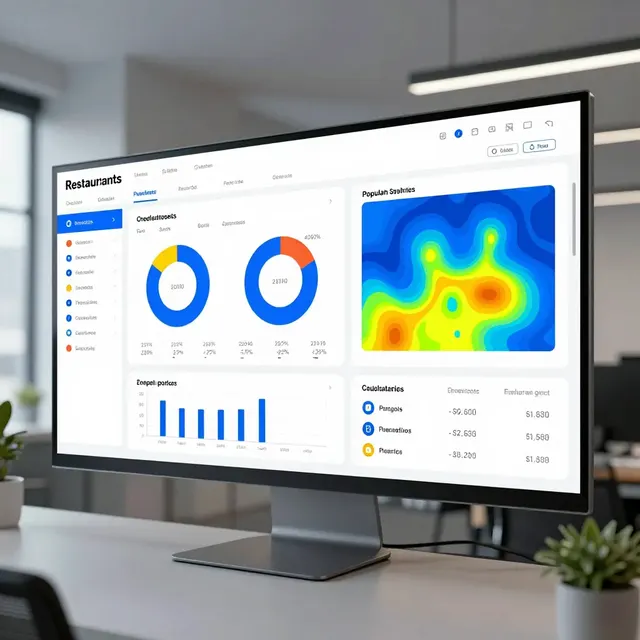
Data analytics provided by your digital menu platform can also help you understand your diverse customer base better. You can track which items are popular among different demographics and adjust your offerings accordingly. For instance, if you notice a high number of inquiries about specific spices or dietary restrictions, you can proactively address them in the menu descriptions. This data-driven approach allows you to tailor your service to the specific needs of your community without making costly changes to your entire operation.
Additionally, the speed of digital ordering is a major advantage. In a busy neighborhood, customers often have limited time. A streamlined QR menu allows them to order quickly, pay securely, and pick up their food without waiting for a waiter to take an order. This efficiency is appreciated by all customers, but it is particularly important for families who may have multiple dietary requirements to manage. The ability to customize orders digitally-such as requesting no onions or extra spices-can be done instantly, ensuring the final meal meets every requirement.
Building Community Through Engagement and Education
Creating a Halal menu is an opportunity to educate your entire customer base about the diversity of the community you serve. Use your digital menu to tell the story of your ingredients. Explain why certain spices are used in traditional dishes or where the meat is sourced. This storytelling humanizes your brand and creates a connection between the restaurant and the diner.
Engagement is key to building a loyal community. Encourage customers to leave reviews specifically about their experience with the Halal options. You can even create a feedback loop where you respond to questions about your menu publicly. This openness shows that you are confident in your practices and that you value customer input. When a restaurant owner takes the time to answer a question about a specific ingredient in a comment section, it builds immense trust.
Consider hosting virtual events or sharing content on social media that highlights your commitment to Halal standards. Share behind-the-scenes looks at your kitchen, introduce your suppliers, and celebrate the cultural diversity of your ingredients. This content marketing strategy not only promotes your Halal menu but also positions your restaurant as a leader in community engagement.
Ultimately, the goal is to create a dining experience where every customer feels seen and respected. By using a digital QR menu, you have the tools to achieve this. You can provide the transparency, accessibility, and education necessary to build a thriving business that serves a diverse community. The investment in a robust digital menu system pays dividends in customer loyalty, positive reviews, and a strong reputation for integrity.
Conclusion
Serving a diverse community requires more than just good food; it requires a deep understanding of the needs and values of your customers. Creating a Halal menu for QR code ordering is a powerful way to demonstrate that understanding. By leveraging the capabilities of a digital platform like upQR, you can achieve a level of transparency, accessibility, and environmental responsibility that paper menus simply cannot match. From clearly labeling ingredients to providing multi-language support and detailed cross-contamination policies, a digital menu empowers you to build trust and expand your reach. upQR provides the seamless technology needed to turn these principles into action, helping you create an inclusive dining experience that welcomes everyone. Embrace the digital future of dining and become the restaurant your diverse community deserves.
Related Posts

Ready to create your digital menu?
Create your QR menu in minutes and reach your customers in any language.