
How to Create a Sports Nutrition QR Menu
Learn to build a high-converting sports nutrition QR menu that builds trust, highlights protein macros, and caters to fitness-conscious diners using digital tools.
Why Digital Menus Are Essential for Sports Nutrition Bars
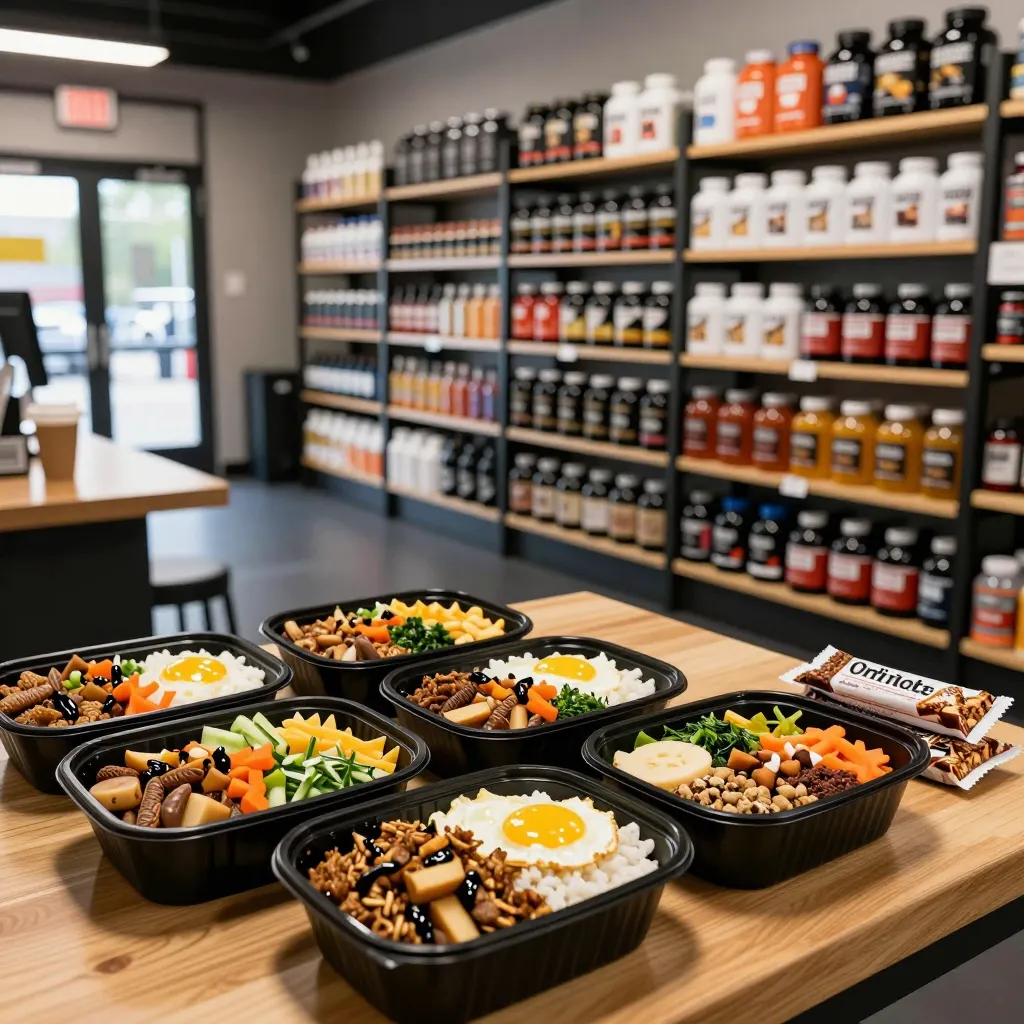
The fitness industry has shifted dramatically. What was once a niche market for bodybuilders and athletes has become a mainstream lifestyle choice for millions of everyday people seeking better health. For restaurant owners and cafe managers specializing in sports nutrition and protein bars, the presentation of this food is just as important as the quality of the ingredients. A static paper menu cannot convey the precision required in this sector. A digital QR menu, however, offers a dynamic platform to showcase nutritional transparency, a value that modern consumers demand.
According to recent industry data, over 60% of consumers actively check nutritional information before purchasing a meal, and this number is significantly higher among fitness enthusiasts. They do not just want to know what a protein bar tastes like; they need to know the exact grams of protein, the source of the protein, and whether it contains hidden sugars or allergens. A digital menu allows you to present this data clearly without cluttering the visual design. You can create a dedicated section for "Macro-Focus" items, ensuring that every customer can instantly verify if a product meets their specific dietary goals, whether that is keto, vegan, or high-protein.
Furthermore, the environmental impact of the fitness community is a growing conversation. Many athletes are conscious of their carbon footprint and prefer sustainable packaging. By switching to a QR code-based menu system, you immediately align your business with these values, eliminating paper waste and reducing the need for reprinting menus when you update nutritional labels. This transparency extends to the customer experience as well; they can see exactly what they are ordering, fostering a sense of trust that is crucial in the health and wellness sector. When a customer scans a code to see a menu that lists "Zero Added Sugar" or "Plant-Based" right on the screen, they feel confident in their choice, reducing hesitation and increasing conversion rates.
Structuring Your Menu for Clarity and Conversion
Creating a sports nutrition menu requires a different approach than a standard coffee shop or bistro. The structure must prioritize information hierarchy. Customers scanning your QR code are often in a hurry or are mentally checking off items on a list. Your layout should guide them immediately to the categories that matter most: Protein Bars, Shakes, Supplements, and Light Meals. Use clear, bold headings to separate these sections. Avoid long, wall-of-text descriptions that bury the nutritional facts.
Consider implementing a "Macro-First" description style. Instead of just listing ingredients, lead with the benefit. For example, instead of saying "Chocolate Peanut Butter Bar," label it as "25g Protein, 12g Fiber, Low Sugar Chocolate Peanut Butter Bar." This immediate clarity respects the customer's time and intelligence. You can use bullet points within your digital descriptions to highlight key features like "Gluten-Free," "Keto-Friendly," or "Non-GMO." This makes the information scannable and easy to digest on any device.
Visuals play a critical role in this niche. High-quality photos are non-negotiable. However, for sports nutrition products, photos should be paired with data. You might see a bar next to a small graphic indicating the protein content. If your platform supports it, consider adding a toggle switch that allows users to view the menu with or without images, focusing purely on the nutritional data if needed. This level of customization demonstrates a deep understanding of your customer's needs. Remember, the goal is to make the complex simple. If a customer is tracking their macros for a competition or daily maintenance, they need to find the data instantly, not hunt for it amidst decorative graphics.
Highlighting Transparency and Ingredient Integrity
In the world of health and fitness, trust is your most valuable currency. There is a pervasive skepticism regarding "supplements" and "protein bars" in the general market. Customers worry about fillers, artificial sweeteners, and misleading marketing claims. Your digital menu is the perfect tool to dismantle these fears. Dedicate a specific section or a footer note to your sourcing policies. Explain where your proteins come from, such as "Whey Isolate from Grass-Fed Cows" or "Pea Protein from Sustainable Farms." Transparency is not just about listing ingredients; it is about telling the story behind them.
Use the digital format to address common allergens proactively. A static menu might list "Contains Soy" in small print, but a digital menu can offer a dedicated "Allergen Information" modal or pop-up that appears when a user clicks on a specific product. This ensures that no one accidentally orders a product they are allergic to. For instance, if a protein bar contains milk, clearly flag it with a universal symbol or text like "Contains Dairy." This honesty prevents negative experiences and potential health risks. It also protects your business from liability by clearly communicating what is in the product.
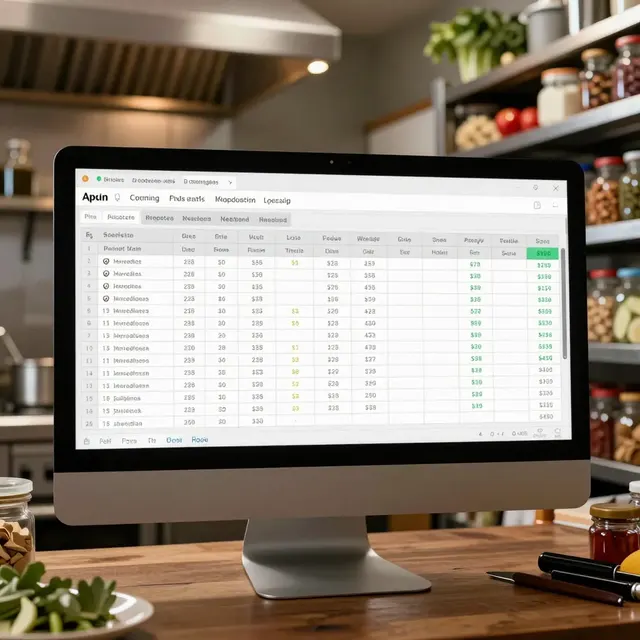
Another powerful feature of a digital menu is the ability to update information in real-time. If a batch of a specific protein bar has a slight variation in ingredients due to a new supplier, you can update the description instantly. You can also add notes about new certifications, such as "USDA Organic" or "Non-GMO Project Verified," as soon as they arrive. This dynamic nature of digital menus keeps your brand current and reliable. Customers appreciate when a business is honest about its products and willing to correct or clarify information immediately. This builds a reputation for integrity that paper menus simply cannot match.
Optimizing for Mobile Accessibility and User Experience
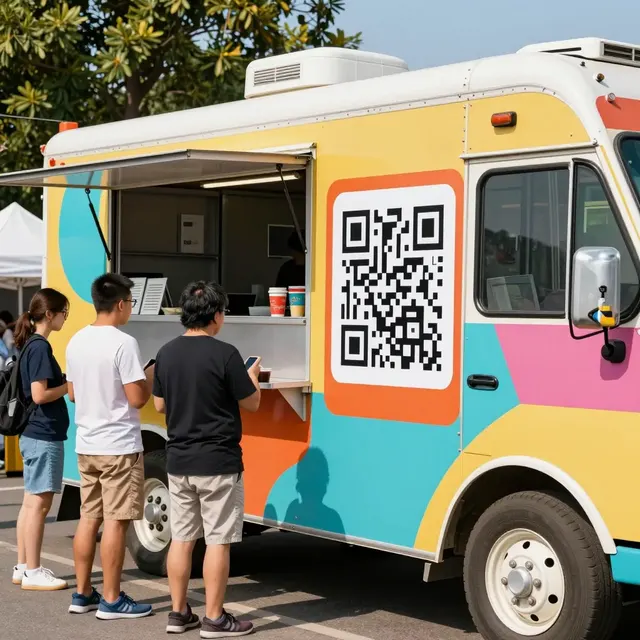
The vast majority of your customers will access your menu via a smartphone. This means your design must be mobile-first. Text must be legible without zooming, buttons must be large enough to tap easily with a thumb, and the layout must adapt to different screen sizes. A poorly formatted menu can lead to frustration, causing customers to leave your site and order from a competitor. Ensure that your QR menu loads quickly; a slow-loading page can be the difference between a sale and a bounce.
Think about the environment in which your customers are scanning the code. They might be standing in a line, sitting in a car, or walking around a gym. The lighting might be bright, or the background might be cluttered. Your QR code should be placed in a high-contrast area, and the landing page should load within two seconds. Use clear calls to action (CTAs) like "Order Now" or "View Nutrition Facts" that are prominently displayed. Avoid auto-playing videos or complex animations that slow down the load time or distract from the nutritional information.
Accessibility is a core value for any ethical business. Ensure that your digital menu is screen-reader friendly. Use proper HTML tags and alt text for images so that visually impaired customers can navigate your menu. This inclusivity extends your customer base and aligns with the universal access principle of your digital platform. When a customer can easily navigate your menu regardless of their device or ability, you are signaling that you care about every person who walks through your door. This commitment to accessibility strengthens your brand's relationship with the community.
Driving Engagement and Community Through Content
A sports nutrition menu is not just a list of products; it is an entry point into a lifestyle. Use your digital menu to engage customers with content that adds value beyond the sale. You can include links to blog posts about "How to Build a Post-Workout Meal" or "Tips for Staying Hydrated During Training." This positions your brand as an authority in the fitness space, not just a vendor of protein bars. You can also create a section for customer testimonials or reviews, specifically highlighting stories of success or energy boosts from your products.
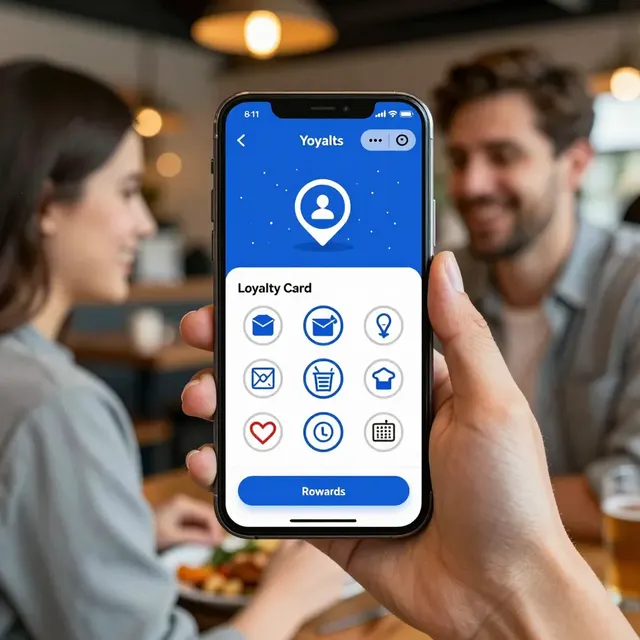
Consider adding a loyalty program or a newsletter signup form directly on the QR menu landing page. Offer a discount for first-time digital orders to encourage the switch from paper to digital. This not only helps with data collection for your marketing efforts but also builds a direct line of communication with your customers. You can send push notifications or emails about new flavors, limited-edition drops, or special promotions. This keeps your brand top-of-mind and drives repeat business.
Finally, analyze the data provided by your digital menu platform. Which products are being viewed the most? Which pages have the highest drop-off rates? This information can help you refine your menu layout and product offerings. If customers are frequently searching for vegan options but they are hard to find, move them to the top of the list. If a specific flavor is popular but under-ordered, investigate why. Data-driven decisions allow you to optimize your menu for maximum efficiency and customer satisfaction. By leveraging these insights, you can continuously improve the customer experience and grow your business in a competitive market.
Conclusion
Creating a sports nutrition and protein bar QR menu is more than just digitizing a list; it is about elevating the customer experience through transparency, accessibility, and engagement. By utilizing a digital platform, you can provide the detailed nutritional information that fitness enthusiasts crave while maintaining a sleek, modern aesthetic that appeals to a broader audience. The ability to update content instantly, highlight sustainability efforts, and build trust through ingredient honesty sets a standard that paper menus cannot meet. Whether you are a boutique cafe or a large-scale nutrition brand, the right digital solution empowers you to connect with your customers on a deeper level. To implement these strategies and take your digital menu to the next level, consider the robust features and customer-focused design of upQR, a platform built to help you serve healthier, happier customers with confidence.
Related Posts


Ready to create your digital menu?
Create your QR menu in minutes and reach your customers in any language.