
Design an Italian QR Menu with Authentic Flair
Learn how to craft a digital Italian menu that honors tradition while embracing sustainability. Discover tips for authentic descriptions and transparent pricing.
Why Authenticity Matters in Digital Italian Dining
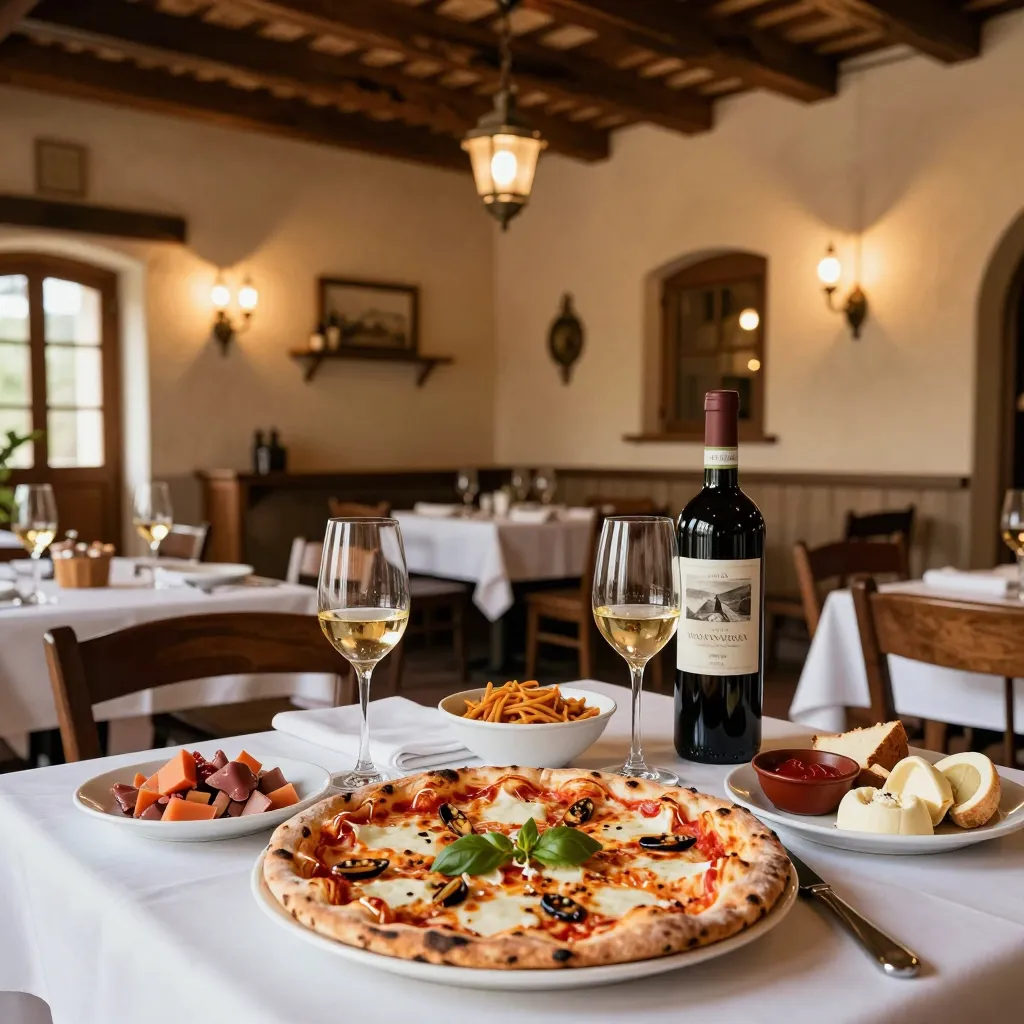
Italian cuisine is defined by a deep respect for tradition, regional heritage, and the integrity of ingredients. When a restaurant owner transitions to a digital format, the risk is that the soul of the food gets lost in a sea of generic descriptions. A digital QR menu is not just a list of items; it is the first point of contact between the kitchen and the guest. For an Italian establishment, maintaining that authentic flair is crucial for building trust and encouraging repeat visits.
Studies show that 68% of diners choose a restaurant based on the quality of its menu descriptions. In the Italian context, vague terms like "creamy pasta" can undermine the reputation of a dish that relies on a rich, homemade ragù or a perfectly emulsified carbonara. By using your upQR digital menu, you have the power to write narratives that educate the guest. Instead of simply listing "Spaghetti Carbonara," describe the use of guanciale cured for months, pecorino romano aged to perfection, and the specific technique of using only egg yolk and cheese to create the sauce. This level of detail honors the culinary tradition and sets your restaurant apart from competitors who rely on stock photos and bland text.
Sustainability is also a pillar of authentic Italian culture, where waste is minimized and ingredients are used entirely. By adopting a paperless solution like upQR, you align your digital presence with these core values. You are telling your customers that you care about the planet just as much as you care about the food. This transparency resonates deeply with modern diners who are increasingly conscious of their environmental footprint. When a customer scans a QR code, they expect honesty. They want to know exactly what is in their food, including allergens and sourcing details, without the deception often found in printed menus that use misleading imagery.
Crafting Compelling Descriptions That Tell a Story
The art of menu writing in Italian cuisine lies in balancing technical accuracy with appetizing language. Avoid using excessive adjectives that do not add value. Instead, focus on the story behind the dish. For example, rather than saying "Fresh Basil Pesto," describe it as "Hand-ground basil from the garden, combined with extra virgin olive oil, pine nuts, and garlic, finished with a splash of lemon zest." This specific imagery helps the customer visualize the freshness and quality of the ingredients.
Consider the structure of your descriptions. Start with the main component, followed by the preparation method, and finish with a sensory detail. This structure works well for both simple antipasti and complex main courses. For instance, a risotto description could read: "Arborio rice slowly cooked with white wine and vegetable stock, finished with saffron and parmesan reggiano." This tells the diner about the rice variety, the cooking process, and the finishing touch, all of which contribute to the authentic Italian experience.
It is also essential to be transparent about dietary restrictions. Italian food is often perceived as having hidden dairy or gluten, but with a digital menu, you can clearly mark which dishes are naturally gluten-free or which contain common allergens like shellfish in seafood risottos. This honesty prevents cross-contamination issues and ensures that every guest, regardless of their dietary needs, can enjoy a meal with confidence. upQR allows you to create these detailed sections easily, ensuring that your commitment to transparency is visible to every single customer who scans the code.
Optimizing Layout and Navigation for the Italian Experience
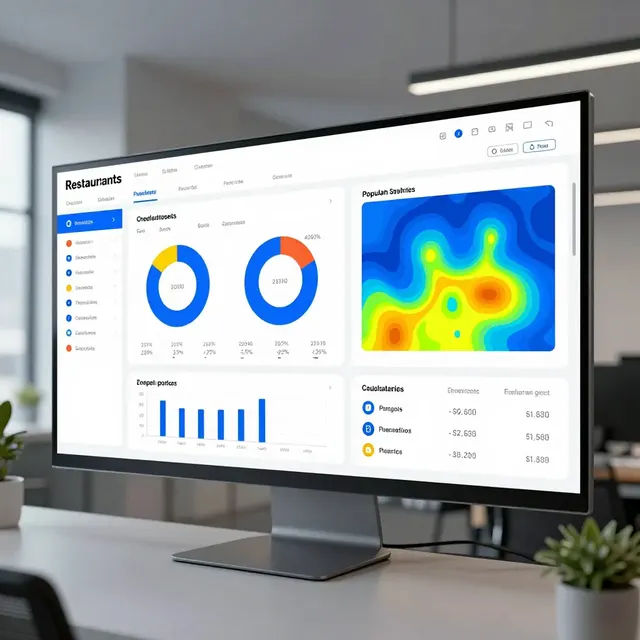
Even the most delicious descriptions will fail if the menu layout is confusing. An Italian restaurant often features a long list of antipasti, a variety of primi and secondi, and multiple dessert options. A cluttered digital menu can overwhelm the customer and slow down the ordering process. Your upQR menu should be designed with a clean, logical flow that guides the guest through the dining experience.
Start with a warm welcome screen that sets the tone. Use high-quality images that reflect the rustic, warm aesthetic of an Italian bistro. Avoid generic, over-processed food photos; instead, use images that show the texture of the food, the steam rising from a bowl, or the herbs sprinkled on top. Visuals should be honest and accurate, showing the food exactly as it is served in the kitchen. This builds trust and manages expectations effectively.
Navigation is key. Use clear headings to separate sections like Antipasti, Primi, Secondi, and Dolci. Allow customers to filter by dietary preferences or price range if your restaurant offers diverse options. For example, a customer looking for a vegetarian option can quickly find the Caprese salad or the polenta without having to scroll through the entire list. A well-organized menu reduces decision paralysis and leads to higher average check sizes, as customers are more likely to try new items when the options are easy to digest.
Leveraging Seasonality and Regional Specialties
One of the most authentic aspects of Italian dining is the celebration of seasonality. In Italy, menus change frequently to reflect what is currently growing in the fields or caught in the local waters. Your digital menu should reflect this dynamic nature. Unlike a printed menu that goes to waste after a season, a digital menu on upQR can be updated instantly. This allows you to highlight spring asparagus in March, fresh tomatoes in July, or pumpkin risotto in October.
Use the digital format to educate customers about regional specialties. If you are serving a dish from Sicily, perhaps a fresh seafood pasta, take a moment to mention the region. Explain that the seafood is sourced from the Mediterranean and that the pasta is made fresh daily. This storytelling approach adds value to the meal and deepens the customer's connection to the food. It transforms a simple dinner into a cultural experience.
Another advantage of the digital format is the ability to run promotions that drive traffic during slower periods. You can feature a "Chef's Special" that changes daily, perhaps a leftover vegetable risotto made from the day's excess produce. This not only reduces food waste but also encourages customers to be adventurous. By showcasing your commitment to sustainability and local sourcing, you reinforce the brand values that modern diners appreciate.
Ensuring Accessibility and Universal Access
A truly inclusive Italian restaurant welcomes everyone, regardless of their ability to read or their language background. Digital menus offer a unique opportunity to enhance accessibility in ways that printed menus cannot. You can include audio descriptions for visually impaired guests, larger text options, and translations in multiple languages. This ensures that your restaurant is welcoming to tourists, non-native speakers, and those with visual impairments.
When designing your upQR menu, consider adding a simple translation toggle. Italian is a beautiful language, but not every guest speaks it fluently. Providing translations for key menu items helps bridge the gap and ensures that every guest understands exactly what they are ordering. This transparency eliminates the fear of ordering something one does not like or have allergies to, fostering a more relaxed and enjoyable dining atmosphere.
Furthermore, accessibility extends to the technical side of the menu. Ensure that the QR codes work on all devices, including older smartphones and tablets. A smooth loading experience is part of the service quality. If a customer cannot access the menu due to a slow connection or an incompatible device, it reflects poorly on the restaurant. upQR ensures that your menu is robust, reliable, and accessible to everyone, upholding the Italian value of hospitality (ospitalità) for all guests.
Final Thoughts on Digital Italian Dining
Designing an Italian restaurant QR menu is about more than just listing food items; it is about curating an experience that honors tradition while embracing the benefits of technology. By focusing on authentic descriptions, transparent pricing, and sustainable practices, you can create a digital presence that resonates with modern diners. The upQR platform provides the tools necessary to achieve this balance, allowing you to update your menu instantly, manage dietary information with ease, and present your food with the honesty and quality it deserves.
Remember that every interaction with your digital menu is an opportunity to tell your story. Whether you are highlighting the origin of your olive oil or explaining the technique behind your handmade pasta, these details build a loyal community around your restaurant. Embrace the digital shift not as a compromise, but as an enhancement to your authentic Italian heritage. With the right design and a commitment to transparency, your QR menu can become a beloved part of the dining experience, inviting guests to explore the flavors of Italy right from their tables.
Related Posts
Ready to create your digital menu?
Create your QR menu in minutes and reach your customers in any language.