
Run a Cafe with Minimal Staff Using QR Ordering
Discover how to cut labor costs and boost efficiency by implementing a QR ordering system. Learn specific strategies to manage a lean team without losing quality.
Why Staff Reduction is a Necessary Evolution for Modern Cafes
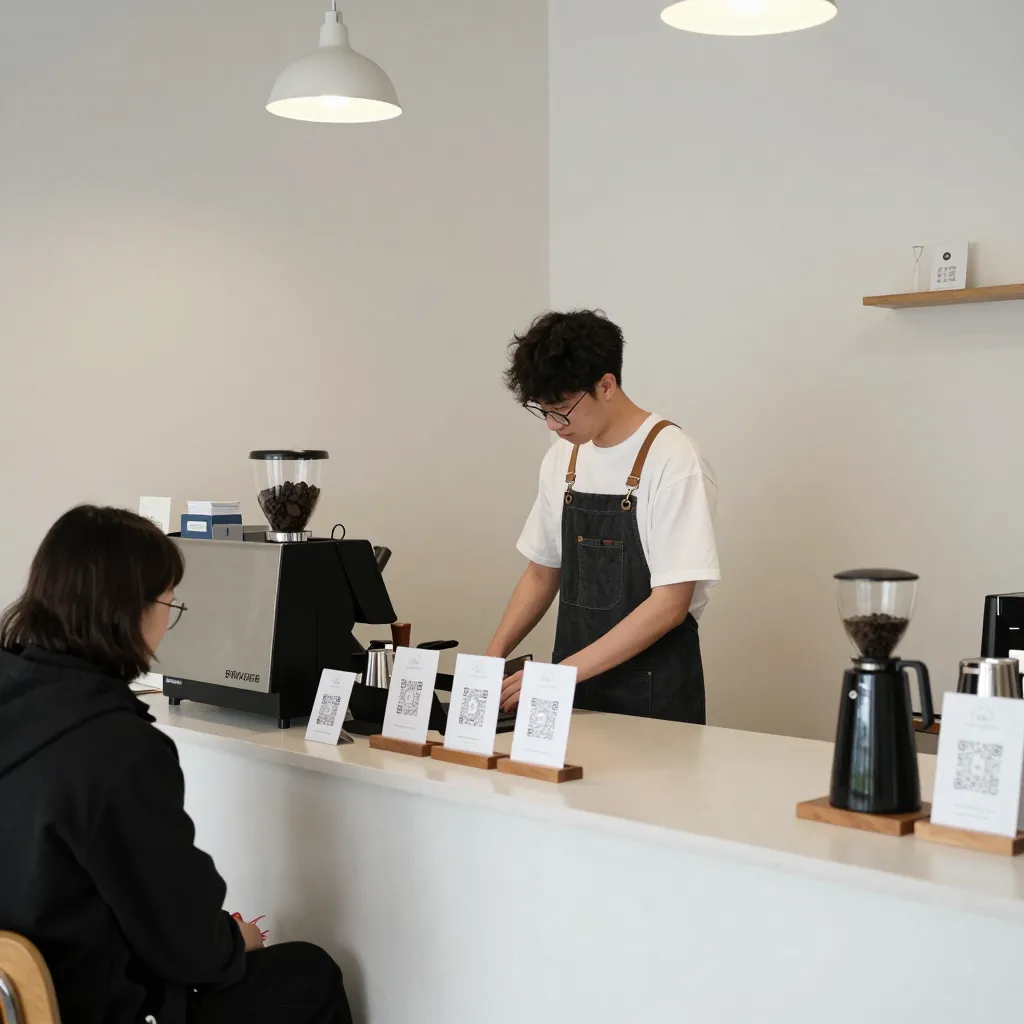
The landscape of the food and beverage industry has shifted dramatically in recent years. According to data from the National Restaurant Association, labor costs have consistently outpaced inflation, forcing many business owners to rethink their operational models. The traditional model of one server per table or a large counter crew is often unsustainable for independent cafes aiming to maintain healthy profit margins. This is not merely about cutting corners; it is about strategic resource allocation.
Many cafe owners find themselves in a difficult position: they need to keep overhead low to survive, yet they want to provide a premium customer experience. The solution lies in technology that bridges the gap between efficiency and hospitality. By adopting a digital QR menu platform, you can restructure your workflow to require fewer hands while actually increasing the speed of service. This shift allows you to reallocate your existing staff to roles that add more value, such as crafting complex espresso drinks, managing inventory, or enhancing the ambiance, rather than being bogged down by taking orders and processing payments.
The impact of this transition is measurable. Cafes that successfully integrate self-ordering kiosks or QR codes often see a reduction in order processing time by up to 30%. When customers can place their own orders, your staff is freed from the pressure of rush-hour bottlenecks. Instead of rushing to take orders and run them to the kitchen, your baristas can focus on perfecting their craft. This reduction in friction leads to higher customer satisfaction scores, as wait times decrease and the order accuracy improves significantly.
Optimizing Workflow: The New Role of Your Baristas
When you reduce staff numbers, the role of every remaining employee must evolve. In a traditional setup, a barista might spend 40% of their shift writing down orders, scanning credit cards, and refilling condiments. With a robust QR ordering system, these tasks are automated. The new role of your barista becomes that of a 'production specialist.' They are no longer order-takers; they are culinary artists dedicated to the quality of the product.
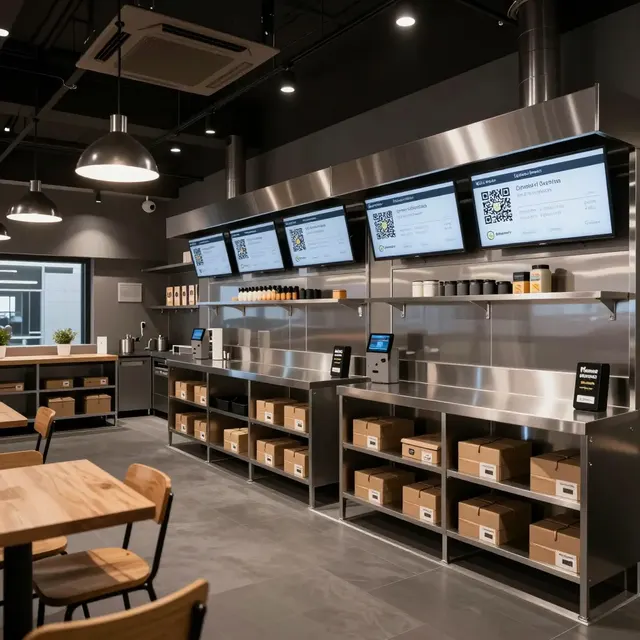
Consider the workflow of a busy morning rush. Without technology, the line builds up because the staff is overwhelmed with administrative tasks. With a QR menu, customers scan a code, view the digital menu, customize their drink, and pay instantly. The order appears directly in the kitchen display system or the barista's tablet. This seamless flow ensures that the barista can focus entirely on the espresso extraction, steaming the milk, and assembling the pastry. This specialization leads to a faster throughput of high-quality items.
Furthermore, this model allows for a more flexible scheduling approach. You no longer need to staff the cafe with the same number of people during the peak lunch hour as you did in the past. Since the ordering process is self-service, you can operate with a skeleton crew of one or two highly skilled staff members during midday rushes. These staff members can handle the coffee production and simple food assembly while the technology handles the complex logistics of order management and payment processing. This flexibility is crucial for small businesses trying to balance fixed costs with variable revenue.
Strategies for Managing a Lean Team Without Compromising Service
Running a cafe with minimal staff requires a different approach to customer service. It is easy to assume that fewer staff means slower service or a colder atmosphere, but the opposite can be true if the right tools are in place. The key is to train your remaining team to be hyper-efficient and to leverage the technology to handle the heavy lifting. You must empower your staff to manage the flow of customers who are scanning codes, ensuring that the digital experience is smooth and intuitive.
One practical strategy is to use the QR menu to guide customer expectations. You can set up sections for 'Quick Bites' and 'Ready Now' items that customers can grab immediately without waiting for a staff member to acknowledge them. This reduces the perceived wait time and keeps the counter moving. Additionally, you can use the digital menu to upsell effectively. Your staff can focus on building the relationships with regulars, offering personalized recommendations that a digital menu alone cannot provide, while the system handles the transaction details.
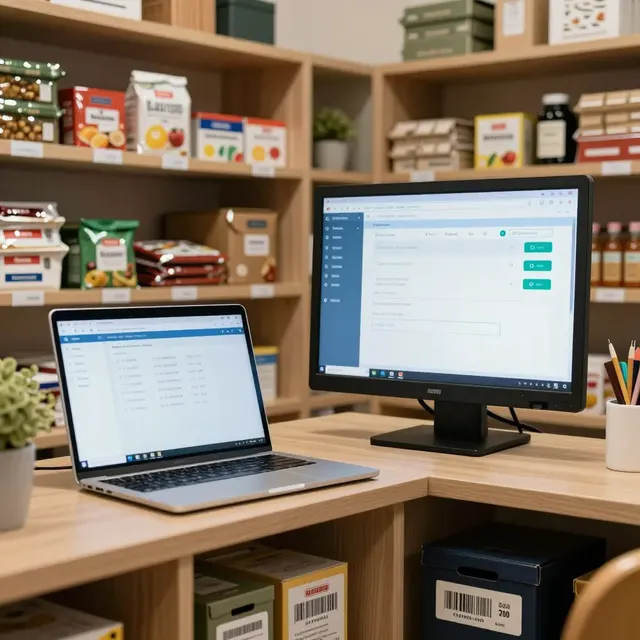
Another critical aspect is inventory management. A lean team needs to be precise. With a digital system, you can track sales data in real-time to see which items are moving fast and which are sitting on the shelf. This allows your staff to restock efficiently, reducing waste and ensuring that popular items are always available. For example, if the data shows that iced lattes are selling faster than hot ones during summer, you can adjust your prep list immediately, saving time and money. This data-driven approach is essential when you cannot afford to have a staff member waste time searching for missing ingredients or dealing with frequent stockouts.
Leveraging Data to Maximize Profit Margins
One of the most significant advantages of switching to a digital QR menu is the access to actionable data. In a traditional cafe, understanding what sells and when often relies on guesswork or manual tally sheets. With a digital platform, you gain instant insights into customer behavior. You can see exactly which items have the highest conversion rates, which times of day generate the most revenue, and which menu items are frequently left behind.
This information is invaluable for a small team. By analyzing this data, you can optimize your menu engineering to focus on high-margin items. If you notice that a specific pastry has a low sell-through rate, you can adjust the portion size or feature it less prominently, thereby reducing waste. Conversely, if a specific coffee blend is a customer favorite but has a high cost of goods, you can adjust the pricing or source a more cost-effective alternative. This level of granularity allows you to make informed decisions that directly impact the bottom line.
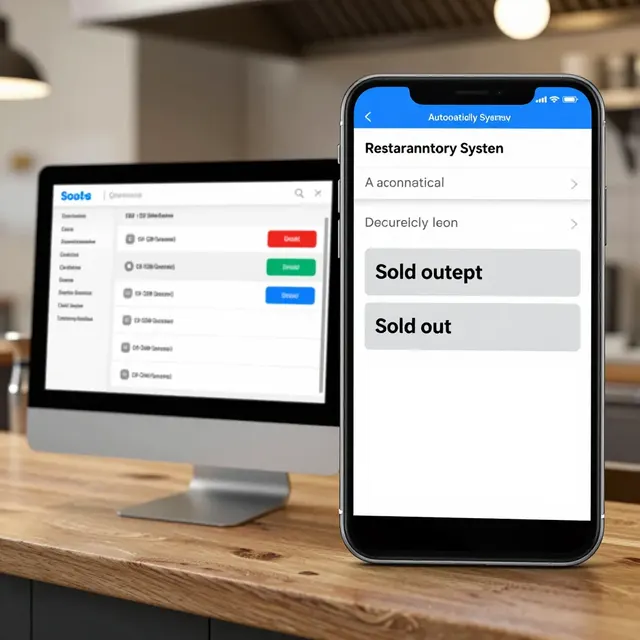
Moreover, the ability to update the menu in real-time is a game-changer. If a supplier runs out of a key ingredient, you can instantly remove that item from the digital menu and notify customers before they even scan the code. This prevents the frustration of a customer ordering an item that is no longer available, which can lead to negative reviews. In a lean operation, avoiding these friction points is essential for maintaining a positive reputation with a smaller team.
Enhancing Customer Experience Through Personalization
There is a common misconception that self-service technology makes the experience impersonal. However, when implemented correctly, a QR menu can actually enhance the customer journey. The digital interface allows for a level of personalization that is difficult to achieve with a paper menu. You can display high-resolution images of your food and drinks, show customer reviews, and even offer customization options like 'less ice' or 'extra shot' directly on the screen.
This interactivity engages the customer, making the ordering process feel like an exploration rather than a chore. For a cafe with minimal staff, this engagement is crucial. It allows your staff to step back from the counter and greet customers warmly without being distracted by the mechanics of taking an order. The technology handles the transaction, while the human element focuses on the welcome and the farewell. This separation of duties ensures that the customer feels valued and attended to, even when the physical presence of staff is limited.
Additionally, the digital menu can be updated seasonally or based on local events. You can highlight a new seasonal blend or a limited-time offer, creating a sense of urgency and excitement. This keeps the menu fresh and encourages repeat visits. For a cafe owner, this means that the marketing work is built into the platform, reducing the need for external advertising spend. The platform becomes a dynamic marketing tool that works 24/7 to attract and retain customers.
Conclusion: Embracing the Future of Cafe Operations
Transitioning to a digital-first model is not just a trend; it is a necessary adaptation for the modern cafe owner. By implementing a QR ordering system, you gain the ability to run a successful business with a leaner team, lower overhead, and higher efficiency. The technology handles the repetitive tasks of ordering and payment, freeing your staff to focus on what they do best: creating delicious food and drinks and providing exceptional hospitality.
With upQR, you can implement this system quickly and easily, without the need for expensive hardware or complex integrations. Our platform is designed to be user-friendly for both your staff and your customers, ensuring a seamless transition. Whether you are a single-location cafe or a growing chain, upQR provides the tools you need to scale your operations without scaling your headcount. Take the first step toward a more profitable and sustainable business model today. Embrace the power of digital tools to transform your cafe into a hub of efficiency and quality.
Related Posts
Ready to create your digital menu?
Create your QR menu in minutes and reach your customers in any language.