
8 Ways QR Menus Improve Fast Food CX
Discover how digital QR menus transform fast food operations, boost revenue, and enhance customer satisfaction with actionable strategies.
Reducing Wait Times and Increasing Table Turnover
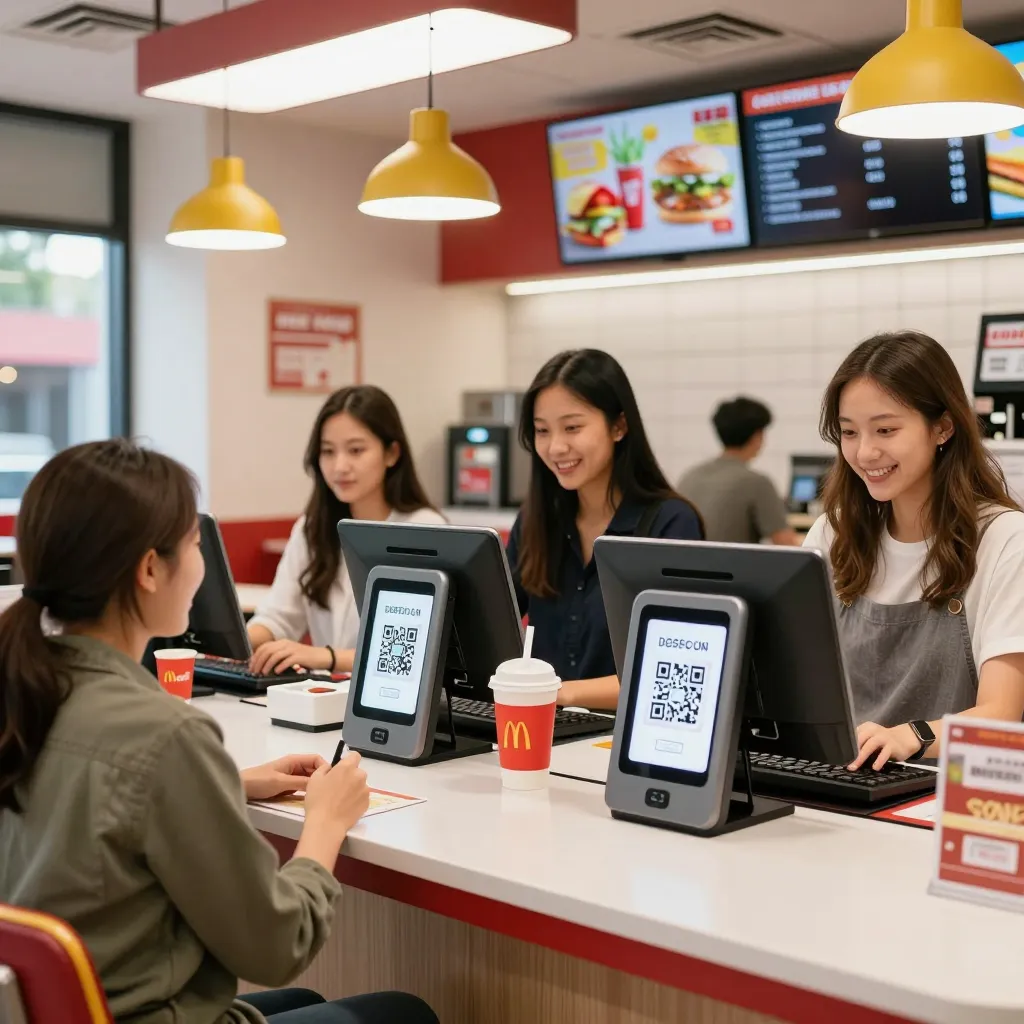
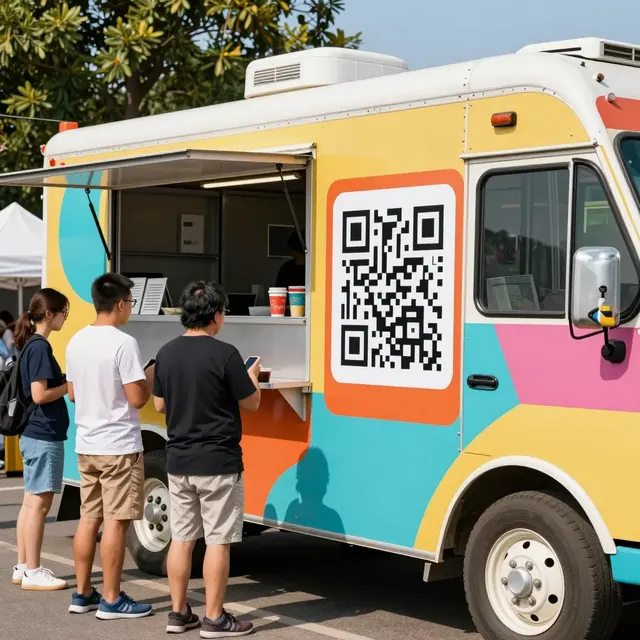
In the fast food industry, speed is currency. Every minute a customer waits for a menu or an order is a minute lost to potential foot traffic and revenue. Traditional paper menus require staff to hand them out, manage inventory, and ensure they are up-to-date, which adds friction to the ordering process. By switching to a digital QR menu system like upQR, restaurants can eliminate the wait for a physical copy entirely. Customers simply scan a code, and the menu loads instantly on their device.
According to industry data, restaurants that implement digital ordering see a 20% to 30% increase in table turnover rates. This metric is critical for fast food establishments with limited seating, such as casual diners or quick-service spots. When customers can view the menu, customize their orders, and pay digitally without waiting for a server, they are ready to leave the premises sooner. This allows the restaurant to seat the next guest in the line more quickly, maximizing revenue per square foot. For a busy lunch rush, this efficiency difference can mean the difference between clearing the dining room in 45 minutes versus over an hour.
Eliminating Menu Management Errors and Print Costs
One of the most expensive and time-consuming aspects of running a fast food business is maintaining the physical menu. Prices change, daily specials rotate, and seasonal items come and go. In a traditional setup, every time a price changes, staff must reprint hundreds of menus, often leading to confusion where old menus with outdated prices remain on tables. This not only looks unprofessional but also leads to lost revenue as customers order based on old prices.
Digital menus solve this problem instantly. With upQR, a restaurant owner can update a price or add a new item to the digital menu from their dashboard, and the change is reflected on every customer's screen within seconds. This ensures pricing accuracy and eliminates the administrative burden of inventory management for printed materials. Furthermore, the cost savings are significant. Printing a single menu can cost between $0.50 and $1.00 depending on quality and quantity. For a restaurant with 100 tables, that is $50 to $100 spent every time the menu changes. Over a year, these savings can amount to thousands of dollars that can be reinvested into better ingredients or marketing. Additionally, digital menus reduce waste, aligning with the growing consumer demand for sustainable business practices.
Enhancing the Mobile Ordering Experience with Customization
Modern fast food consumers expect the same level of control they have when ordering via delivery apps. They want to know exactly what is in their food and how it will be prepared. A static paper menu cannot offer this level of interactivity. Digital QR menus allow for advanced customization options that directly impact customer satisfaction. Customers can easily select dietary restrictions, such as "no onions," "extra spicy," or "substitute the sauce." They can also choose add-ons like extra cheese or a side of fries with a single tap.
This interactivity reduces the likelihood of order errors. When a customer specifies their preferences digitally, that data is sent directly to the kitchen display system (KDS), reducing the chance of miscommunication between the server and the kitchen. In a high-volume environment, this precision is vital. It also empowers the customer, making them feel heard and valued. For example, a customer with a specific allergen concern can immediately filter the menu to see only safe options, reducing anxiety and increasing confidence in the meal. This level of engagement transforms a simple transaction into a personalized experience, fostering brand loyalty.
Boosting Average Order Value Through Strategic Upselling
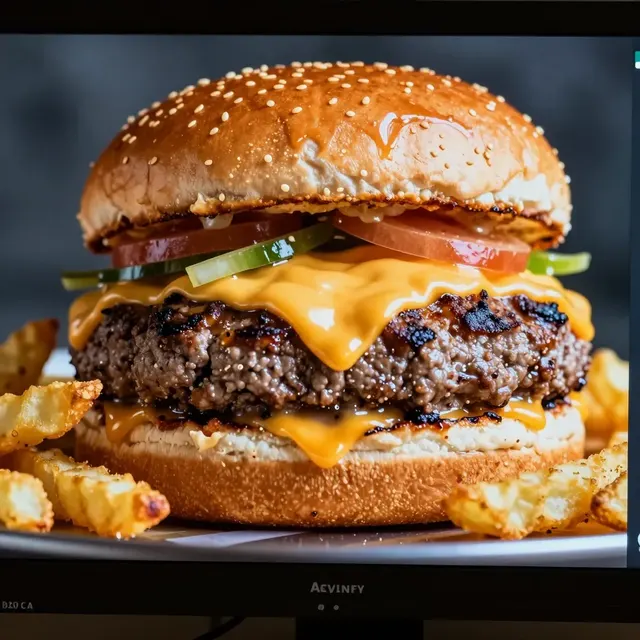
Upselling is a core strategy in the fast food industry, but it is often done poorly with paper menus. Servers might suggest a drink, but they often forget or rush through the suggestion. Digital menus change the game by using visual design to guide customer behavior. Restaurants can strategically place high-margin items, such as premium sauces, upgraded sides, or dessert add-ons, near the top of the menu or use visual cues like badges to highlight them.
With upQR, you can create dynamic menus that change based on time of day or inventory levels. For instance, during the morning rush, the digital menu can automatically highlight breakfast bundles and coffee add-ons. In the evening, it can showcase dinner specials or premium cocktail options. This context-awareness ensures that customers are always presented with the most relevant and profitable options. Studies suggest that digital menus can increase the average order value by up to 15% compared to paper menus. By making the upselling process seamless and visually appealing, restaurants can encourage customers to spend a little more without feeling pressured, leading to a more positive overall experience.
Improving Accessibility and Inclusivity for All Customers
Inclusivity is not just a moral imperative; it is a business necessity. A significant portion of the population has visual impairments or difficulty reading small print. Traditional paper menus often feature tiny fonts, low contrast, or complex layouts that are hard to read. Digital menus, however, can be optimized for accessibility. They can support screen readers, allow users to adjust font sizes and colors, and provide high-contrast modes for those with low vision.
Furthermore, digital menus can include audio descriptions or detailed ingredient lists that clarify allergens, ensuring that customers with severe allergies can dine safely. This inclusivity expands the customer base to include individuals who might otherwise avoid the restaurant due to accessibility barriers. For a fast food chain aiming to be a community staple, demonstrating a commitment to accessibility builds a strong reputation. It shows that the brand cares about every customer, regardless of their ability, which fosters deep trust and loyalty. When customers feel safe and accommodated, they are more likely to return and recommend the restaurant to friends and family.
Collecting Valuable Data to Drive Business Decisions
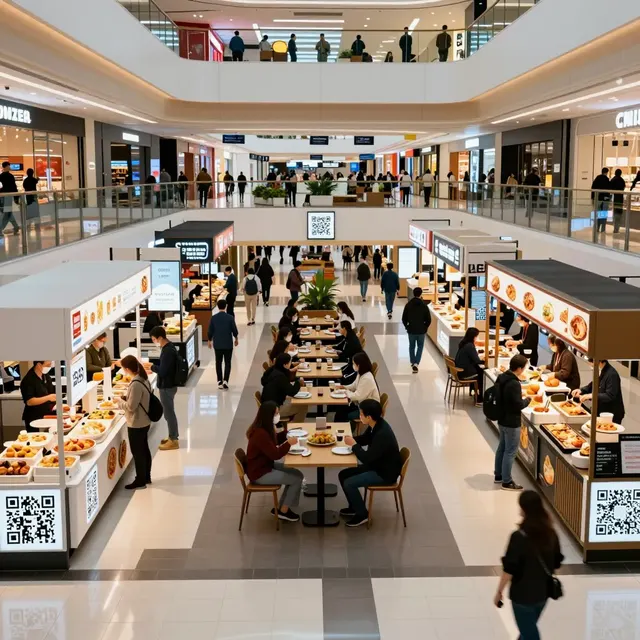
One of the most powerful advantages of a digital QR menu is the ability to collect data. With paper menus, a restaurant owner has no idea which items are popular, which times of day drive the most traffic, or what customers are searching for most frequently. Digital menus provide analytics dashboards that offer real-time insights into customer behavior.
With upQR, owners can track exactly which items are clicked, how long customers spend on the menu, and what search terms they use. If a customer frequently searches for "vegan" but the vegan options are hidden deep in the menu, the owner knows to restructure the menu layout. If a specific item has a low click-through rate, the owner can investigate whether the description is unappealing or the price is too high. This data-driven approach allows for agile decision-making. Instead of guessing what to do next based on gut feeling, owners can make informed adjustments to the menu, marketing campaigns, and kitchen operations. This continuous feedback loop ensures the business remains responsive to customer needs and market trends, giving it a competitive edge in a crowded industry.
Strengthening Brand Identity and Visual Storytelling
A paper menu is a static document; it cannot tell a story. A digital menu, however, is a canvas for branding. With upQR, restaurants can showcase high-resolution images of their food, embed videos of the cooking process, and share the story behind their ingredients. This visual storytelling creates an emotional connection with the customer. For example, a burger joint can show a video of their burgers being grilled fresh, emphasizing the quality and speed of preparation. A coffee shop can display photos of their beans and the farmers they partner with.
This visual appeal is crucial for fast food, where the food is often consumed quickly and on the go. High-quality imagery stimulates appetite and makes the food look more desirable. Additionally, digital menus can integrate social media feeds, showing recent customer reviews or user-generated content, which builds social proof. The consistent branding across the digital interface reinforces the restaurant's identity, making it memorable. When a customer sees a cohesive brand experience from the moment they scan the QR code to the moment they receive their food, it elevates the perception of the entire establishment, justifying premium pricing and encouraging repeat visits.
Streamlining Payments to Reduce Friction at Checkout
The checkout process is often a pain point in fast food dining. Customers hate waiting for a server to bring a check, calculate tips, and handle cash or card payments. Digital menus integrated with payment gateways allow for seamless transactions. Customers can pay directly from their device, split bills easily, and even leave tips without needing to calculate percentages manually.
This frictionless payment experience keeps the dining room moving. It reduces the time customers spend at the table, directly contributing to higher table turnover. It also reduces the risk of theft or error associated with cash handling. For restaurants, this automation means less time spent on administrative tasks like cash reconciliation. The integration with the point-of-sale (POS) system ensures that sales are recorded accurately and instantly. By removing the barrier of payment, the focus shifts entirely to the food and the experience, creating a smoother, more enjoyable journey from order to departure.
Conclusion
Implementing a digital QR menu is no longer just a trend; it is a fundamental shift in how fast food businesses operate and compete. The eight ways outlined-reducing wait times, eliminating errors, enhancing customization, boosting order value, improving accessibility, collecting data, strengthening branding, and streamlining payments-demonstrate the comprehensive value of this technology. For restaurant owners and managers looking to modernize their operations and delight their customers, the path forward is clear. upQR provides the robust, easy-to-use platform needed to execute this transformation seamlessly. With upQR, you gain the tools to optimize every aspect of the customer journey, ensuring your fast food business remains relevant, efficient, and profitable in an ever-evolving market.
Related Posts
Ready to create your digital menu?
Create your QR menu in minutes and reach your customers in any language.