
How to Design a Burger Menu That Sells
Learn the secrets to creating a high-converting burger menu. We cover psychology, layout, and digital tools like upQR to boost sales.
The Psychology Behind High-Converting Burger Menus
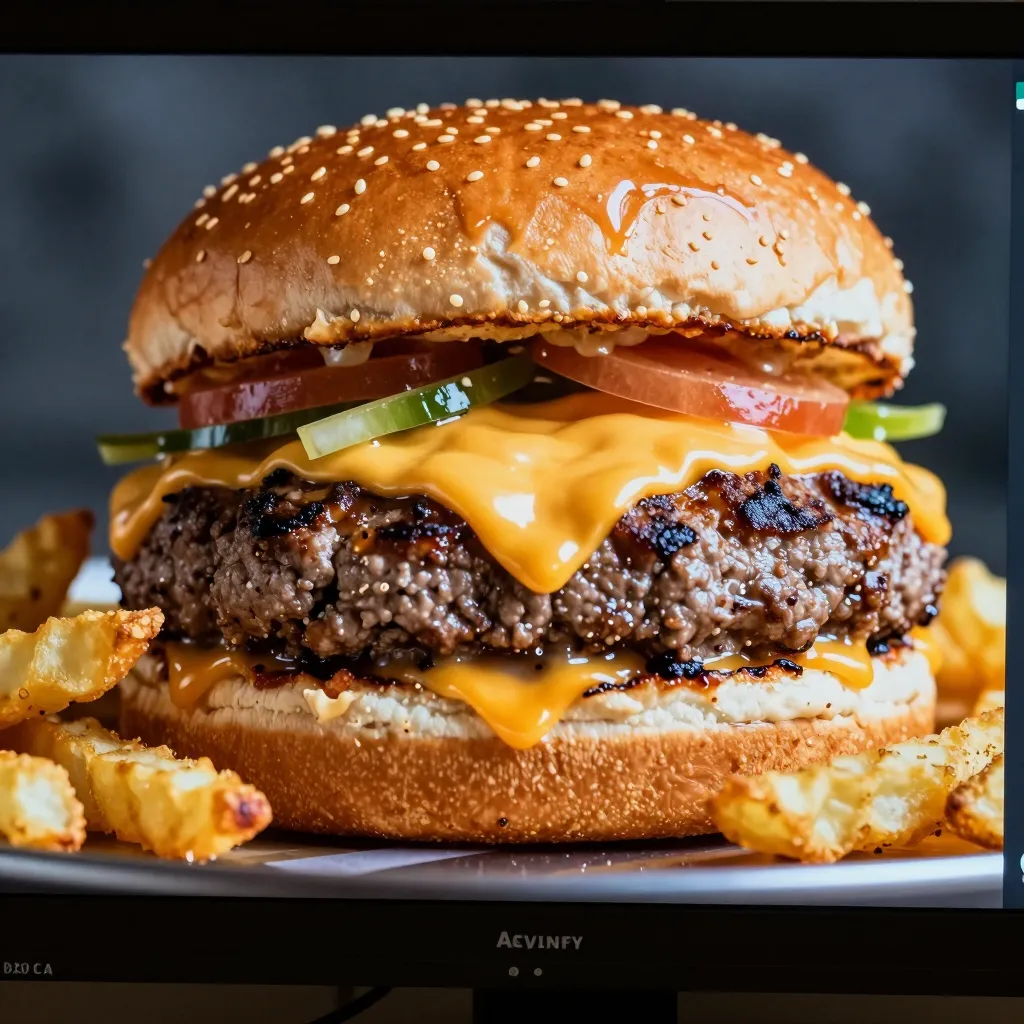
Creating a burger menu is not just about listing ingredients; it is about guiding the customer's decision-making process. The average diner spends only 15 to 20 seconds scanning a menu before making a selection. During this brief window, your design must communicate value, clarity, and appetite appeal instantly. A well-structured menu reduces decision fatigue, a common phenomenon where customers feel overwhelmed by too many choices, often leading to lower satisfaction or longer decision times. By strategically organizing your offerings, you can subtly influence customers toward higher-margin items without them feeling manipulated.
Consider the concept of the 'decoy effect,' a psychological principle where adding a less attractive option makes another option seem more valuable. For instance, offering a basic cheeseburger at $10 and a premium 'Chef's Special' with artisanal toppings at $18 can make the $18 option seem like a better value if the basic option is positioned as a bare minimum. However, modern diners appreciate transparency. They want to know exactly what they are getting. This is where digital platforms shine, allowing you to list ingredients clearly so customers feel confident in their choice, knowing there are no hidden surprises.
Optimizing Layout and Visual Hierarchy
The physical layout of your menu dictates the eye's path across the page. The most effective strategy is to place your highest-margin or signature items in the 'golden triangle'-the top right corner of the menu, where the eye naturally rests first in left-to-right reading cultures. If you are designing a digital QR menu, you can take this a step further by using subtle visual cues like bold headings or slightly larger font sizes for these key items, guiding the customer gently toward your best sellers.
Visual hierarchy is crucial for readability. Use clear sections to separate categories like 'Classic Burgers,' 'Vegan Options,' and 'Sides.' A cluttered menu with tiny fonts and dense text creates anxiety and pushes customers toward the first item they see. Instead, utilize white space effectively to let each burger breathe. High-quality photography is also non-negotiable in the digital age. Studies show that 77% of consumers are more likely to purchase a product with an appealing image. Ensure your photos are bright, appetizing, and accurately represent the food, avoiding over-editing that might mislead customers and damage trust.
When designing for a restaurant that caters to diverse dietary needs, clear labeling is essential. Use icons or badges to denote 'Gluten-Free,' 'Vegan,' or 'High Protein.' This not only helps customers with restrictions feel included but also expands your potential market. For example, a clear 'Vegan' section can attract health-conscious diners who might otherwise skip your establishment. Transparency in labeling builds a reputation for honesty, a core value that modern consumers highly respect.
Strategic Pricing and Description Techniques
Pricing strategy is an art form that balances perceived value with actual profit margins. Avoid using psychological pricing like $9.99 if your brand positioning is premium; instead, use round numbers like $10.00 to signal quality and simplicity. When presenting prices, ensure they are easy to read and not hidden in fine print. A transparent pricing structure where the cost of the burger, toppings, and tax are clear upfront prevents the 'bill shock' that can sour a dining experience.
Descriptions are your primary sales tool. Do not just list ingredients; tell a story. Instead of saying 'Beef patty, cheese, lettuce, tomato,' write 'Juicy 100% Angus beef patty topped with sharp cheddar, crisp lettuce, and house-made tomato relish.' Sensory words like 'smoky,' 'crispy,' 'tender,' and 'aromatic' trigger appetite responses in the brain. Mentioning the preparation method, such as 'flame-grilled' or 'slow-smoked,' adds a layer of craftsmanship that justifies a higher price point.
Highlighting local sourcing or unique selling points in the description can also drive sales. For instance, 'Burger made with locally sourced Wagyu beef' appeals to customers who value sustainability and community support. This aligns with the environmental consciousness of many modern diners who prefer businesses that care about their footprint. By focusing on the quality of the ingredients rather than just the quantity, you elevate the perceived value of your entire menu.
Leveraging Digital Tools for Flexibility and Sustainability
Transitioning to a digital QR menu platform offers significant advantages over traditional paper menus. The most immediate benefit is sustainability. By eliminating the need for printing, you reduce paper waste and the environmental impact associated with production and disposal. This aligns perfectly with the growing demand for eco-friendly business practices among younger demographics. Furthermore, digital menus allow for real-time updates. If a popular ingredient runs out or a seasonal item needs to be swapped in, you can update the menu instantly, ensuring customers are never served what isn't available.
Dynamic pricing and promotional management are also easier with digital solutions. You can run limited-time offers, such as 'Happy Hour Burgers' or 'Free Fries with any Combo,' directly on the screen. This encourages impulse buys and increases average order value. Additionally, digital menus can collect data on what customers order most frequently, providing insights that can help you refine your menu engineering. You might find that a specific vegan patty is outselling your classic beef burger, prompting you to expand your plant-based offerings.
Accessibility is another critical advantage. A digital menu can be optimized for screen readers and adjusted for font size, ensuring that visually impaired customers can navigate your offerings with ease. This inclusivity fosters a welcoming environment where everyone feels valued. By using a platform like upQR, restaurants can ensure that their digital presence is not only functional but also accessible to all, reinforcing the value of universal access in the food service industry.
Building Trust Through Transparency and Honesty
In an era of food scandals and misleading marketing, honesty is the ultimate currency. Customers are increasingly skeptical of food descriptions that do not match reality. A digital menu allows you to be radically transparent. You can include detailed ingredient lists, allergen information, and even nutritional facts directly on the ordering screen. This level of openness builds immense trust and loyalty. When a customer knows exactly what they are eating, including potential allergens like peanuts or dairy, they feel safer and more informed.
Transparency also extends to pricing and sourcing. Clearly state if there are delivery fees, service charges, or if prices have changed due to inflation. Hiding these costs until the end of the transaction is a major friction point that can lead to negative reviews. By being upfront about costs and sourcing, you demonstrate integrity. For example, explaining that a higher price point is due to the use of ethically raised meat resonates deeply with conscious consumers.
Finally, encourage customer feedback and showcase reviews directly on your digital menu. Highlighting positive testimonials about specific burgers creates social proof that validates your claims. If a customer mentions a burger is 'the best in town,' display that quote near the item. This not only validates the customer's experience for future diners but also reinforces your commitment to quality and honest representation. By combining practical design tips with the power of digital tools, you can create a burger menu that not only sells but also builds a loyal community around your brand.
Related Posts
Ready to create your digital menu?
Create your QR menu in minutes and reach your customers in any language.