
Boost Dessert Sales with Digital Menus
Learn how digital dessert menus increase impulse buys through strategic design, transparency, and universal access for every guest.
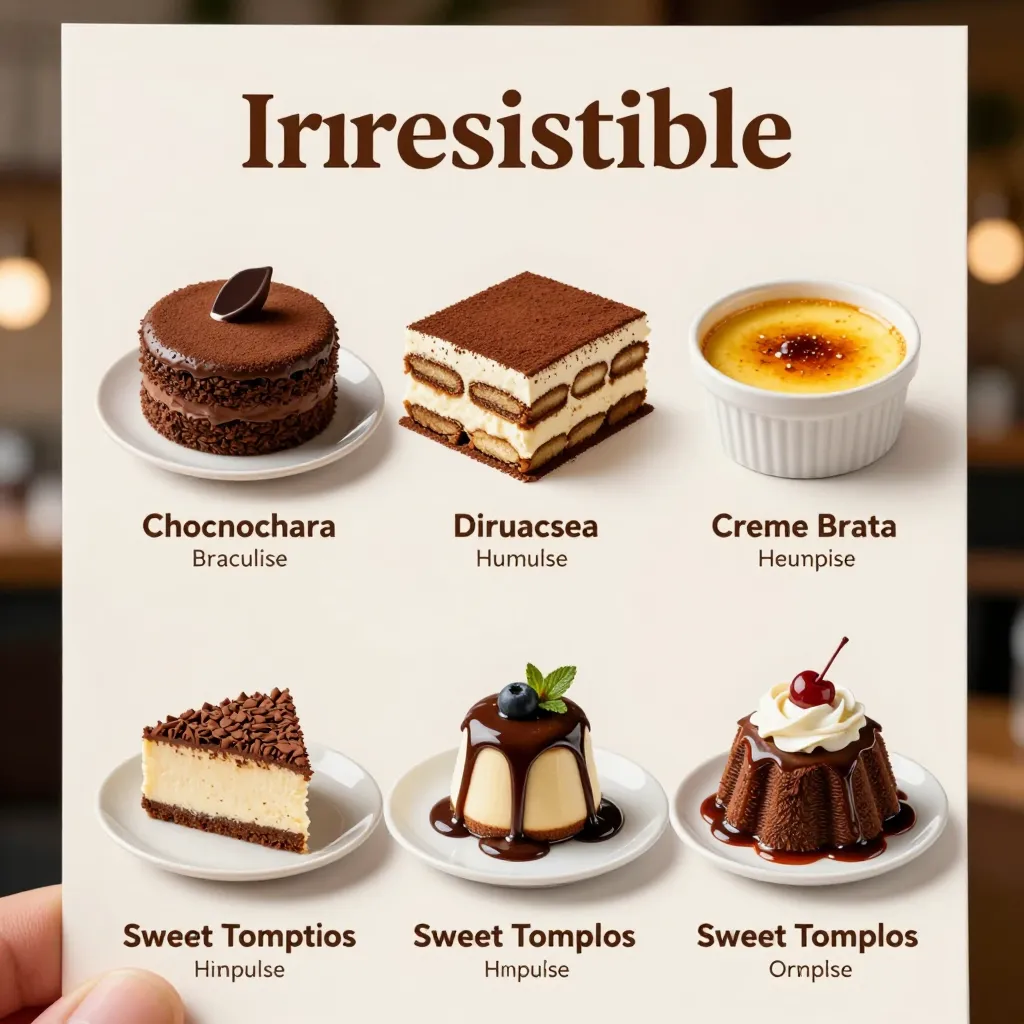
Why Digital Dessert Menus Increase Impulse Orders
Research consistently shows that the average customer spends significantly more time browsing digital menus compared to physical ones. This extended engagement time is the primary driver behind increased impulse orders. When a guest scans a QR code to view your dessert selection, they are often in a relaxed state, making them more susceptible to suggestion and temptation.
According to industry data, digital menus can increase average order value by up to 30% compared to paper counterparts. This isn't magic; it is the result of removing the friction of flipping through pages and the psychological impact of a well-designed interface. For restaurant owners and cafe managers, leveraging this behavior is essential for boosting profitability without increasing food costs.
The key lies in presentation. A digital dessert menu allows you to curate the experience, highlighting high-margin items and using visual cues that guide the eye toward specific products. Unlike a static paper menu that might have stains or outdated prices, a digital menu is always fresh, accurate, and capable of changing based on stock availability. This dynamic nature encourages guests to try new seasonal treats they might otherwise miss.
Strategic Design Elements That Convert Scrollers into Buyers
To truly drive impulse orders, the design of your digital dessert menu must be intentional. It needs to do more than just list ingredients; it needs to tell a story that makes the guest hungry for sweets. Here are specific design elements that convert casual browsers into paying customers.
- High-Quality, Authentic Imagery: Avoid generic stock photos. Use real photos of your desserts taken with natural light. Show the texture of the chocolate ganache, the fluffiness of a macaron, or the crispness of a tart shell. When customers can see the quality, they trust the product and are more likely to order it.
- Strategic Placement of High-Margin Items: Just like in physical menu engineering, the most profitable desserts should not always be the first item. Place your best sellers or highest-margin items in the "golden zone"-typically the top right or bottom right of the screen, where the eye naturally rests. You can also create a dedicated "Chef's Special" section that draws attention to limited-time offers.
- Clear Pricing and Value Propositions: Transparency is crucial. Hidden costs or vague descriptions lead to cart abandonment. Clearly state the price and highlight value, such as "Includes a scoop of vanilla bean ice cream" or "Served with a house-made berry coulis." This adds perceived value and justifies the price point.
- Interactive Customization Options: Allow guests to customize their desserts. For example, let them choose a sauce, a topping, or a dietary modification. This level of control increases the likelihood of an order because the guest feels they are getting exactly what they want, reducing the fear of an unsatisfactory experience.
By implementing these design strategies, you transform a simple list of items into an engaging shopping experience that actively encourages guests to add a dessert to their order.
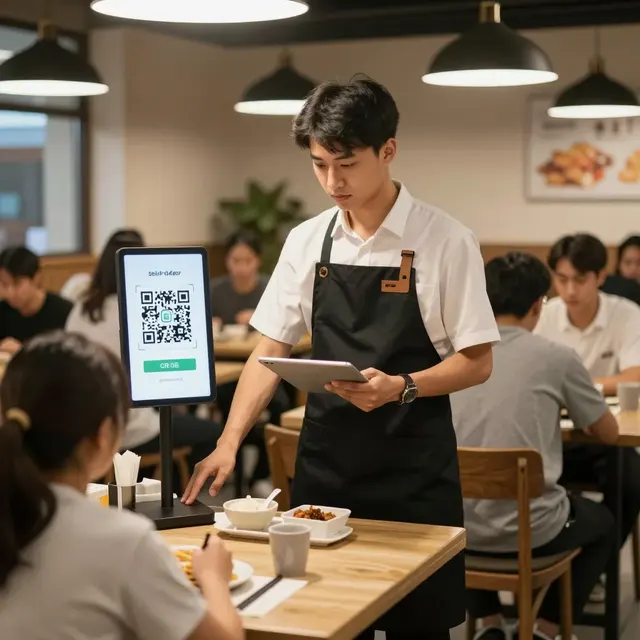
Leveraging Transparency to Build Trust and Reduce Hesitation
One of the biggest barriers to impulse buying is hesitation. A customer might see a delicious-looking cake but pause to wonder about hidden sugars, allergens, or the origin of the ingredients. This hesitation can lead to them skipping the dessert entirely or ordering a safe, boring option like a plain cookie.
upQR's platform excels in this area by providing full transparency. You can clearly list ingredients, allergens, and sourcing information for every single item. For example, instead of just saying "Chocolate Cake," you can specify "Made with 70% single-origin dark chocolate and free from gluten." This honesty builds immense trust with your customers.
When guests know exactly what they are eating, they feel confident making choices that align with their dietary needs or ethical values. This confidence removes the mental barrier to purchase. If a guest is vegan, they can quickly find a dessert that fits their lifestyle without fear of cross-contamination or hidden dairy. This inclusivity ensures that every guest feels welcome and empowered to order, regardless of their specific requirements.
Furthermore, transparency regarding pricing eliminates the fear of being overcharged. In an era where consumers are increasingly price-sensitive and value honesty, a clear, upfront price structure signals integrity. This psychological safety net allows guests to indulge without guilt or suspicion, leading to higher conversion rates on your premium dessert items.
Creating Universal Access to Expand Your Customer Base
A digital dessert menu is not just a tool for existing customers; it is a gateway to a more diverse and inclusive clientele. By ensuring your menu is accessible to everyone, you remove barriers that often prevent certain groups from enjoying your establishment.
Consider the guest who speaks a different language. With upQR, you can easily switch menu languages or provide translations, ensuring that non-native speakers can understand the dessert descriptions and prices instantly. This eliminates the confusion that often accompanies paper menus with small, blurry text or foreign terms that a guest doesn't recognize.
Accessibility also extends to guests with visual or motor impairments. A well-coded digital menu can be read by screen readers, allowing visually impaired guests to navigate your dessert selection independently. Similarly, large text options can be enabled for guests with low vision. By prioritizing universal access, you demonstrate a commitment to hospitality that goes beyond the food itself. This reputation for inclusivity can be a powerful differentiator in a competitive market, attracting customers who value social responsibility.
Moreover, universal access means that dietary restrictions are handled with ease. Whether a guest is diabetic, allergic to nuts, or following a keto diet, a transparent digital menu allows them to scan, filter, and find options that work for them. This ability to cater to a wide range of needs without compromising on quality or taste ensures that your dessert program appeals to a much broader demographic than a standard paper menu ever could.
Utilizing Data and Seasonal Trends to Optimize Your Offerings
One of the most significant advantages of a digital menu is the ability to gather data on customer behavior. With platforms like upQR, you can track which desserts are viewed most frequently, which items are ordered the most, and at what times of the day sales peak. This data is invaluable for refining your menu strategy.
For instance, you might discover that your fruit tarts sell out by 2 PM, while your brownies are the go-to late-night treat. Armed with this insight, you can adjust your inventory levels, change the order timing for your kitchen staff, or even tweak the descriptions to highlight the best-sellers during slower periods. You can also run A/B tests on different menu layouts or descriptions to see which ones yield higher conversion rates.
Seasonality is another powerful lever. Digital menus make it incredibly easy to update your offerings in real-time. When summer arrives, you can instantly swap heavy cakes for refreshing sorbets and fruit salads. In the winter, you can introduce warm, comforting options like hot chocolate soufflés or spiced pumpkin tarts. This agility keeps your menu feeling fresh and relevant, encouraging guests to return for new experiences throughout the year.
Additionally, you can use data to identify gaps in your menu. If customers frequently search for a specific type of dessert but you don't offer it, this is a clear signal to introduce a new item. By listening to the data and adapting quickly, you ensure that your dessert program remains dynamic and responsive to the evolving tastes of your guests.
Conclusion
Creating a digital dessert menu that drives impulse orders is about more than just listing items; it is about crafting an experience that engages, informs, and invites every guest to indulge. By combining strategic design, radical transparency, and universal access, you create a platform that not only boosts sales but also strengthens the relationship between your restaurant and its customers.
At upQR, we believe that technology should serve the customer, not complicate their experience. Our platform empowers you to build a menu that is honest, inclusive, and visually stunning, turning every QR scan into an opportunity for delight. Whether you are a bustling cafe or a fine dining restaurant, adopting a digital dessert menu is a strategic move that aligns with modern consumer values and drives tangible results. Start transforming your dessert sales today with a system that values honesty, sustainability, and accessibility.
Related Posts
Ready to create your digital menu?
Create your QR menu in minutes and reach your customers in any language.