
Designing a Thai Digital Menu for Success
Learn how to create an effective digital Thai restaurant menu that boosts orders, reduces waste, and enhances the customer dining experience.
Why a Digital Menu is Essential for Modern Thai Restaurants
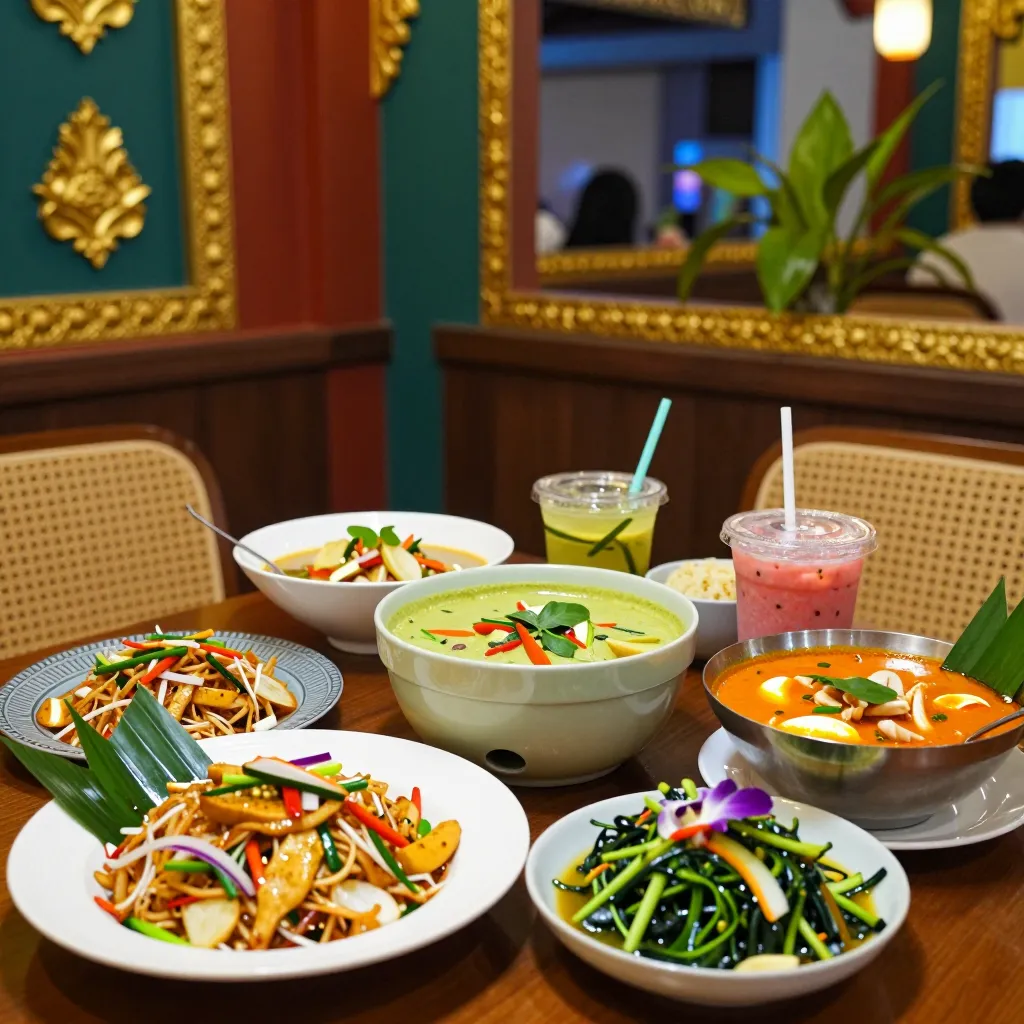
Transitioning from a traditional paper menu to a digital format is no longer just a trend; it is a strategic necessity for Thai restaurants aiming to thrive in the modern landscape. The shift to digital menus addresses three critical pain points: operational efficiency, sustainability, and customer accessibility. By eliminating the need for reprinting menus, restaurants can save thousands of dollars annually and significantly reduce their carbon footprint, aligning with the growing consumer demand for eco-friendly dining options.
For Thai cuisine specifically, where ingredients can be seasonal and prices fluctuate, a digital menu offers the agility to update items in real-time. Whether a specific spice blend is out of stock or a dish needs to be temporarily removed due to a shortage of galangal, the change is instant. This transparency builds trust with your customers, who appreciate knowing exactly what they are ordering without the confusion of a printed list that might be months old.
Furthermore, digital menus provide a universal language of food. Many Thai dishes contain complex spice levels and specific allergens. A digital format allows you to use icons, color-coding, and detailed descriptions to clearly communicate these details, ensuring that customers with dietary restrictions or language barriers can navigate the menu with confidence. This inclusivity not only broadens your customer base but also enhances the overall dining experience by removing the anxiety of making a safe choice.
Structuring Your Digital Menu for Optimal Conversion
The layout of your digital menu is just as important as the food you serve. A cluttered or confusing interface can lead to cart abandonment, just as a messy physical table can deter a diner. When designing your digital Thai menu, prioritize clarity and navigation. Start with a clean, mobile-responsive design that loads quickly on smartphones, as the majority of your customers will likely scan a QR code from their mobile device.
Organize your dishes into logical categories that reflect the traditional Thai dining structure. Begin with "Starters & Appetizers" featuring spring rolls and papaya salad, followed by the heart of the meal: "Curries & Stir-fries." Include a dedicated section for "Rice & Noodles" and finish with "Desserts & Drinks." This flow guides the customer naturally through the meal progression. Crucially, ensure that high-margin items are highlighted subtly but effectively. You can achieve this by placing them at the top of a category or using a gentle visual tag like "Chef's Recommendation" rather than aggressive red circles, which can feel deceptive.
Consider the "deconstructed menu" approach. Instead of listing every variation of a Pad Thai, group them logically. For example, under "Pad Thai," you can offer options for shrimp, chicken, or tofu, allowing the customer to customize their order immediately. This reduces the cognitive load on the customer and speeds up the ordering process. Remember, the goal is to make the customer feel like an expert in Thai cuisine, not overwhelmed by a wall of text. Use high-quality, appetizing photos for signature dishes, but keep them authentic. Avoid over-editing images that make the food look unrecognizable, as this violates the principle of honest representation.
Mastering the Art of Descriptive Thai Cuisine
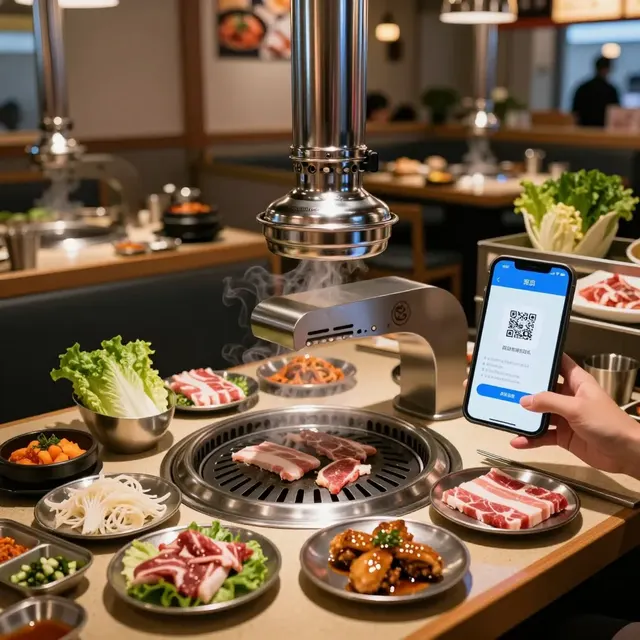
Words are your most powerful tool in a digital menu. In the world of Thai food, descriptions are not just filler; they are essential for managing expectations and enticing taste buds. A simple "Green Curry" is often insufficient. Instead, describe the flavor profile: "Spicy Green Curry with tender chicken, bamboo shoots, Thai basil, and a rich coconut milk base." This level of detail helps customers visualize the taste and texture, increasing the likelihood of them ordering the dish.
Transparency is key to building a loyal customer base. Thai cuisine is known for its heat and spice, but not everyone has the same tolerance. Clearly define your spice levels using a standardized scale, such as "Mild (1/5), Medium (2/5), and Spicy (4/5)." You can even add a note explaining that the spice level is subjective and that the kitchen can adjust the heat upon request. This honesty prevents the unpleasant surprise of a dish that is too hot for a guest, turning a potential complaint into a positive interaction where the staff demonstrates care for their customer's comfort.
Allergen information must be front and center. Many Thai dishes contain shrimp paste, fish sauce, or peanuts, which are common allergens. In a digital format, you can use bold text or a dedicated icon next to ingredients like "Contains Shrimp" or "Contains Peanuts." This proactive approach to safety is not only responsible but also legally prudent in many jurisdictions. By clearly stating ingredients, you empower customers to make informed decisions, reinforcing the value of an open and honest dining environment.
Optimizing for Mobile and Accessibility
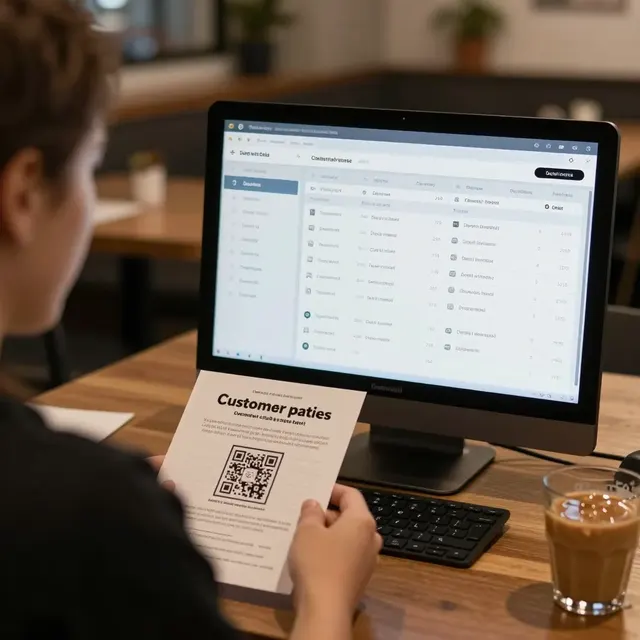
Most customers will access your digital menu via a smartphone, often while standing or sitting on the edge of their seat. Therefore, mobile optimization is non-negotiable. Ensure that your text is large enough to read without zooming, and that buttons are easy to tap with a thumb. A responsive design that adjusts to different screen sizes is vital. Test your menu on various devices, from older iPhones to Android tablets, to ensure a seamless experience for all your patrons.
Accessibility extends beyond mobile compatibility. It involves ensuring that your menu is usable by people with visual impairments. While full screen readers are complex to implement for simple QR menus, using semantic HTML and clear contrast between text and background colors is a good first step. Avoid using colors to convey information alone; for instance, do not just use red to indicate a spicy dish without text confirmation, as color blindness is common. Instead, combine text labels with icons to convey meaning universally.
Language accessibility is another pillar of a successful Thai restaurant digital menu. While the primary menu might be in English, consider offering a toggle for Thai or other common languages spoken in your area. Even if the full translation is not available, providing key terms or a bilingual option shows respect for the diverse community you serve. This inclusivity ensures that tourists, expats, and local residents alike can enjoy your food without language barriers hindering their experience.
Integrating Technology for Seamless Operations
Choosing the right platform is the backbone of your digital menu strategy. Platforms like upQR offer robust solutions that integrate directly with your Point of Sale (POS) system. This integration is crucial for inventory management. When a customer orders a dish that is out of stock, the system can automatically disable that item or flag it for the kitchen, preventing errors and wasted food. This automation reduces the workload on your staff, allowing them to focus on hospitality rather than manual data entry.
Analytics provided by digital menu platforms can offer deep insights into your business performance. You can track which dishes are the most popular, what times of day drive the most orders, and how often customers customize their meals. This data is invaluable for menu engineering. If a particular curry is consistently ordered with a specific vegetable addition, you might consider adding it as a standard option to streamline the kitchen process. Conversely, if an item has low conversion rates, you can analyze the description or price to see if adjustments are needed.
Marketing integration is another benefit of a comprehensive digital menu system. You can easily push updates to customers via SMS or email when new seasonal items are added or when there are special promotions. For example, announce a "Loy Krathong Festival Special" or a limited-time offer on冬阴功 (Tom Yum) to create a sense of urgency. This dynamic capability keeps your brand top-of-mind and drives repeat visits, fostering a stronger relationship between your restaurant and your community.
Conclusion
Designing a digital menu for a Thai restaurant is about more than just replacing paper with a screen; it is about enhancing the entire dining journey. By focusing on sustainability, transparency, and accessibility, you create a dining experience that honors the rich heritage of Thai cuisine while embracing modern technology. The right digital platform empowers you to be agile, honest, and inclusive, ensuring that every customer feels welcome and informed.
At upQR, we believe that technology should serve the food, not overshadow it. Our platform is built on the core values of environmental consciousness and radical honesty, ensuring that every digital menu reflects the true quality of your kitchen. Whether you are a bustling street food stall or an upscale bistro, upQR provides the tools to manage your menu with ease, track your success, and deliver an unforgettable dining experience. Embrace the digital shift today and watch your Thai restaurant flourish in the modern era.
Related Posts

Ready to create your digital menu?
Create your QR menu in minutes and reach your customers in any language.