
Securing Your Digital Menu: A Guide for Restaurant Owners
Learn how to protect your QR menu system from cyber threats, ensure customer data safety, and maintain trust with practical security tips.
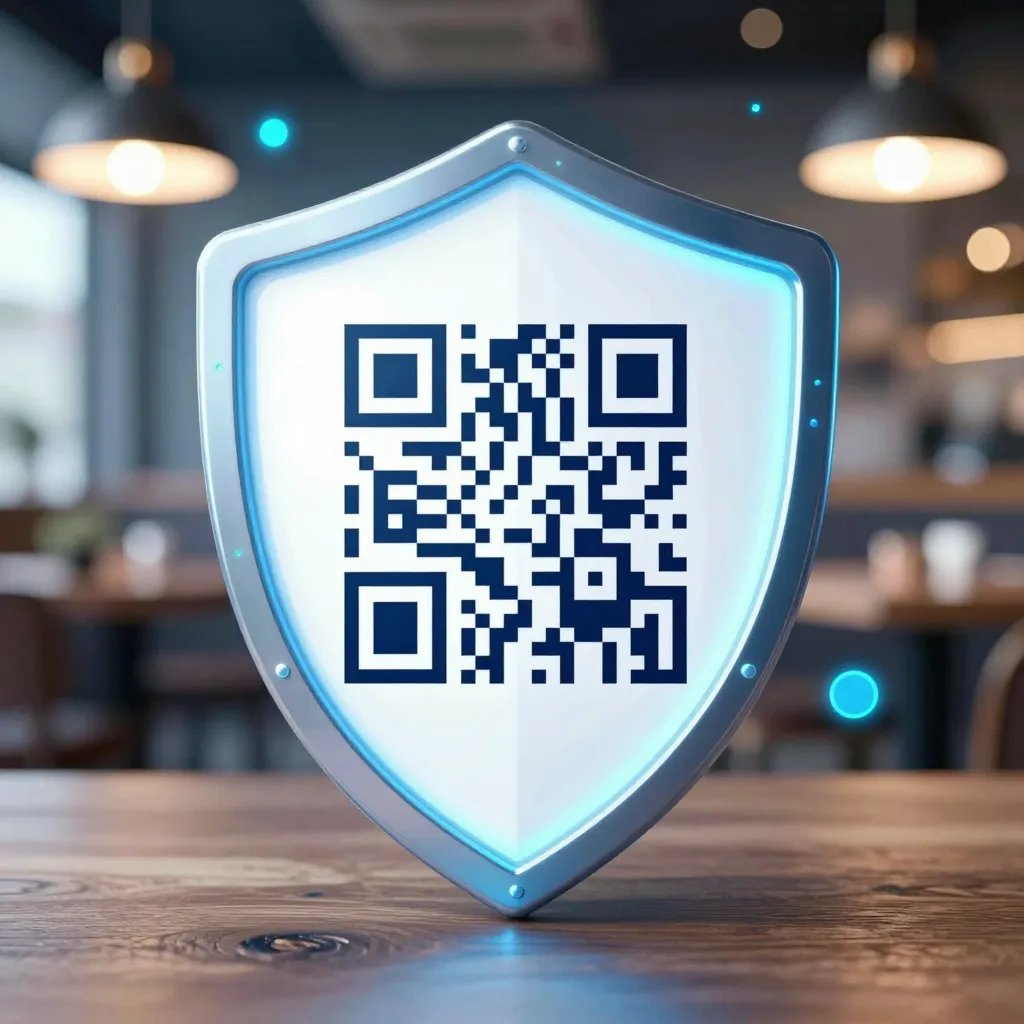
Why Digital Menus Are a Double-Edged Sword
The shift from paper to digital menus has revolutionized the dining experience, offering sustainability benefits and operational efficiency. However, this transition introduces a new layer of complexity: cybersecurity. When a customer scans a QR code to view your menu, they are essentially connecting their personal device to your restaurant's digital ecosystem. If this connection is not secure, it opens the door to data breaches, ransomware attacks, and reputational damage.
According to recent industry reports, the average cost of a data breach in the food and beverage sector is significantly lower than in finance, yet the impact on a local business can be devastating. A single successful attack can lead to the loss of customer payment information, personal details, and even control over your online ordering system. The primary risk often lies not with the restaurant's internal servers, but with the third-party cloud services and APIs that power the QR menu interface.
It is crucial to understand that every digital menu is a potential entry point for attackers. Hackers do not always target large corporations; they often look for smaller businesses with weaker security postures. By neglecting the security of your QR menu, you risk becoming the next victim in a chain of compromised systems. Therefore, integrating robust cybersecurity practices into your digital strategy is not just a technical necessity; it is a fundamental part of your brand's promise to serve customers honestly and safely.
The Hidden Risks of Unsecured QR Codes
Many restaurant owners assume that a QR code is just a static image on a wall, but the reality is far more intricate. The security of your digital menu depends entirely on how that QR code is generated, hosted, and managed. An unsecured QR code can redirect users to a phishing site that mimics your menu, stealing credit card numbers or login credentials before the customer even realizes they are not on your legitimate platform.
One common vulnerability is the lack of SSL/TLS encryption on the website hosted by the QR code. If a user scans a code and lands on a site with an insecure connection, any data entered-such as order details or payment information-can be intercepted by malicious actors on the same network. This is particularly dangerous in public Wi-Fi environments, where attackers can easily sniff traffic. Furthermore, if the QR menu provider stores customer data in a non-compliant manner, you could be held liable for their negligence under data protection laws like GDPR or CCPA.
Another subtle risk is the use of dynamic QR codes that can be changed by the attacker if the underlying URL is compromised. If a hacker gains access to your menu management account, they could update the QR code to point to a malicious site or alter menu prices and descriptions in real-time, causing financial loss and customer confusion. This highlights the importance of using a platform that offers domain locking and versioning features, ensuring that once a QR code is printed, it cannot be easily hijacked.
Real-world examples abound of restaurants falling victim to these vulnerabilities. In one notable incident, a popular cafe chain had its QR menu hijacked, leading to a site that displayed fake menu items and attempted to collect payments to a fraudulent account. The attackers exploited a weak password on the admin panel. This underscores the need for strong authentication protocols and regular security audits. By ignoring these risks, restaurant owners are effectively inviting theft and fraud into their establishments.
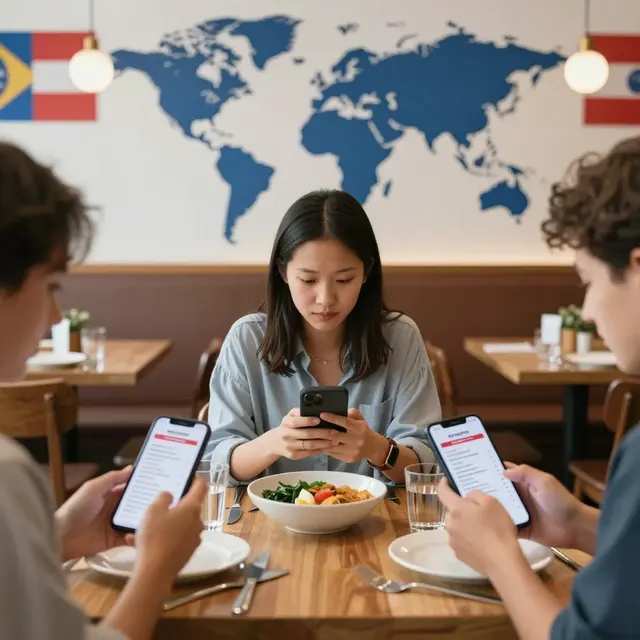
Essential Security Practices for Your Digital Menu
Protecting your QR menu system requires a proactive approach that involves both technical measures and operational habits. The first line of defense is choosing a reputable platform that prioritizes security. Look for solutions that automatically enforce HTTPS encryption, store data in secure, compliant databases, and offer two-factor authentication (2FA) for all admin accounts. upQR, for instance, is built with these principles in mind, ensuring that every interaction is transparent and secure.
Implementing 2FA is non-negotiable. Even if a hacker manages to guess your password or phish your credentials, they will not be able to access your menu management system without the second verification step. Additionally, regularly update your QR code settings. Avoid using static QR codes that link directly to a specific URL; instead, use dynamic codes that allow you to change the destination without reprinting the code. This adds a layer of flexibility and control.
Another critical practice is to limit the data you collect. The principle of data minimization suggests that you should only gather information necessary for the transaction. If your QR menu does not need to store a customer's phone number or address, do not ask for it. The less data you hold, the less attractive your system becomes to hackers. Furthermore, educate your staff on recognizing phishing attempts. Employees should never share login credentials or click on suspicious links sent via email, as these are common vectors for account takeovers.
Regularly audit your QR menu settings. Check for any unauthorized changes to the menu, pricing, or promotional banners. Set up alerts for any login attempts from new devices or locations. These simple steps can prevent a majority of potential security incidents. Remember, security is not a one-time setup but an ongoing process. As technology evolves, so do the tactics of attackers. Staying vigilant and informed is the best way to keep your digital menu safe.
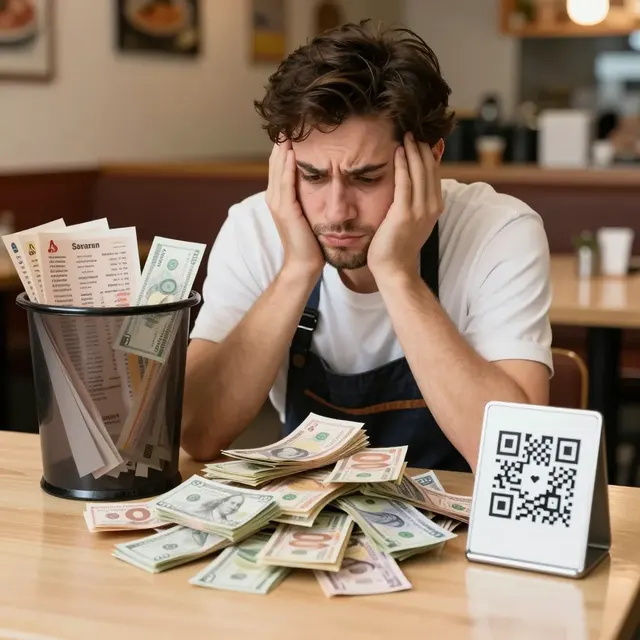
Building Trust Through Transparency and Honesty
Cybersecurity is not just about protecting data; it is about building trust with your customers. In an era where food safety scandals and privacy breaches are frequent news, consumers are more aware than ever of what they are ordering-both literally and digitally. When a restaurant takes visible steps to secure its digital menu, it sends a powerful message: we care about your safety and your peace of mind.
Transparency is a core value of upQR. We believe that customers deserve to know exactly what they are getting, free from hidden fees or deceptive practices. This same ethos applies to cybersecurity. If a security incident occurs, being honest and transparent about it, while taking immediate action to resolve it, can actually enhance customer loyalty. Conversely, hiding a breach or failing to respond promptly can destroy a brand's reputation overnight.
Consider adding a small badge or note on your QR menu page that indicates your commitment to security. Phrases like "Your data is protected by industry-leading encryption" or "We use secure payment gateways" can reassure customers. While this may seem minor, it contributes to a culture of honesty and integrity. It aligns with your mission to provide accurate information and a reliable experience, reinforcing the idea that your digital presence is as safe as your physical kitchen.
Moreover, a secure digital menu enhances the overall dining experience. When customers feel safe, they are more likely to order confidently, share their experience on social media, and return for future visits. Security becomes a competitive advantage. In a crowded market, the restaurant that demonstrates a commitment to protecting its patrons will stand out. This is especially true for cafes and restaurants that serve vulnerable populations or cater to families who prioritize safety above all else.
Preparing for the Future of Food Service Technology
As the food service industry continues to digitize, the integration of AI, IoT devices, and contactless payments will expand the attack surface for potential threats. Today, a QR menu is the primary digital touchpoint; tomorrow, it could be part of a larger ecosystem that includes smart ordering kiosks, loyalty apps, and integrated inventory systems. To future-proof your business, you must adopt a security-first mindset now.
This means staying informed about emerging threats and adapting your security posture accordingly. Subscribe to industry newsletters, attend webinars on digital safety, and collaborate with your tech provider to stay ahead of the curve. UpQR is committed to evolving its platform to meet these challenges, ensuring that as new technologies emerge, your digital menu remains a fortress, not a front door for attackers.
The journey toward a fully digital restaurant is exciting, but it must be navigated with caution. By prioritizing cybersecurity, you are not just protecting your assets; you are honoring the trust of your customers. Every time a customer scans a QR code, they are entrusting you with their attention and, potentially, their financial information. Treating this responsibility with the utmost seriousness is the hallmark of a professional and ethical business.
Ultimately, the goal is to create a seamless, sustainable, and secure dining experience. Digital menus reduce paper waste, improve accessibility, and streamline operations, but they must be built on a foundation of security. When you choose a solution like upQR, you are choosing a partner that values transparency, honesty, and safety. This alignment of values ensures that your digital transformation is not only efficient but also resilient against the ever-present threat of cybercrime. By taking these steps today, you secure your business for tomorrow.
Related Posts
Ready to create your digital menu?
Create your QR menu in minutes and reach your customers in any language.