
QR Menu Security: Safeguarding Your Restaurant Data
Learn how to protect customer data and prevent scams with our comprehensive guide on QR menu security best practices for restaurant owners.
Why QR Menu Security Matters for Modern Restaurants
In the wake of the global pandemic, the restaurant industry underwent a rapid digital transformation. What started as a temporary necessity to reduce contact has become a permanent fixture of the dining experience. Today, over 60% of restaurant customers expect to access menus via QR codes, and this number is projected to rise as technology becomes more integrated into daily life. However, this convenience comes with significant responsibilities regarding data privacy and cybersecurity.
QR codes are not just digital doorways to a menu; they are gateways to your establishment's digital infrastructure. When a customer scans a code, they are often directed to a website that collects their location, device information, and sometimes payment details. If that code leads to a malicious site or a poorly secured database, the consequences can be severe. From identity theft to reputational damage, the risks are real and growing.
Restaurant owners often assume that because they didn't build the code, it is safe by default. This is a dangerous misconception. A QR code is essentially a static image containing a URL. If that URL is changed to point to a phishing site, the code itself remains safe, but the customer is now in danger. Furthermore, if your digital menu platform is not updated regularly or lacks proper encryption, hackers can intercept data during transmission. Understanding these vulnerabilities is the first step toward building a secure dining environment.
Common Threats Facing Digital Menus
Understanding the specific threats helps in mitigating them. One of the most prevalent issues is the "phishing QR code." Scammers can physically print QR codes that redirect users to fake login pages or malicious websites. These codes might be placed on tables, menus, or even on a restaurant's own door if the original code was compromised. Once a customer scans it, they may be tricked into entering credit card information or personal details on a spoofed site.
Another significant threat is the "broken QR code" or "redirect attack." This occurs when a static QR code points to a URL that has since changed ownership or been hijacked. For example, a code pointing to `restaurant.com/menu` might eventually redirect to `restaurant.com` and then to `malicious-site.com` if the domain is compromised. This is why dynamic QR codes, which allow you to change the destination URL without reprinting the code, are essential for long-term security.
Additionally, there is the risk of unsecured data transmission. If your QR menu platform does not use HTTPS encryption, data sent between the customer's device and your server can be intercepted by third parties. This is particularly risky when handling payment information or collecting customer emails for loyalty programs. Hackers often use man-in-the-middle attacks to steal this sensitive data, leading to financial loss and legal liabilities under regulations like GDPR or CCPA.
- Phishing Attacks: Fake codes directing users to credential-harvesting sites.
- Domain Hijacking: Unauthorized changes to the URL destination of static codes.
- Unencrypted Data: Lack of SSL/TLS certificates exposing data in transit.
- Malware Distribution: Links embedded in QR codes that automatically download malicious software.
It is also worth noting that physical tampering is a real concern. While less common in high-security establishments, public spaces are vulnerable to someone placing a malicious sticker over a legitimate QR code. This is why verifying the URL before scanning is a critical habit for customers, and a security protocol for restaurant owners to educate their staff and guests.
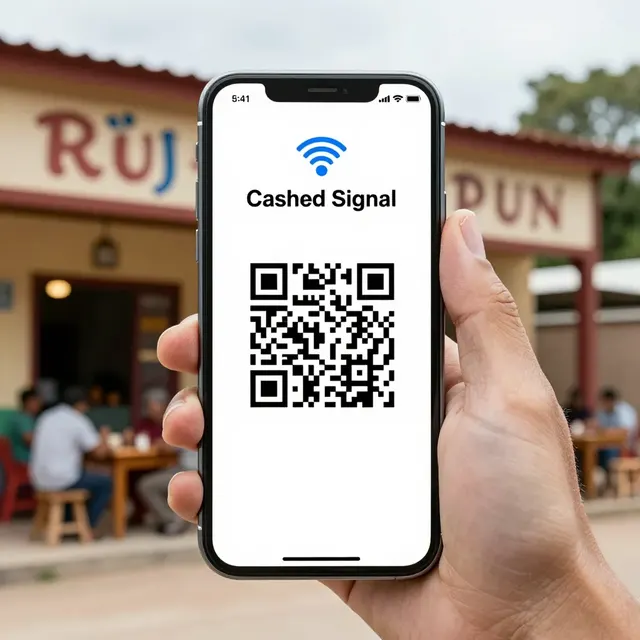
Best Practices for Implementing Secure QR Menus
Protecting your digital menu ecosystem requires a proactive approach. The foundation of this approach is choosing the right technology partner. Platforms like upQR are designed with security as a core feature, offering dynamic QR codes that allow you to update your menu content without changing the code itself. This ensures that even if a code is compromised, you can instantly redirect it to a secure, monitored environment.
Another best practice is to always use HTTPS. Ensure that your QR menu website has a valid SSL certificate. This encrypts the connection between the user's browser and your server, making it difficult for attackers to eavesdrop on data transmission. When selecting a QR menu provider, ask specifically about their security protocols. Do they offer two-factor authentication for your admin panel? Do they automatically update your site to prevent known vulnerabilities?
Education is equally important. Train your staff to verify the authenticity of any QR codes they encounter or are asked to scan. Encourage customers to look for the padlock icon in their browser before entering any personal information. You can also add a small note on your physical menus or at the entrance reminding guests to scan only official codes. This simple step can drastically reduce the risk of phishing attacks.
Regularly audit your QR codes. If you have printed codes for tables, ensure they are not easily removable or replaceable. Consider using tamper-evident stickers or placing codes in recessed areas where they are less likely to be swapped. Additionally, monitor your analytics. If you notice a sudden spike in traffic from unusual locations or devices, it could indicate a compromised code or a phishing attempt targeting your customers.
Implementing a content management system (CMS) that is regularly updated is also crucial. Many QR menu platforms offer easy-to-use interfaces where you can update prices, descriptions, and images instantly. However, ensure that the platform you choose has a clean codebase and does not introduce unnecessary third-party scripts that could be exploited. Simplicity and transparency in your menu design often go hand-in-hand with better security.
The Role of Data Privacy Regulations
Restaurant owners must be aware that collecting customer data through QR menus subjects them to strict legal obligations. Regulations like the General Data Protection Regulation (GDPR) in Europe and the California Consumer Privacy Act (CCPA) in the US require businesses to protect personal data and inform users about how it is collected and used. A data breach resulting from a insecure QR menu can lead to hefty fines and loss of customer trust.
When you use a service like upQR, you benefit from compliance features built into the platform. These services typically adhere to international security standards, ensuring that customer data is stored on secure servers and processed in accordance with privacy laws. They also provide transparency, allowing you to easily inform customers about data collection practices through privacy policies displayed on the menu page.
Transparency builds trust. Clearly state on your QR menu page what data you are collecting and why. For example, explain that you collect email addresses only for loyalty program notifications and that payment information is processed via a secure third-party gateway. Avoid asking for unnecessary personal information. The less data you collect, the lower the risk of a breach affecting your business.
Furthermore, have a plan for data breaches. Even with the best security measures, no system is impenetrable. Your QR menu provider should have a clear incident response plan. If a breach occurs, they must notify you immediately so you can inform your customers and take necessary steps to mitigate damage. Regular backups and disaster recovery plans are also essential components of a robust security strategy.
Future-Proofing Your Digital Dining Experience
As technology evolves, so do the threats. Artificial intelligence and machine learning are being used by cybercriminals to create more sophisticated phishing campaigns. This means that restaurant owners must stay vigilant and adopt a mindset of continuous improvement. Security is not a one-time setup but an ongoing process of monitoring, updating, and adapting.
The future of QR menus lies in seamless integration with other digital tools. Imagine a menu that not only displays food items but also integrates with inventory management systems to update stock levels in real-time. It could even connect with customer loyalty apps to offer personalized discounts. However, with increased connectivity comes increased risk. Ensuring that these integrations are secure and that data flows safely between systems is paramount.
Investing in security now pays dividends in the long run. A secure QR menu system enhances your brand reputation. Customers are more likely to return to a restaurant that demonstrates a commitment to their privacy and safety. In an era where data breaches are in the news daily, being a leader in digital security can be a competitive advantage. It shows that you care not just about the food, but about the people who enjoy it.
Don't let security concerns hold you back from embracing digital innovation. With the right tools and practices, you can offer a convenient, secure, and delightful dining experience. Platforms like upQR provide the infrastructure needed to navigate this landscape confidently, giving you peace of mind and allowing you to focus on what matters most: serving exceptional food and memorable experiences.

Related Posts
Ready to create your digital menu?
Create your QR menu in minutes and reach your customers in any language.