
Food Cost Management: Digital Menus Help Control Expenses
Learn how digital QR menus reduce waste, streamline ordering, and lower food costs for restaurants. Discover practical strategies to boost profitability today.
Understanding the Hidden Costs of Traditional Menus
Many restaurant owners focus heavily on sales volume but overlook how their physical menus directly impact their bottom line. A printed menu is not just a list of items; it is a static document that often leads to significant inefficiencies. When a menu is printed, updated, and distributed, it creates a lag time between a kitchen decision and a customer's ability to order that item. If a supplier raises the price of beef, the owner must reprint hundreds or thousands of menus to reflect the new cost. This delay often means the restaurant continues to sell the item at the old price, absorbing the loss, or raises prices immediately, risking customer churn.
Furthermore, the physical waste associated with traditional menus is substantial. Restaurants print new versions frequently due to seasonal changes, price adjustments, or promotional offers. Industry data suggests that the average restaurant owner spends a significant portion of their budget on printing materials that end up in the trash within weeks. This is not just an environmental concern; it is a direct hit to the food and beverage cost percentage. By the time a menu is printed, the paper, ink, and labor costs have already been incurred, adding a fixed overhead that digital solutions eliminate entirely.
How Digital Menus Optimize Pricing and Margins
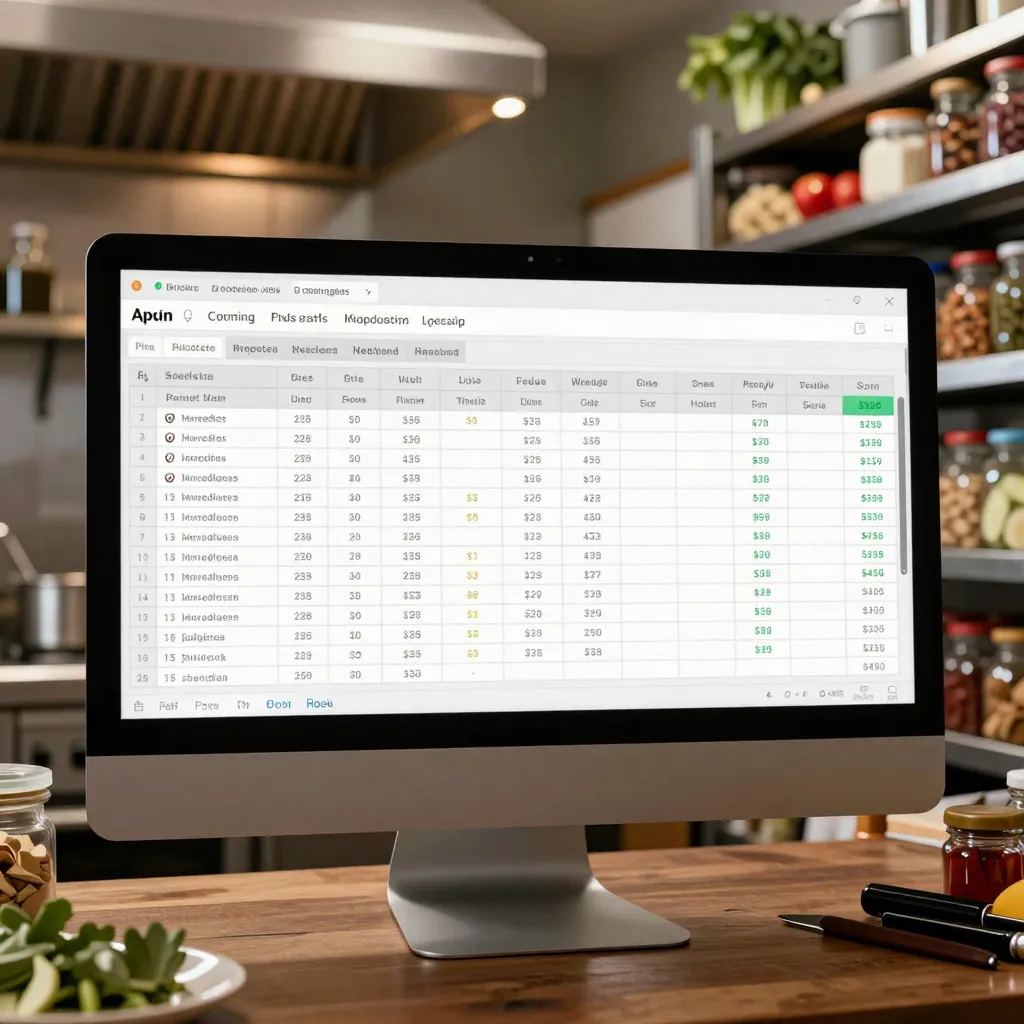
The primary advantage of a digital QR menu platform like upQR is the ability to update pricing in real-time. Imagine a scenario where the cost of a specific vegetable spikes due to a supply chain issue. With a printed menu, this change might take three days to implement, during which the restaurant loses margin on every plate served. With a digital menu, the owner can log into their dashboard and adjust the price of that specific dish instantly. This ensures that the menu price always reflects the current cost of goods sold (COGS), protecting the restaurant's profit margin without needing to alter the customer experience.
Another powerful feature is dynamic pricing based on inventory levels. If a restaurant has a surplus of fresh salmon, they can temporarily feature it as a "Chef's Special" at a discounted price to move inventory before it spoils. Conversely, if an item is running low, they can increase the price slightly or remove it from the digital display immediately to prevent waste. This level of agility allows for a pricing strategy that is reactive and profitable, something impossible with static paper menus. Studies in the hospitality sector show that restaurants utilizing dynamic pricing strategies can improve their overall food cost percentage by 2-4% simply by reducing waste and optimizing sales mix.

Reducing Waste Through Accurate Portion Control
One of the silent killers of restaurant profitability is food waste. In a traditional setup, waitstaff must manually read the menu to take orders. Human error occurs when an item is marked "out of stock" on the paper but is still available in the kitchen, or vice versa. This leads to customers ordering items that cannot be prepared, resulting in wasted ingredients. Additionally, if a menu item is difficult to read or poorly designed, customers may order less frequently, leading to over-preparation of that specific dish to ensure availability.
Digital menus solve this through precise inventory integration. When a kitchen manager marks an item as "unavailable" in the upQR system, that status instantly appears on the customer's phone screen. This prevents the kitchen from starting to prepare a dish that will never be sold. Over time, this simple action can save thousands of dollars in wasted ingredients. Moreover, digital menus can highlight specific dishes that are in season or use excess inventory, guiding customers toward items that are cheaper to produce but equally delicious. This nudges the customer toward lower-cost ingredients without them realizing it, effectively increasing the perceived value while lowering the actual cost of goods sold.
Streamlining Operations to Lower Labor Costs
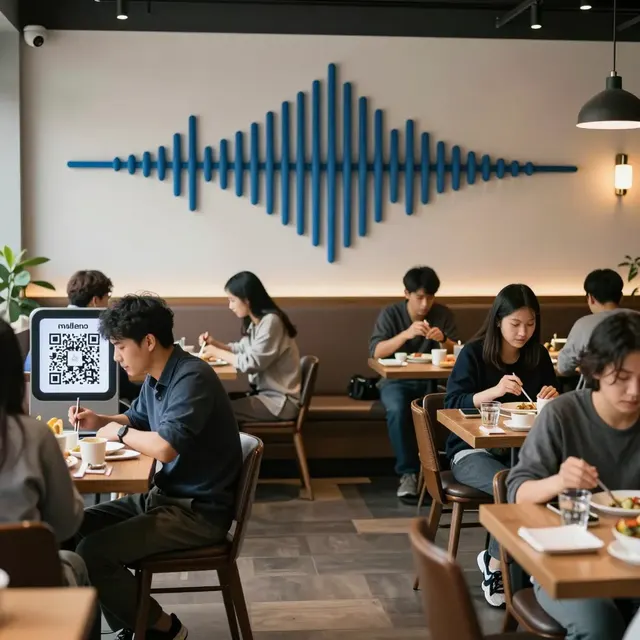
Food cost management is not just about ingredients; it is also about the labor required to manage the menu. Every time a menu needs updating, staff must physically go to the printer, cut, fold, and distribute new pages. This takes time away from customer service and food preparation. With a digital QR menu, the entire team can access the latest menu from any device. If a promotion is launched, the manager updates it once, and every table in the restaurant sees the change immediately. This efficiency reduces the labor hours spent on administrative tasks, allowing staff to focus on what they do best: serving guests.
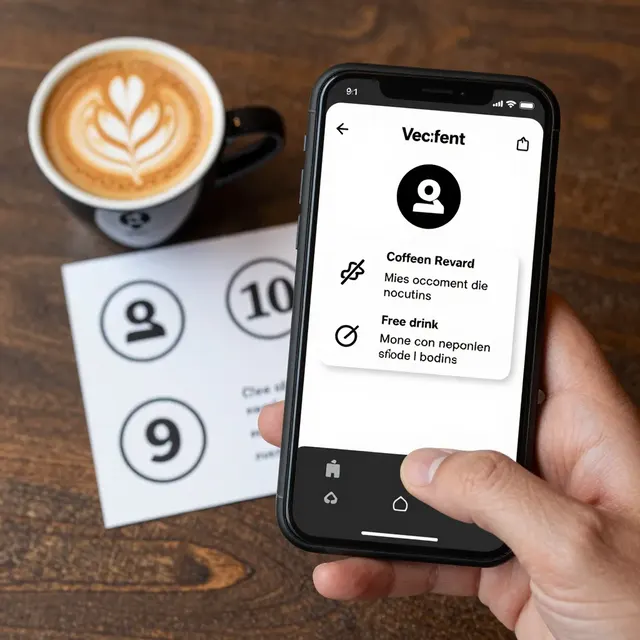
Furthermore, digital menus can integrate with loyalty programs and special offers directly on the screen. This reduces the need for staff to manually explain promotions or hand out flyers, which often end up in the trash. By digitizing the promotional content, the restaurant ensures that marketing materials are 100% effective and zero-waste. The cumulative effect of these operational efficiencies often results in a measurable reduction in labor costs, which indirectly improves the overall profitability of the food and beverage operation.
Enhancing Customer Experience to Drive Higher Check Averages
While cost control is critical, ignoring the customer experience can lead to a decline in revenue that outweighs any savings from cheaper ingredients. Digital menus offer an interactive experience that encourages customers to order more. Features like high-resolution images, detailed ingredient lists, and nutritional information help customers make informed decisions, often leading to higher confidence in their orders. When customers are confident in their choices, they are less likely to return items or request modifications, which streamlines kitchen workflow and reduces waste.
Additionally, digital menus can upsell effectively. By placing a "pairing suggestion" button next to a steak, the system can suggest a specific wine or side dish, increasing the average check size. This is achieved without the pressure of a salesperson, making the experience feel natural. The data collected from these interactions also provides insights into customer preferences. If a digital menu shows that customers frequently click on a new appetizer, the restaurant can adjust their purchasing strategy to stock more of that item, ensuring they are buying what sells. This data-driven approach to menu engineering is a hallmark of successful digital transformation in the restaurant industry.
Implementing a Digital Strategy for Long-Term Growth
To fully leverage the benefits of digital menus for cost control, restaurant owners must adopt a strategic approach. Start by auditing your current menu engineering. Identify which items have high food costs but low popularity and consider removing or replacing them. Then, transition to a digital platform that offers robust inventory management features. Train your staff not just on how to use the QR codes, but on how to interpret the data provided by the platform. Use the insights to refine your purchasing orders, ensuring you buy only what is needed for the projected sales volume based on your digital menu analytics.
As you implement these changes, monitor your key performance indicators (KPIs) closely. Track your food cost percentage before and after the switch to a digital menu. Look for reductions in waste, decreases in printing costs, and improvements in labor efficiency. Remember that the goal is not just to cut costs, but to optimize the entire business model. A digital menu is a foundational tool that supports sustainable growth, allowing restaurants to adapt quickly to market changes while maintaining high standards of quality and service. By embracing technology, restaurant owners can secure their financial future and build a resilient business capable of thriving in a competitive landscape.
Related Posts
Ready to create your digital menu?
Create your QR menu in minutes and reach your customers in any language.