
Mastering Digital Tapas: Create a Sharing-Focused Menu
Transform your small plates strategy with a digital menu that highlights sharing, transparency, and sustainability for modern diners.
Why Tapas and Small Plates Demand a Digital Approach
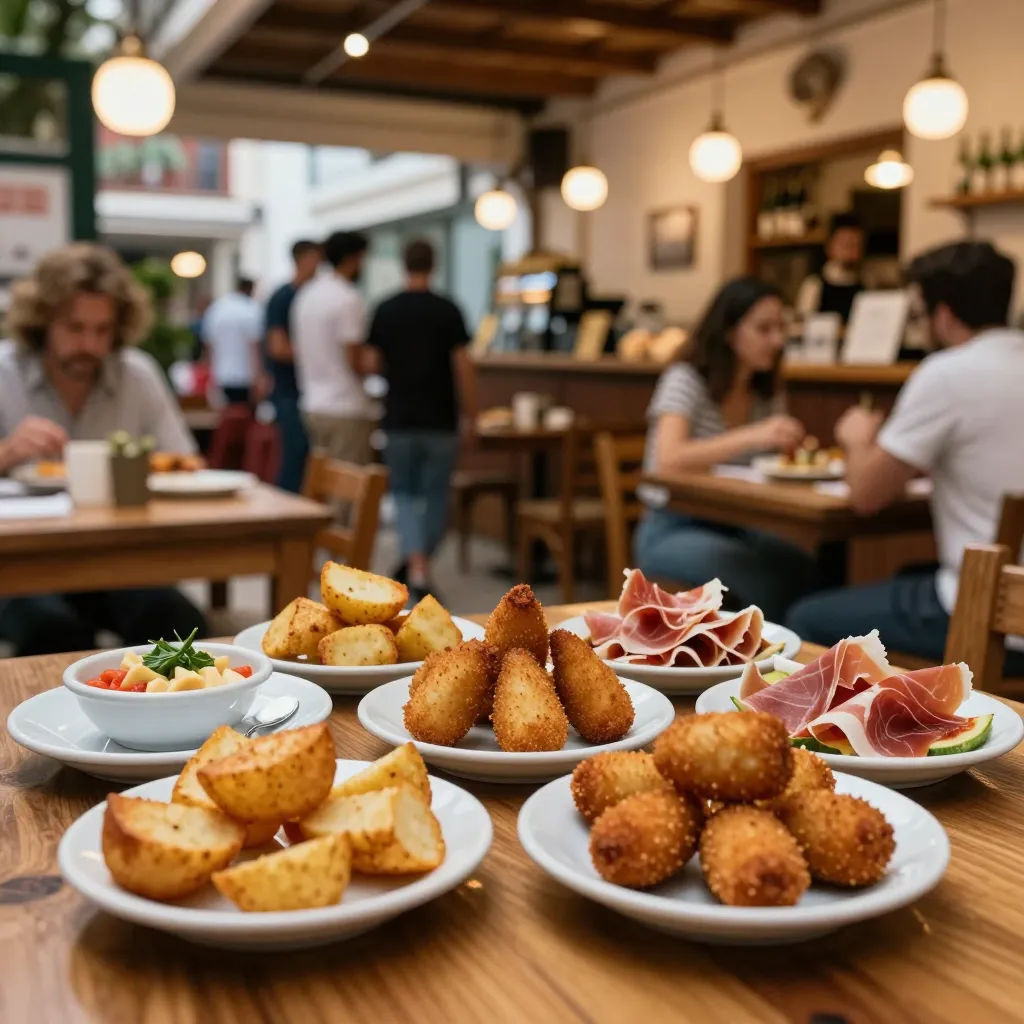
The rise of the "small plate" dining culture has fundamentally changed how restaurants operate and how diners interact with food. Originating from the Spanish tradition of tapas, this style of dining encourages guests to order multiple small portions meant to be shared among friends and family. However, this sharing dynamic presents unique challenges for traditional paper menus. A physical sheet of paper cannot easily accommodate the dynamic nature of sharing, where dishes are ordered in combinations that vary wildly between tables. This is where a digital menu becomes not just a convenience, but a strategic necessity.
According to recent industry data, the global small plates market is projected to grow significantly as consumers seek more interactive and communal dining experiences. Yet, many restaurants struggle to manage the complexity of these orders. Paper menus often lead to confusion about portion sizes, leading to waste when guests order too much or too little to share. A digital platform solves this by offering dynamic customization. You can easily adjust portion sizes, suggest combinations, and even create "share sets" that automatically bundle items for a group. This flexibility ensures that every guest feels confident in their order, knowing exactly what they are getting before it arrives at the table.
Furthermore, the environmental impact of serving tapas is significant. Tapas menus are typically extensive, featuring a wide variety of ingredients and proteins. Printing a new menu every time you add a seasonal item or run out of a specific cheese contributes to unnecessary paper waste. By transitioning to a digital format, you align your business with sustainability goals, reducing the carbon footprint associated with menu production. This transparency resonates deeply with modern diners who are increasingly conscious of the environmental cost of their food choices. When guests see that your restaurant is committed to reducing waste, it builds trust and loyalty, turning a simple menu update into a powerful brand statement.
Designing for the "Sharing Experience" on Screen
Creating a digital tapas menu requires a design philosophy that differs from a standard à la carte list. The goal is to facilitate conversation and communal eating. When designing your digital interface, prioritize visual cues that encourage sharing. Use high-quality photography that shows food being passed around a table or served in communal bowls. These images should be accompanied by clear descriptions that highlight the sharing aspect. For example, instead of simply listing "Spanish Tortilla," label it as "Spanish Tortilla (Best for Sharing)." This subtle cue guides the guest's decision-making process without being pushy.
Another critical element is the layout of the categories. In a tapas setting, the flow of the meal matters. Organize your digital menu to guide guests through a logical progression: start with lighter appetizers like croquettes or patatas bravas, move to heartier mains like grilled octopus or lamb chops, and finish with desserts like churros or flan. This structure helps guests plan their sharing strategy. You can even implement a "mix and match" feature where guests can select a set number of items from different categories to create a balanced sharing platter. This not only simplifies the ordering process but also ensures that the kitchen receives clear, actionable data to prepare the correct quantities.
Transparency is another pillar of a successful digital tapas menu. Guests need to know exactly what they are ordering, especially when sharing. Include detailed ingredient lists and allergen information for every item. If a dish contains gluten, nuts, or dairy, make this information prominent. In a sharing scenario, one guest might have an allergy, and the entire table needs to be informed. A digital menu allows you to display this information clearly and accessibly, perhaps even offering a filter for "Gluten-Free" or "Vegan" options that updates instantly if a dish is modified. This level of honesty and accuracy is a hallmark of a professional establishment and builds immense trust with your customers.
Optimizing Inventory Management and Reducing Waste
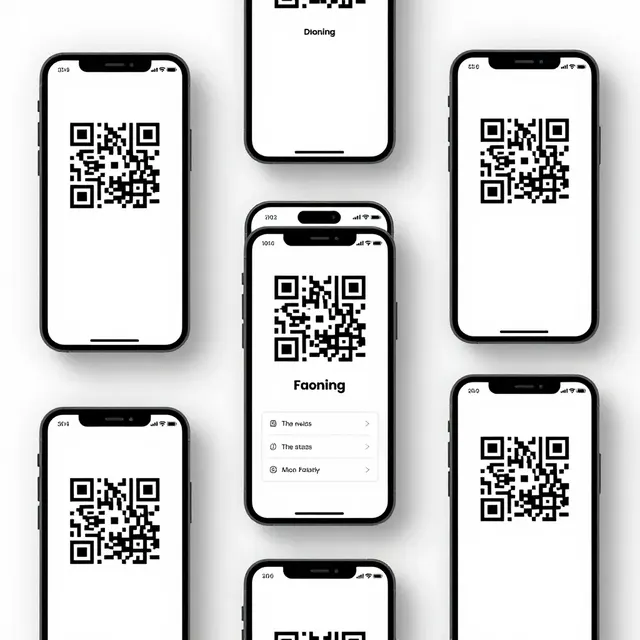
One of the most significant advantages of a digital menu for tapas is the ability to manage inventory in real-time. Tapas menus are often seasonal, relying on fresh, local ingredients that may not last the entire day. With a paper menu, if you run out of fresh mussels or a specific type of cheese, you must physically reprint the entire menu or hope that no one orders it. This leads to two outcomes: either you waste the unsold ingredients, or you serve a dish that is not up to standard, risking your reputation. A digital menu solves this instantly. You can disable specific items with a single click, notifying the table immediately that the dish is unavailable.
Consider the scenario where you are low on a popular item like grilled squid. Instead of telling a table to wait or take their order, you can hide the item from the digital menu. The guest might choose another option, perhaps a seafood salad, which you have in abundance. This dynamic adjustment helps balance your inventory levels throughout the service. It also allows you to highlight alternative items that might be in surplus, encouraging guests to try something new. This not only reduces food waste but also keeps the menu feeling fresh and exciting for regular customers who visit frequently.
Inventory management also extends to portion control. In a sharing environment, it is easy for guests to overestimate their appetite or that of their friends. By offering smaller, more precise portion sizes in your digital menu, you can help guests order the right amount to share. You can even create a "half portion" option for popular items, allowing guests to order a smaller amount if they are unsure. This flexibility reduces the likelihood of food going uneaten, saving your kitchen money and ensuring that your guests leave satisfied without feeling guilty about waste. This approach demonstrates a genuine commitment to sustainability, showing that you care about the planet as much as your bottom line.
Enhancing Guest Experience Through Personalization
Digital menus offer a level of personalization that paper simply cannot match. For tapas, where the experience is about variety and discovery, this is a game-changer. You can use data analytics to understand which combinations of dishes are most popular. If you notice that guests frequently order the jamón ibérico and the manchego cheese together, you can create a pre-set "Spanish Tapas Combo" in your digital menu. This not only saves the guest time but also increases the average order value by suggesting complementary items. You can also use the digital platform to tell the story behind your dishes. Include notes about the local farmers you work with or the traditional methods used to prepare your bread. This storytelling aspect adds value to the dining experience, making guests feel connected to the source of their food.
Personalization also extends to dietary needs. As mentioned earlier, allergies and dietary restrictions are common. A digital menu can offer a seamless experience for guests with specific needs. If a guest selects a "Vegan" filter, the menu automatically reorganizes to show only vegan options, perhaps with a special badge indicating that the dish is also dairy-free. This removes the anxiety of having to ask the server for every detail. The guest feels empowered and informed, leading to a more relaxed and enjoyable dining experience. This ease of use is a key differentiator in a competitive market where guests have high expectations for service and transparency.
Furthermore, digital menus can adapt to different times of the day. Breakfast tapas might feature eggs, toast, and pastries, while lunch might focus on salads and sandwiches, and dinner on heavier grilled items. Your digital menu can automatically update to reflect the current time of day, ensuring that guests only see available options. This dynamic capability keeps your operation efficient and your guests happy. It also allows you to run promotions more effectively. You can create a "Happy Hour" section that appears only during specific hours, offering discounts on select items. This encourages guests to visit during slower periods, helping to smooth out your revenue curve and maximize the utility of your kitchen staff.
Building a Sustainable and Transparent Brand
In an era where consumers are increasingly aware of the environmental impact of their food choices, adopting a digital menu is a powerful statement of your brand's values. By eliminating paper waste, you are directly contributing to a cleaner environment. Every digital menu displayed on a smartphone screen replaces dozens of printed sheets, reducing the demand for trees, ink, and energy used in printing and shipping. This is not just a marketing buzzword; it is a tangible action that aligns with the values of your customers. When you communicate this commitment through your digital platform, you attract a demographic that values sustainability and is willing to support businesses that share their ethos.
Transparency goes beyond just removing paper. It involves being honest about what you serve. Digital menus allow you to provide detailed nutritional information, sourcing details, and even carbon footprint estimates for your dishes. This level of openness builds a relationship of trust with your guests. They know exactly what they are eating, where it comes from, and how it was prepared. There are no hidden fees, no misleading descriptions, and no deceptive photos. This integrity is crucial for long-term success. In a world full of greenwashing and false claims, a restaurant that stands firm on its principles of honesty and accuracy stands out.
Moreover, a digital platform allows you to engage with your guests in new ways. You can collect feedback directly through the menu interface, asking guests to rate their experience or suggest new items. This feedback loop helps you refine your menu and improve your offerings based on real-time data. It also shows your guests that you value their opinions and are committed to continuous improvement. This engagement fosters a sense of community around your restaurant, turning casual diners into loyal advocates. When guests feel heard and valued, they are more likely to return and recommend your establishment to others.
Ultimately, the shift to a digital tapas menu is about more than just technology; it is about elevating the entire dining experience. It combines the art of food presentation with the science of data management and the ethics of sustainability. By leveraging a platform like upQR, you gain access to these advanced tools without the need for complex IT infrastructure. upQR provides a seamless, user-friendly interface that empowers your team to manage your menu with ease while ensuring your guests receive a transparent, sustainable, and personalized dining experience. Embracing this digital evolution positions your restaurant at the forefront of the culinary industry, ready to meet the demands of the modern diner who seeks authenticity, convenience, and responsibility in every bite.
Related Posts
Ready to create your digital menu?
Create your QR menu in minutes and reach your customers in any language.