
How Sushi Restaurants Use QR Ordering to Speed Up Service
Discover how sushi restaurants leverage QR ordering to reduce wait times, minimize errors, and enhance the dining experience for guests.
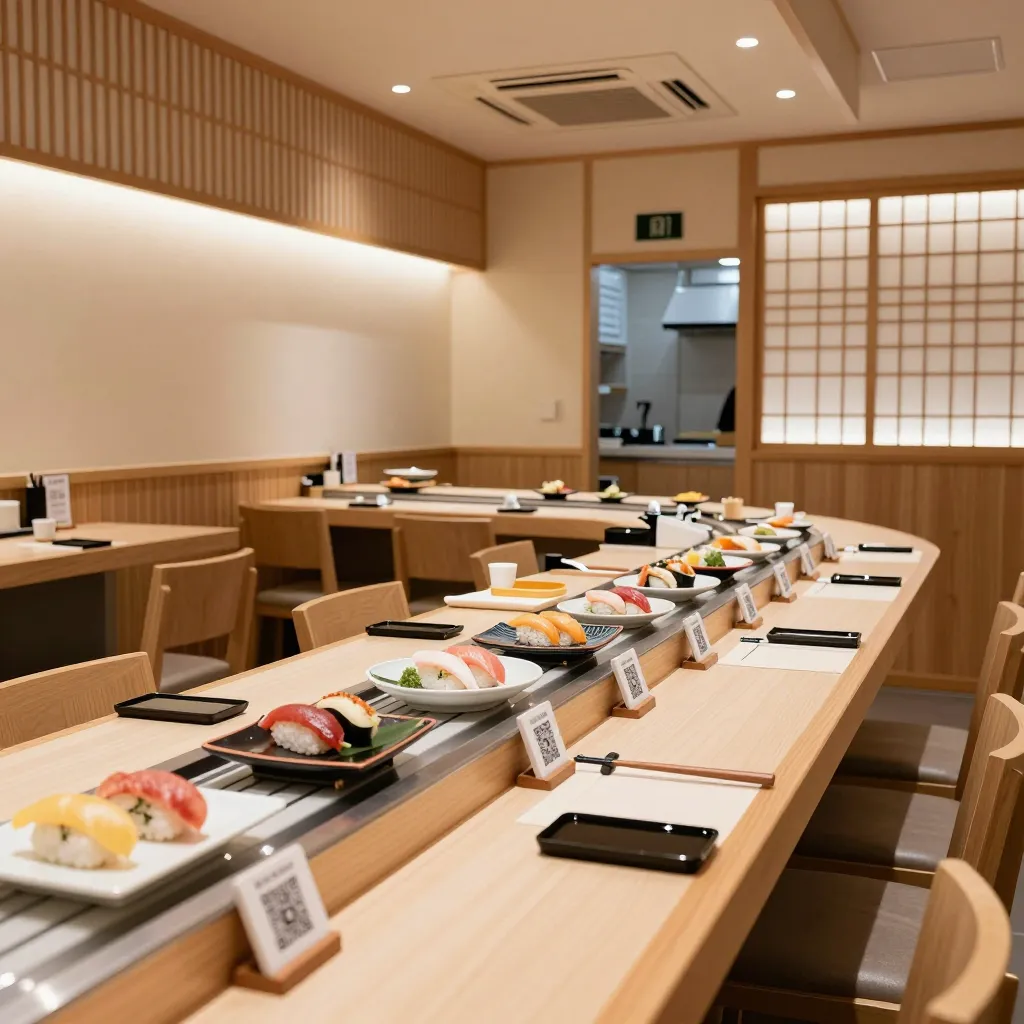
The Digital Shift in Sushi Dining
The sushi industry has undergone a significant transformation in recent years, driven by the need for efficiency and adaptability. Traditionally, the sushi dining experience relied heavily on human interaction, with servers taking orders at the counter or table. However, as operational costs rise and customer expectations for speed and convenience grow, many sushi establishments are turning to digital solutions. QR ordering has emerged as a pivotal tool in this evolution, allowing restaurants to streamline their workflows without sacrificing the artistry of their craft.
According to recent industry reports, nearly 70% of restaurant owners now view digital menus as essential for survival, a trend that has accelerated even further in the post-pandemic era. For sushi restaurants specifically, the challenge lies in balancing high-volume counter service with intimate table settings. QR codes offer a versatile solution that can be deployed at the counter for quick turnover or at tables for a relaxed, self-service experience. By digitizing the menu, sushi chefs and kitchen managers can reduce the time spent on order entry, allowing them to focus more on food preparation and quality control. This shift not only speeds up service but also provides valuable data insights into customer preferences, helping restaurants optimize their inventory and special offerings.
Reducing Wait Times and Kitchen Bottlenecks
One of the most immediate benefits of implementing QR ordering in a sushi restaurant is the drastic reduction in wait times. In a traditional setup, a server must walk to each table or counter, take the order, input it into the Point of Sale (POS) system, and then wait for confirmation before moving on. This manual process introduces delays, especially during peak hours when the kitchen is operating at full capacity. With QR codes, guests can browse the menu, customize their orders, and submit them instantly from their smartphones. This direct-to-kitchen transmission eliminates the "phone tag" between servers and the kitchen, ensuring that orders are processed immediately upon submission.
Consider the scenario of a busy lunch rush at a popular sushi spot. Without QR ordering, the kitchen might receive a stream of verbal orders that are prone to miscommunication. A server might mishear a request for "extra wasabi" or confuse a "spicy tuna roll" with a "spicy salmon roll." These errors lead to wasted food, delayed orders, and frustrated customers. With a digital QR menu, every order is clear, detailed, and timestamped. The kitchen receives a digital ticket the moment the guest taps "submit," allowing chefs to prepare items in the correct sequence. This precision can cut down average order preparation time by up to 20%, a significant metric for high-turnover venues. Furthermore, QR systems often include features like real-time kitchen display screens, which prioritize orders based on complexity and timing, ensuring that simpler items like sashimi are prepared before complex cooked rolls.
Enhancing the Guest Experience Through Customization
While efficiency is crucial, the primary goal of a sushi restaurant is to deliver an exceptional dining experience. QR ordering, when implemented correctly, enhances this experience by empowering guests to customize their meals. Sushi is inherently customizable, and digital menus make it easy for guests to express their specific dietary needs or preferences. For instance, a guest can select "no rice" for a sashimi order, request "extra eel sauce," or specify "no raw fish" due to allergies. These nuances are often lost in verbal communication but are preserved perfectly in a digital form.
Moreover, QR menus can be dynamic, allowing restaurants to update content in real-time. If a particular fish is out of stock, the system can automatically hide that item or suggest a similar alternative, preventing the embarrassment of serving a guest an unavailable dish. Some advanced QR platforms even integrate with loyalty programs, offering exclusive discounts or points for ordering specific items. This gamification element encourages repeat visits and increases average order value. For example, a sushi restaurant might offer a free side of edamame for guests who order at least three different rolls through the QR menu. This not only incentivizes larger orders but also keeps the digital experience engaging and fun.
Another aspect of the guest experience is the ability to provide rich media content. Unlike a printed menu that offers static images, a QR menu can host high-resolution photos of each dish, short videos of the chef preparing a specialty roll, or even audio descriptions of the ingredients. This visual appeal can significantly increase the likelihood of a guest ordering a dish they might have otherwise skipped. Studies show that digital menus with images can increase food sales by up to 30%. For sushi restaurants, where presentation is key, this feature is invaluable. Guests can see the vibrant colors of the wasabi, the texture of the rice, and the precision of the knife work, making their dining decisions more informed and confident.
Operational Efficiency and Staff Training
Implementing QR ordering does not mean replacing staff; rather, it empowers them to perform their roles more effectively. In a sushi restaurant, the staff's primary focus should be on hospitality, table management, and ensuring the dining environment is impeccable. With order-taking handled digitally, servers can spend less time writing down orders and more time engaging with guests, refilling drinks, and answering questions about the chef or the sourcing of ingredients. This shift in focus leads to higher customer satisfaction scores and a more welcoming atmosphere.
From a training perspective, QR menus simplify the onboarding process for new staff members. New hires no longer need to memorize every item on the menu or the specific modifications available for each dish. Instead, they can direct guests to the QR code and let the digital system handle the details. This reduces the pressure on staff and allows them to focus on providing excellent service. Additionally, QR systems often include built-in analytics that show which items are selling best, which times of day are busiest, and which modifications are most common. This data helps managers make informed decisions about staffing levels, inventory management, and menu engineering.
For instance, if the data shows that a specific spicy roll is consistently ordered with extra chili, the kitchen can adjust its preparation process to streamline that item. If a particular type of fish is frequently marked as "out of stock," the restaurant can source a more reliable supplier or adjust the menu accordingly. This level of insight is difficult to glean from manual order books or verbal reports. By leveraging these data-driven insights, sushi restaurants can optimize their operations, reduce waste, and improve profitability. The initial investment in a QR solution pays for itself quickly through increased efficiency and higher sales.
Future-Proofing Your Sushi Business
As technology continues to evolve, the restaurant industry must adapt to stay competitive. QR ordering is not just a temporary fix; it is a foundational element of a modern, future-proof restaurant ecosystem. Upcoming trends in the industry, such as AI-driven recommendations and personalized dining experiences, will rely heavily on the data infrastructure provided by digital menus. Sushi restaurants that embrace QR ordering now will be better positioned to integrate these advanced features later, ensuring they remain at the forefront of innovation.
Furthermore, the flexibility of QR codes allows for seamless integration with other digital tools, such as online reservation systems, delivery platforms, and social media marketing campaigns. A sushi restaurant can create a unified digital presence where guests can reserve a table, order ahead, and pay for their meal-all through a single QR code experience. This holistic approach not only improves the guest journey but also strengthens the brand's digital footprint. In an era where customers expect seamless digital interactions, providing a smooth, intuitive QR ordering experience is a competitive advantage that can set a sushi restaurant apart from its rivals.
Ultimately, the decision to adopt QR ordering is about more than just convenience; it is about commitment to excellence. By embracing digital tools, sushi restaurants can honor the tradition of their craft while embracing the innovations of the modern age. Whether it is a small family-owned sushi bar or a large chain, the benefits of QR ordering are clear: faster service, fewer errors, happier guests, and a more efficient operation. As the industry continues to evolve, those who prioritize digital transformation will find themselves leading the pack, setting new standards for what a sushi dining experience can be.
Related Posts

Ready to create your digital menu?
Create your QR menu in minutes and reach your customers in any language.