
How to Create a Comfort Food Menu That Drives Repeat Visits
Master the art of comfort food with our guide on menu engineering, ingredient transparency, and digital tools like upQR to boost customer loyalty and sales.
Understanding the Psychology of Comfort Food in Restaurant Business
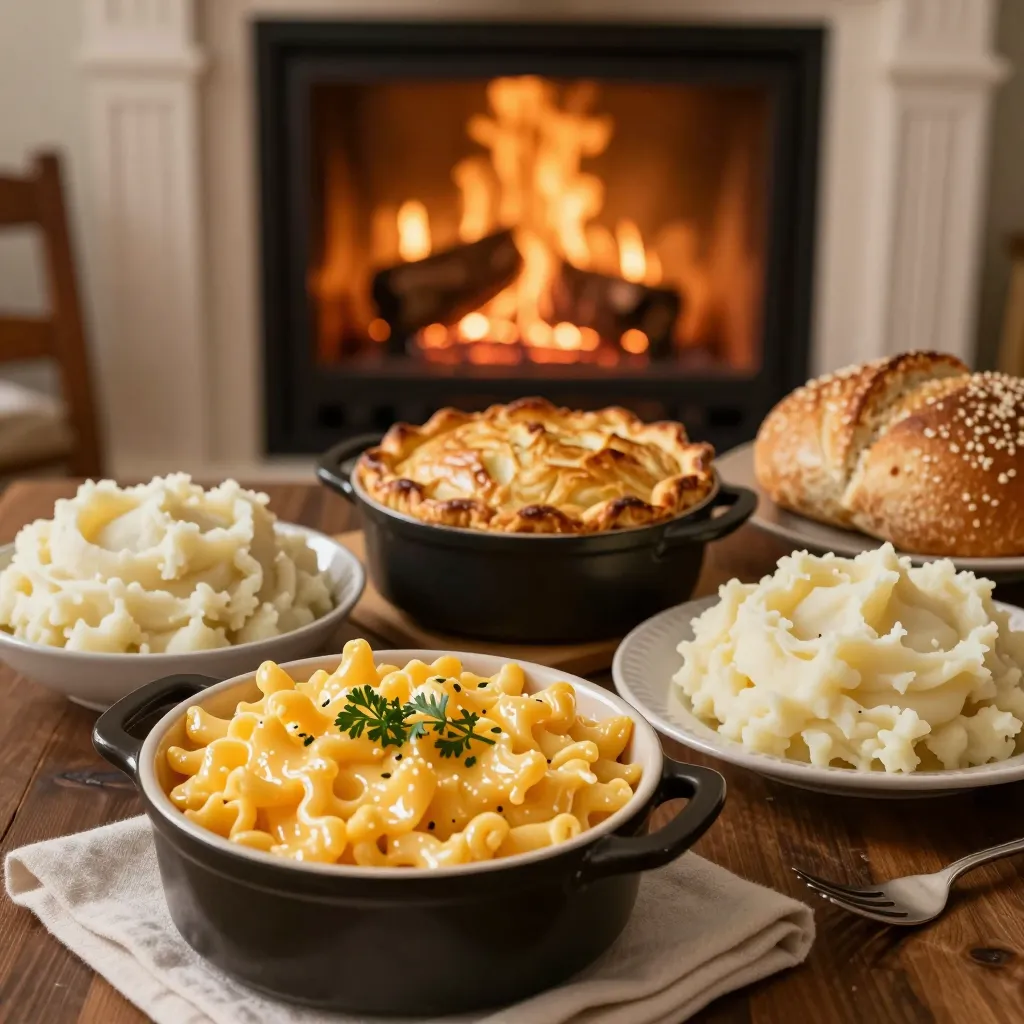
Comfort food is more than just a culinary category; it is a psychological trigger that taps into our deepest emotional needs. When customers crave comfort food, they are seeking a sense of safety, nostalgia, and relief from stress. For restaurant owners, understanding this dynamic is the first step toward building a loyal customer base. Studies show that customers are willing to pay a premium for meals that evoke positive memories or provide emotional solace. This willingness to pay more translates directly into higher average check sizes and increased visit frequency.
However, the comfort food market is fiercely competitive. Chains like Cheesecake Factory or local diners have dominated this space for decades. To succeed, independent restaurants and cafes must differentiate themselves by offering an authentic experience that resonates with modern diners. The key lies in balancing familiarity with innovation. You cannot simply copy a recipe; you must understand the story behind the dish. Is your mac and cheese made with farm-fresh cheddar or processed powder? Does your soup use homemade broth or a pre-made base? These details matter immensely to the discerning comfort food eater who values transparency and quality.
The emotional connection is the engine of repeat business. When a customer feels understood and cared for, they are likely to return. This is where the concept of 'universal access' becomes crucial. Comfort food is often associated with specific cultural or regional cuisines, but the feeling of being 'at home' should be universal. By ensuring that your menu descriptions clearly explain the origin and preparation of your dishes, you bridge the gap between different customer demographics. A customer from any background can appreciate the effort put into a dish when the story is told with honesty and clarity.
Strategic Menu Engineering for Comfort Food Success
Creating a menu that drives sales requires more than just listing popular dishes. It requires strategic menu engineering, a process that involves analyzing your items based on popularity and profitability. In the comfort food sector, this analysis must also consider the emotional appeal of each item. Not every high-margin item will sell well if it lacks an emotional hook. Conversely, a beloved classic might have lower margins but drives the traffic necessary to keep the business afloat.
Start by identifying your 'Stars'-the items that are both popular and profitable. These are often your signature comfort dishes, like a slow-simmered beef stew or a perfectly fried chicken sandwich. Place these items in the 'golden triangle' of your menu, typically the top right corner, where the eye naturally rests. Next, identify your 'Plowhorses'-items that are popular but less profitable. These are your classics that customers love. You should consider tweaking the recipe slightly to improve margins or adjusting the price to reflect the high demand, perhaps by highlighting the premium ingredients used.
Then, look for your 'Puzzles'-items that are profitable but not popular. These require a marketing push. Perhaps the description needs to be more evocative, or the dish needs to be featured in your social media content. Finally, there are the 'Dogs'-items that are neither popular nor profitable. In a comfort food menu, these might be outdated classics that no longer resonate with modern tastes. Removing these items simplifies the menu, reduces waste, and makes it easier for kitchen staff to execute orders consistently. Consistency is the backbone of comfort food; if the quality varies, the emotional connection breaks.
When engineering your menu, do not forget the power of customization. Modern diners, especially those with dietary restrictions, often feel left out of the comfort food conversation. By offering clear options for modifications, such as gluten-free bread, dairy-free cheese alternatives, or spice levels, you make your menu inclusive. This aligns perfectly with the value of universal access. When a customer sees that you can accommodate their needs without sacrificing the core essence of the dish, they feel validated and included. This inclusivity is a powerful driver of repeat visits, as it removes the barrier of fear or uncertainty that often prevents people from trying new places.
Leveraging Digital Tools for Transparency and Sustainability
The landscape of food service has shifted dramatically with the rise of digital ordering and QR codes. For a comfort food restaurant, adopting a digital menu platform like upQR is not just a trend; it is a strategic necessity that enhances your core values of transparency and sustainability. Traditional paper menus often suffer from issues like fading ink, lost pages, and the environmental cost of constant reprinting. By switching to a digital format, you eliminate paper waste entirely, supporting your mission to be environmentally conscious. This is a tangible way to show your customers that you care about the planet, which is an increasingly important factor in dining decisions.
Transparency is another area where digital menus shine. A paper menu often lacks space to detail ingredients, allergens, or sourcing information. In contrast, a digital menu hosted on upQR allows you to provide comprehensive details for every single item. You can list the specific type of flour used in your biscuits, the origin of your tomatoes, or the fat content in your fried chicken. This level of honesty builds trust with your customers. When a customer knows exactly what they are eating, including potential allergens, they can dine with confidence. This eliminates the anxiety of accidental exposure to allergens and fosters a relationship based on mutual respect and honesty.
Furthermore, digital menus allow for dynamic content updates. If you decide to change a recipe to use a more sustainable ingredient, you can update the menu instantly without reprinting. You can also add sections for 'Chef's Picks of the Week' or seasonal specials that highlight local produce. This agility keeps your menu fresh and exciting, encouraging customers to try new variations of their favorite comfort foods. It also allows you to manage inventory more effectively, reducing food waste by only offering items you have in stock. This operational efficiency not only saves money but also aligns with the value of honesty-no hidden fees, no misleading descriptions, just accurate, up-to-date information.

Storytelling and Visual Presentation in Digital Menus
While the food itself is the star, the way it is presented on your menu plays a significant role in sales. In a digital format, you have the opportunity to tell a story that complements the visual appeal of your photos. Comfort food is inherently visual; we want to see the steam rising from the soup, the flaky layers of the pie, or the golden crust of the bread. High-quality photos are essential, but they must be accompanied by compelling copy.
Avoid generic descriptions like 'delicious homemade soup.' Instead, describe the experience: 'Our Slow-Roasted Tomato Soup is made with vine-ripened heirloom tomatoes, simmered for six hours with a hint of basil and finished with a swirl of fresh cream.' This description paints a picture in the customer's mind and evokes the sensory experience of eating the dish. It also reinforces the value of honest and accurate information. If you claim the soup is slow-roasted, the customer expects a certain depth of flavor. If you deliver that, you build a reputation for integrity.
Use the digital format to highlight the sustainability of your ingredients. You can include small icons or badges indicating that a dish is 'Locally Sourced,' 'Organic,' or 'Vegan-Friendly.' These visual cues help customers make quick decisions based on their values. For instance, a customer looking for a healthy option can quickly scan the menu for items marked with a 'Low Carb' or 'High Protein' tag. This functionality respects the customer's time and helps them navigate the menu with ease. It also demonstrates your commitment to providing a user-friendly experience, which is a key component of universal access.
Consider the layout of your digital menu. It should be intuitive and easy to navigate on both mobile devices and tablets. Large text, clear categories, and a logical flow are essential. Avoid cluttering the screen with too much information at once. Break the menu into sections like 'Soups & Salads,' 'Mains,' 'Sides,' and 'Desserts.' Within these sections, use subheadings to group items by dietary preference or flavor profile. For example, you could have a section for 'Spicy Comfort' or 'Vegetarian Classics.' This organization helps customers find what they are looking for quickly, reducing friction in the ordering process. A smooth, frustration-free experience encourages customers to order more items and come back for their next meal.
Building Community and Encouraging Repeat Visits
Ultimately, the goal of any restaurant is to build a community around its brand. Comfort food restaurants have a unique advantage here because they naturally foster a sense of belonging. People gather to share meals, catch up with friends, and find solace in familiar flavors. Your digital menu can be a tool to strengthen this community. Encourage customers to leave reviews or share their favorite dishes on social media. You can even create a loyalty program that rewards repeat visits with discounts on comfort classics or exclusive access to new menu items.
Engage with your customers by responding to their feedback on the digital menu platform. If someone suggests a new side dish or asks about an ingredient, show that you listen. This interaction humanizes the brand and makes customers feel like valued members of the family. It also provides valuable insights into what your customers want, allowing you to adapt your menu accordingly. For example, if several customers ask for a spicy version of your mac and cheese, you can introduce a 'Hot Honey' variation. This responsiveness shows that you are attentive and committed to satisfying your customers' evolving tastes.
Finally, remember that comfort food is about connection. Whether it is the connection between the chef and the ingredient, the connection between the restaurant and the local community, or the connection between the customer and their own memories, these bonds are what make your business special. By leveraging the values of sustainability, transparency, universal access, and honesty, you create a dining experience that goes beyond mere sustenance. You create a space where people feel safe, understood, and cared for. In a world that often feels chaotic, a restaurant that offers a warm, transparent, and inclusive environment becomes a sanctuary. And in that sanctuary, customers will find the reason to return again and again.

Related Posts

Ready to create your digital menu?
Create your QR menu in minutes and reach your customers in any language.