
The Complete Guide to Indian Restaurant Digital Menu Design
Transform your Indian eatery with a digital menu that highlights spices, caters to dietary needs, and reduces waste using upQR's smart platform.
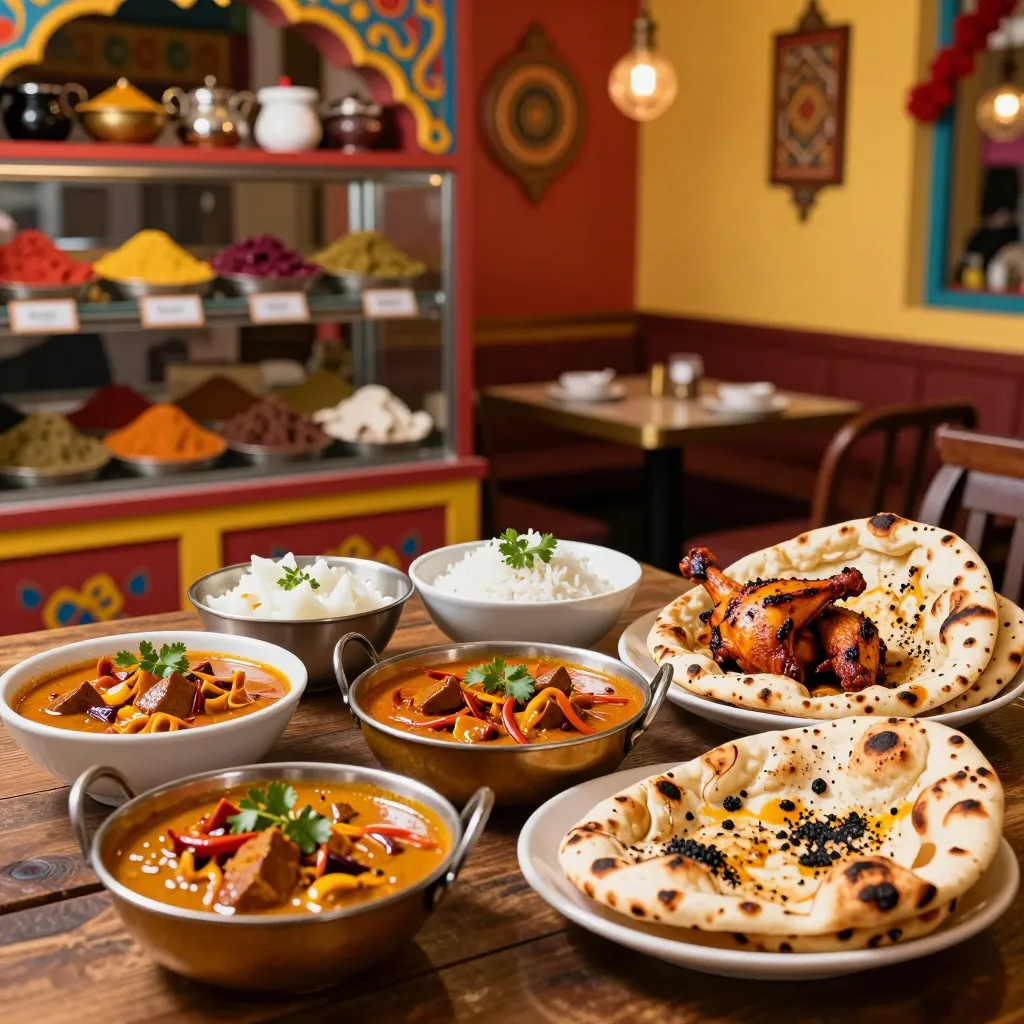
Why Digital Menus Are Essential for Modern Indian Restaurants
The global appetite for authentic Indian cuisine has surged, yet the traditional paper menu often fails to meet modern operational needs. Indian food is complex, featuring hundreds of spice blends, regional variations, and specific dietary restrictions that are difficult to communicate effectively on static paper. A digital QR menu solves this by providing a dynamic, updatable interface that can instantly reflect changes in your kitchen, such as a chef's special or a seasonal ingredient shortage. According to recent industry reports, over 70% of diners under the age of 35 prefer digital menus, citing convenience and the ability to quickly search for allergens or specific dietary preferences. For an Indian restaurant, this is not just a trend; it is a necessity for maintaining customer satisfaction and operational efficiency.
Furthermore, digital menus align perfectly with the sustainability values that modern consumers demand. The restaurant industry generates millions of tons of paper waste annually, much of it from single-use menus. By switching to a digital format, you eliminate this waste, directly contributing to a greener planet. This shift also enhances your brand image, signaling to eco-conscious customers that you care about the environment. When a customer scans a code at your table, they are greeted with a seamless experience that respects their time and the planet, setting a positive tone for the entire dining journey.
Structuring Your Menu for Clarity and Cross-Cultural Understanding
Designing a digital menu for Indian cuisine requires a strategic approach to organization, especially when serving an international clientele. A common pitfall in Indian restaurant design is the reliance on English names that may be unfamiliar or misleading to guests from South Asian backgrounds or those with limited English proficiency. For instance, calling a dish "Chicken Curry" is vague and unappetizing; it should be specified as "Butter Chicken" or "Vindaloo" with a clear description. A well-structured digital menu acts as a universal translator, ensuring that every guest, regardless of their background, understands exactly what they are ordering.
Consider the layout of your menu sections. Instead of a simple list, categorize dishes by region or style, such as "North Indian," "South Indian," "Bengali," or "Vegetarian/Vegan." This helps customers navigate based on their taste preferences. For example, a customer looking for lighter options can easily filter for "South Indian" dishes like "Appam" or "Dosa," while someone craving rich, creamy gravies can jump straight to "North Indian" classics like "Palak Paneer." This logical segmentation reduces decision paralysis, a common issue when faced with a long, unorganized list of 50+ dishes. Additionally, use high-quality, mouth-watering photographs for every item. Studies show that food photography can increase order value by up to 15%, as visual cues stimulate appetite and help customers visualize the texture and spice level of the dish.
Ensuring Transparency with Ingredients and Allergen Information
Transparency is a core value of the upQR platform, and it is non-negotiable in the world of Indian cooking. Indian cuisine is notorious for hidden allergens and intense spice profiles that can affect guests with sensitivities. A digital menu allows you to provide granular detail that paper simply cannot accommodate. You can include a dedicated section for each dish listing specific ingredients, such as "contains nuts," "uses cashew paste," or "contains asafoetida (hing)." This level of honesty builds immense trust with your customers.
Practical implementation involves creating a clear allergen legend at the top of the menu or within each item description. For example, under "Dal Makhani," you could note: "Traditional recipe includes whole spices, cream, and butter. May contain traces of mustard seeds." This proactive communication prevents allergic reactions and shows your commitment to guest safety. Moreover, you can address the "spicy" dilemma by offering precise heat levels. Instead of just saying "Spicy," use a scale or descriptors like "Mild (Garam Masala base)," "Medium (Added Chili Powder)," and "Hot (Fresh Chilies & Ghee)." This empowers customers to customize their experience without fear of being overwhelmed by unexpected heat. By being transparent, you remove the guesswork and ensure that every guest feels safe and informed before they even take their first bite.
Optimizing the User Experience for Mobile Devices
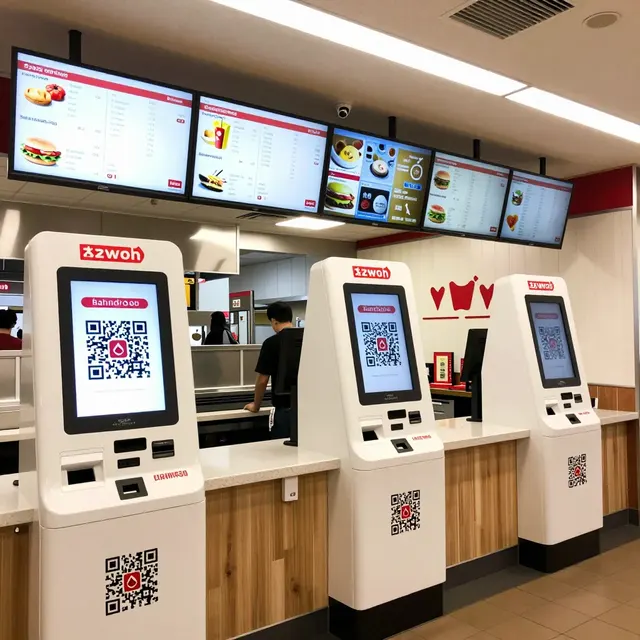
The majority of customers will access your menu via their smartphones, meaning your design must be mobile-first. A cluttered, text-heavy menu that requires constant zooming and scrolling is a major barrier to ordering. Your digital menu should load instantly on 4G and 5G networks, even in areas with weaker signal strength. Optimize your images by compressing them without losing quality; large, uncompressed photos can slow down page load times significantly, leading to abandoned orders.
Typography plays a crucial role in readability. Use large, clear fonts for headings and dish names, ensuring that even small text on a phone screen is legible. Avoid using dense paragraphs; instead, use bullet points and bold text to highlight key information like "Gluten-Free" or "Dairy-Free." For instance, a "Tandoori Chicken" entry could be formatted as: Tandoori Chicken: Marinated in yogurt and spices, roasted in a clay oven. Gluten-Free, Dairy-Free (check for cross-contamination). This format is scannable and easy to digest quickly. Additionally, ensure that the navigation menu is intuitive, with clear categories and a sticky search bar that allows customers to instantly find their favorite dishes. A smooth, fast, and easy-to-use interface reduces friction, encouraging customers to order more items and spend more time exploring your offerings.
Implementing Dynamic Features to Boost Sales and Engagement
A static digital menu is good, but a dynamic one is great. The upQR platform allows you to integrate features that actively drive revenue and engagement. One powerful feature is the "Chef's Special" or "Daily Special" section, which can be updated in real-time. If you have a fresh batch of homemade pickles or a special sauce made that morning, highlight it prominently. This creates a sense of urgency and exclusivity, encouraging customers to try something new. You can also use the digital format to promote high-margin items or seasonal ingredients. For example, during monsoon season, you might feature "Khatta Meetha" (sweet and sour) dishes that pair well with rainy weather, or during winter, promote warming soups like "Shorba".
Another valuable feature is the ability to collect customer feedback directly on the menu. You can include a simple QR code or link at the bottom of the menu that invites guests to rate their meal or suggest new dishes. This not only provides you with actionable insights but also makes customers feel valued and heard. If a customer suggests a new "Pasta Biryani" fusion, you can quickly add it to the menu and market it as a "Customer Request." This level of interactivity fosters a community around your restaurant and keeps the menu fresh and relevant. Finally, consider adding a loyalty program integration or a "build your own bowl" option where customers can select their base, protein, and toppings. This customization option often leads to higher average order values as customers feel they are crafting a unique experience tailored to their taste.
Conclusion: Elevate Your Brand with upQR
Transitioning to a digital menu is more than just replacing paper; it is about elevating the entire customer experience and aligning your business with modern values of sustainability and transparency. By using a platform like upQR, you gain access to a robust suite of tools that help you manage your menu effortlessly, track performance, and engage with your guests. Whether you are a bustling street-food style eatery or a fine-dining curry house, a well-designed digital menu ensures that your authentic flavors are communicated clearly and appealingly. Embrace the shift to digital, reduce your environmental footprint, and build a loyal customer base that appreciates the honesty and quality of your cuisine. With upQR, your Indian restaurant can lead the way in innovation, service, and sustainability.
Related Posts
Ready to create your digital menu?
Create your QR menu in minutes and reach your customers in any language.