
Designing Chinese Digital Menus for Global Appeal
Learn how to build a Chinese restaurant digital menu that bridges cultural gaps, ensures transparency, and attracts international diners using upQR.
Overcoming Language Barriers with Universal Design
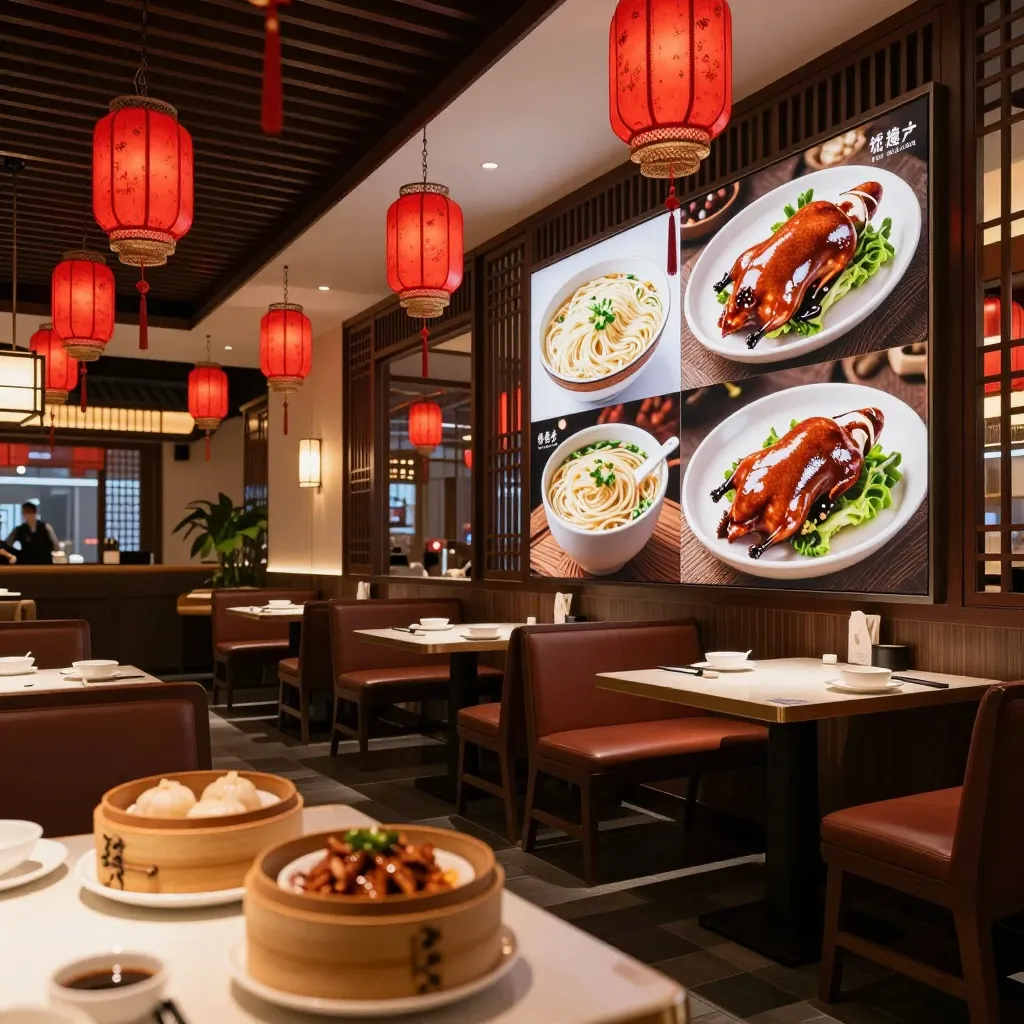
One of the greatest challenges in running an international Chinese restaurant is the language divide. While many diners expect authentic cuisine, a lack of clear English translations can lead to confusion, mistrust, and abandoned orders. A digital menu transforms this obstacle into an opportunity by offering instant, accurate translation features that paper menus cannot match.
At upQR, we believe that every customer should know exactly what they are eating, regardless of their native tongue. By integrating a built-in translation tool into your QR code landing page, you allow guests to toggle between Chinese, English, and other languages instantly. This feature not only enhances the user experience but also signals that your establishment values inclusivity and universal access.
Consider the scenario of a tourist visiting a bustling Chinatown district. They approach your table, eager to try local specialties, but the paper menu lists dishes like "Dongpo Rou" or "Ji Xiang Dou Fu" without explanation. With a digital menu, they can scan the code, switch the interface to English, and see clear descriptions: "Braised Pork Belly" or "Mapo Tofu." This immediate clarity reduces hesitation and increases the likelihood of the customer ordering authentic items they might otherwise fear due to language barriers.
Furthermore, digital menus allow you to add pronunciation guides or audio clips for difficult Pinyin terms. This small detail empowers non-Chinese speakers to order with confidence, fostering a more welcoming atmosphere. It demonstrates a commitment to honesty and accuracy, ensuring that no guest feels left behind due to a lack of linguistic resources.
Visual Storytelling: Authenticity Without Misleading Photos
When designing a digital menu for Chinese cuisine, visuals play a pivotal role in setting expectations. The food industry is notorious for "food porn"-using filters and lighting tricks to make dishes look more vibrant than they are. However, upQR champions transparency and honest information. We encourage you to use high-quality, unedited photos that accurately represent the texture and color of your dishes.
For Chinese food, where presentation is part of the culinary art, this is especially important. A photo of steaming hot dumplings should show the steam and the plump filling, not a glossy, plastic-looking image. When customers see exactly what they are getting, trust is built. This aligns with our core value of honesty: no hidden surprises, no deceptive descriptions.
Think about the psychology of the diner. If a customer orders "Sweet and Sour Pork" expecting a specific balance of tangy sauce and crispy pork, and the photo shows a dry, pale version of the dish, they will feel misled. Conversely, a realistic photo sets the right expectation. If the dish looks delicious in reality, the customer will appreciate the authenticity. If it looks slightly different from the photo, they may feel disappointed.
Additionally, use close-up shots to highlight key ingredients. For a dish like "Kung Pao Chicken," show the peanuts, chili peppers, and vegetables clearly. This visual transparency helps customers with allergies or dietary restrictions make informed decisions. They can see if there are visible nuts, if the sauce is thick or thin, and if the dish contains specific vegetables they wish to avoid. This level of detail is impossible to achieve with a printed menu, where a small print disclaimer about "contains nuts" often goes unnoticed.
Structuring the Menu for Clarity and Dietary Needs
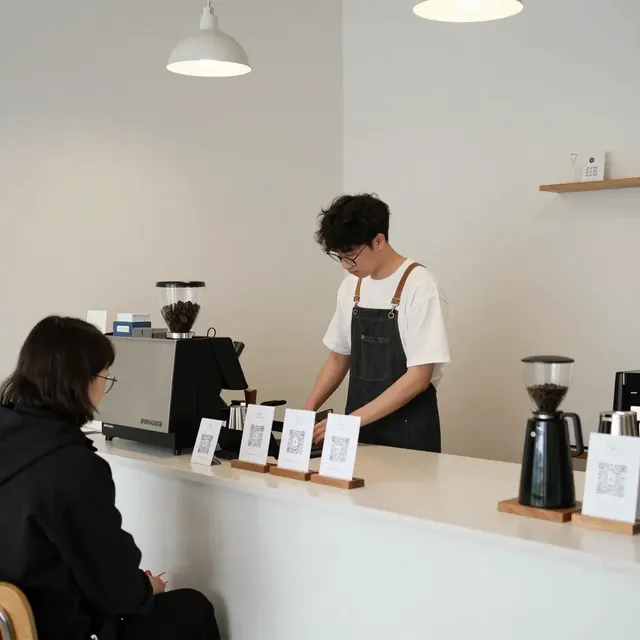
A well-organized digital menu is essential for managing the complexity of Chinese cuisine. Many Chinese dishes are naturally spicy, oily, or contain hidden allergens. A digital platform allows you to categorize dishes logically and provide detailed ingredient lists for every item. This structure helps international diners navigate the menu with ease.
Start by creating clear categories such as "Starters," "Rice & Noodles," "Dumplings," and "Dim Sum." Within each category, use tags or icons to denote dietary attributes. For example, use a chili pepper icon for spicy dishes, a wheat icon for gluten-free options (like rice noodles), and a soybean icon for vegetarian-friendly items. This visual shorthand is universal and instantly understandable.
Transparency is key here. Instead of a vague "may contain nuts" warning, list the specific ingredients in a dedicated section for each dish. "Sichuan Hot Pot Base" might contain chilies, Sichuan peppercorns, and garlic, but also sesame oil. Clearly listing these ingredients prevents allergic reactions and builds trust. International diners often have specific dietary needs, such as being lactose intolerant or avoiding pork for religious reasons. A digital menu allows you to filter by these criteria, making the dining experience safe and enjoyable for everyone.
Another practical tip is to include a "Chef's Notes" section. This is where you can explain the origin of a dish, the story behind a specific spice blend, or the traditional cooking method. For instance, explain that "Peking Duck" is traditionally served with scallions, cucumber, and hoisin sauce. This educational content adds value and deepens the customer's appreciation for the culture. It turns a simple meal into a cultural experience, which is a powerful way to engage international guests.
Promoting Sustainability and Reducing Waste
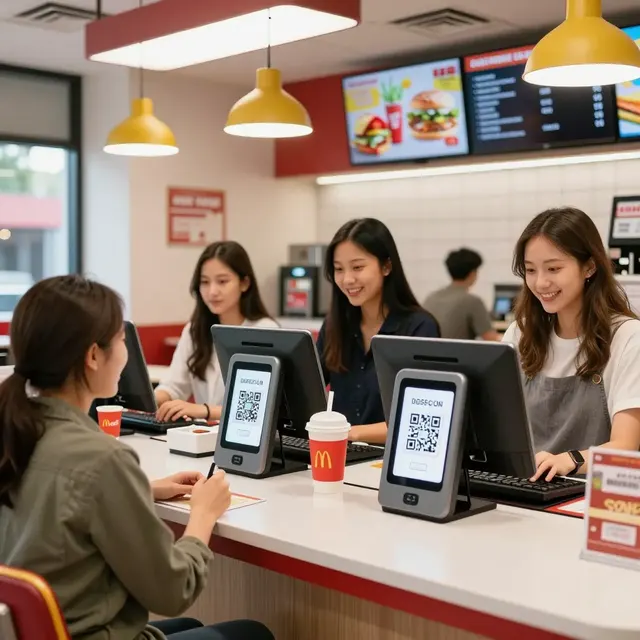
The restaurant industry faces a significant environmental challenge: food waste and paper waste. Traditional paper menus, especially those used for Chinese dim sum carts or takeout orders, contribute heavily to landfill waste. Every time a menu is printed, replaced, or thrown away, it adds to the carbon footprint. upQR is designed with sustainability at its core, offering a green alternative that aligns with modern consumer values.
By switching to a digital menu, you eliminate the need for constant reprinting. Menu items change frequently in the Chinese culinary world, with seasonal ingredients and new fusion trends appearing regularly. With paper menus, these changes require a costly reprinting process. With a digital menu hosted on upQR, you can update prices, remove sold-out items, or add new seasonal specials instantly. This agility not only saves money but also reduces paper consumption.
Consider the statistics: the average restaurant prints thousands of menus annually. If a restaurant prints 500 menus a year, that is 500 sheets of paper, plus the ink and the plastic binding. Over five years, this adds up to a significant amount of waste. By adopting a digital solution, you can reduce this waste by up to 90%. This is a tangible way to contribute to environmental conservation, which resonates well with eco-conscious international diners who often prefer to support businesses that share their values.
Furthermore, digital menus allow for dynamic content. You can display a message about your sustainability efforts, such as "We use locally sourced vegetables" or "Our packaging is 100% compostable." This transparency reinforces your brand's commitment to the environment. It shows that you care not just about the food, but about the planet. This narrative is highly shareable on social media, attracting customers who want to make ethical choices.
Optimizing for Mobile and Enhancing the Ordering Experience
The majority of diners will access your menu via a smartphone. Therefore, your digital menu must be mobile-first. It needs to load quickly, be easy to navigate with one hand, and offer a seamless ordering process. upQR ensures that your menu is optimized for all devices, from the latest iPhones to older Android models.
When designing the layout, keep the most popular dishes near the top or in a "Recommended" section. International diners often look for crowd-pleasers like "General Tso's Chicken" or "Fried Rice" as safe bets. By highlighting these, you guide them toward successful orders. Additionally, ensure that the font size is large enough to read in dimly lit restaurants without squinting. Poor readability leads to frustration and longer decision times.
Integrate an ordering system that allows customers to add items to a cart and proceed to checkout. This is particularly useful for takeout and delivery services. Customers can order their food while waiting for their table or from the comfort of their home. This convenience drives revenue and keeps customers loyal. Moreover, the system can track popular items and provide data insights to help you adjust your inventory and menu offerings.
Finally, ensure that the checkout process is transparent. No hidden fees, no confusing surcharges. Show the total cost clearly, including taxes and delivery fees if applicable. This honesty builds trust and reduces cart abandonment. When customers feel they are being treated fairly and honestly, they are more likely to return. This principle of transparency is the foundation of a successful restaurant business in the digital age.
Conclusion
Designing a Chinese restaurant digital menu is about more than just listing dishes; it is about creating a bridge between cultures, ensuring transparency, and fostering a sustainable future. By leveraging the power of upQR, you can overcome language barriers, present your food honestly, and cater to a diverse, global audience. Our platform provides the tools you need to build a menu that is accessible, accurate, and environmentally responsible.
Whether you are a small family-owned eatery or a large chain, the shift to digital is inevitable. It offers the flexibility to adapt to changing trends, the ability to reach a wider audience, and the opportunity to tell your unique story. Don't let outdated menus or language barriers hold your business back. Embrace the digital revolution with upQR and watch your international appeal soar. Start today and transform how your customers experience your delicious cuisine.
Related Posts
Ready to create your digital menu?
Create your QR menu in minutes and reach your customers in any language.