World Food Safety Day: QR Menus Track Ingredient Sources
Discover how digital QR menus ensure transparency and safety. Learn practical steps to trace ingredients, build trust, and protect your customers today.
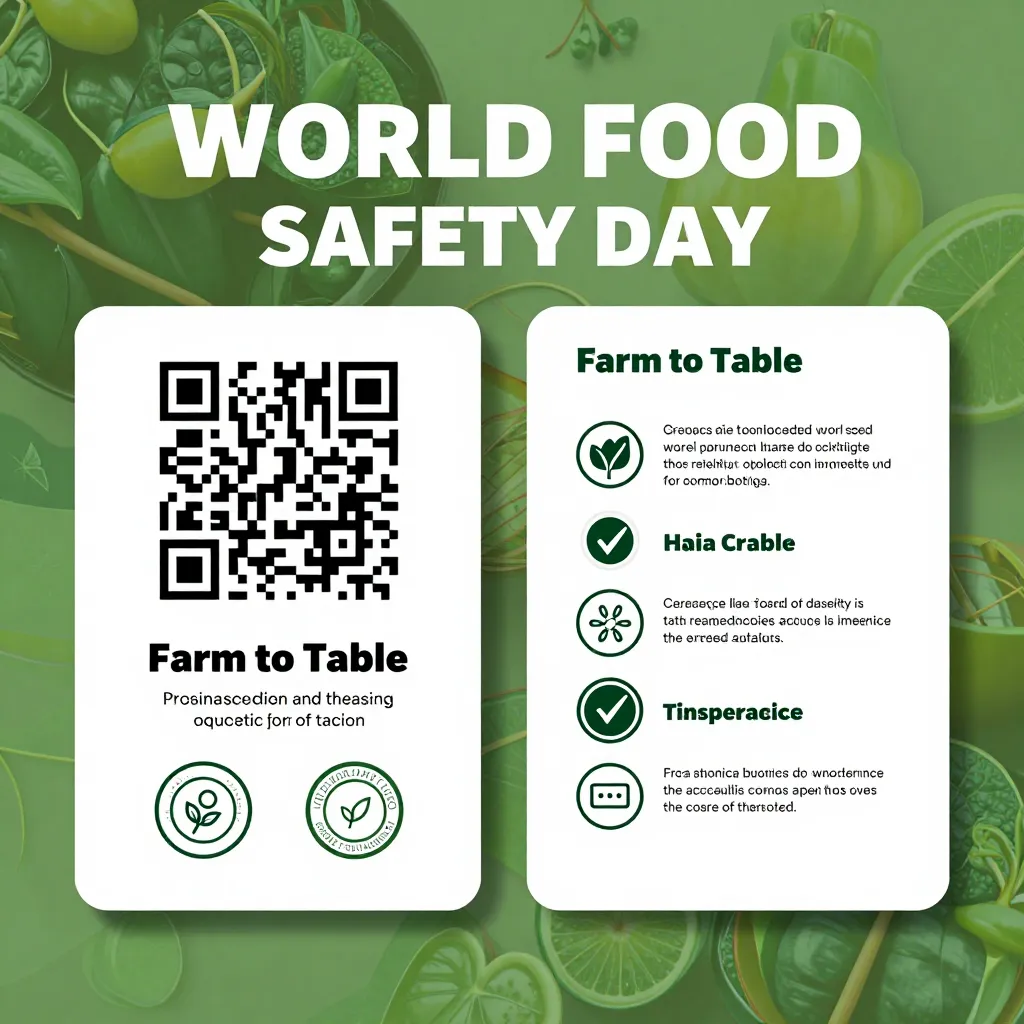
Why World Food Safety Day Matters for Your Restaurant
World Food Safety Day, observed annually by the United Nations, highlights the critical importance of safe food handling practices. For restaurant owners and cafe managers, this is not just a global observance; it is a daily operational reality. The stakes are high: foodborne illnesses affect millions of people worldwide, and a single incident can devastate a business's reputation. According to the World Health Organization, unsafe food causes over 600 million cases of illness annually. In the post-pandemic landscape, customers have become hyper-aware of hygiene, sourcing, and transparency. They no longer just want a meal; they want assurance that every bite is safe and ethically sourced. This shift in consumer behavior demands a new approach to communication and verification, one where information is accessible at the moment of ordering.
Traditional paper menus are static documents. Once printed, they cannot be updated to reflect a new batch of tomatoes with a different pesticide level or a supplier change in the dairy section. If a supplier issues a recall, a paper menu remains unchanged until the physical copies are manually destroyed and replaceda process that takes hours or days. During that window, the restaurant is operating with outdated information, potentially putting customers at risk. Digital QR menus, however, offer a dynamic layer of safety. They allow businesses to instantly update ingredient lists, allergen warnings, and sourcing details. This immediacy is the first line of defense in a modern food safety protocol, ensuring that the information on the screen matches the reality in the kitchen.
The Power of Traceability: From Farm to Fork in Seconds
Traceability is the cornerstone of food safety. It is the ability to track a product from its origin to the point of sale. When a customer scans a QR code to view a digital menu, they are engaging with a system that can theoretically link their meal back to the specific farm or processing facility. While a simple QR menu might not display a blockchain ledger on the screen, the infrastructure behind it allows for rapid data management. Imagine a scenario where a specific batch of basil is found to be contaminated. With a digital system, the manager can instantly flag that specific item, update the description to note a temporary substitution, or hide the item entirely. This capability transforms the menu from a simple price list into a real-time safety dashboard.
The value of this traceability extends beyond immediate safety. It builds a narrative of integrity. When a customer sees that a dish uses 'locally sourced organic eggs from Happy Acres Farm,' they are not just reading a marketing claim; they are seeing a verified supply chain link. This transparency reduces the anxiety associated with food consumption. Customers often worry about hidden allergens, unlisted additives, or the environmental impact of their food. A digital menu platform can integrate detailed fields for 'Sourcing Location,' 'Certification Status,' and 'Allergen Information.' By making this data visible, restaurants empower customers to make informed choices, aligning with the core value of honesty and accuracy. This level of detail is impossible to achieve with a printed sheet of paper, which often lacks space for comprehensive ingredient breakdowns.
Bridging the Language and Cultural Divide for Safety
Food safety is not just about bacteria; it is also about communication barriers. A significant portion of foodborne illnesses occurs because a customer cannot accurately communicate their dietary restrictions or allergies due to language differences. In diverse urban centers, restaurants serve guests who may speak different languages or belong to specific cultural groups with unique dietary laws. A mistranslation on a menu can lead to severe health consequences for someone with a life-threatening allergy. Digital QR menus solve this by offering instant language switching. A customer can scan the code and immediately view the menu in their native language, ensuring that terms like 'contains nuts' or 'gluten-free' are understood correctly without ambiguity.
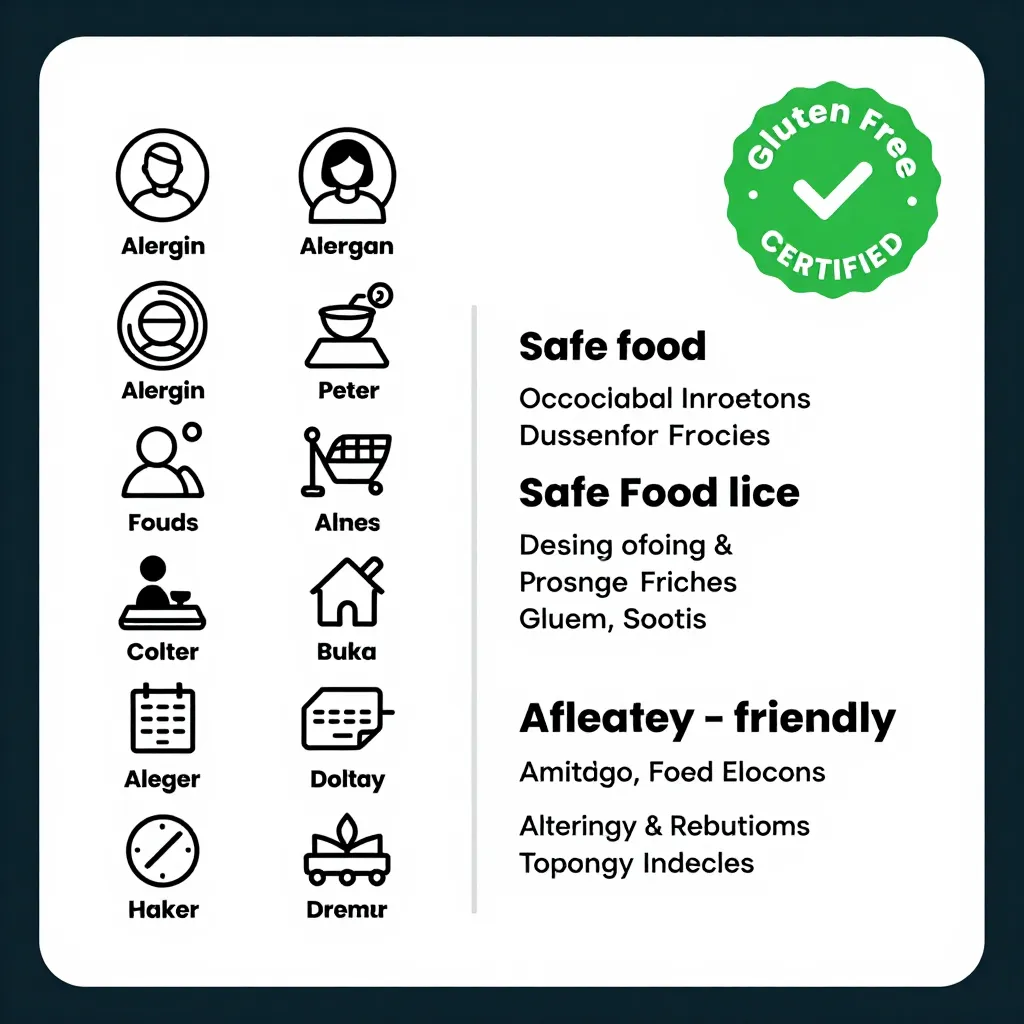
Furthermore, digital menus can include visual aids and symbols that transcend language barriers. For a customer with a severe peanut allergy, a universally recognized icon can be more effective than a word that might be mistranslated. This universal access ensures that safety information is received exactly as intended, regardless of the diner's background. It fosters an inclusive environment where everyone knows what they are eating. This inclusivity is a direct reflection of the mission to provide a system where everyone understands the ingredients, reducing the risk of accidental ingestion of harmful substances. By prioritizing clear, multi-lingual communication, restaurants demonstrate a deep commitment to the well-being of every guest, turning a potential liability into a competitive advantage.
Operational Efficiency: Reducing Human Error in Safety Protocols
Human error is a leading cause of food safety incidents. Staff may forget to update a board menu when a supplier changes, or a new employee might not know the specific sourcing details of a new dish. Paper-based systems rely heavily on memory and manual updates, which are prone to oversight. Digital systems automate the flow of information. When a chef creates a new dish or updates the supplier for an existing item, the change is reflected instantly across all devices. This eliminates the lag time between a decision in the kitchen and the information available to the customer.
Consider the process of updating allergen information. In a paper system, this requires reprinting hundreds of menus, a task that is time-consuming and costly. In a digital system, it takes seconds. If a supplier notifies a restaurant of a potential cross-contamination risk in their facility, the manager can update the menu with a specific warning note within minutes. This agility is crucial during a crisis. It allows the business to respond to safety alerts with speed and precision, maintaining customer trust even when things go wrong. The ability to track and update ingredient sources in real-time ensures that the restaurant is always operating with the most current and accurate data, effectively acting as a fail-safe against outdated information.
Building a Culture of Transparency and Trust
Transparency is the foundation of modern food safety. Customers today are skeptical of greenwashing and vague claims. They want to know exactly where their food comes from and how it is treated. A digital QR menu serves as a window into the restaurant's operations. By displaying detailed sourcing information, restaurants signal that they have nothing to hide. This openness encourages a culture of accountability within the staff, as they are required to maintain accurate records that are visible to the public.
When a restaurant invests in a platform that supports detailed ingredient tracking, it is making a statement about its values. It is saying, 'We care enough about your safety to tell you exactly what is in your food.' This message resonates deeply with consumers who prioritize health and sustainability. It differentiates the business in a crowded market where many competitors still rely on outdated methods. The data shows that consumers are willing to pay a premium for transparency. By leveraging digital tools to provide this transparency, restaurants can justify their pricing, attract loyal customers, and ultimately build a more resilient brand. The shift from opaque paper menus to clear digital interfaces represents a shift from a transactional relationship to a partnership based on trust and mutual respect.
Embracing the Digital Future for Safer Dining
The evolution of food safety is inextricably linked to technology. As we move forward, the expectation for real-time information will only grow. Regulatory bodies may soon mandate more stringent digital reporting for food safety, making digital menus not just a convenience but a compliance necessity. Restaurants that adopt digital solutions now will be better prepared for these future requirements. They will have the infrastructure in place to handle recalls, manage allergen data, and communicate with customers efficiently.
For restaurant owners and cafe managers, the decision to adopt a digital QR menu system is a decision to prioritize safety and integrity. It is a strategic move that aligns operational efficiency with ethical responsibility. By choosing a platform that supports detailed ingredient tracking and universal access, businesses can lead the industry in food safety standards. The transition is seamless, cost-effective, and provides immediate benefits in terms of customer trust and operational control. As we observe World Food Safety Day, the message is clear: the future of safe dining is digital. It is a future where every customer can verify what they are eating, where language barriers are removed, and where the path from farm to fork is clear and transparent.
Related Posts
Ready to create your digital menu?
Create your QR menu in minutes and reach your customers in any language.
