How to Create a Healthy Food Menu That Appeals to Health-Conscious Din
Learn to build a nutritious menu that attracts health-focused customers. Discover strategies for transparency, sustainability, and digital innovation with upQR.
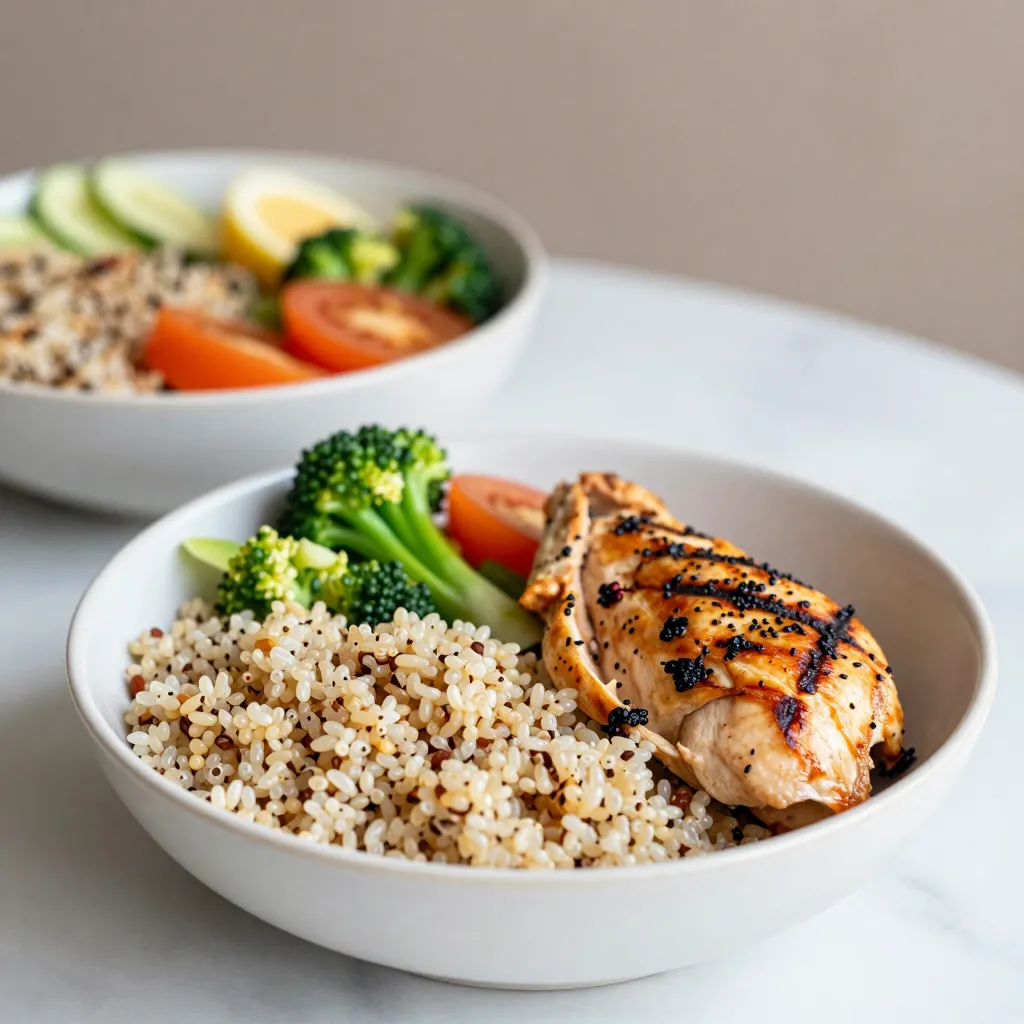
Understanding the Surge in Health-Conscious Dining
The modern diner is evolving. A recent industry report indicates that over 60% of consumers actively seek out restaurants that prioritize nutritional transparency and sustainable practices. This shift isn't just a trend; it's a fundamental change in how people view food. Health-conscious diners are no longer satisfied with vague descriptions like "light" or "fresh." They want to know exactly what is in their bowl, where the ingredients come from, and the environmental impact of their meal. For restaurant owners and cafe managers, understanding this demographic is not optionalit is essential for survival and growth. The data is clear: menus that fail to address health concerns risk losing customers to competitors who do. However, the solution lies not just in changing recipes, but in how that information is presented and accessed. This is where the digital transition becomes a powerful ally. By leveraging a digital QR menu platform like upQR, you can provide the level of detail and honesty that this audience demands, eliminating the guesswork and building trust from the first glance.
Building a Foundation of Radical Transparency
Transparency is the cornerstone of appealing to health-conscious diners. In the past, a printed menu might list "grilled chicken breast." Today, a savvy customer might wonder: Is it organic? Is it free-range? Does it contain added hormones? Does it come from a local farm? Printed menus simply cannot accommodate the depth of information required to answer these questions without cluttering the page. A digital QR menu solves this elegantly. You can create expandable sections where customers can tap to see the full nutritional breakdown, including calorie counts, macronutrient profiles, and a detailed list of allergens. Imagine a customer scanning a code at your cafe and instantly seeing that your soup contains no hidden sugars and is made with gluten-free grains. This level of honesty resonates deeply with diners who prioritize their well-being. It removes the fear of hidden ingredients and allows them to make informed decisions that align with their dietary goals. Furthermore, transparency extends to pricing. Digital menus allow you to display clear, upfront costs without hidden fees, another factor that builds trust. When a diner feels they are getting exactly what they paid for, without deception, their loyalty increases significantly. This approach transforms your menu from a simple list of items into a tool for education and empowerment.
Leveraging Digital Tools for Nutritional Clarity
Creating a healthy menu is about more than just listing salads and steaks; it is about providing context. With a digital platform like upQR, you can utilize features that highlight the health benefits of your dishes. You can add tags such as "High Protein," "Low Carb," "Vegan," or "Heart Healthy" that are instantly visible on the screen. You can also integrate images that accurately reflect the dish, avoiding the deceptive, overly saturated photos that often mislead customers about portion sizes and ingredient quality. Accuracy is key. If you promise a "clean eating" option, your digital description must match the reality of the plate. Digital menus also allow for dynamic content. You can update descriptions to highlight seasonal produce, explaining why a specific vegetable is in season and its associated health benefits. For example, you might note that winter squash is rich in Vitamin A during the colder months. This educational aspect turns the ordering process into a learning experience. Customers appreciate when a restaurant takes the time to explain the 'why' behind their food choices. It fosters a connection between the diner and the chef, reinforcing the idea that the restaurant cares about their health as much as their satisfaction. Additionally, you can easily update nutritional information if a recipe changes, ensuring that the data provided is always current and accurate.
Integrating Sustainability into Your Menu Strategy
Health and sustainability are intrinsically linked in the minds of modern consumers. A truly healthy diet often relies on fresh, whole foods, and the production of these foods has a significant environmental footprint. Health-conscious diners are increasingly aware of this connection and prefer restaurants that minimize waste and carbon emissions. A digital menu is inherently sustainable because it eliminates the need for paper printing and constant reprinting. By switching to a QR code system, you reduce paper waste, which is a direct contribution to a healthier planet. But you can go further. Use your digital menu to showcase your commitment to sustainability. Include a section that details your sourcing practices. Are your vegetables grown locally within a 100-mile radius? Do you use compostable packaging? Can you explain the lifecycle of your ingredients? When you provide this information, you validate the customer's choice to eat ethically. It shows that you understand that eating healthy also means protecting the environment. This dual focus on personal health and planetary health creates a powerful brand narrative. Customers feel good about their purchase, knowing their order supports a business that values integrity. This emotional connection often translates into repeat business and positive word-of-mouth recommendations. It is a win-win situation where the customer gets a nutritious meal and the restaurant reduces its environmental impact, creating a positive cycle for both parties.
Designing for Accessibility and Universal Understanding
A healthy menu must be accessible to everyone, regardless of their ability to read complex language or navigate physical barriers. Many health-conscious individuals have specific dietary restrictions due to medical conditions such as diabetes, celiac disease, or food allergies. A printed menu with small, crowded text can be difficult to read, especially for those with visual impairments. A digital QR menu offers superior accessibility. You can increase font sizes, adjust contrast, and ensure the interface is compatible with screen readers for visually impaired customers. This inclusivity ensures that no one is excluded from enjoying a healthy meal at your establishment. Furthermore, universal access transcends language barriers. If you serve a diverse clientele, you can provide translations or pictorial representations of your dishes within the digital menu. A health-conscious traveler might not know the local language but can easily identify a "low sodium" option with a clear icon and description in their preferred language. This capability broadens your customer base and ensures that health information is understood by all. It reflects a core value of honesty and accuracy, ensuring that every customer knows exactly what they are ordering without ambiguity. When a restaurant makes an effort to be accessible, it sends a strong message that it values its customers above all else. This dedication to accessibility is a hallmark of a truly responsible and community-focused business.
Implementing Actionable Tips for Success
To successfully transition to a healthy, transparent menu, start by auditing your current offerings. Identify which dishes can be made healthier without compromising taste, and label them prominently in your digital system. Next, invest in a robust digital menu provider that allows for detailed customization. With upQR, you can easily add fields for ingredients, allergens, and nutritional facts. Train your staff to explain these features to customers, guiding them on how to access the detailed information. Encourage customers to scan the QR code even if they are in a rush; the speed of loading a digital menu is often faster than waiting for a printed copy to be delivered. Finally, gather feedback. Ask your health-conscious patrons what information they find most useful. Do they want more calorie data? More details on sourcing? Use their input to refine your digital menu over time. Remember, creating a healthy menu is an ongoing process of improvement. It requires listening to your customers and adapting your strategy to meet their evolving needs. By combining high-quality food with a transparent, accessible, and sustainable digital presentation, you position your restaurant as a leader in the healthy dining space. The result is a loyal customer base that trusts your brand and returns again and again, confident in the nutritional value and ethical standards of your establishment.
Related Posts
Ready to create your digital menu?
Create your QR menu in minutes and reach your customers in any language.
