How to Create a Gluten-Free and Allergen-Safe Digital Menu
Learn the essential steps to build a safe, transparent digital menu for diners with dietary restrictions using modern QR technology.
Why Digital Menus Are Essential for Food Safety
In the modern dining landscape, food safety goes beyond simple hygiene standards; it is about providing absolute clarity and trust to every guest. For restaurants and cafes, managing gluten-free requests and other allergen concerns is no longer just a courtesyit is a critical operational requirement. According to recent industry data, nearly 32 million Americans have a food allergy, and gluten intolerance affects a significant portion of the population seeking safer dietary options. Traditional paper menus often fail to provide the level of detail needed to ensure safety, leading to cross-contamination risks and severe health consequences for vulnerable diners.
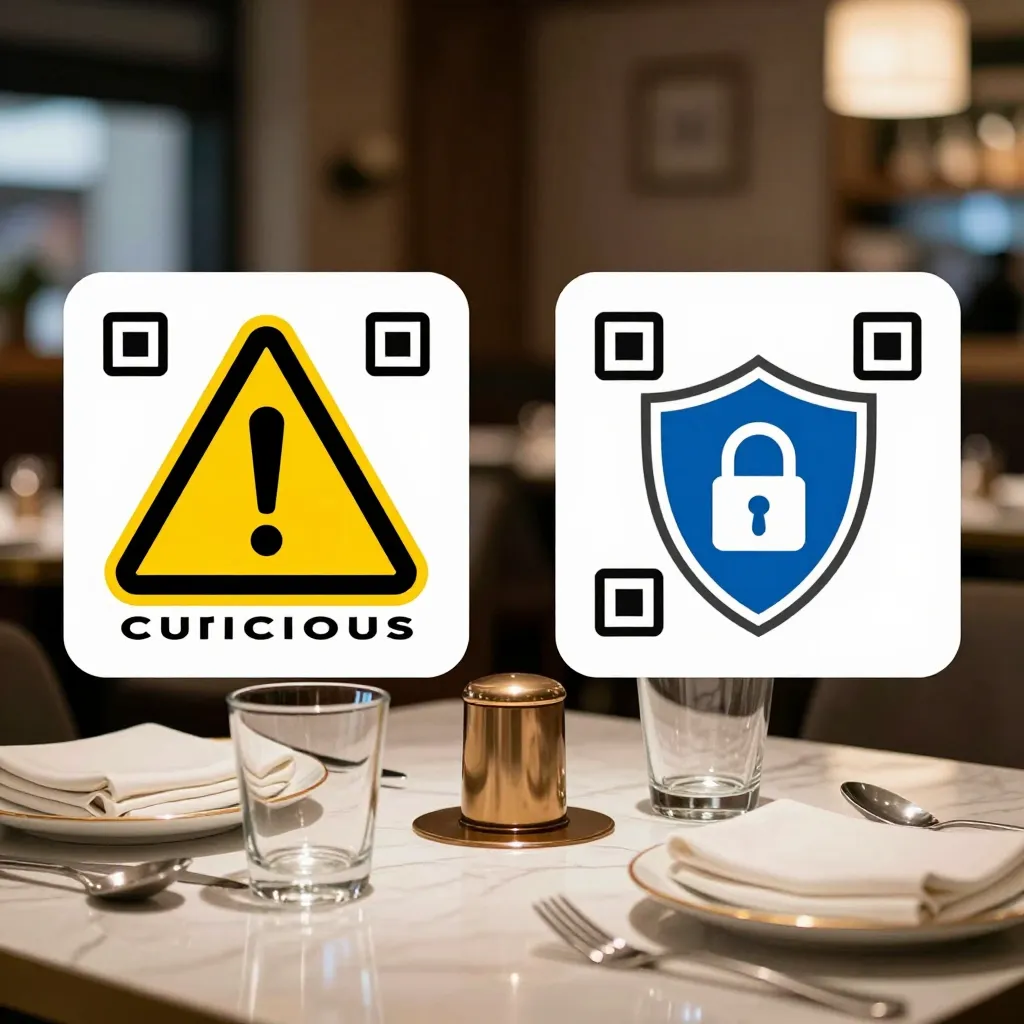
Digital menus solve this problem by acting as a dynamic communication tool between the kitchen and the customer. Unlike a static printed page that can be easily misread or misinterpreted, a digital interface allows for precise labeling, interactive filtering, and detailed ingredient breakdowns. When a guest scans a QR code, they are not just seeing a list of dishes; they are accessing a transparent database of ingredients that highlights exactly what is safe for them. This transparency builds a foundation of trust, ensuring that customers with celiac disease or severe allergies feel confident that their health is being prioritized by the establishment.
Furthermore, digital platforms facilitate real-time updates. If a supplier changes a specific flour blend or if a kitchen implements a new cleaning protocol for allergen-free prep areas, these changes can be reflected instantly on the digital menu. This agility is impossible with paper menus, which require reprinting and distribution, often leading to outdated information being served to guests. By adopting a digital-first approach to allergen management, restaurants demonstrate a commitment to honesty and accuracy, core values that resonate deeply with today's conscious diners.
Structuring Your Digital Menu for Clarity and Safety
Creating a safe digital menu requires more than just listing ingredients; it requires a strategic layout that guides the user's eye to the most important information immediately. The structure of your digital menu must prioritize visibility and ease of use. Start by creating a dedicated "Allergen Information" or "Dietary Needs" section that appears at the top of the menu or is easily accessible via a filter button. This section should clearly state your restaurant's allergen policy, including details about cross-contamination risks in the kitchen, such as the use of shared fryers or prep surfaces.
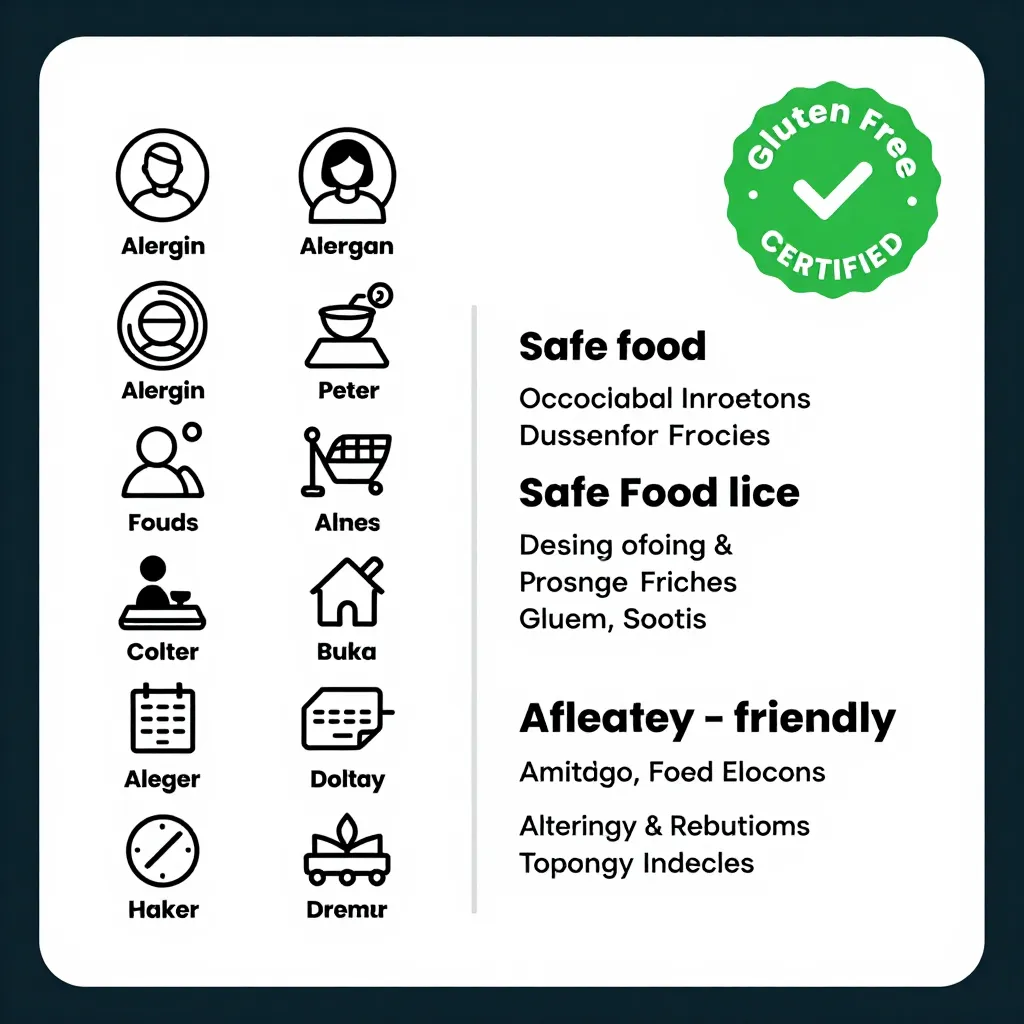
Next, utilize the tagging system provided by your digital menu platform to categorize items. Instead of burying gluten-free status in a footnote, use visual indicators like icons or badges next to each dish name. For example, a green checkmark or a specific "GF" icon can instantly signal that an item is safe. This visual language transcends language barriers, making the menu universally accessible. When describing a dish, avoid vague terms like "may contain traces of wheat." Instead, be specific: "This dish is prepared in a dedicated gluten-free station using certified gluten-free flour." Honesty about the preparation environment is just as important as the ingredients themselves.
Consider the user experience of someone who is anxious about their safety. They are likely scanning the menu with a heightened sense of urgency. Your digital interface should allow them to sort by dietary restriction with a single tap. If a customer selects "Gluten-Free," the menu should automatically filter out items that contain wheat, barley, or rye, leaving only the safe options. This feature not only saves time but also reduces the cognitive load on the customer, allowing them to focus on enjoying their meal rather than worrying about reading fine print. By designing a menu that is intuitive and reassuring, you transform a potentially stressful experience into a welcoming one.
The Power of Detailed Ingredient Transparency
Transparency is the cornerstone of a safe digital menu. In the world of food allergies, ambiguity is dangerous. A digital menu provides the perfect canvas for radical honesty about ingredients. Go beyond the standard "contains wheat" warning and list every single component of a dish. Include information about sauces, thickeners, and garnishes, as these are frequent sources of hidden gluten and allergens. For instance, a seemingly simple soup might be thickened with wheat flour or seasoned with a spice blend containing soy.
Use the digital format to educate your customers while informing them. You can include a brief note explaining why certain ingredients are used or how a specific dish is modified to be gluten-free. For example, you might explain that a specific pasta is made from rice flour and is prepared separately to avoid cross-contamination. This level of detail empowers diners to make informed decisions. It also showcases your culinary expertise and commitment to quality. Customers appreciate knowing that you have taken the time to source safe ingredients and prepare them with care.
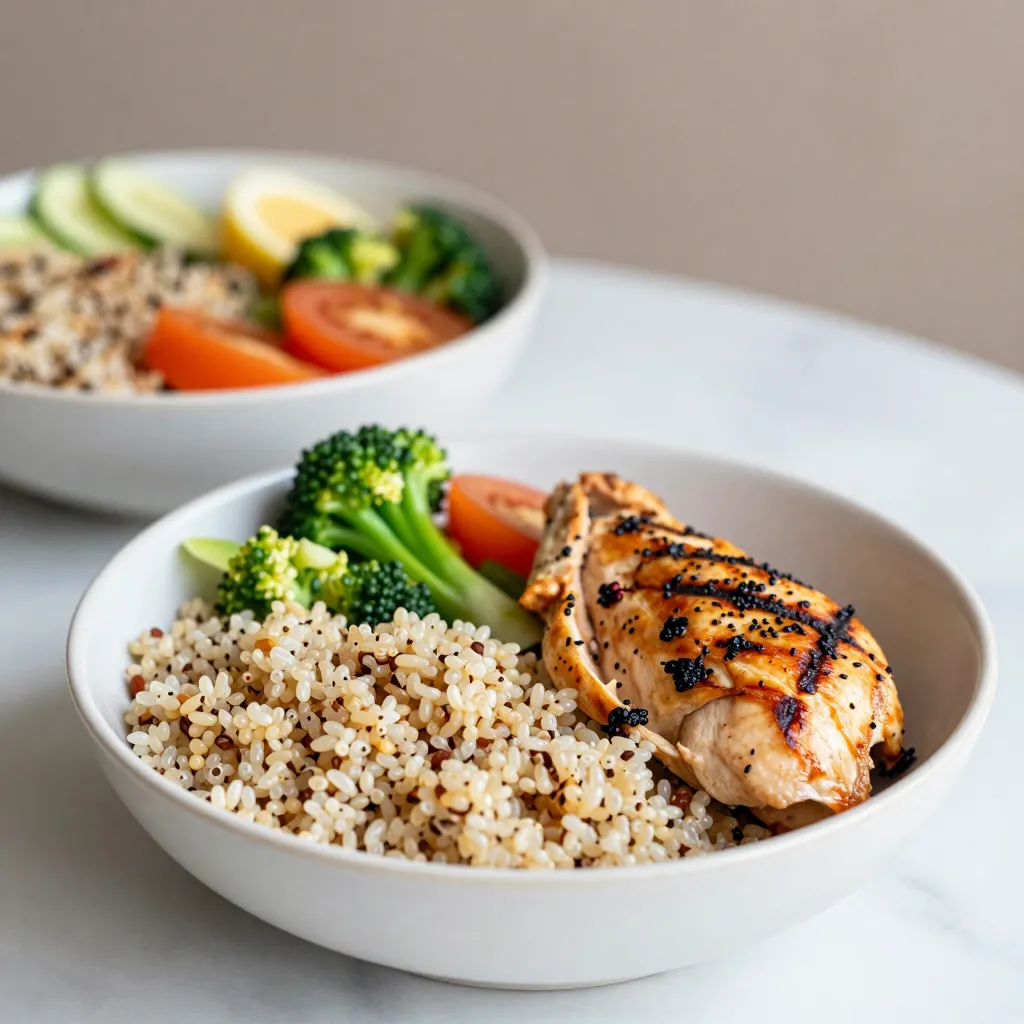
Real-world examples illustrate the impact of this transparency. A cafe that clearly lists "Certified Gluten-Free Bread" and explains the baking process can reassure a customer with celiac disease. Conversely, a menu that vaguely states "our kitchen handles wheat" without specifying how cross-contamination is prevented may cause unnecessary alarm. The key is to be upfront about both the safe and the unsafe aspects of your operations. If a dish is not gluten-free, clearly state the reason and the specific allergen present. This prevents accidental consumption and builds a reputation for integrity. In an industry where trust is everything, being open about what is in your food is the most effective marketing strategy you can employ.
Implementing Robust Kitchen Protocols in Your Digital Display
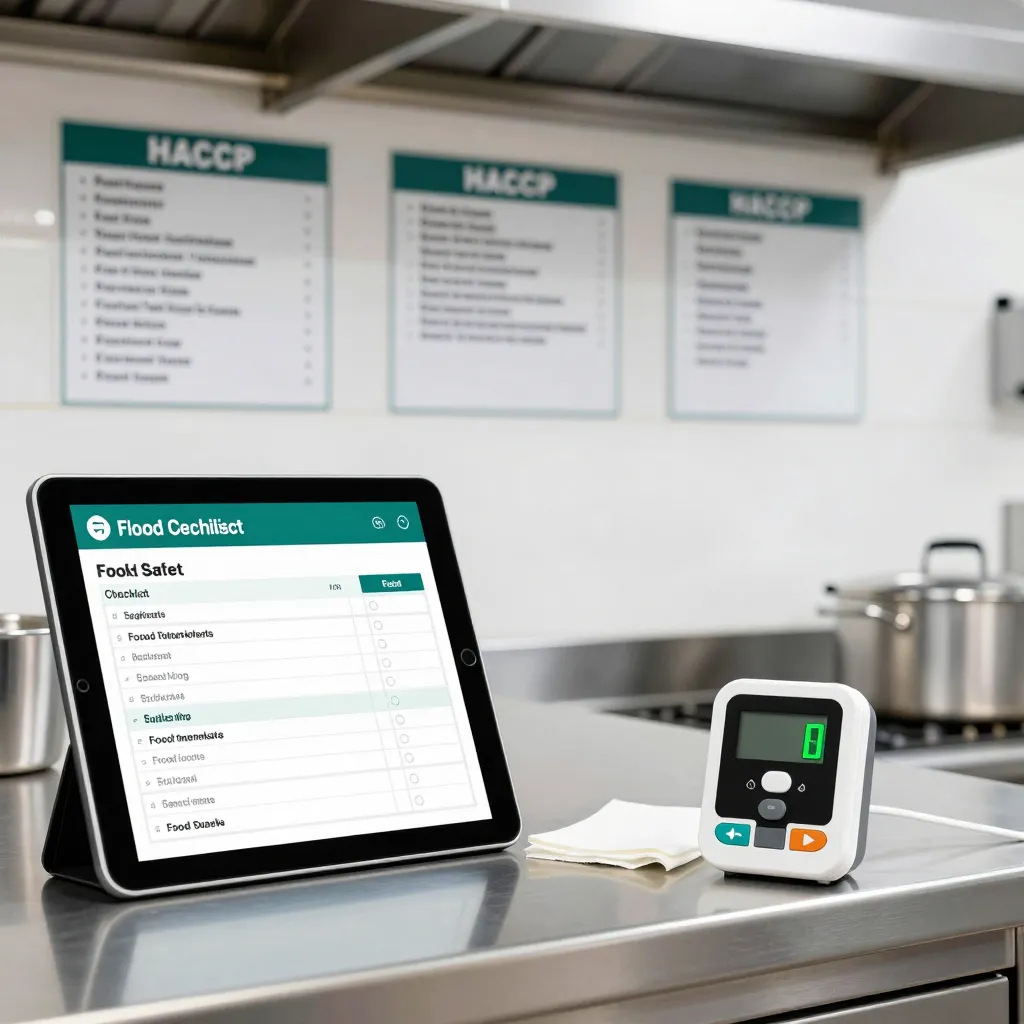
A digital menu is only as safe as the kitchen practices it represents. Your content must accurately reflect your operational standards. If your digital menu claims to offer gluten-free options, your kitchen must have protocols in place to prevent cross-contamination. These protocols should be mentioned in the menu's allergen policy section. Explain your cleaning procedures, the use of separate utensils, and the training your staff has received regarding allergen safety.
For example, you might write: "Our gluten-free menu items are prepared using dedicated pans and utensils. We clean our surfaces with a specialized disinfectant before preparing allergen-free orders." This specific information validates the claims made on the menu. Without these backend practices, the digital menu becomes misleading, which violates the principle of honest and accurate information. Regularly audit your kitchen practices to ensure they align with what you are displaying. If you introduce a new allergen-free product line, update the menu immediately to reflect the new safety measures in place.
Another crucial aspect is staff training. Your digital menu can link to a page with information for customers on what to ask their server, but the server must also be knowledgeable. Ensure that your team understands the difference between gluten intolerance and celiac disease and knows how to handle special requests with the same urgency as an allergic reaction. The digital menu serves as a reference point for both the customer and the staff, creating a unified front in serving safe food. By aligning your digital content with your physical operations, you create a seamless experience that prioritizes guest safety above all else.
Future-Proofing Your Menu with Technology
The landscape of dietary needs is evolving, and so should your digital menu. Technology allows you to adapt quickly to new trends and emerging health concerns. Whether it is the rise of grain-free diets, the increasing prevalence of nut allergies, or the demand for vegan options, a digital platform allows you to update your offerings without the cost and waste of printing new menus. This flexibility ensures that your restaurant remains relevant and responsive to the needs of your community.
Consider integrating features that allow customers to upload photos of their meal or provide feedback on allergen safety. This can be a powerful tool for continuous improvement. If a customer reports a potential issue, you can address it immediately and update your protocols. This interactive element fosters a sense of community and shared responsibility for food safety. It also demonstrates that you are listening to your customers and are committed to maintaining the highest standards of care.
As you plan your digital menu, think about the long-term value of investing in a robust system. The initial setup may require some effort to categorize ingredients and write detailed descriptions, but the payoff is a loyal customer base that trusts your establishment. In a competitive market, the ability to safely accommodate dietary restrictions can be a significant differentiator. Restaurants that excel in this area often see higher customer retention rates and positive word-of-mouth referrals. By leveraging the power of a well-designed digital menu, you are not just serving food; you are serving peace of mind to every guest who walks through your door.
Conclusion
Creating a gluten-free and allergen-safe digital menu is a strategic investment in the safety and well-being of your customers. It combines the benefits of modern technology with a deep commitment to transparency and honesty. By structuring your menu for clarity, providing detailed ingredient information, and aligning your digital content with rigorous kitchen protocols, you create an environment where every diner feels safe and valued. Platforms like upQR make this process accessible, offering the tools needed to build a menu that is not only visually appealing but also functionally safe. Embrace these digital solutions to lead the way in food safety, turning your restaurant into a sanctuary where dietary needs are met with expertise and care.
Related Posts
Ready to create your digital menu?
Create your QR menu in minutes and reach your customers in any language.
