
How to Create a Digital Soup and Salad Bar Menu
Launch a sustainable, transparent digital soup and salad bar with upQR. Reduce waste, clarify allergens, and boost customer confidence with a modern menu system.
Why a Digital Menu is Essential for Modern Soup and Salad Bars
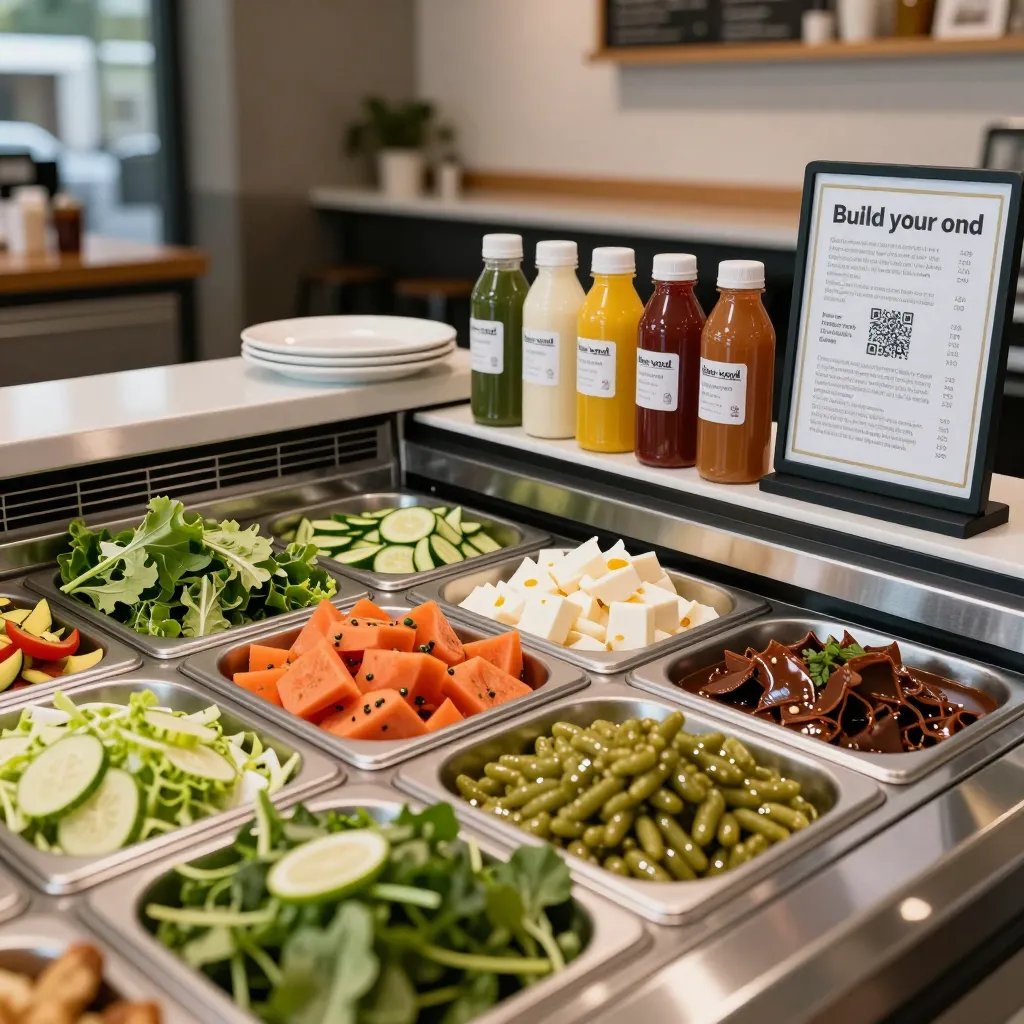
For health-conscious restaurants, the soup and salad bar is often the heart of the operation. However, managing these stations with traditional paper placemats presents significant challenges. A physical menu forces staff to constantly restock, reprint, and sanitize large sheets of paper, leading to unnecessary waste. More critically, paper menus struggle to convey the dynamic nature of fresh food. Ingredients change daily, portion sizes fluctuate based on harvest, and allergen information often gets buried in small print.
Transitioning to a digital soup and salad bar menu solves these issues instantly. By using a platform like upQR, you can update nutritional values in real-time, alert customers if a specific kale variety is out of stock, or highlight a new seasonal broth without ever touching a printer. This immediacy is crucial for health-focused establishments where transparency is the primary selling point. Customers visiting a salad bar expect honesty about what they are eating; a digital interface allows you to deliver that honesty with a single click, building trust from the moment they sit down.
Furthermore, digital menus offer a powerful tool for sustainability, a core value for many modern diners. According to industry data, restaurants that have adopted digital menus have seen a reduction in paper waste of over 40% annually. For a soup and salad bar, which relies heavily on fresh, often locally sourced produce, this alignment between your operations and your values resonates deeply with your target audience. It tells a story of care for the planet that extends from the farm to the table.
Designing for Clarity: The Power of Ingredient Transparency
The biggest hurdle for soup and salad bars is the "mystery" of the ingredients. A customer might see a bowl of greens but not know if it contains hidden sulfites or if the dressing is high in sodium. A well-designed digital menu eliminates this guesswork. With upQR, you can structure your menu to prioritize transparency, breaking down every component of a complex dish.
Consider a standard Caesar salad. On a paper menu, it might simply say "Caesar Salad with Croutons." On a digital menu, you can expand this into a detailed view that lists: romaine hearts, house-made croutons, parmesan reggiano, garlic, and olive oil. You can then add a dedicated section for allergens, clearly marking gluten-free, nut-free, or dairy-free options. This level of detail is not just helpful; it is a competitive advantage. It allows customers with dietary restrictions to feel safe and empowered to order confidently.
To implement this effectively, use the categorization features of your digital menu builder. Create distinct sections for "Bases," "Proteins," "Toppings," and "Dressings." This modular approach helps customers build their own bowls while understanding exactly what they are adding. You can also use the digital format to highlight specific nutritional metrics, such as grams of protein per serving or calorie counts, right next to the price. This honesty about pricing and nutrition removes the fear of hidden fees or misleading descriptions that often plague the food service industry.
Real-world example: A local health cafe recently switched to a digital menu to address customer complaints about confusing allergen labeling. By using upQR, they created a "Safety First" tab that appeared on every order screen. This tab allowed customers to toggle a filter that only showed items safe for their specific needs. The result was a 15% increase in orders from customers with dietary restrictions, as they no longer felt anxious about accidentally consuming an allergen. This transparency fosters a loyal customer base that values your integrity.
Enhancing the Dining Experience with Interactive Features
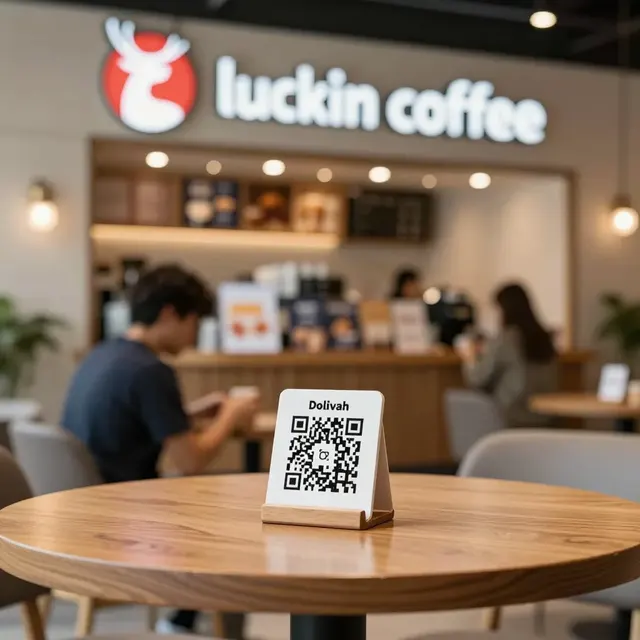
A digital menu is more than just a list of items; it is an interactive experience that can elevate the perception of your food. For a soup and salad bar, visual appeal is paramount, but static photos are often insufficient. Digital platforms allow for dynamic content that engages the senses before the food even arrives.
One effective strategy is to use short video clips or high-resolution GIFs for your signature broths or fresh-squeezed dressings. Showing a slow-roasted vegetable soup bubbling or a vibrant pesto being tossed into a bowl creates a sensory experience that static text cannot match. This is particularly effective for soup bars where the aroma and texture are key selling points. Customers can see the steam rising, which psychologically primes them to appreciate the warmth and freshness of the dish.
Another interactive feature is the ability to customize orders directly on the screen. Instead of writing down requests on a napkin, customers can use a digital form to specify their protein choice, request extra lemon juice, or ask for the salad to be served over quinoa instead of rice. This reduces errors in the kitchen and speeds up the service process. It also provides valuable data for your business. You can track which customizations are most popular, helping you refine your menu or adjust your inventory for the next day.
Integration with loyalty programs is another seamless feature of a digital menu. You can offer a "Build Your Bowl" reward where customers earn points for trying new toppings or choosing a plant-based option. This gamification encourages exploration and keeps the menu feeling fresh and exciting. It transforms the simple act of ordering a salad into a fun, engaging activity that aligns with the health and wellness lifestyle of your patrons.
Optimizing for Universal Access and Language Diversity
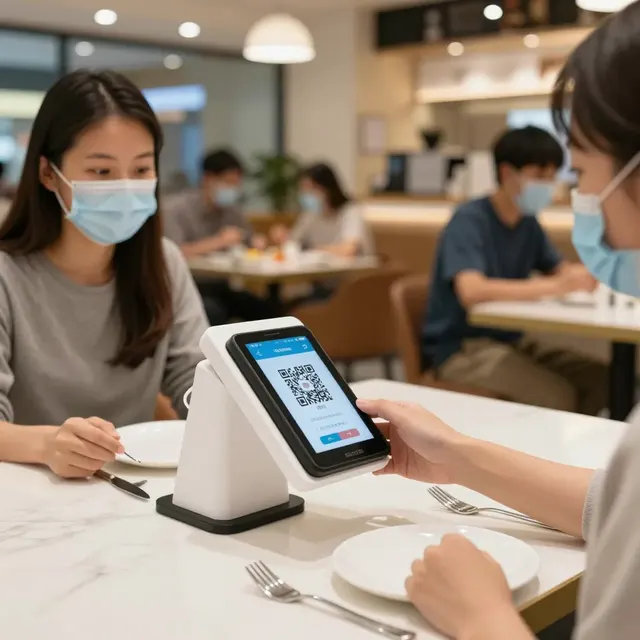
Health and wellness are universal concepts, but language and literacy barriers can prevent some customers from accessing your food. A digital soup and salad bar menu is the ultimate tool for inclusivity. Unlike a paper menu that requires everyone to read English fluently, a digital platform can support multiple languages instantly. With upQR, you can switch the menu language to Spanish, French, or Mandarin with a single click, ensuring that non-native speakers can navigate your offerings with ease.
This feature is particularly important for communities with diverse linguistic backgrounds. By making your menu universally accessible, you demonstrate a commitment to serving everyone, regardless of their background. This aligns perfectly with the value of universal access, ensuring that no one is left out of the dining experience.
Furthermore, digital menus can include accessibility features such as adjustable font sizes and high-contrast modes for customers with visual impairments. You can also integrate screen reader compatibility, allowing visually impaired guests to hear a detailed description of your dishes. For example, a screen reader can read out: "Grilled chicken salad with mixed greens, cherry tomatoes, and a honey-mustard dressing, containing no nuts." This level of accommodation is often impossible to achieve with a printed placemat and sends a powerful message about your restaurant's commitment to equity and respect.
Consider the scenario of a tourist visiting your city. They may not speak the local language well and may be unfamiliar with local dietary customs. A digital menu that offers translations and clear, simple descriptions helps them navigate the menu confidently. This reduces anxiety and allows them to focus on enjoying the food and the atmosphere. It turns a potentially stressful experience into a welcoming one.
Driving Sustainability and Reducing Operational Costs
The environmental impact of the restaurant industry is a growing concern, and the soup and salad bar is no exception. Traditional paper menus are a significant source of waste, especially in high-volume establishments where paper is used repeatedly but eventually discarded. A digital menu eliminates this waste entirely, contributing to a greener footprint for your business.
UpQR's digital solution is designed with sustainability in mind. The platform runs on efficient servers and encourages the reduction of single-use paper products. By switching to a digital menu, you are not just saving trees; you are signaling to your customers that you take environmental responsibility seriously. This is a tangible action that supports the "environmentally conscious" mission of upQR.
Operationally, a digital menu also reduces costs associated with printing and storage. You no longer need to stock reams of paper, invest in ink cartridges, or manage a cluttered kitchen counter full of menu boards. The only cost is the initial setup and the subscription to the platform, which is often far cheaper than the cumulative cost of printing and replacing menus every few months. Additionally, you save time. Updating a digital menu takes seconds, whereas reprinting a paper menu requires ordering, waiting for delivery, and manually distributing new copies to every table.
Think of the long-term savings. If you run a busy soup and salad bar, you might go through dozens of paper menus a year. Over five years, the cost of paper, ink, and labor to manage them adds up quickly. A digital menu pays for itself within the first year by eliminating these recurring expenses. This financial efficiency allows you to reinvest those savings into better ingredients or staff training, further enhancing the quality of your service.
Conclusion: Embrace the Future of Fresh Dining
Creating a digital soup and salad bar menu is not just a technological upgrade; it is a strategic move that aligns with the values of modern health-conscious consumers. By choosing a platform like upQR, you gain the ability to be transparent about ingredients, accessible to everyone regardless of language or ability, and committed to reducing your environmental footprint. The flexibility to update menus in real-time ensures that your customers are always served the freshest, most accurate information available.
Whether you are a small cafe or a large chain, the benefits of a digital menu are clear. It builds trust, reduces waste, and enhances the overall dining experience. Don't let outdated paper menus hold your fresh, healthy food back. Take the step toward a more sustainable, transparent, and inclusive dining future with upQR. Your customers will appreciate the clarity and care you put into every bowl, and your business will thrive in a competitive market that demands honesty and innovation.
Related Posts
Ready to create your digital menu?
Create your QR menu in minutes and reach your customers in any language.