
Create a Winning Breakfast Menu for Digital Platforms
Learn how to design a standout breakfast menu for QR codes. Boost sales, reduce waste, and serve customers faster with these expert digital menu tips.
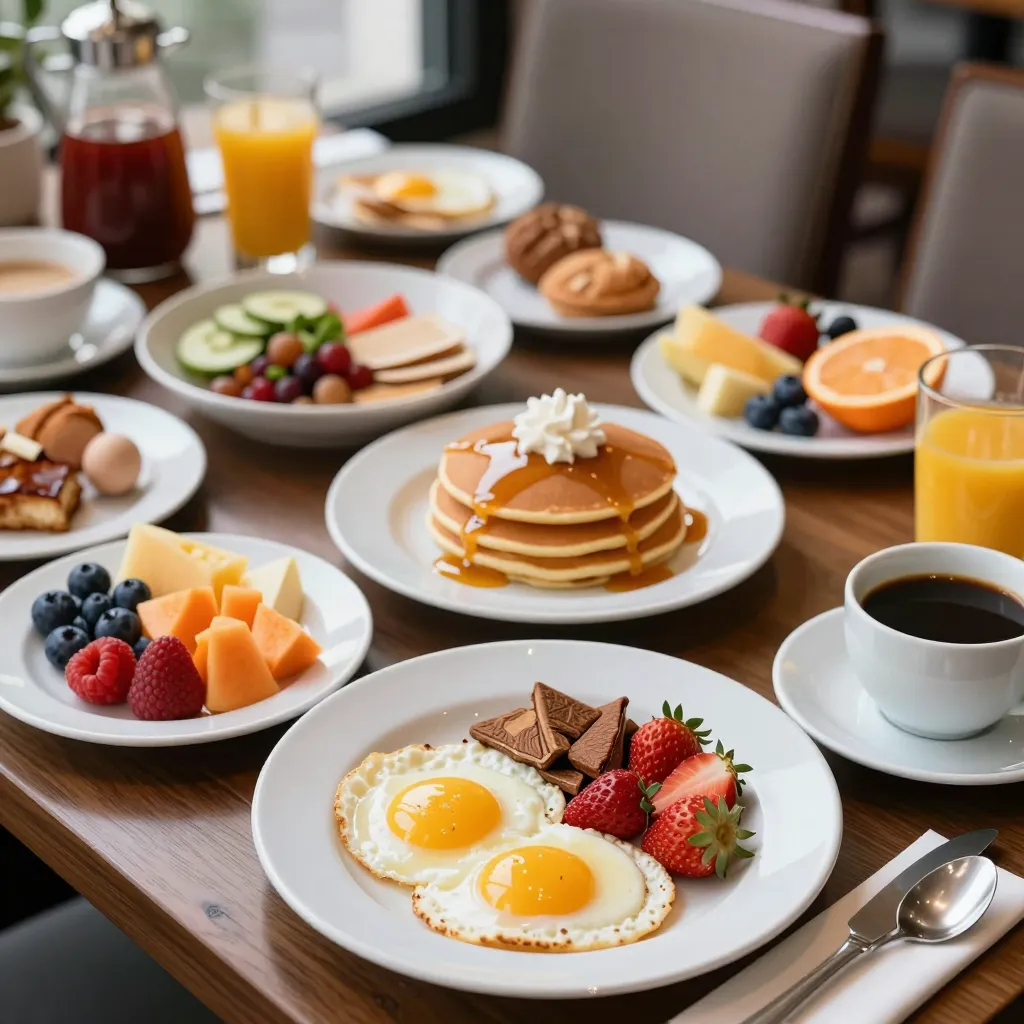
Why Digital Breakfast Menus Are Essential for Modern Cafes
The morning rush is the most critical window of the day for many cafes and restaurants. However, traditional paper menus often fail during these high-volume periods. They create bottlenecks at the counter, increase waste, and struggle to convey the freshness and quality that defines a great breakfast. Digital platforms have revolutionized this experience by allowing businesses to update offerings in real-time, manage inventory efficiently, and provide a seamless ordering experience that keeps lines moving.
According to recent industry data, digital menus can reduce order processing time by up to 40% compared to traditional paper formats. For a busy cafe, this difference means the difference between a customer leaving with their coffee and a pastry, or having to wait an extra five minutes while the staff manually updates a board. Beyond efficiency, digital platforms offer a level of transparency that paper simply cannot match. Customers can instantly see allergen information, ingredient sourcing, and nutritional facts, fostering trust from the very first sip of their morning brew.
Furthermore, sustainability is no longer just a buzzword; it is a core expectation for modern diners. By eliminating the need to reprint menus weekly or seasonally, cafes significantly reduce their carbon footprint. This aligns perfectly with the values of environmentally conscious consumers who are increasingly looking for businesses that care about the planet. A digital menu ensures that every dollar spent on food goes into the kitchen, not the trash bin.
Structuring Your Menu for Speed and Clarity
Breakfast customers are often hungry and in a hurry. They need to make decisions quickly without feeling overwhelmed by a cluttered, confusing layout. The structure of your digital menu plays a pivotal role in guiding the customer's journey from curiosity to purchase. A well-organized digital menu should lead the eye naturally through categories, highlighting bestsellers and seasonal specials without causing decision paralysis.
Start by categorizing your items logically. Instead of a long, unbroken list, group items into clear sections such as 'Hot Breakfasts,' 'Cold Brunch,' 'Coffee & Teas,' and 'Bakery Items.' This segmentation helps customers find what they want instantly. Within these categories, use bold headers and clear pricing to ensure there is no ambiguity. Hidden fees or unclear pricing are a major turn-off for customers, so ensure every line item is transparent and accurate.
Visual hierarchy is just as important as text. Use larger fonts for category titles and slightly smaller, yet legible, text for descriptions. Consider using icons or small images to denote dietary preferences, such as a leaf for vegan options or a wheat icon for gluten-free choices. This visual cue allows customers to filter their options mentally before they even read the full description, speeding up the decision-making process. Remember, the goal is to make the customer feel confident in their choice within seconds.
Another powerful strategy is to highlight your 'breakfast of the day' or seasonal specials prominently. Since digital menus allow for dynamic updates, you can change the featured item daily without reprinting anything. This encourages repeat customers to try new things and keeps the menu feeling fresh and exciting. By rotating these specials, you also help manage inventory levels, ensuring that ingredients with a shorter shelf life are used before they expire, which is both cost-effective and environmentally responsible.
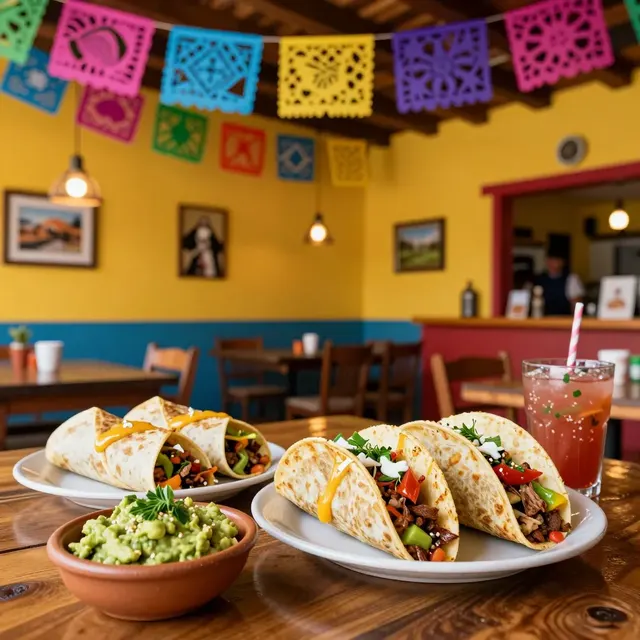
Optimizing Content for Engagement and Conversion
Having a clean layout is only half the battle; the content within your menu determines whether a customer orders or scrolls past. The description of your food is your primary sales tool. Avoid generic phrases like 'delicious' or 'tasty.' Instead, be specific and evocative. Describe the texture of the eggs, the origin of the coffee beans, or the type of sourdough used in your bagels. When a customer reads 'fluffy, farm-fresh eggs with a hint of chive,' they can almost taste it, increasing the likelihood of an order.
Transparency is key to building a loyal customer base. Customers appreciate honesty about ingredients. If you use locally sourced produce, mention it. If you offer a house-made sauce, explain what it contains. This level of detail not only educates the customer but also builds a narrative around your brand. It tells a story about your commitment to quality and sustainability. For instance, you might note that your avocado toast uses avocados from a specific local farm, supporting the community while delivering a fresh product.
Don't forget the power of storytelling in your descriptions. Explain why a particular dish is a favorite among regulars or how a recipe was adapted to meet dietary needs. This humanizes your brand and creates an emotional connection. For example, you could share that your blueberry muffins are made with organic berries picked at dawn to ensure peak ripeness. These small details add value beyond the calories and transform a simple menu into a brochure for your culinary philosophy.
Accessibility is another crucial aspect of content optimization. Ensure that your text is readable on various devices and screen sizes. Use high-contrast colors for text and background to accommodate customers with visual impairments. A menu that is difficult to read on a smartphone screen will drive away customers who rely on assistive technologies. By making your menu accessible, you ensure that everyone, regardless of their abilities or language background, can enjoy your offerings. This inclusivity strengthens your reputation as a community-focused business.

Utilizing Data to Refine Your Breakfast Offerings
One of the most significant advantages of a digital menu platform is the ability to track performance. Unlike a paper menu, a digital system can provide insights into which items are selling well, which are sitting on the shelf, and at what times of the day orders peak. This data is invaluable for making informed decisions about your menu and operations.
Use these insights to optimize your inventory and reduce food waste. If the data shows that your savory breakfast sandwiches are selling twice as fast as your sweet pastries, consider adjusting your prep levels accordingly. This proactive approach ensures that you are never over-ordering ingredients that will go to waste, saving money and reducing environmental impact. Similarly, if a specific item consistently receives low engagement, analyze the feedback. Is the price too high? Is the description unclear? Or is the item simply not appealing to your current demographic?
Seasonal trends also play a massive role in breakfast consumption. Digital tools can help you identify when customers start craving lighter, fruit-based options as the weather warms up, or when they return to hearty, comfort foods in the colder months. By adjusting your menu offerings based on this data, you stay relevant and responsive to customer needs. For example, introducing a 'spring brunch' section with lighter salads and fresh fruit tarts in March can capitalize on changing consumer moods and weather patterns.
Furthermore, tracking peak hours helps you manage staffing and kitchen efficiency. If your digital menu shows a spike in orders between 7:30 AM and 8:30 AM, ensure your kitchen is fully staffed and prepared during that window. Conversely, if you notice a dip in orders after 10:00 AM, you might want to introduce a 'second breakfast' or 'mid-morning snack' section to capture that revenue stream. Data-driven decision-making transforms your breakfast menu from a static list into a dynamic tool for growth.
Integrating Upselling and Personalization Strategies
While efficiency is important, increasing the average order value is equally critical for profitability. Digital menus offer unique opportunities for upselling that paper menus simply cannot provide. You can create 'combo deals' or 'breakfast bundles' that encourage customers to try multiple items. For instance, offer a 'Morning Fuel Pack' that includes a coffee, a muffin, and a breakfast sandwich at a discounted price. This not only increases the ticket size but also simplifies the ordering process for customers who are unsure of what to order.
Personalization is another powerful feature of digital platforms. You can use customer data (with their permission) to send targeted promotions or reminders. Imagine sending a push notification to a customer's phone on their birthday with a free pastry offer, or reminding a regular customer about a new seasonal item that matches their usual preferences. These personalized touches make customers feel valued and increase the likelihood of them returning.
Don't underestimate the power of limited-time offers. Digital menus allow you to create a sense of urgency that paper menus cannot. You can highlight a 'Flash Sale' on a specific item for just a few hours, creating a buzz and encouraging immediate action. This strategy is particularly effective for moving excess inventory or testing new recipes. By creating scarcity, you tap into the psychological principle of FOMO (fear of missing out), driving higher conversion rates.
Finally, ensure that your menu is mobile-friendly. Most customers will access your menu via a smartphone, so the design must be responsive and intuitive. Test your menu on different devices to ensure that buttons are easily tappable and images load quickly. A smooth, fast user experience leads to higher satisfaction and more orders. Remember, the goal is to make the customer's life easier, not more complicated. By streamlining the ordering process and adding value through personalization and upselling, you turn your breakfast menu into a powerful engine for your business's success.
Conclusion
Creating a breakfast menu that stands out on digital platforms requires a blend of strategic design, engaging content, and data-driven insights. By focusing on clarity, sustainability, and customer experience, you can transform your cafe into a destination that customers love to return to. upQR provides the perfect foundation for this journey, offering a robust digital menu system that aligns with your values of transparency and environmental responsibility. With upQR, you gain access to powerful tools that help you manage your menu, track performance, and connect with your customers in meaningful ways. Ready to elevate your breakfast offering? Join the upQR community today and start building a menu that not only feeds your customers but also feeds your business's growth.
Related Posts
Ready to create your digital menu?
Create your QR menu in minutes and reach your customers in any language.