
How 5G Speeds Up QR Ordering for Restaurants
Discover how 5G technology transforms customer dining experiences by reducing loading times and enabling high-quality media on your digital menus.
Why Connection Speed Matters for Digital Menus
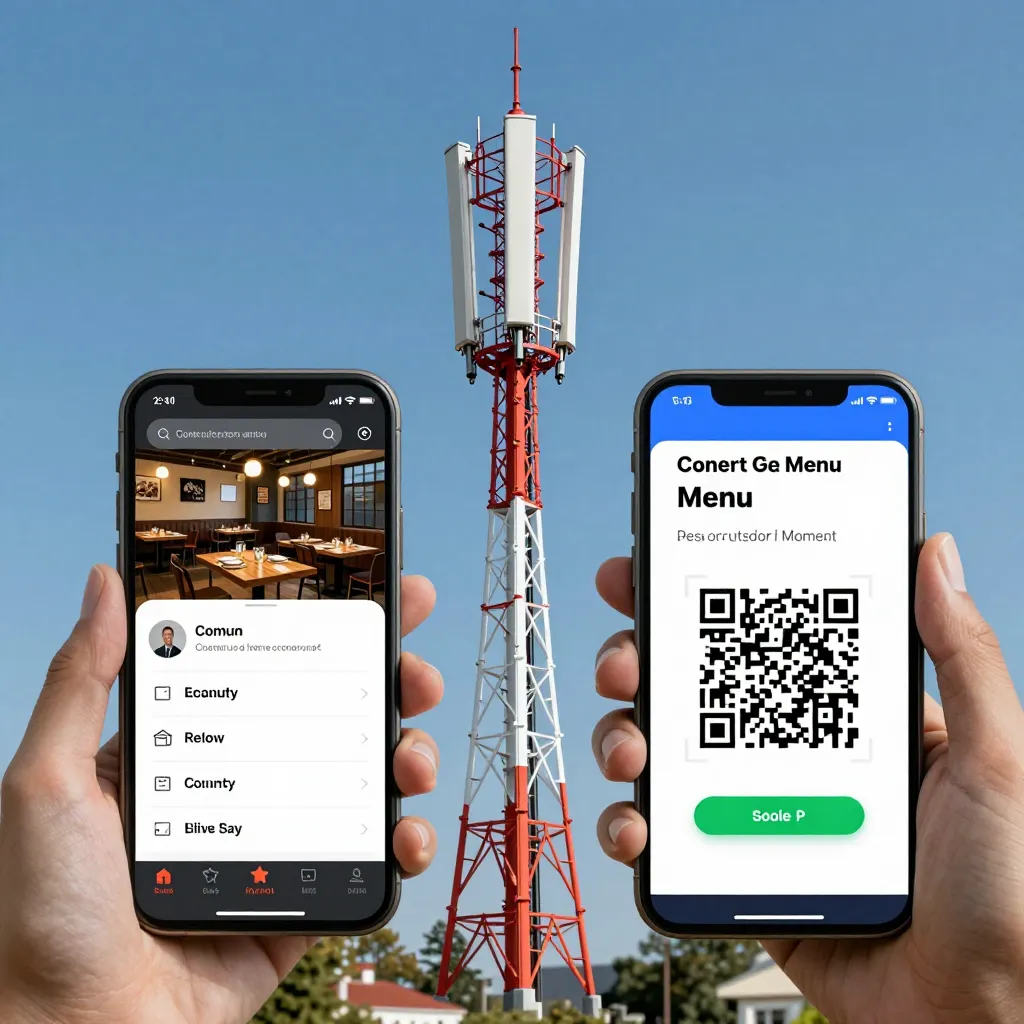
In the modern dining landscape, the difference between a customer ordering their meal immediately and waiting ten seconds for a menu to load can determine whether they stay seated or leave for a competitor. For restaurant owners and cafe managers, this split-second decision is critical for maintaining table turnover and customer satisfaction. While 4G networks have been the backbone of mobile connectivity for years, the emergence of 5G technology represents a significant leap forward in how digital menus function in high-traffic environments.
The core value of a QR code menu lies in its accessibility, but accessibility is only useful if the experience is seamless. Slow loading times often frustrate customers, leading to abandoned orders and negative reviews. According to recent web performance studies, 40% of mobile users abandon a site if it takes longer than three seconds to load. In a restaurant setting, where customers are often standing or walking, patience levels are even lower. 5G networks, capable of speeds up to 100 times faster than 4G, drastically reduce this latency. This means high-resolution images of dishes, detailed ingredient lists, and complex interactive elements load instantly, ensuring that every customer, regardless of their location in the restaurant, receives a smooth experience.
Enhancing Visual Appeal with High-Resolution Media
One of the most tangible benefits of 5G for restaurant digital menus is the ability to serve ultra-high-definition images without compromising page load speeds. In the food industry, "food porn"-high-quality, mouth-watering photography-is essential for driving sales. With 4G, loading a gallery of 20 high-resolution images of a steak, a salad, and a dessert might take several seconds, causing the menu to feel sluggish. 5G allows restaurants to display 4K images that showcase the texture and freshness of ingredients, making the food appear more appetizing.
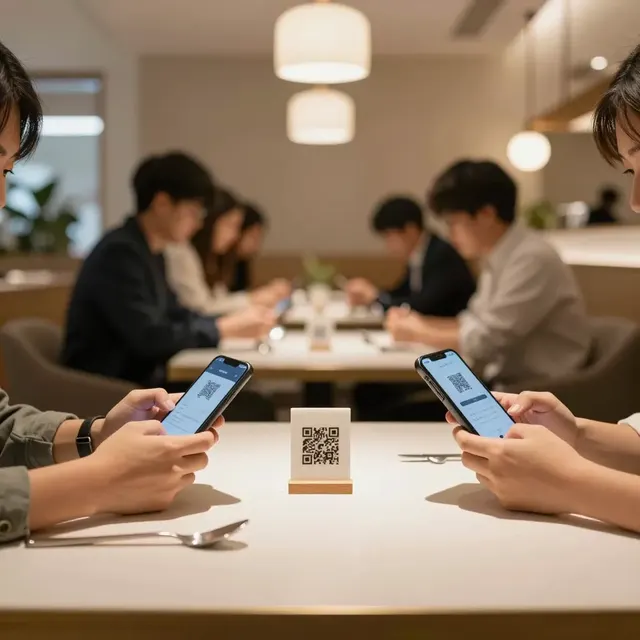
Consider a busy bistro where a customer is scanning a QR code to order a specialty burger. On a 4G connection, the image might appear pixelated or take time to fully render. On 5G, the image appears instantly, allowing the customer to appreciate the detail of the sear on the meat or the crispness of the lettuce. This visual fidelity is crucial for upselling premium items. When customers can clearly see the quality of the ingredients, they are more likely to order the featured dishes. For restaurant owners utilizing platforms like upQR, this means you can invest in professional photography without worrying about bandwidth limitations. The technology ensures that the visual presentation matches the quality of your food, reinforcing the brand's commitment to excellence.
Seamless Experiences in High-Traffic Environments
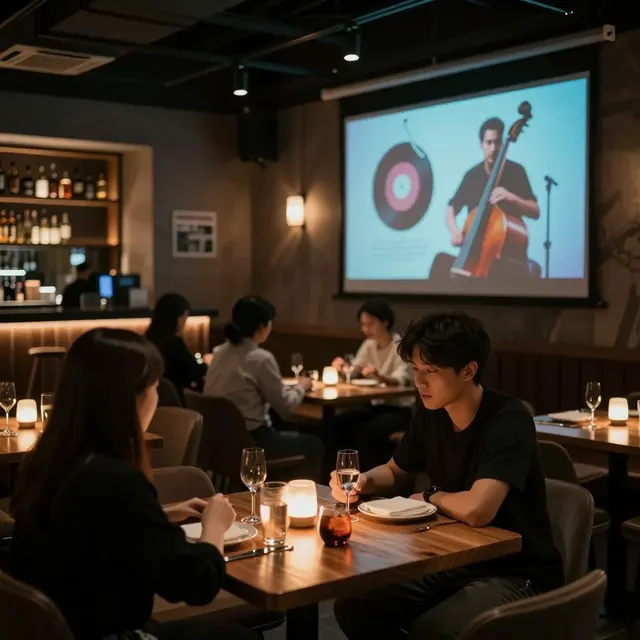
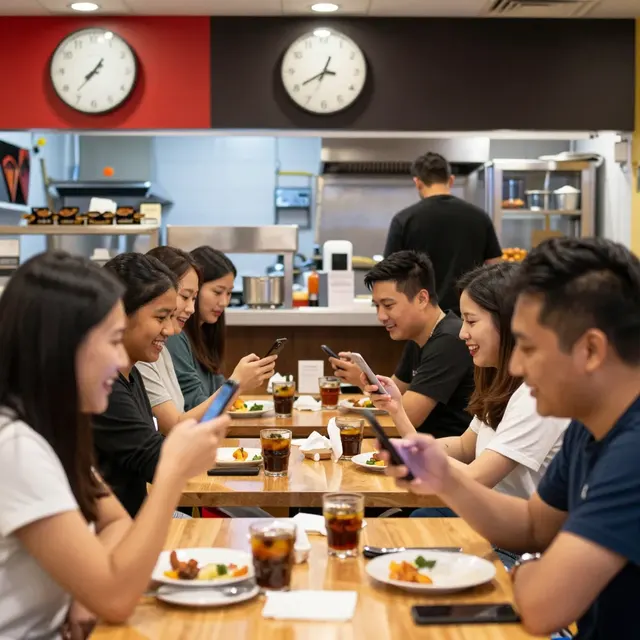
Restaurants often face unique connectivity challenges, especially in crowded spaces like stadiums, festivals, or busy city centers where many devices compete for the same network signal. 4G networks in these areas can become congested, leading to dropped connections or extremely slow speeds. 5G, however, offers significantly higher capacity and better handling of network congestion. This is vital for restaurants that host large groups or operate in dense urban areas.
Imagine a popular cafe hosting a wedding party of 30 people, all scanning the same QR code simultaneously. On a congested 4G network, this could result in timeouts and errors, frustrating the entire party. With 5G, the network handles the surge in traffic effortlessly, ensuring that every guest can place their order independently and instantly. This reliability is a key differentiator for food service professionals who want to guarantee a flawless ordering experience. It reduces the need for staff to intervene and manually take orders, allowing them to focus on hospitality rather than troubleshooting connectivity issues. The stability provided by 5G ensures that your digital menu remains a reliable tool for operations, even during peak hours when the restaurant is most busy.
Enabling Advanced Interactive Features
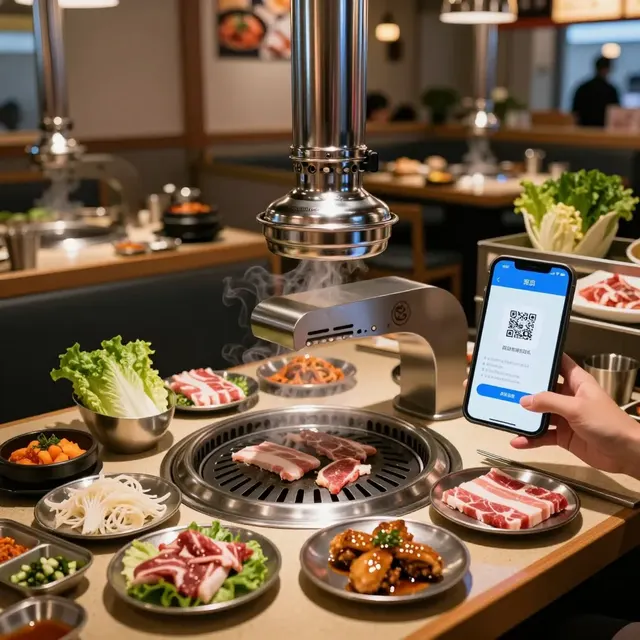
The potential of 5G extends beyond simple text and images; it unlocks the door to advanced interactive features that were previously impractical due to bandwidth constraints. These features can enhance transparency and engagement, two core values of modern digital dining. For instance, restaurants can embed short, high-quality video clips directly into the menu items. A customer could watch a chef prepare a dish or see a timelapse of how a sourdough bread is baked, adding an educational and entertaining layer to the ordering process.
Furthermore, 5G facilitates the use of augmented reality (AR) experiences. A customer could point their phone at a menu item and see a 3D model of the dish or visualize how the food looks on their plate. While these features may seem futuristic, they are becoming increasingly relevant as customer expectations rise. 5G makes these data-heavy applications viable on standard mobile devices. For restaurants focused on sustainability and transparency, video content can also be used to explain sourcing practices or show the farm-to-table journey of ingredients. This level of detail, delivered instantly on a 5G network, builds trust with customers who want to know exactly what they are eating. It transforms a static list of prices into a dynamic storytelling platform that highlights the care and effort put into every meal.
Practical Steps to Leverage 5G for Your Business
Restaurant owners and managers do not need to be technology experts to benefit from 5G, but understanding how to optimize for it is essential. Here are practical steps to ensure your digital menu strategy takes full advantage of faster network speeds:
- Optimize Image Assets: While 5G allows for larger files, it is still good practice to serve appropriately sized images. Use responsive images that load quickly on slower connections while taking full advantage of 5G speed on capable devices. This ensures inclusivity for all customers, aligning with the value of universal access.
- Implement Lazy Loading: Configure your menu platform to load images as the user scrolls down the page. This technique, combined with 5G, ensures that the initial menu loads instantly, with content appearing smoothly as the user interacts with it.
- Test on Multiple Networks: Regularly test your digital menu on both 4G and 5G networks, as well as on different Wi-Fi setups. Identify any bottlenecks in your content delivery and adjust your media library accordingly.
- Focus on Mobile-First Design: Ensure that your layout is responsive and lightweight. A cluttered interface can slow down performance regardless of the network speed. A clean, fast-loading design maximizes the benefits of 5G.
- Monitor Performance Metrics: Use analytics tools to track load times and user behavior. If you notice a drop in engagement during peak hours, investigate potential network issues or optimize your content delivery.
By adopting these strategies, restaurants can future-proof their operations. As 5G adoption continues to grow in urban areas and even in rural locations, being ready to leverage this speed will give you a competitive edge. It signals to customers that your business is modern, efficient, and committed to providing the best possible experience.
Conclusion: Building a Faster, More Transparent Future
The integration of 5G technology into restaurant operations is not just about speed; it is about enhancing the entire customer journey. From the moment a customer scans a QR code to the moment their food arrives, every second counts. 5G eliminates the friction of slow loading times, allowing high-quality visuals and interactive content to shine. This technological advancement supports the core mission of digital menus: to provide transparent, honest, and accessible information to every diner.
For restaurant owners looking to implement these advancements without the hassle of managing complex infrastructure, upQR offers a robust solution. Our platform is designed to be fast, reliable, and adaptable, ensuring that your digital menu performs optimally whether your customers are on 5G, 4G, or Wi-Fi. By choosing upQR, you are not just adopting a new tool; you are committing to a future where technology serves your food, your values, and your customers with speed and precision. Embrace the power of 5G today to create a dining experience that is as fast as it is delicious.
Related Posts
Ready to create your digital menu?
Create your QR menu in minutes and reach your customers in any language.