Robot Waiters vs. QR Ordering: Which Automation Wins?
Explore how robot waiters and QR ordering reshape dining. Discover why upQR's digital menus offer better transparency and universal access than robotics.
The Surge of Robotics in Modern Dining
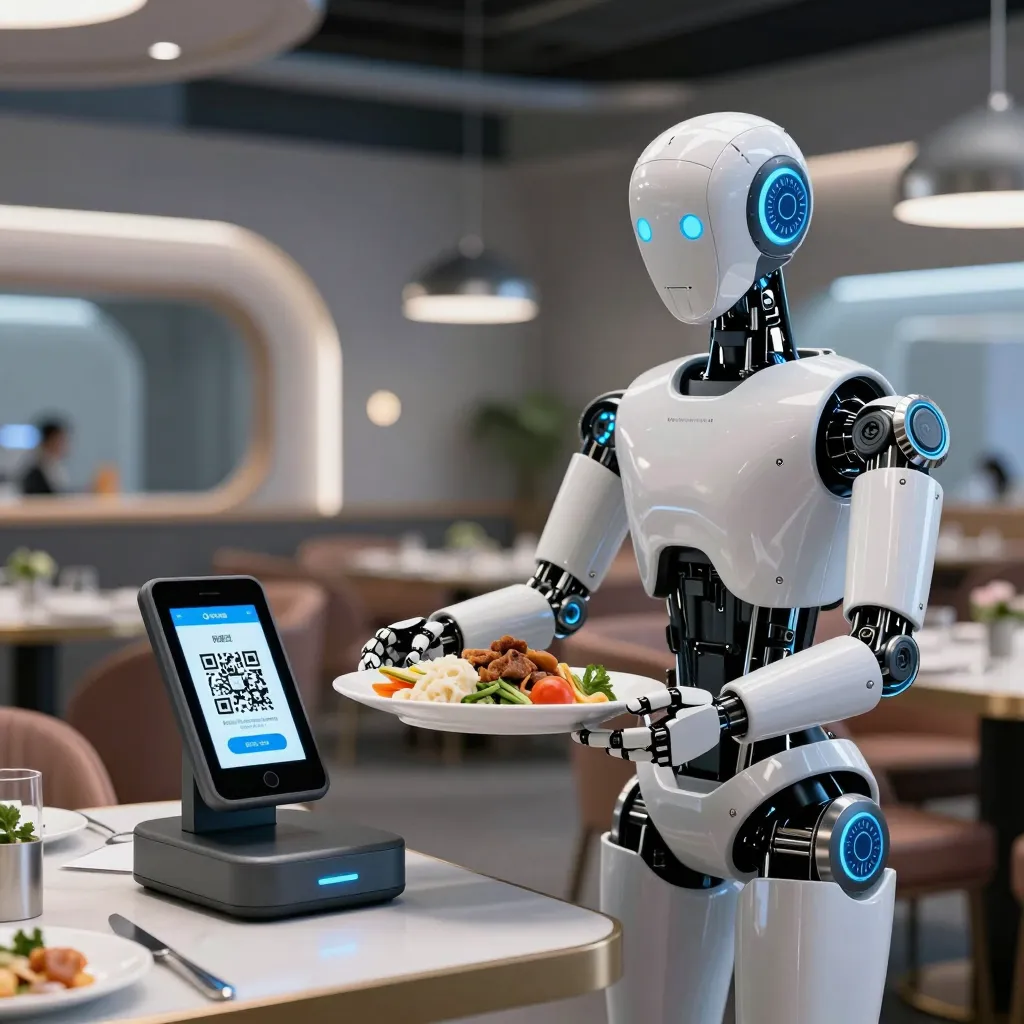
Walking into a trendy bistro or a high-end hotel lobby today, it is increasingly common to spot machines navigating the floor. From coffee-fetching bots to tray-carrying drones, the restaurant industry is witnessing a genuine surge in robotic automation. This trend is driven by a desire to reduce labor costs, streamline operations, and create a futuristic customer experience. However, while robot waiters capture headlines and social media attention, the most transformative automation tool for restaurants has quietly revolutionized service: the digital QR menu.
It is crucial to distinguish between these two forms of automation. Robot waiters are often a marketing gimmick or a solution to specific, high-volume logistics like delivering drinks. In contrast, QR ordering represents a fundamental shift in how information is exchanged between the kitchen and the customer. The rise of robots does not negate the need for digital menus; rather, they serve different purposes. Robots handle physical delivery, while QR menus handle the critical stages of decision-making, transparency, and order accuracy. For a sustainable and honest business model, understanding the true value of each is essential.
Transparency: The Core Value of Digital Menus
One of upQR's foundational values is transparency. When a customer scans a QR code, they are not just looking at pictures; they are accessing a database of truth. They can see exactly what they are ordering, including detailed ingredient lists, allergen warnings, and nutritional data. This level of honesty is difficult to replicate with physical menus, let alone robotic interactions.
Consider the scenario of a customer with a severe nut allergy. With a physical menu, they must ask a server, hope the staff remembers, and risk cross-contamination. With upQR, the allergen information is instantly visible, color-coded, and impossible to ignore. Robots, by their nature, are machines that follow instructions; they cannot inherently verify ingredients or communicate dietary needs without a backend system that supports it. The automation provided by a QR menu ensures that the customer retains control over their safety and dietary choices. This transparency builds trust, which is the currency of any food service business. Customers feel safe knowing that the information they see on their phone is accurate, up-to-date, and fully disclosed.
Universal Access: Breaking Language and Cultural Barriers
Another pillar of our mission is universal access. A digital QR menu ensures that everyone knows what they are eating, regardless of language or dietary needs. This is a significant advantage over robot waiters, which often struggle with the nuances of human communication. If a robot fails to deliver a drink or misunderstands a complex order, the customer is left waiting. If a menu is in a language the customer does not speak, they cannot order at all.
With upQR, restaurant owners can instantly update menu descriptions and translations. A tourist visiting a foreign city can scan the code and see the menu in their native language. This removes the friction of communication entirely. It democratizes the dining experience, ensuring that the menu is accessible to everyone, not just the most articulate or linguistically proficient. Robots may be impressive to watch, but they do not inherently provide accessibility. A digital menu is a universal interface that adapts to the user, ensuring that no customer is left behind due to a language barrier or a physical disability that prevents them from interacting with a physical counter or a complex robotic interface.
Accuracy and Cost Efficiency: The Real ROI
While the visual spectacle of a robot waiter is undeniable, the return on investment (ROI) for digital menus is often more immediate and sustainable. The primary cost driver in restaurants is labor. By shifting the initial phase of the ordering process to a QR code, restaurants can reduce the number of staff required for taking orders, allowing them to redeploy those employees to food preparation, quality control, or customer service roles. This is a smarter form of automation.
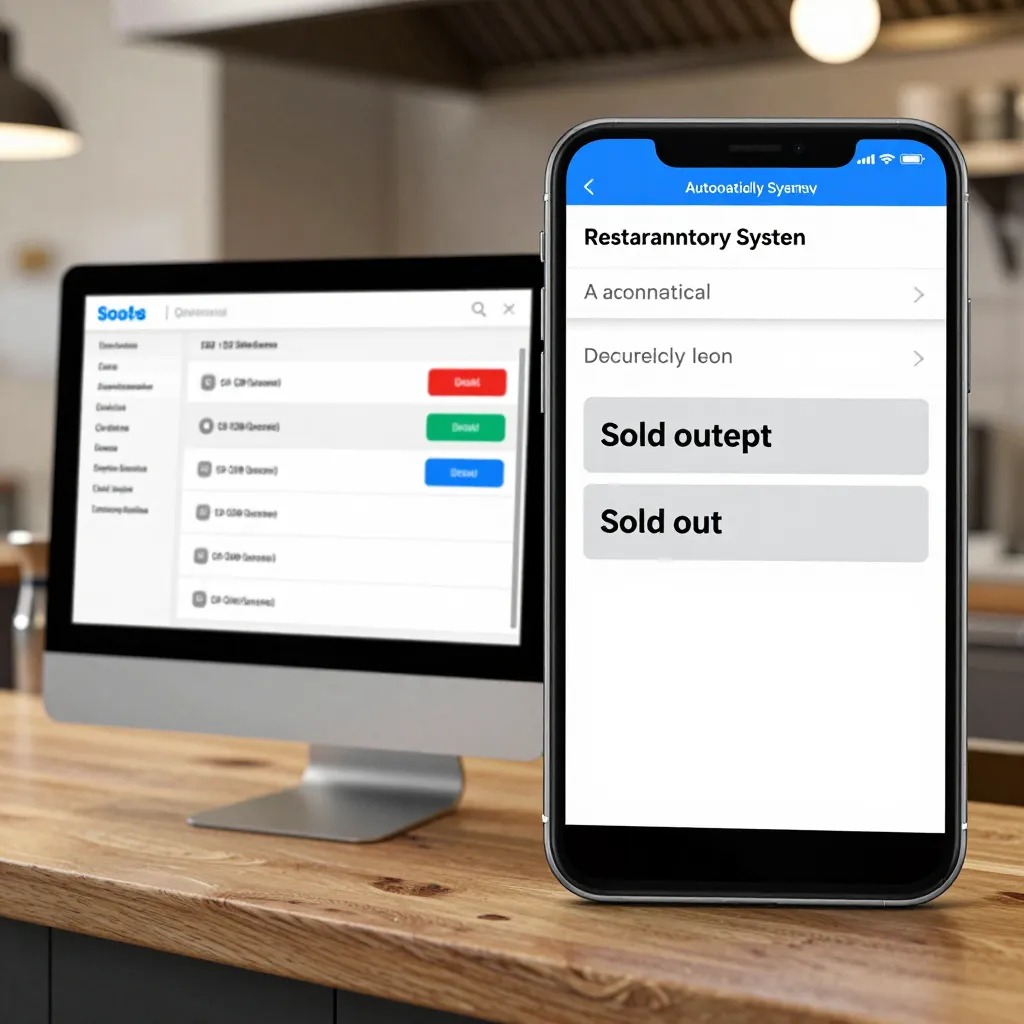
Furthermore, digital menus eliminate the cost of reprinting. Physical menus are static; they cannot reflect price changes or seasonal availability without being replaced. UpQR allows for real-time updates. If a dish runs out, it is marked as unavailable instantly. If a price increases, the customer sees the new price before they order. This accuracy prevents errors that lead to wasted food and unhappy customers. Robots do not offer this dynamic capability. They are fixed in their function. The automation of information flow via QR codes directly impacts the bottom line by reducing waste and optimizing staff utilization, making it a more practical choice for most establishments than investing solely in robotics.
Sustainability: Eliminating Paper Waste
Our commitment to environmental consciousness is a driving force behind the upQR platform. The restaurant industry generates a massive amount of paper waste, particularly through single-use menus. A single QR menu can replace hundreds of paper menus, significantly reducing the carbon footprint associated with printing, shipping, and disposing of paper.
When restaurants adopt robot waiters, they often do so to cut costs or impress, but the environmental impact is negligible compared to the shift away from paper. However, when QR ordering is implemented, it actively contributes to a greener planet. Imagine a chain of cafes replacing thousands of laminated menus with a single digital link. This reduction in physical materials is a direct action toward sustainability. Additionally, digital menus allow for dynamic content that changes with the seasons, meaning the menu itself evolves without generating new physical waste. This aligns perfectly with the values of eco-conscious consumers who want to support businesses that care about the planet. It is a practical, low-cost, high-impact solution that every restaurant owner can implement immediately.
Implementing the Right Automation Strategy
For restaurant owners and cafe managers, the question is not whether to automate, but how to automate effectively. The rise of robot waiters is part of a broader trend, but relying solely on them is a strategic error. The most successful restaurants will likely adopt a hybrid approach: using QR menus for ordering and transparency, while utilizing robots for specific, repetitive tasks like beverage delivery in high-traffic areas.
To maximize the benefits of automation, consider these actionable tips:
- Start with the Menu: Before investing in expensive hardware, ensure your digital menu platform is robust. Use upQR to manage allergens, prices, and descriptions. This builds the foundation of trust and accuracy.
- Train Your Staff: Automation should empower your team, not replace their humanity. Train staff to use the digital menu as a tool to upsell and explain dishes, rather than a reason to disappear behind the counter.
- Focus on Data: Use the data provided by your QR menu to understand what sells and what doesn't. Adjust your inventory and offerings based on real-time feedback, something robots cannot do.
- Communicate the Value: Explain to customers why you are going digital. Emphasize the transparency and the sustainability benefits. Customers appreciate honesty and are more likely to support businesses that align with their values.
The integration of technology in dining is inevitable, but the path to success lies in choosing the right tools. Robot waiters may be the future of physical service, but QR ordering is the present of intelligent information management. By prioritizing transparency, universal access, and sustainability, you can build a restaurant that is not only efficient but also ethical and customer-centric.
Related Posts
Ready to create your digital menu?
Create your QR menu in minutes and reach your customers in any language.