Optimize Restaurant Ops with Real-Time QR Menu Data
Transform your dining experience and streamline operations using real-time QR menu data. Learn actionable strategies to boost sales, reduce waste, and enhance customer satisfaction.
Turning Customer Scans into Actionable Business Intelligence
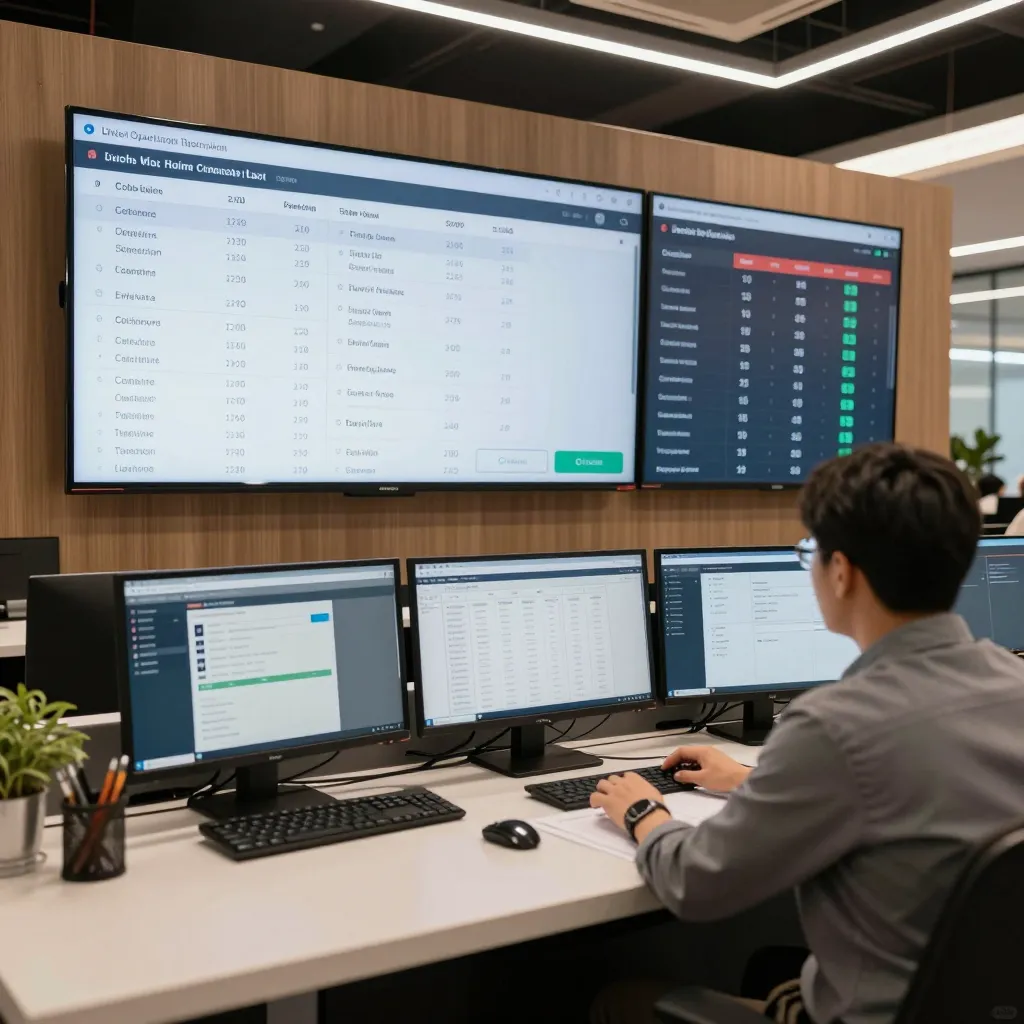
In the modern restaurant landscape, the QR code on a table is no longer just a digital doorway to the menu; it is a powerful data collection tool. When a customer scans a code to view your menu on their smartphone, they are willingly providing a stream of valuable information. However, many operators view this interaction as a one-way broadcast, pushing static images and descriptions without capturing the resulting insights. By shifting to a dynamic, real-time QR menu platform, you transform every scan into a data point that can inform inventory management, marketing strategies, and operational efficiency.
Real-time data allows you to move beyond guesswork. Instead of estimating what dishes are popular based on memory or end-of-day paper tally sheets, you have precise, second-by-second visibility into customer behavior. This level of granularity is essential for understanding peak ordering times, identifying underperforming menu items, and recognizing emerging trends before they become obvious. For instance, if a specific seasonal dish suddenly sees a spike in orders on a Tuesday evening, your inventory system can be adjusted immediately to ensure availability, preventing the frustration of a customer ordering a sold-out item.
The value extends beyond simple sales counts. Real-time analytics can reveal how long customers spend on the menu, which pages they bounce off, and which items they linger on. This behavioral data helps in optimizing menu layout and placement. If data shows that customers consistently scroll past the bottom of the menu before ordering, you might consider restructuring the layout or using the platform's drag-and-drop features to highlight high-margin items earlier in the flow. By leveraging these insights, you create a feedback loop where the digital menu actively works for your business, continuously adapting to customer preferences to maximize revenue and operational smoothness.
Dynamic Inventory Management and Waste Reduction
One of the most significant challenges facing restaurants today is food waste and inventory inefficiency. Traditional inventory management often relies on weekly counts or reactive restocking, leading to over-purchasing of ingredients that spoil or under-purchasing of items that cause missed sales opportunities. Real-time QR menu data provides the first line of defense against these issues by offering predictive insights into demand.
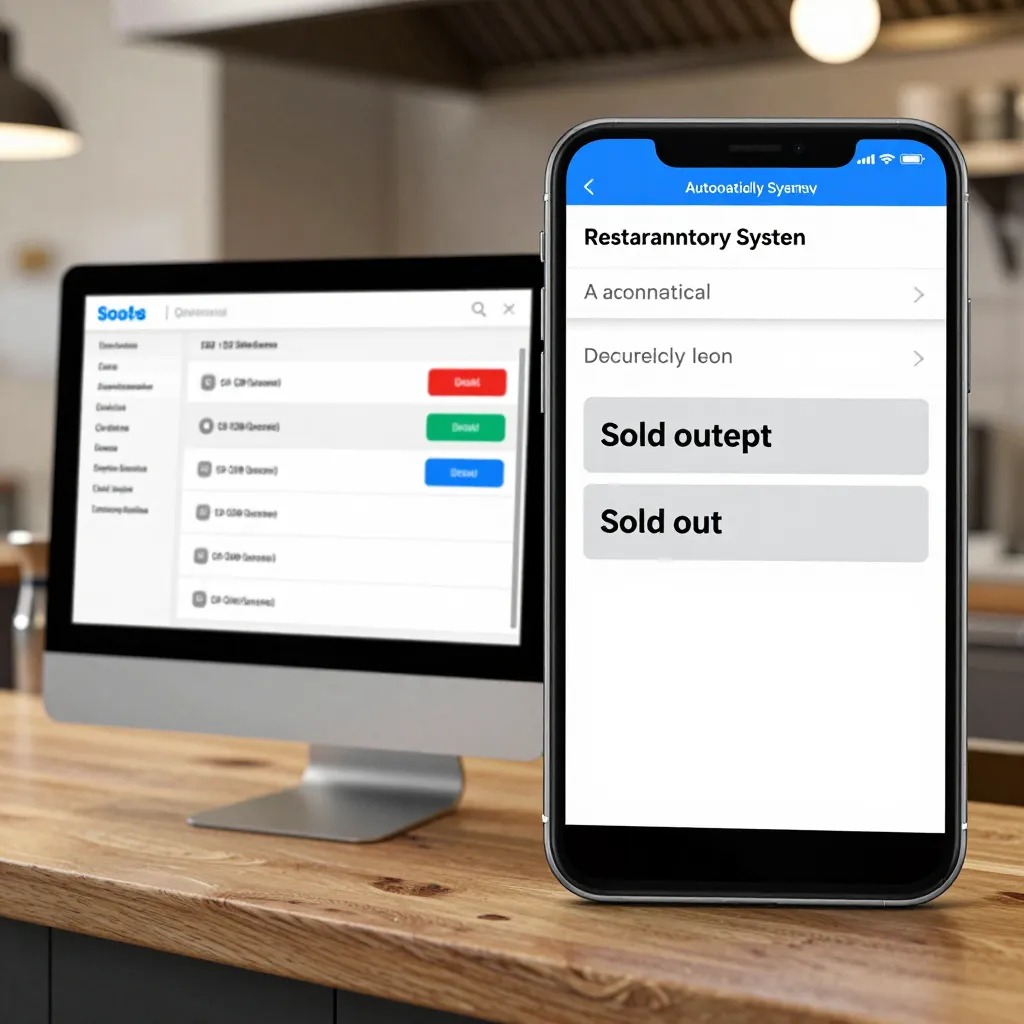
When you integrate your QR menu platform with your Point of Sale (POS) system, you can set up automatic alerts based on real-time order velocity. For example, if your data indicates that a specific protein is being ordered at a rate that exceeds your current stock levels within the next two hours, the system can notify the kitchen manager to pause orders for that item temporarily. This prevents the kitchen from wasting time preparing dishes that cannot be served. Conversely, if an item is not moving, the data can signal a need to adjust marketing efforts or temporarily remove the item from the digital menu to prevent over-preparation.
Consider a cafe that specializes in artisanal coffee and fresh pastries. Without real-time data, they might bake a large batch of croissants every morning based on average sales. However, if real-time data reveals that orders for savory breakfast options are surging on rainy Tuesdays, they can adjust their baking schedule to produce fewer sweet pastries and more savory items, directly reducing food waste. This alignment between menu availability and actual demand not only saves money but also supports sustainability goals by minimizing the carbon footprint associated with disposing of unsold food. By using a platform like upQR, which emphasizes environmental consciousness, you can make these adjustments effortlessly, ensuring that every ingredient used contributes to a satisfied customer rather than ending up in the compost bin.
Personalized Experiences and Universal Access
Data is only as powerful as the experience it enables. Real-time QR menu data allows you to move from a generic "one-size-fits-all" approach to a personalized dining experience that respects individual needs. When a customer scans your QR code, the system can instantly present information tailored to their specific dietary requirements, language preferences, and accessibility needs. This is not just about convenience; it is about inclusivity and honesty.
For instance, if your platform tracks that a specific table has ordered a gluten-free item in the past, you could offer a gentle prompt upon the next visit suggesting other gluten-free options available, or simply ensuring the staff is aware of their dietary restrictions before they even order. This level of attentiveness builds immense loyalty. Furthermore, real-time data can help you manage allergen transparency effectively. By analyzing search patterns within your menu, you can see which allergens are most frequently queried. If customers are constantly searching for "nut-free" options, this signals a high demand for clear labeling. You can then prioritize updating allergen information for those items, ensuring that every guest knows exactly what they are eating, free from hidden risks.
Universal access is another critical aspect of this data-driven approach. Real-time analytics can show you if certain menu descriptions are confusing or if images are not loading correctly for users on slower connections. If you notice a high drop-off rate for mobile users on specific pages, you can optimize the loading speed and simplify the text. This ensures that regardless of the device, internet speed, or language barrier, every customer receives the same high-quality, accurate information. By maintaining an honest and accurate digital presence, you build trust with your community. Customers appreciate transparency regarding prices and ingredients, and a digital menu that delivers this without hidden fees or misleading photos reinforces your brand's integrity.
Optimizing Staff Performance and Kitchen Workflow
Operational efficiency in a restaurant is heavily dependent on how well the front of house and the kitchen communicate. Real-time data from your QR menu acts as a bridge between these two departments, reducing errors and streamlining the workflow. When an order comes in via a QR code, it is transmitted instantly to the kitchen display system (KDS) or the POS, eliminating the need for manual transcription or verbal relaying of orders.
This seamless data flow reduces the cognitive load on your staff. Servers spend less time taking orders and explaining complex menu items, allowing them to focus on hospitality, guest engagement, and upselling. Kitchen managers receive orders in a structured format that highlights special requests immediately, such as "no onions" or "extra spicy." Real-time data can also track order preparation times. If the system detects that a specific dish is consistently taking longer than the average to prepare, it can alert the kitchen to investigate potential bottlenecks, such as a lack of equipment or a need for additional staff during peak hours.
Furthermore, real-time data helps in managing table turnover effectively. By tracking how long customers spend viewing the menu and placing orders, you can identify if there is friction in the ordering process. If customers are taking significantly longer to order than usual, it might indicate that the menu is too complex or that the digital interface is difficult to navigate. Adjusting the menu layout or simplifying the options can lead to faster ordering, quicker food delivery, and increased table turnover rates. This efficiency is crucial for maximizing revenue during peak hours. Additionally, by analyzing the time of day when orders are placed via QR codes, you can better schedule staff shifts, ensuring you have the right number of servers and kitchen staff on hand to handle the volume without overstaffing, which drives up labor costs.
Strategic Menu Engineering and Pricing Adjustments
Menu engineering is the art of arranging and pricing menu items to maximize profit margins. Traditionally, this was done by analyzing sales data at the end of a month or quarter. With real-time QR menu data, you can perform this analysis daily, allowing for agile and responsive menu management. You can categorize your menu items into quadrants: stars (high popularity, high margin), plowhorses (high popularity, low margin), puzzles (low popularity, high margin), and dogs (low popularity, low margin). Real-time data allows you to watch these categories shift in real-time.
For example, if a "puzzle" item (high margin but low popularity) starts gaining traction, you can immediately promote it through a banner on the digital menu or by training staff to recommend it. Conversely, if a "plowhorse" item (high popularity but low margin) is draining your resources, you can subtly adjust its price or introduce a smaller portion size to improve profitability without alienating customers. The key is that this decision-making process is data-backed rather than intuition-based.
Pricing adjustments also become more precise. Real-time data can reveal price sensitivity. If you increase the price of a popular item by a small percentage and notice a dip in orders, the data will show this immediately. You can then experiment with incremental price changes to find the optimal price point that balances volume and margin. This dynamic pricing capability, supported by upQR's commitment to honest and accurate information, ensures that you are always offering the best value to your customers while maintaining your business's financial health. It also allows you to run A/B tests on different menu layouts or descriptions to see which version drives more sales, effectively turning your digital menu into a laboratory for continuous improvement.
Building a Sustainable and Transparent Brand
Today's consumers are increasingly conscious of the environmental and ethical impact of their dining choices. They want to know where their food comes from, how it is prepared, and the sustainability practices of the establishment. Real-time QR menu data provides the perfect platform to communicate this information transparently. You can update menu descriptions instantly to highlight sustainable sourcing, such as "locally sourced salmon" or "organic vegetables." If a supplier changes or a new sustainable product arrives, you can update the menu within minutes, ensuring your marketing claims are always accurate.
This transparency builds a stronger connection with your customers. When you share data about your waste reduction efforts, such as composting programs or energy-efficient kitchen practices, you educate your guests and align your brand with their values. Real-time data can also track the success of these initiatives. For instance, you can monitor the number of orders for plant-based options and share these metrics in your newsletter or on social media, fostering a sense of community around sustainability. By using a platform that prioritizes environmental consciousness, you are not just selling food; you are contributing to a cleaner planet. This narrative, backed by hard data, differentiates your restaurant in a crowded market and attracts customers who share your values.
Ultimately, optimizing restaurant operations with real-time QR menu data is about creating a smarter, more responsive, and more sustainable business. It empowers you to make informed decisions that enhance the customer experience, reduce costs, and build a loyal community. Whether it is adjusting inventory, personalizing the dining experience, or refining menu engineering, the insights gained from every QR scan provide a competitive edge. Platforms like upQR are designed to support this vision, offering the tools needed to harness this data effectively while upholding the core values of transparency, honesty, and environmental responsibility. By embracing this technology, you are not just digitizing your menu; you are upgrading your entire operation for the future of hospitality.
Related Posts
Ready to create your digital menu?
Create your QR menu in minutes and reach your customers in any language.
