
Self-Ordering Kiosks vs QR Menus: The Ultimate Comparison
Discover the key differences between self-ordering kiosks and digital QR menus. Learn which solution fits your restaurant's budget, space, and customer service goals best.
Understanding the Evolution of Digital Dining
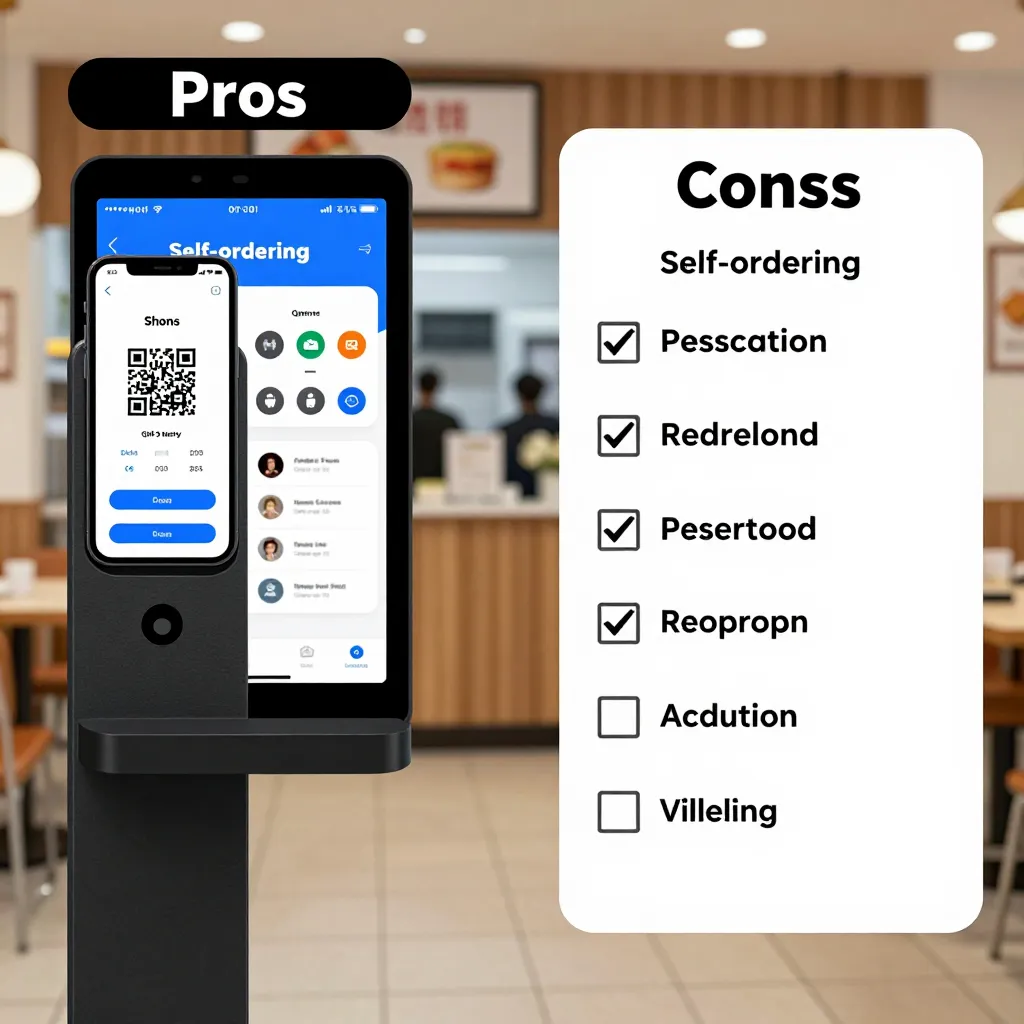
The restaurant industry has undergone a seismic shift in recent years. What was once a simple paper menu is now a complex ecosystem of digital tools designed to streamline operations and enhance the customer experience. At the forefront of this evolution are two distinct technologies: self-ordering kiosks and digital QR menus. While both aim to reduce friction in the ordering process, they operate on fundamentally different models that cater to different types of establishments.
For restaurant owners and cafe managers, choosing between these options is not just about technology; it is a strategic decision regarding capital expenditure, operational workflow, and customer expectations. Self-ordering kiosks, often found in fast-food chains and large casual dining venues, represent a high-investment, hardware-centric approach. In contrast, QR menus offer a flexible, software-first solution that leverages the ubiquity of smartphones to deliver a similar level of convenience without the heavy upfront costs.
To make an informed decision, it is crucial to look beyond the surface-level appeal of "digital ordering." We must analyze how each solution impacts staff training, inventory management, accessibility for all customers, and the overall brand perception. This comparison will delve into the practical realities of both systems, helping you determine which path aligns with your mission to provide transparent, efficient, and environmentally conscious dining experiences.
Capital Investment and Operational Flexibility
The most immediate difference between self-ordering kiosks and QR menus lies in the financial commitment required to implement them. Self-ordering kiosks are significant capital investments. A single kiosk unit can cost between $2,000 and $5,000, excluding the cost of installation, networking hardware, and ongoing maintenance contracts. For a mid-sized restaurant, outfitting the dining area with multiple kiosks to handle peak hours can quickly escalate the initial budget into tens of thousands of dollars.
Furthermore, kiosks are fixed assets. Once installed, they are difficult to move or reconfigure. If a restaurant changes its layout, expands into a new space, or decides to pivot its service model, the kiosks may become obsolete or require expensive relocation services. They also require dedicated power outlets and specific network configurations, which can be a logistical headache during renovations.
On the other hand, QR menus operate on a zero-hardware model. The only "cost" to the customer is their smartphone, which they already possess. The restaurant owner invests primarily in a subscription-based software platform like upQR. This model offers unparalleled flexibility. You can launch a digital menu within minutes, update prices or items instantly, and even share the menu with customers who prefer ordering from their phones while standing in line. There is no physical footprint to clutter the dining room, preserving valuable square footage for seating or ambiance.
From an operational perspective, the rigidity of kiosks can be a liability. If a kiosk malfunctions or goes offline, that specific ordering point is lost until repairs are made. QR menus, however, are resilient. As long as the customer has a data connection, the menu is accessible. This redundancy ensures that service continues smoothly even during minor technical glitches, a critical factor for maintaining high table turnover rates during busy dinner rushes.
Staff Utilization and Training Dynamics
One of the primary drivers for adopting self-ordering kiosks is the desire to reduce labor costs by allowing customers to order themselves. However, the reality of implementation reveals a nuanced impact on staff roles. With kiosks, the role of the server often shifts from taking orders to a more supervisory position. Staff must monitor the kiosks to ensure they are functioning correctly, resolve technical issues, and assist customers who are confused by the interface. This can lead to a false sense of efficiency; while the server is technically "free" from taking orders, they are now occupied with troubleshooting hardware.
Training staff to manage a fleet of kiosks requires a specific skill set that goes beyond basic hospitality. Employees need to be proficient in navigating the kiosk software, managing payment terminals, and handling customer complaints related to the technology. This increases the training burden and can lead to higher turnover if employees feel overwhelmed by the technical demands.
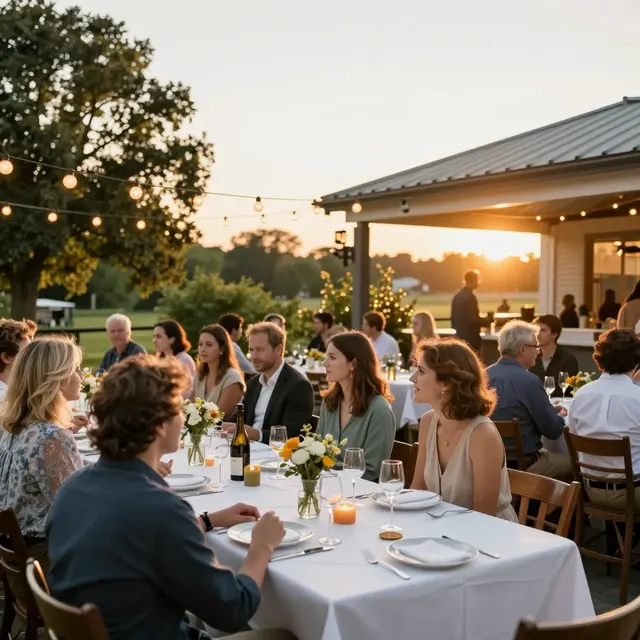
QR menus, conversely, integrate seamlessly into existing service workflows. Servers do not need to learn a new system; they simply hand over a table to a customer who can scan a code. This allows staff to focus on what they do best: hospitality. They can greet guests warmly, explain dish ingredients to address allergen concerns, and manage the dining room atmosphere. The technology acts as a tool that empowers the staff rather than replacing them.
Moreover, QR menus enhance the "human touch" which is increasingly valued by diners. A server can still recommend a wine pairing or suggest a modification to a dish based on customer preference. With a kiosk, the interaction is often limited to a screen interface, which can feel impersonal. For restaurants aiming to build a loyal community, the ability for staff to engage directly with customers while the menu is digital is a significant advantage.
Accessibility, Transparency, and Universal Design
In an era where inclusivity is a core value for many businesses, the accessibility of the ordering system is paramount. Self-ordering kiosks present significant barriers for a large segment of the population. Not every customer has access to a smartphone, and those who do may have varying levels of digital literacy. Furthermore, kiosks often suffer from accessibility issues regarding font sizes, contrast ratios, and screen readers for visually impaired users. If a customer cannot easily use the kiosk, they may feel excluded or forced to wait for a server, negating the efficiency gains.
QR menus excel in this area by leveraging the accessibility features already built into modern smartphones. Operating systems like iOS and Android have rigorous accessibility standards, including VoiceOver and TalkBack, which allow visually impaired users to navigate menus, read ingredients, and complete purchases with ease. Additionally, QR menus can be optimized for different screen sizes, from large tablets to compact phones, ensuring a consistent experience regardless of the device used.
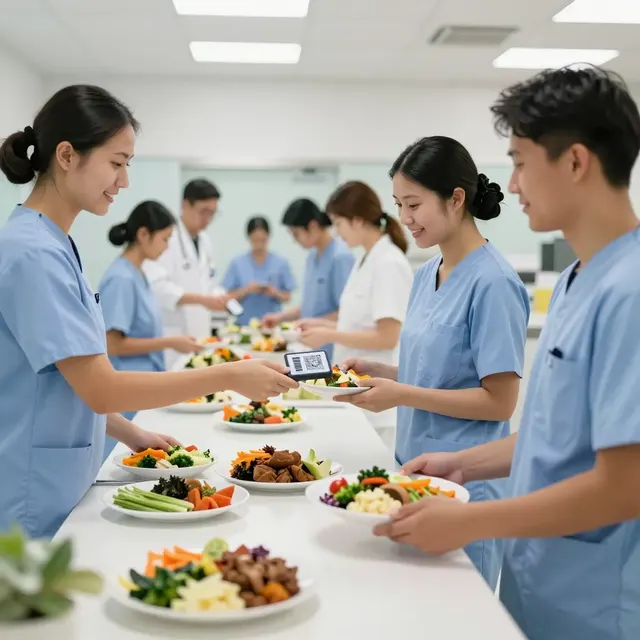
Transparency is another pillar where QR menus shine. Customers can access detailed information about ingredients, sourcing, and allergens with a single tap. This aligns perfectly with the value of honesty and accuracy. There are no hidden fees or misleading descriptions; the digital format allows for rich media, such as high-resolution photos and videos, that clearly depict the food. Restaurants can also include sections for sustainability initiatives, such as "locally sourced" badges or "plant-based" indicators, educating customers without overwhelming them.
Consider the scenario of a customer with a severe nut allergy. On a paper menu, this information might be buried in fine print or require a phone call to the kitchen. On a kiosk, the allergy filter might be clunky or non-existent. On a QR menu, the restaurant can create a dedicated section for allergen information, allowing customers to sort the menu to see only safe options. This level of transparency builds trust and ensures that every guest feels safe and informed, regardless of their dietary needs or language barriers.
The Environmental Impact and Sustainability Goals
For restaurants committed to environmental stewardship, the choice between kiosks and QR menus has a direct carbon footprint. Self-ordering kiosks require the manufacturing of plastic, metal, glass, and electronic components. They also consume significant amounts of electricity to remain powered and connected. Once a kiosk reaches the end of its useful life, it often ends up in an e-waste landfill, contributing to the growing environmental crisis of electronic waste.
QR menus offer a sustainable alternative by eliminating the need for physical hardware. The only environmental impact is the energy consumed by the customer's device, which is already being used for other purposes. This model drastically reduces the restaurant's resource consumption and waste generation. Furthermore, digital menus allow for dynamic content updates. If a seasonal item goes out of stock, it can be removed instantly without reprinting paper or reconfiguring a kiosk. This efficiency prevents food waste and reduces the need for physical inventory management of menu items.
upQR, as a digital menu platform, is designed with sustainability in mind. The platform encourages restaurants to adopt eco-friendly practices by providing templates that highlight local sourcing and zero-waste initiatives. By shifting to a digital-first approach, restaurants can proudly market themselves as green businesses, attracting environmentally conscious consumers who are willing to pay a premium for responsible dining options.
Choosing the Right Path for Your Brand
Ultimately, the decision between self-ordering kiosks and QR menus depends on your specific business model and goals. If you operate a high-volume fast-casual chain with a standardized menu and a large dining area where customers are accustomed to self-service, kiosks might offer a streamlined experience. However, the high cost and rigidity often make them less attractive for independent restaurants, cafes, and bistros that prioritize personal service and flexibility.
For most modern dining establishments, a QR menu is the superior choice. It provides the efficiency of digital ordering without the heavy financial burden or operational constraints. It allows you to maintain a human-centric service model while embracing technology to reduce waste and increase transparency. The ability to update menus in real-time, integrate with third-party delivery apps, and provide rich, accessible content makes it a versatile tool for growth.
Whether you are a bustling cafe in the city center or a cozy bistro in a residential neighborhood, the goal is to create an experience that delights your guests. A digital menu powered by a platform like upQR ensures that every guest, from the tech-savvy to the elderly, can order with confidence. It supports your staff, respects the environment, and upholds the values of honesty and clarity that define great hospitality. By choosing a flexible, accessible, and sustainable digital solution, you are not just updating your menu; you are elevating your entire brand identity.
Related Posts
Ready to create your digital menu?
Create your QR menu in minutes and reach your customers in any language.