Smart Pricing: How Restaurants Use Dynamic Menu Pricing in 2026
Learn how 2026 restaurants leverage dynamic pricing to boost margins, reduce waste, and offer personalized value using digital QR menus.
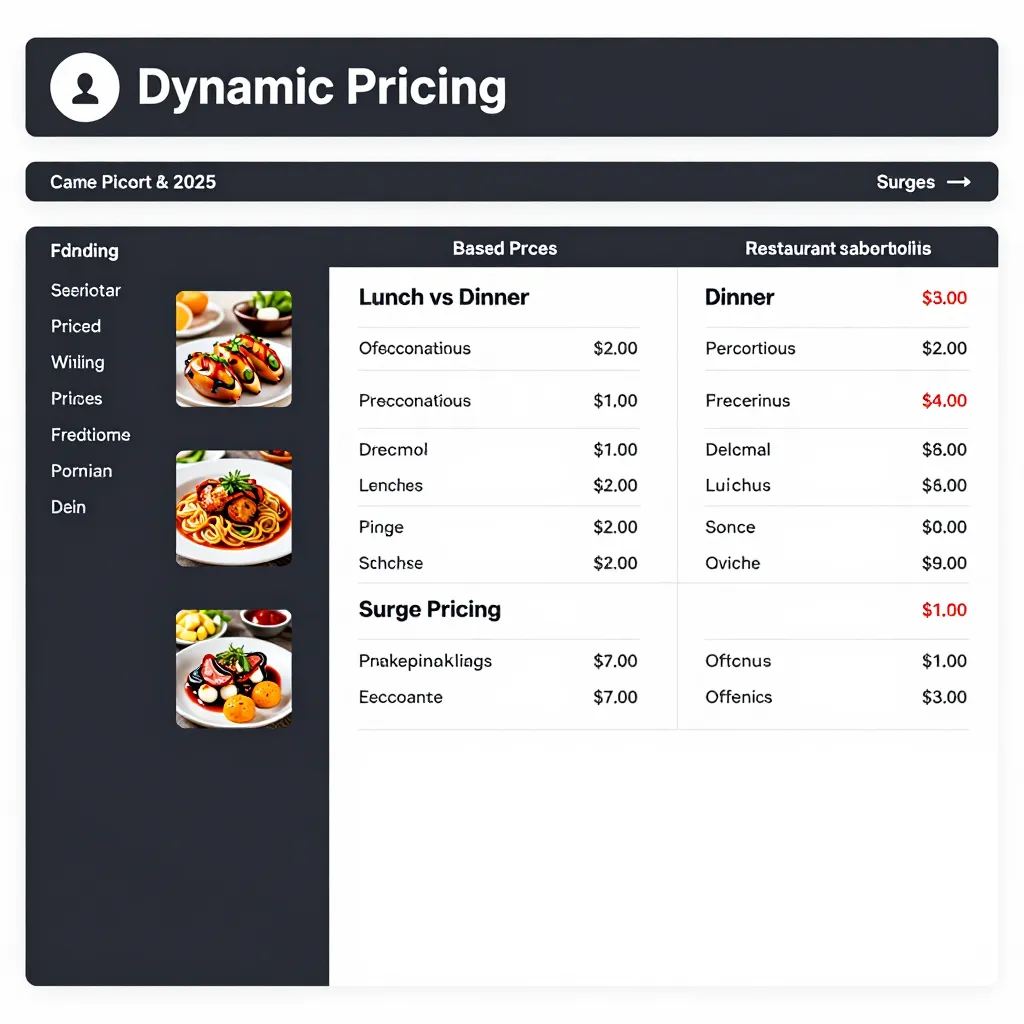
Understanding Dynamic Pricing in the Modern Dining Landscape
The restaurant industry has always been a balancing act between cost management and customer satisfaction. However, 2026 marks a significant turning point where static pricing is becoming a relic of the past. Dynamic pricing, a strategy borrowed from the airline and hospitality sectors, is now a standard expectation for forward-thinking eateries. This approach allows businesses to adjust prices in real-time based on demand, inventory levels, and even customer willingness to pay.
Unlike the traditional model where a burger costs $12 regardless of whether it is a Tuesday or Friday night, dynamic pricing ensures that the menu reflects the current operational reality. For instance, a restaurant might slightly increase prices during peak hours to manage high demand or offer discounts on items nearing their expiration date to minimize food waste. This shift is not just about maximizing revenue; it is about creating a sustainable business model that respects both the bottom line and the environment.
The Role of Digital QR Menus in Enabling Smart Pricing
Implementing dynamic pricing without a robust digital infrastructure is impossible. This is where platforms like upQR become indispensable. A static paper menu cannot change prices instantly, nor can it display personalized offers based on a customer's location or time of day. Digital QR menus solve these logistical hurdles by acting as the central hub for all pricing data.
With upQR, restaurant owners can update prices remotely from a single dashboard. If a supplier raises the cost of avocados by 15%, the manager can instantly adjust the guacamole price on the digital menu. This transparency is crucial; customers see exactly what they are paying for, with no hidden fees or misleading descriptions. The digital format also allows for rich media integration, such as showing the origin of ingredients or allergen information, which builds trust and aligns with the industry's growing demand for honesty and accuracy.
Furthermore, digital menus enable segmentation. A coffee shop in a busy city center might display different pricing tiers for their latte depending on the neighborhood the customer is in or the specific time of day. This level of granularity is unachievable with printed menus and highlights the universal access to information that digital platforms provide, ensuring every customer knows the current cost before ordering.
Strategies for Maximizing Revenue Without Alienating Customers
One of the biggest fears among restaurant owners regarding dynamic pricing is the perception that it is a "price gouging" tactic. To counter this, successful implementations focus on value addition rather than simple price hikes. The strategy involves offering alternatives that benefit the consumer.
For example, a restaurant could introduce a "Sustainability Discount" on items that are about to expire or use surplus inventory. By offering a 10-15% discount on these specific items via the QR menu, the restaurant achieves two goals: it clears inventory to reduce food waste and appeals to environmentally conscious diners who prefer to support sustainable practices. This aligns perfectly with the mission of reducing paper waste and supporting sustainability, as digital menus allow these eco-friendly promotions to be updated instantly without reprinting pages.
Another effective strategy is time-based pricing. During off-peak hours, such as early afternoon or late evening, restaurants can offer "Happy Hour" pricing on specific items automatically displayed on the QR code. This encourages customers to visit during slower periods, smoothing out the operational curve and improving staff utilization rates. The digital menu can even feature countdown timers or flash sales that create a sense of urgency, driving impulse purchases that boost overall sales volume.
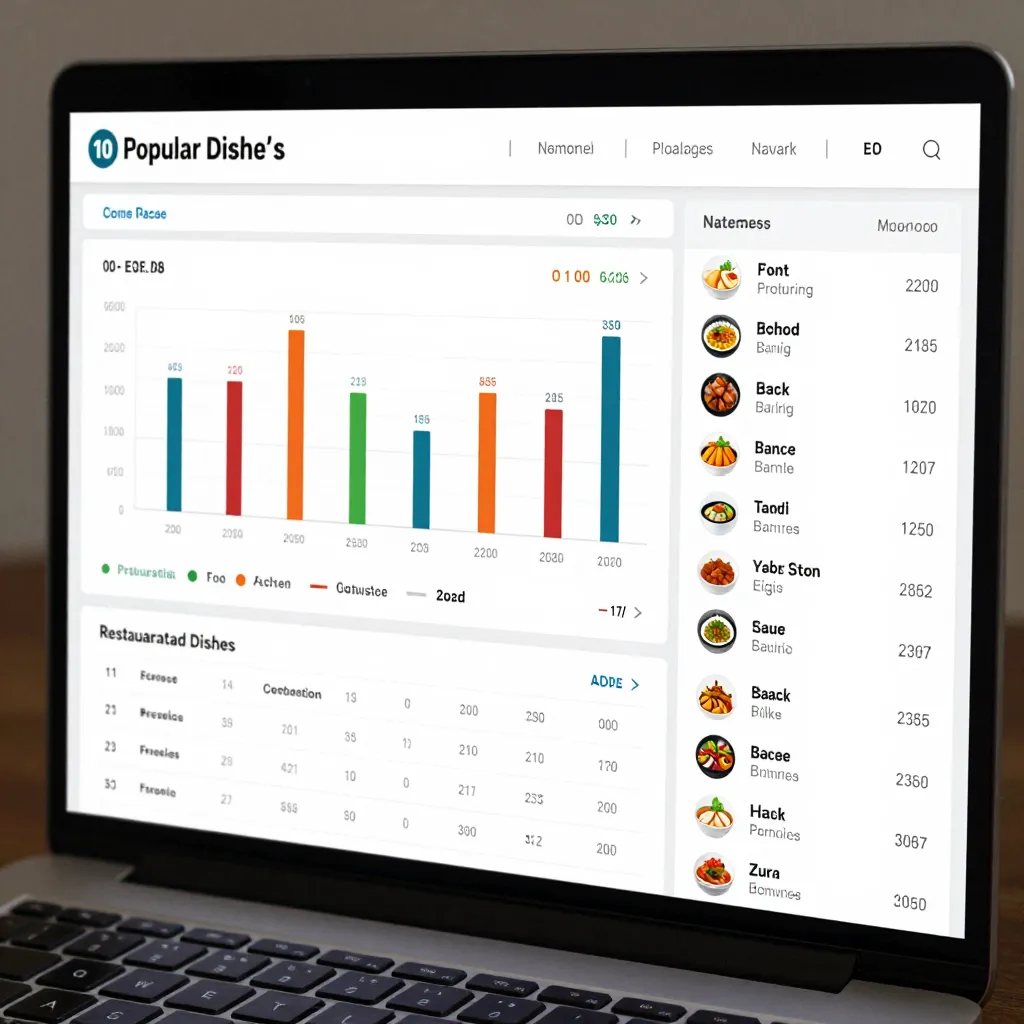
Data is the engine behind these strategies. By analyzing sales data, restaurants can identify which items have low turnover and adjust pricing or promotions accordingly. If a particular dish consistently sells out within the first 20 minutes, a small price increase might be justified to balance demand. Conversely, if an item sits unsold, a dynamic discount can be applied automatically. This data-driven approach ensures that pricing decisions are based on facts rather than gut feelings, leading to more consistent profitability.
Leveraging Personalization and Local Context for Better Engagement
The future of dining is hyper-local and personalized. In 2026, digital QR menus can leverage geolocation data to tailor the menu experience. If a customer scans a QR code at a location where a local festival is happening, the menu could automatically highlight special event pricing or limited-edition items related to the event. This creates a unique dining experience that feels exclusive and relevant to the immediate context.
Personalization also extends to dietary needs. A customer with a specific allergy or dietary restriction can see that the restaurant is transparent about ingredients. While this doesn't directly change the price, it builds a reputation for honesty and accuracy. Restaurants that prioritize transparent information often find that customers are willing to pay a premium for the peace of mind and the assurance that the food is prepared exactly as described. This trust is the foundation of customer loyalty.
Moreover, dynamic pricing can be used to promote new menu items. When a new dish is launched, it can be featured with a promotional price for the first week to encourage trial. As the item gains popularity, the price can be adjusted to reflect its status as a staple menu item. This lifecycle management of menu items is seamless with digital tools, allowing for a fluid and responsive menu that evolves with customer tastes.
Overcoming Implementation Challenges and Future Trends
Transitioning to dynamic pricing requires a shift in mindset and operational discipline. One common challenge is the initial resistance from staff who may fear that changing prices will upset regular customers. Training is essential to explain the benefits: reduced waste, increased efficiency, and the ability to compete in a competitive market. The technology, such as upQR, simplifies this process by making updates intuitive and quick, reducing the burden on the staff.
Another consideration is the perception of fairness. It is vital to communicate the reasons behind price changes. Transparency is key. If a restaurant explains that prices are adjusting to cover the rising cost of ethically sourced ingredients, customers are more likely to accept the change. Digital menus allow for notes or pop-ups that explain the "why" behind the numbers, fostering a relationship of honesty between the restaurant and the diner.
Looking ahead, we can expect to see more integration with broader economic indicators. In 2026, we anticipate that dynamic pricing algorithms will automatically factor in local weather conditions, fuel prices, and even real-time traffic data to suggest optimal pricing for delivery partners or dine-in customers. The goal remains the same: to provide the best possible experience at a fair price while maintaining the financial health of the business.
The integration of AI and machine learning will further refine these strategies, predicting demand with greater accuracy and suggesting price adjustments before they become necessary. However, the human element remains central. The decision to implement these changes should always align with the core values of sustainability and transparency. Digital menus are not just a tool for price manipulation; they are a platform for communication, education, and community building.
Related Posts
Ready to create your digital menu?
Create your QR menu in minutes and reach your customers in any language.
