Track Your Best Sellers: Master QR Menu Analytics
Learn how to use digital menu analytics to identify top-performing dishes, optimize your inventory, and boost sales with data-driven insights.
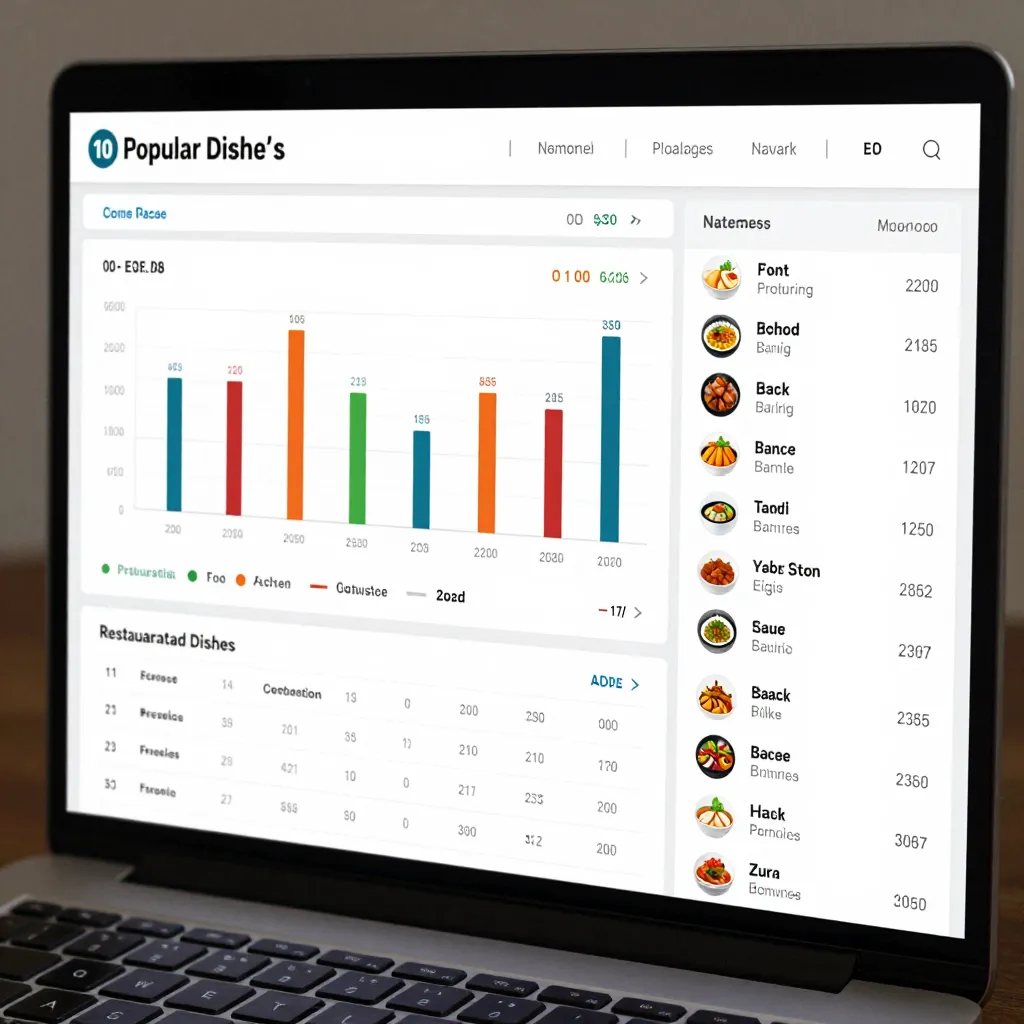
Why Data Matters for Modern Restaurant Success
In the evolving landscape of food service, intuition alone is no longer enough to drive growth. Restaurant owners and cafe managers face increasing pressure to maximize margins while meeting diverse customer expectations. This is where digital QR menu analytics become a strategic asset. Unlike traditional paper menus, which offer no feedback loop, a digital platform provides a real-time window into customer behavior. By understanding exactly what customers order, when they order it, and how often, you can transform raw data into actionable business intelligence.
The shift to digital menus has accelerated significantly, with industry reports suggesting that over 70% of diners now prefer scanning a QR code over requesting a printed menu. This convenience comes with a powerful byproduct: visibility. When a customer scans a code to view your menu, every click, scroll, and order is recorded. This data allows you to move beyond guesswork. You can identify which dishes are true crowd-pleasers and which items are languishing on the menu, potentially dragging down your overall profitability. The ability to track these metrics empowers you to make informed decisions about menu engineering, inventory management, and even supplier negotiations.
Understanding Your Menu's Performance Metrics
Before diving into specific strategies, it is crucial to understand the key metrics that define menu performance. The most fundamental metric is the sales volume. This tells you simply which items are moving. However, volume alone does not tell the whole story. You must also consider sales velocity, which measures how quickly an item sells during peak hours. A dish that sells slowly in the morning but fast at lunch might be a breakfast staple that fails as a lunch option, signaling a need for different portion sizes or flavor profiles.
Another critical metric is the profit margin per item. High volume does not always equal high profit. A popular dish might be a money-maker, but if it uses expensive ingredients with a low markup, it could be costing you more than it earns. Digital analytics platforms often allow you to layer profit margins over sales data. This helps you spot "false friends"items that look popular but are actually eroding your bottom line. Conversely, you can identify low-volume, high-margin items that might be under-promoted or need a slight tweak to their description to entice more orders.
Finally, look at order frequency. If a specific dish appears in 40% of all orders, it is a core component of your brand identity. These are your signature dishes. If a dish appears in less than 5% of orders, it might be time to reconsider its place on the menu. Data also reveals combination patterns. Do customers frequently order a specific side with a particular main course? Analytics can show you these natural pairings, allowing you to create bundled offers that increase the average check size. By analyzing these metrics, you gain a comprehensive view of your menu's health, moving from reactive management to proactive optimization.
Identifying Your Signature Dishes and Hidden Gems
Every successful restaurant needs a hero disha item that customers remember and recommend to friends. Analytics makes finding these heroes effortless. By sorting your menu items by total units sold over a specific period, such as the last month, you can instantly see your top performers. These are your signature dishes. They define your culinary voice and are the primary drivers of your reputation. Knowing which items hold this status allows you to focus your marketing efforts, such as social media posts or loyalty program rewards, on amplifying these successes.
However, the most valuable insight often lies in the "hidden gems." These are items that have moderate sales but high profit margins. They might be seasonal specials or lesser-known ingredients that customers love but haven't yet discovered. Digital analytics can highlight these items by showing a high profit-to-sales ratio. Once identified, you can strategically place these items on the digital menu. For instance, you can position them near the top of the list, use a special icon to mark them as "Chef's Choice," or write a compelling description that highlights their unique qualities. This targeted promotion can lift their sales without the need for a full menu overhaul, effectively turning a niche item into a new best-seller.
Consider the case of a cafe owner who noticed their house-made lemon tart was consistently under-ordered despite rave reviews. The analytics dashboard showed it had a high click-through rate but a low conversion rate compared to other desserts. Further analysis revealed that the item was placed at the very bottom of the menu. By moving the lemon tart to the second position and adding a note about its fresh ingredients, the owner saw a 30% increase in orders within two weeks. This simple adjustment, driven by data, directly improved revenue. Similarly, if you find that a specific appetizer is frequently ordered alongside a particular entree, you can create a "Perfect Pairing" suggestion in the digital menu. This not only boosts sales of the hidden gem but also enhances the customer experience by guiding them toward delicious combinations they might not have considered otherwise.
Optimizing Inventory and Reducing Waste
One of the most significant benefits of tracking your most popular dishes is the direct impact it has on inventory management and waste reduction. In the food industry, waste is a major cost driver, often accounting for 5% to 10% of total food costs. By knowing exactly which items are moving fastest, you can align your purchasing and prep schedules accordingly. If your analytics show that a specific vegetable is used in three of your top five best-selling dishes, you can ensure that your suppliers deliver larger quantities of that specific produce, preventing shortages during busy periods.
Conversely, if a dish is consistently underperforming, it is a prime candidate for removal or reformulation. Continuing to order ingredients for a dish that no one orders leads to spoilage and financial loss. Digital analytics provide the evidence needed to make the difficult decision to cut a menu item. If an item has been a bottom performer for three consecutive months, the data supports the decision to remove it. This frees up space on the menu for new, trending items and allows your kitchen staff to focus their energy on preparing the dishes that generate the most revenue.
Furthermore, analytics help in forecasting. By analyzing historical data, you can predict demand for specific days of the week or seasons. If your data shows a spike in orders for cold soups in the summer and hot stews in the winter, you can adjust your inventory levels proactively. This reduces the need for emergency ordering and minimizes the risk of holding perishable stock that will go bad. For a restaurant with multiple locations, this level of granular data is invaluable. You can standardize inventory practices across locations or identify unique preferences in specific regions, tailoring your supply chain to meet local demands more efficiently. Ultimately, tracking your best sellers creates a leaner, more sustainable operation that respects both your budget and the environment.
Personalizing the Experience and Boosting Sales
Data is not just about internal efficiency; it is also a powerful tool for enhancing the customer experience. When customers scan a QR code, they expect a seamless and personalized journey. Analytics allow you to understand customer preferences at a macro level, which you can then use to tailor the digital experience. For example, if your data shows that a significant portion of your orders come from customers with dietary restrictions, you can ensure that your allergy information is clear and prominent. This builds trust and safety, making diners feel cared for.
You can also use sales data to create dynamic promotions. If analytics reveal that a specific side dish is often ordered alone or with a low-margin main, you can set up an automatic suggestion to upgrade the side or offer a combo deal. This is a subtle way to increase the average ticket size without pressuring the customer. Imagine a scenario where your data shows that customers who order a burger often skip dessert. You could introduce a "Burger + Shake" bundle that offers a small discount, encouraging customers to add a high-margin item to their order. These micro-strategies, informed by real-time data, can significantly boost revenue over time.
Moreover, tracking customer feedback integrated with sales data provides a complete picture. If a dish is popular but has a high number of negative reviews or complaints, the analytics will show a divergence between volume and satisfaction. This is a critical red flag. It tells you that while the food might be tasty, there is a service issue or a quality control problem. Addressing these issues quickly can prevent a loss of reputation. By maintaining transparency and honesty about ingredients and preparation, you ensure that your customers feel confident in their choices. When customers know exactly what they are getting, and your data confirms that the quality matches the popularity, loyalty grows naturally.
Leveraging Insights for Strategic Growth
The ultimate goal of tracking your most popular dishes is to fuel strategic growth. The insights gained from your digital menu analytics should be part of your regular business review meetings. Set aside time weekly or monthly to review the top and bottom performers. Ask yourself: Why is this item selling well? Can we replicate that success with another item? Why is this item failing? Is it the price, the description, or the preparation? These questions, answered with data, lead to continuous improvement.
As you refine your menu based on these insights, you are also contributing to a more sustainable business model. By selling more of what you have and less of what you waste, you reduce your environmental footprint. This aligns with the growing consumer demand for ethical and responsible business practices. Customers today are increasingly conscious of sustainability and transparency. When you use digital tools to optimize your operations, you are demonstrating a commitment to these values. You are showing that you care about the planet by minimizing waste and that you care about your customers by providing honest, accurate information about what they are eating.
Furthermore, the agility provided by digital analytics allows you to adapt quickly to market trends. If a new flavor becomes popular or a dietary trend shifts, you can update your menu instantly. You can test new items with a small group of customers and use the data to see if they resonate before rolling them out fully. This low-risk approach to innovation keeps your menu fresh and exciting. In a competitive market, the ability to pivot based on real data is a distinct advantage. It ensures that your restaurant remains relevant and responsive to the needs of your community.
Ultimately, the power to track your best sellers lies in the technology you choose. A robust digital menu system does more than just display your food; it acts as a sophisticated research tool for your business. It turns every order into a lesson, every click into a clue, and every customer interaction into an opportunity for growth. By leveraging these insights, you can build a menu that not only sells well but also stands out for its quality, sustainability, and transparency. Whether you are a small cafe owner or a manager of a multi-location chain, the ability to read your own data is the key to unlocking your full potential.
Related Posts
Ready to create your digital menu?
Create your QR menu in minutes and reach your customers in any language.
