
How QR Menus Fix Restaurant Order Accuracy Issues
Discover how digital QR systems eliminate miscommunication, reduce food waste, and boost customer satisfaction with transparent, accurate ordering.
The Silent Cost of Miscommunication in Dining
Behind every successful meal is a seamless exchange of information between the kitchen and the dining room. Yet, a staggering amount of operational friction arises from simple miscommunications. Studies indicate that human error accounts for approximately 10% to 15% of all restaurant orders, leading to significant financial losses. For a mid-sized restaurant processing 200 orders daily, even a 2% error rate can result in dozens of incorrect dishes, wasted ingredients, and unhappy guests.
This silent cost extends far beyond the immediate kitchen. When a customer receives a dish that does not match their order, the ripple effect includes increased food waste, the need for re-kitchening, and a decline in customer loyalty. The traditional paper menu, while nostalgic, is a static document prone to misinterpretation. Ambiguous descriptions, lack of visual cues, and the absence of standardized allergen information create a breeding ground for errors that cost restaurants both money and reputation.
Digital Clarity: How QR Systems Eliminate Ambiguity
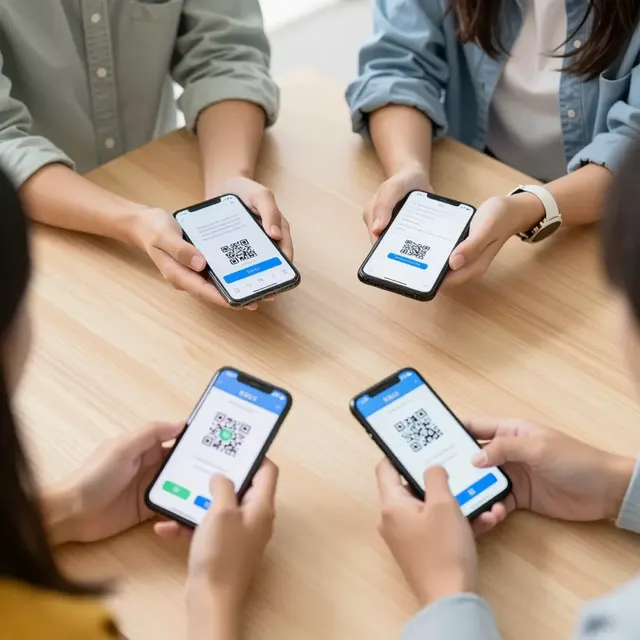
Transitioning to a digital QR menu system like upQR fundamentally shifts the dynamic of order taking from subjective interpretation to objective data transmission. The primary mechanism for this improvement is the standardization of information. Unlike a paper menu that relies on a waiter's memory or a customer's ability to read complex descriptions, a digital menu presents exactly what the customer sees and what the kitchen receives.
The elimination of verbal miscommunication is perhaps the most significant benefit. In a traditional setting, a customer might say, "I'll take the steak, no onions, well-done." If the waiter mishears "well-done" as "medium" or forgets the "no onions," the error is compounded before it even reaches the kitchen. A digital interface removes this variable entirely. The customer selects specific modifiers from a dropdown or checkbox, and that exact data packet travels instantly to the Point of Sale (POS) system and the kitchen display screen. There is no transcription error, no auditory misinterpretation, and no reliance on human memory.
Furthermore, digital menus allow for dynamic updates that ensure the kitchen is always working with the latest information. If a chef decides to remove a specific garnish from a dish, they can update the digital menu instantly. A customer ordering that dish later in the day will see the updated description and cannot accidentally order a version of the meal that no longer exists. This real-time synchronization ensures that the order placed is always executable by the kitchen, drastically reducing the likelihood of "phantom orders" that cause delays and frustration.
Transparency as a Tool for Precision
Transparency is not just an ethical value; it is a practical tool for accuracy. When customers can see exactly what they are ordering, including detailed ingredient lists, nutritional information, and preparation methods, the likelihood of a mismatch decreases significantly. upQR's platform emphasizes this by allowing restaurants to display high-resolution images alongside text descriptions. Visual confirmation acts as a double-check for the customer before they finalize their order.
Consider the scenario of a customer with a severe nut allergy. On a paper menu, this information might be buried in small print or omitted entirely, leading to a dangerous situation. On an upQR digital menu, allergens can be highlighted with color-coded tags or dedicated sections. The customer can see exactly which ingredients are present. If they select a dish and the system alerts them to a potential allergen, they can make an informed decision immediately. This transparency ensures that the customer's specific dietary needs are communicated clearly to the kitchen staff, eliminating the guesswork that often leads to serious mistakes.
Moreover, transparency extends to pricing. Hidden fees or unclear portion sizes are common sources of post-meal disputes. A digital menu can clearly list the base price, taxes, and any additional charges before the customer clicks "order." This clarity builds trust and ensures that the financial transaction matches the physical product delivered. When customers feel they have full control and understanding of their order, they are less likely to challenge the accuracy of the final dish, as the expectation was set correctly from the moment they opened the menu.
Real-World Impact: Reducing Waste and Improving Speed
The benefits of improved accuracy translate directly into operational efficiency and sustainability. In the restaurant industry, food waste is a major concern, with estimates suggesting that restaurants waste over 100 million tons of food annually in the United States alone. A significant portion of this waste comes from correcting orders. When a kitchen prepares a steak that the customer ordered medium-rare, but the customer received medium, that entire meal is often discarded or heavily discounted.
By leveraging upQR to ensure order accuracy, restaurants can drastically reduce this waste. Every order that is prepared correctly the first time represents saved ingredients, saved labor, and saved money. For a cafe serving coffee and pastries, accuracy means ensuring the right beans are used and the correct milk alternatives are added. For a fine dining establishment, it means the plating matches the customer's request perfectly every time.
Speed is another critical factor. Inaccurate orders lead to delays. When a kitchen receives an order for a dish that has already been modified or discontinued, they must pause, communicate with the front of house, and potentially start over. This creates bottlenecks that slow down table turnover. A streamlined digital workflow ensures that orders flow smoothly from selection to preparation. The kitchen receives a clear, unambiguous ticket that reflects exactly what the customer wants, allowing chefs to work efficiently without needing to verify details with a waiter or re-read a confusing paper ticket.
Furthermore, the data collected through these digital interactions can help managers identify recurring issues. If a specific dish consistently returns with complaints about a missing ingredient, the manager can investigate the kitchen workflow or update the menu description immediately. This proactive approach to problem-solving turns potential errors into opportunities for improvement, fostering a culture of continuous accuracy and quality control.
Implementing a Culture of Honest and Accurate Service
Adopting a digital QR menu system is more than just a technological upgrade; it is a commitment to honest and accurate service. When a restaurant chooses upQR, they are signaling to their customers that they value transparency and precision. This aligns with the core mission of providing a dining experience where everyone knows exactly what they are eating, regardless of language barriers or dietary needs.
Restaurants can further enhance this culture by training their staff to view the digital menu as a collaborative tool rather than a replacement for their expertise. Waiters can use the digital interface to guide customers through complex options, explaining ingredients and allergens with confidence, knowing that the customer can verify the information themselves. This partnership between front-of-house and back-of-house ensures that every order is a team effort aimed at perfection.
The shift to digital also encourages a more environmentally conscious approach. By eliminating paper menus and reducing food waste through accurate ordering, restaurants contribute to a greener planet. This aligns with the growing consumer demand for sustainable business practices. Customers are increasingly choosing to support businesses that care about their values, including environmental stewardship and social responsibility. An accurate order is an honest order, and an honest business is a trusted one.
In the competitive landscape of modern dining, accuracy is no longer a luxury; it is a necessity. The ability to deliver exactly what a customer expects, every single time, sets a restaurant apart. Digital QR systems provide the infrastructure needed to achieve this standard, offering a reliable, transparent, and efficient solution to the age-old problem of miscommunication. By embracing these tools, restaurant owners and managers can create a dining experience that is not only delicious but also precise, responsible, and deeply respectful of their guests.
Related Posts
Ready to create your digital menu?
Create your QR menu in minutes and reach your customers in any language.