
How to Create a Digital Menu for a Vegetarian and Raw Food Restaurant
Launch a sustainable, transparent digital menu for your plant-based eatery. Discover how upQR helps you showcase raw ingredients, allergens, and pricing with honesty.
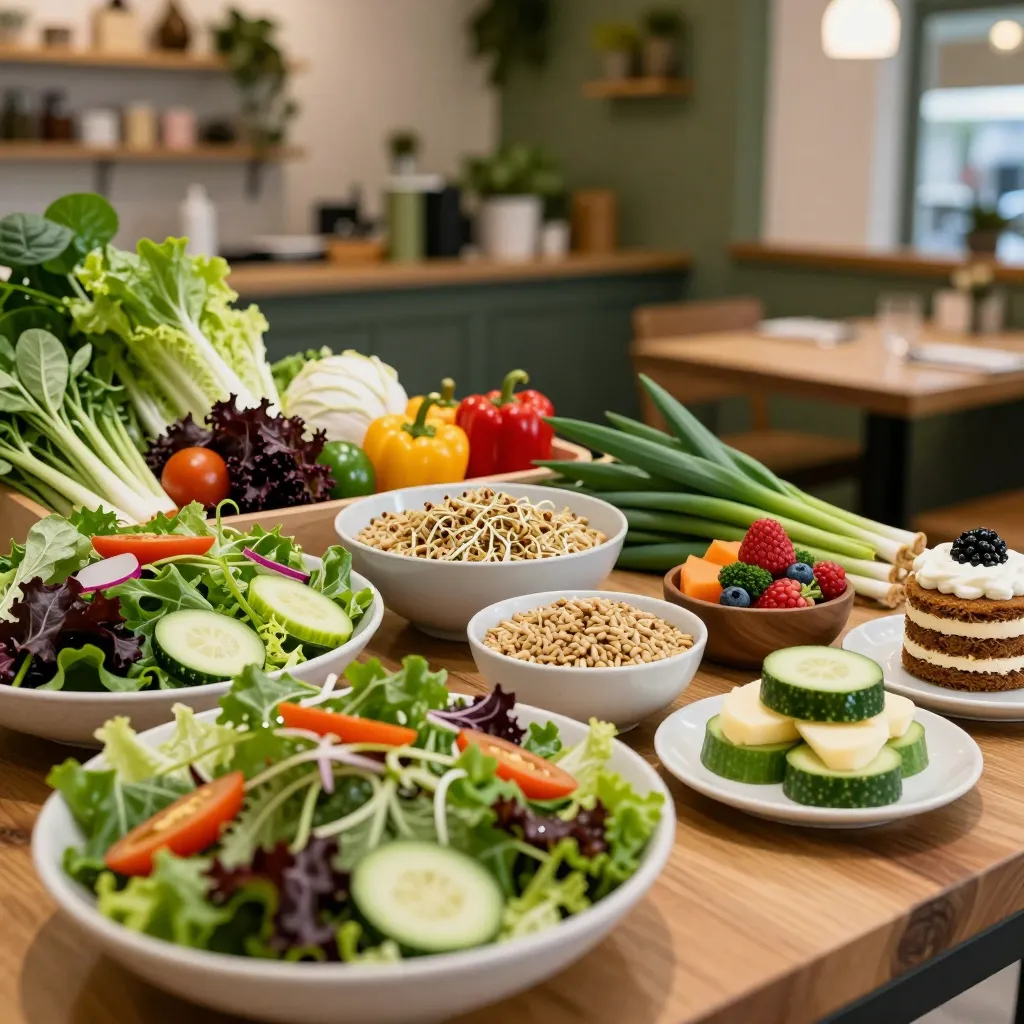
Why Digital Menus Are Essential for Plant-Based Eateries
As the global demand for plant-based dining continues to surge, restaurant owners must adapt their operations to meet modern consumer expectations. According to recent industry data, over 40% of consumers actively seek out sustainable dining options, and many of them prioritize digital experiences that reduce waste. For a vegetarian or raw food restaurant, transitioning to a digital menu is not just a trend; it is a strategic necessity that aligns with your core values of sustainability and environmental consciousness.
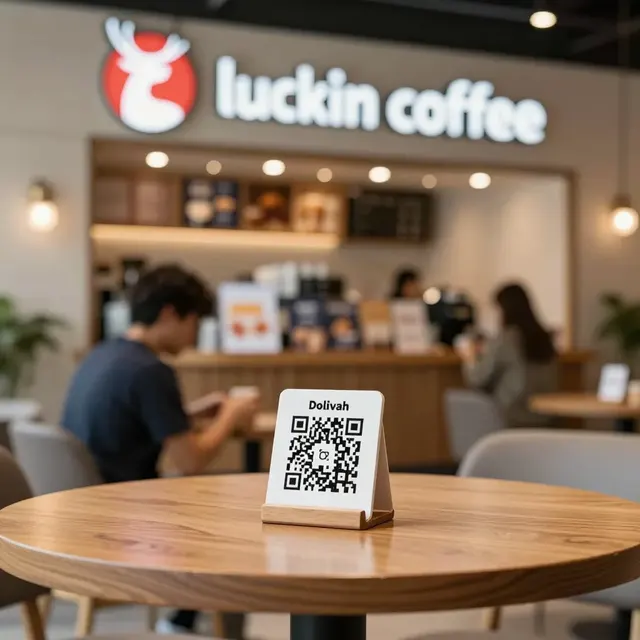
Paper menus contribute significantly to landfill waste, often ending up in the trash after a single service. By switching to a digital QR code menu, you immediately eliminate hundreds of sheets of paper per week. This shift demonstrates a tangible commitment to the environment, resonating deeply with eco-conscious diners who are often your most loyal customers. When a customer scans a code on your table, they are not just viewing food options; they are participating in a cleaner, greener dining experience that supports your mission to protect the planet.
Beyond waste reduction, digital menus offer unparalleled flexibility. In the raw food industry, where ingredients can be seasonal or subject to specific dietary restrictions, the ability to update content instantly is invaluable. If a supplier changes their sourcing for organic avocados or if a new allergen warning arises, you can update your menu in seconds rather than reprinting entire documents. This agility ensures that your information is always accurate, fostering a relationship of trust between your establishment and your guests.
Ensuring Radical Transparency with Digital Ingredients
Transparency is the heartbeat of a successful raw food and vegetarian business. Customers visiting these establishments often have specific dietary needs, including allergies, intolerances, or ethical choices regarding ingredient sourcing. A digital menu allows you to provide a level of detail that a printed sheet simply cannot match. You can dedicate space to list every single ingredient in a dish, breaking down complex recipes into understandable components.
Imagine a customer with a severe nut allergy scanning your menu. With a digital system, you can highlight this specific allergen in bold, perhaps even linking to a full ingredient list for that specific dish. This eliminates the guesswork and anxiety often associated with dining out. You can also include information about the origin of your ingredients, such as "organic kale grown in local soil" or "wild-caught seaweed from sustainable waters." This narrative approach educates your customers and reinforces the authenticity of your brand.
Furthermore, digital menus allow for clear pricing structures without hidden fees. In an era where consumers are increasingly wary of surprise charges, displaying all costs upfront builds immense goodwill. You can structure your menu to show base prices and clearly indicate any additional costs for premium ingredients or special preparations. This honesty prevents misunderstandings at the bill and ensures that your customers feel respected and informed. By being upfront about what they are ordering, you create a dining environment where everyone feels safe and valued.
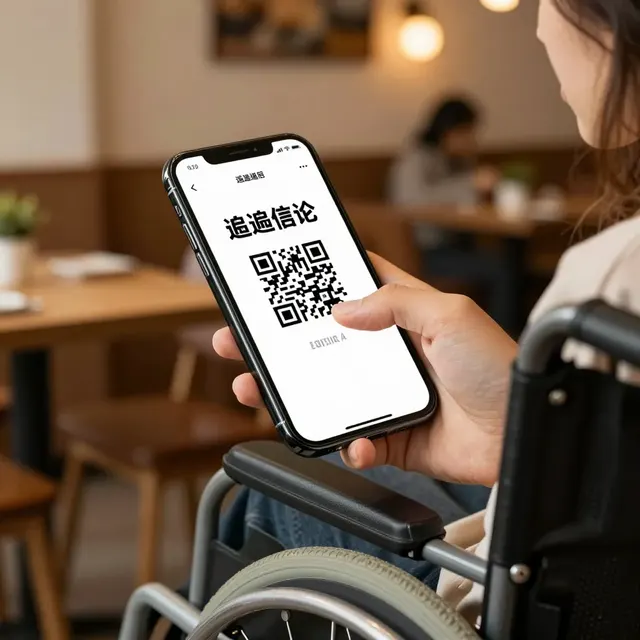
Breaking Language Barriers with Universal Access
One of the most powerful features of a digital menu is its ability to transcend language barriers. Many vegetarian and raw food restaurants attract a diverse clientele, including tourists and expats who may not speak the local language fluently. A static paper menu can be a significant obstacle for these guests, potentially limiting their dining experience. A digital platform, however, can be easily translated or designed with universal symbols and high-quality imagery that communicate the essence of the dish regardless of language.
You can integrate features that allow customers to toggle between languages instantly. If a customer scans the code and sees a menu in Spanish, they can switch to English or French with a single tap. This inclusivity ensures that no customer is turned away due to a language gap. It opens your doors to a wider audience and fosters a welcoming atmosphere where everyone feels they belong. This universal access is a direct reflection of your value of providing a system where everyone knows what they are eating, regardless of their background.
In addition to language, visual clarity is paramount for raw food restaurants where the aesthetic of the food is part of the selling point. High-resolution photos and clear, descriptive text help customers understand the texture and preparation method of raw dishes, which can sometimes be intimidating to first-timers. Describing a dish as "vibrant, crunchy, and infused with fresh citrus" helps set the right expectations and encourages adventurous eating. This clarity reduces hesitation and increases the likelihood of customers trying new items, ultimately boosting your sales.
Practical Steps to Build Your Sustainable Menu
Creating a digital menu is a straightforward process, but doing it with the right tools makes all the difference. Platforms like upQR are designed specifically to help restaurants implement these solutions quickly and efficiently. The first step is to gather your content: high-quality photos of your dishes, detailed ingredient lists, and your brand story. Authentic photos of your raw food creations are essential, as they should look exactly as they do on the plate. Avoid using stock images that misrepresent your food; honesty in visuals is just as important as honesty in ingredients.
Next, structure your menu logically. Group items by category such as "Cold Salads," "Smoothie Bowls," or "Raw Desserts." Use clear headings and bullet points to make the information scannable. On a digital screen, customers can tap to expand details, so you can keep the main view clean while offering deep dives into allergens and sourcing stories in a separate section. This user-friendly design respects the customer's time and keeps them engaged.
When choosing your provider, look for one that prioritizes security and ease of use. Your menu will be accessed via mobile devices, so it must load quickly on various networks and be compatible with different smartphones. Ensure the platform allows you to update prices and descriptions without technical headaches. Regular updates are crucial for maintaining accuracy, especially if you have seasonal specials or need to adjust allergen warnings. A system that requires constant IT support is not suitable for a busy restaurant; you need a solution that works seamlessly in the background.
Measuring Success and Enhancing Customer Engagement
Implementing a digital menu is not just about replacing paper; it is about enhancing the overall customer journey. With the right tools, you can track how customers interact with your menu. Are they spending more time on certain dishes? Are they frequently checking the allergen information? These insights can help you refine your offerings and marketing strategies. For instance, if data shows that customers often view your "Energy Balls" section but rarely order them, you might consider adjusting the pricing or highlighting the unique benefits of those items.
Engagement also comes from the ability to tell a story. Use the digital space to share tips on how to prepare certain raw dishes at home or to highlight the farmers who supply your produce. This educational content adds value to the dining experience and positions your restaurant as a leader in the plant-based community. It transforms a simple menu into a resource that customers want to keep on their phones.
Finally, remember that your digital menu is a living document. Regularly review your content to ensure it remains relevant and accurate. Solicit feedback from your customers about their experience with the digital menu and use that information to improve. A responsive approach to your digital presence shows that you care about the customer experience and are committed to continuous improvement. By leveraging these digital capabilities, you create a dining environment that is not only efficient and sustainable but also deeply connected to your customers' values and needs.
Conclusion
Transitioning to a digital menu is a transformative step for any vegetarian or raw food restaurant. It aligns your operations with your values of sustainability, transparency, and inclusivity while providing practical benefits like waste reduction and real-time updates. By utilizing a robust platform like upQR, you can effortlessly manage these complex requirements, ensuring that every customer receives honest, accurate, and accessible information about their meal. Embrace this digital evolution to serve your community better and lead the way in sustainable dining practices.
Related Posts

Ready to create your digital menu?
Create your QR menu in minutes and reach your customers in any language.