
How QR Menus Reduce Restaurant Liability Risks
Discover how digital QR menus lower insurance premiums and lawsuits by improving transparency, accuracy, and allergen safety for your staff and guests.
The Hidden Liability of Traditional Paper Menus
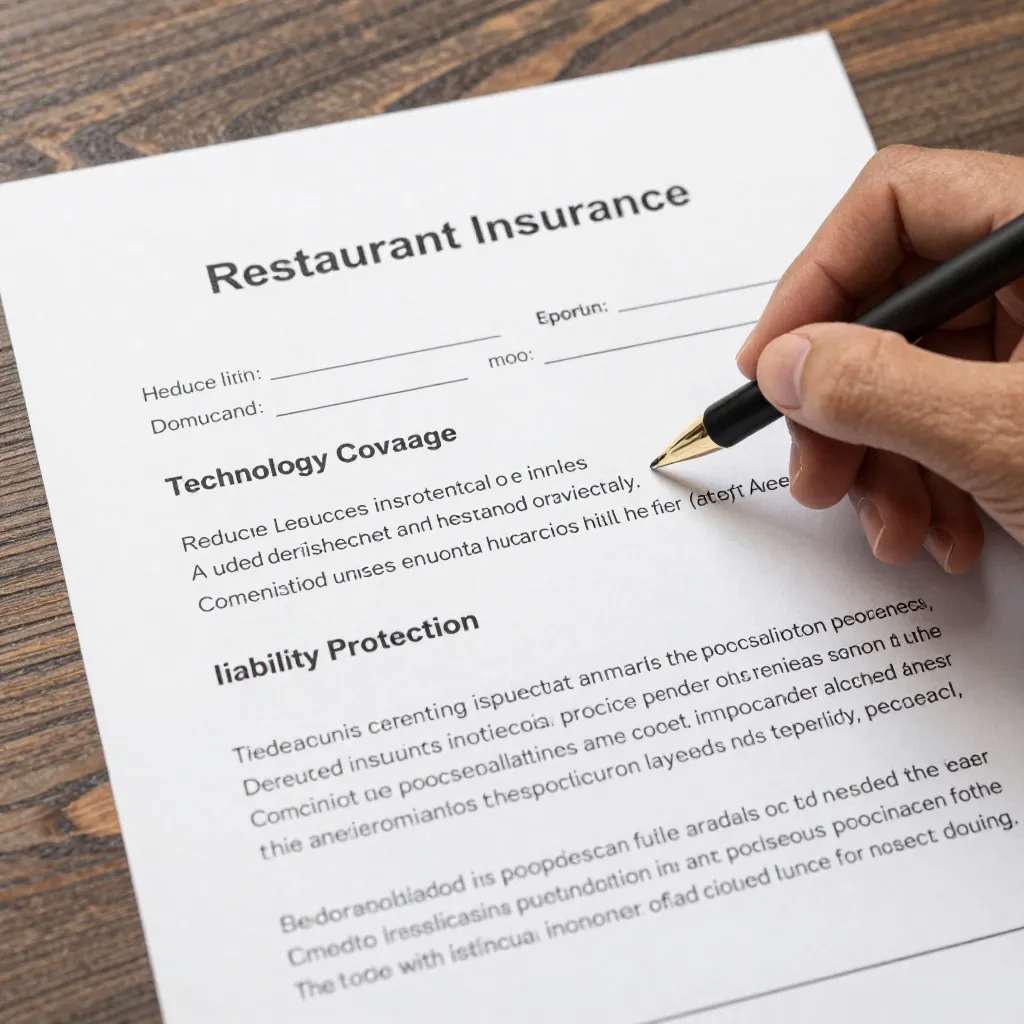
For decades, the physical menu has been the cornerstone of the dining experience. However, in an era where food safety regulations are stricter than ever, relying on a static, printed document introduces significant liability risks that many restaurant owners overlook. The primary danger lies in the disconnect between what is written on a page and what is actually in the kitchen. A single error in handwriting, a misprinted ingredient list, or a forgotten update on a special promotion can lead to severe consequences.
Consider the scenario where a customer orders a "light" salad, believing it contains no nuts based on the printed description. If the kitchen accidentally adds a crouton made with walnut oil, and the customer suffers an anaphylactic reaction, the restaurant is not just liable for medical costs but faces class-action lawsuits and reputational damage. The paper menu acts as a static record that cannot adapt to real-time changes in inventory or recipe modifications. This rigidity creates a gap between customer expectation and reality, a gap that insurance companies are increasingly scrutinizing.
Furthermore, the cost of reprinting menus adds a layer of financial liability. If a menu is found to be inaccurate after it has been distributed, the restaurant must issue a recall, which is operationally difficult and legally risky. In contrast, digital solutions offer a dynamic layer of protection that directly impacts your bottom line and your insurance profile.
Transparency as a Defense Against Allergy Claims
Food allergies are among the most serious liability issues facing the food service industry. According to the Food Allergy Research & Education (FARE), approximately 32 million Americans have a food allergy, and the number of reported reactions is rising. For restaurant owners, the fear of an allergic reaction is a constant source of stress. Traditional menus often lack the detailed breakdown required to safely serve these customers, leading to "I didn't know" defenses that rarely hold up in court.
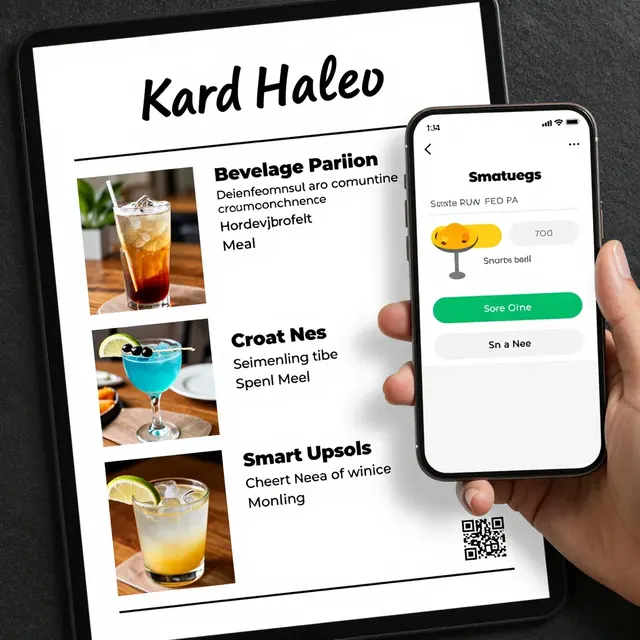
upQR addresses this critical vulnerability by mandating a level of transparency that paper simply cannot match. With our platform, every item can be tagged with specific allergen information, such as gluten, dairy, nuts, soy, and shellfish. This data is not just a checkbox; it is a verifiable record of what is in every dish. When a customer scans the QR code, they see a detailed ingredient list that can be updated instantly if a supplier changes a vendor or if a recipe is tweaked.
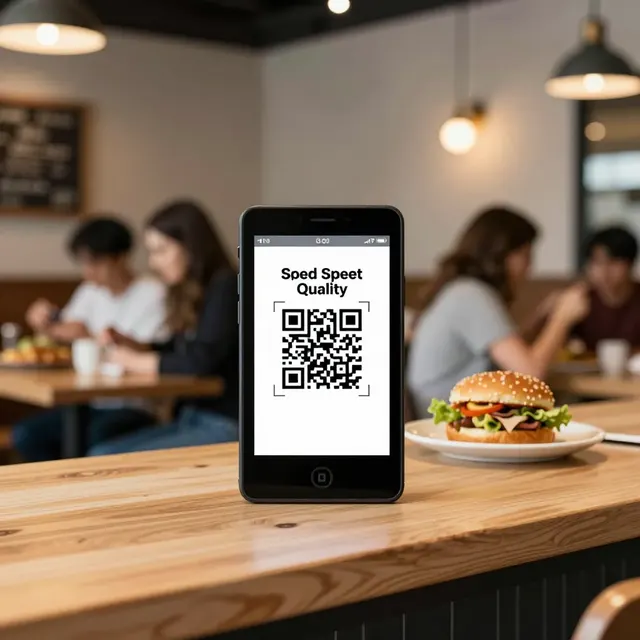
Imagine a situation where a customer with a severe peanut allergy orders a dish. On a paper menu, the staff might rely on memory or a verbal warning from the chef, which is prone to human error. With upQR, the customer sees the ingredient list before ordering. If the customer asks, "Does this have peanuts?" the server can pull up the live digital profile and show the customer exactly what is listed. This transparency shifts the liability dynamic. It demonstrates due diligence. Insurance adjusters and legal teams look for evidence that the restaurant took reasonable steps to inform customers. A digital menu with clear, accessible allergen data serves as powerful evidence of that effort.
Moreover, the ability to highlight dishes that are naturally free of major allergens allows restaurants to build a safer menu ecosystem. This proactive approach not only protects vulnerable customers but also provides a robust defense in the event of a claim. It shows that the establishment prioritizes safety through technology, a factor that can positively influence insurance risk assessments.
Accuracy and Real-Time Updates: Eliminating the "Ghost Items"
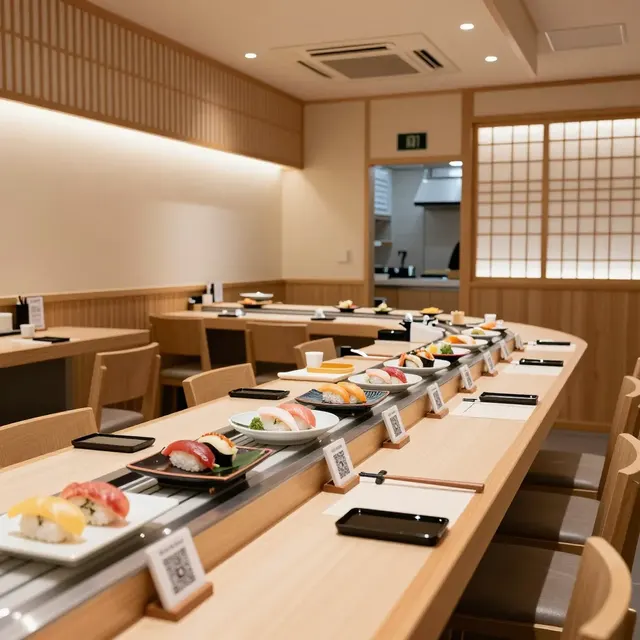
One of the most common sources of liability in restaurants is the sale of items that are no longer available, known as "ghost items." This often happens when a menu is printed, but an ingredient runs out, a supplier raises prices, or a dish is temporarily discontinued. On a paper menu, this discrepancy remains until the next reprint, potentially weeks or months later. If a customer orders a "special of the day" that the kitchen hasn't prepared for three days, the kitchen staff might accidentally serve a substitute without telling the customer.
This substitution can lead to allergic reactions, unexpected taste complaints, or even health code violations if the substitute contains undeclared ingredients. The liability here is twofold: the customer feels deceived, and the restaurant faces potential health department fines. Insurance premiums can also rise if a restaurant has a history of such discrepancies, as it indicates poor operational control.
upQR eliminates this risk through real-time synchronization. The digital menu is the single source of truth for your entire operation. If a dish is out of stock, a new allergen is introduced, or a price changes, the owner or manager updates the content once, and it reflects instantly on every table, every device, and every location. There is no lag time between the kitchen's reality and the customer's view.
This immediacy is crucial for liability management. It ensures that customers are never served a dish they did not order, nor are they charged for items that are not available. It also prevents the scenario where a customer asks about a dish that was removed from the menu yesterday but is still listed on the paper version. By maintaining strict accuracy, you reduce the likelihood of disputes, refunds, and potential lawsuits. Insurance carriers view operational efficiency and accuracy as key risk mitigation factors, and a digital system that enforces these standards is a strong asset.
Standardizing Descriptions to Prevent Misunderstandings
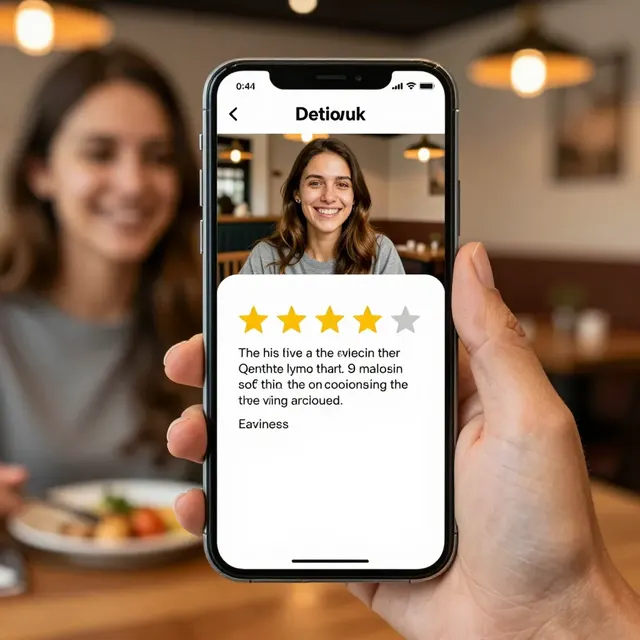
Language barriers and subjective descriptions are another hidden liability. A phrase like "spicy" or "fresh herbs" can mean different things to different people. One customer might expect a mild heat, while another expects a fiery challenge. If the dish provided does not match the customer's expectation, it can lead to complaints and claims of misrepresentation. Additionally, for non-native speakers, vague descriptions can be misinterpreted, leading to accidental consumption of ingredients they should avoid.
upQR allows for standardized, detailed descriptions that leave no room for ambiguity. You can include precise ingredient lists, cooking methods, and preparation notes. For example, instead of saying "grilled chicken," you can specify "grilled chicken breast marinated in lemon and garlic, served with steamed vegetables." This level of detail ensures that every customer, regardless of language or dietary need, understands exactly what they are ordering.
Furthermore, the platform supports multilingual menus. A customer who does not speak the local language can read the menu in their native tongue, reducing the risk of miscommunication between the server and the diner. This inclusivity is not just a customer service perk; it is a legal safeguard. If a customer cannot understand the menu due to language barriers, they might order something they shouldn't. By providing clear, translated information, the restaurant fulfills its duty to inform, thereby reducing liability. Insurance underwriters appreciate businesses that minimize communication errors, as they directly correlate to fewer accidents and disputes.
Building a Culture of Safety for Staff and Insurers
Implementing a digital QR menu system like upQR does more than just change how customers order; it transforms the internal culture of your restaurant. Staff members are often under immense pressure, and relying on memory or verbal instructions to manage complex dietary requests is a recipe for error. When the menu is digital, the burden of accuracy is shared between the technology and the staff.
Training becomes more effective. New employees can quickly learn how to navigate the digital menu system to verify ingredients, rather than relying on potentially outdated knowledge. This reduces the margin for error in a high-stress environment. When an employee can confidently tell a customer, "I checked the digital system, and this dish does not contain dairy," they are providing a higher standard of care. This culture of verification is exactly what insurance companies look for when assessing risk.
Insurance companies are constantly seeking ways to lower premiums and mitigate risk. They want to partner with businesses that demonstrate proactive safety measures. By adopting a technology platform that enforces transparency, accuracy, and real-time updates, you are signaling to your insurer that you are a low-risk operation. While switching to a digital menu does not automatically guarantee a lower premium, it provides the evidence needed to negotiate better rates. It shows that you have invested in systems that prevent accidents before they happen.
Moreover, the data generated by upQR can be used to track trends in customer inquiries and allergen concerns. If a specific dish frequently generates questions about ingredients, you can proactively review and update its description or recipe. This data-driven approach to menu management ensures that you are always ahead of potential issues. It turns reactive crisis management into proactive risk prevention.
Conclusion: Investing in Protection and Peace of Mind
In the restaurant industry, liability is an unavoidable reality. However, the way you manage it can significantly impact your business's stability and profitability. Traditional paper menus create a static, error-prone environment that invites lawsuits and insurance scrutiny. By transitioning to a digital solution like upQR, you are not just modernizing your ordering process; you are building a fortress of defense against common liability risks.
upQR empowers you with the tools to ensure transparency, accuracy, and inclusivity. It eliminates the dangers of ghost items, misdescriptions, and outdated information. It provides a verifiable record of your commitment to food safety and customer care. For restaurant owners and managers looking to protect their business, investing in a digital menu platform is a strategic move that pays dividends in safety, reputation, and operational efficiency. Embrace the technology that turns potential liabilities into manageable risks, and give yourself the peace of mind to focus on what truly matters: serving delicious food to happy customers.
Related Posts
Ready to create your digital menu?
Create your QR menu in minutes and reach your customers in any language.