
300 Blogs Later: Top QR Menu Questions for Owners
After writing hundreds of guides, we've compiled the most frequent questions restaurant owners ask about QR menus. Discover practical answers, data-backed insights, and how upQR simplifies your digital transition.

Why Are Restaurant Owners Asking About QR Menus So Often?
After publishing over 300 blog posts covering every aspect of the food service industry, a clear pattern has emerged. Restaurant owners and cafe managers are constantly seeking answers about digital transformation. The sheer volume of questions indicates a shift in mindset: the industry is no longer asking if they should use QR codes, but how to implement them effectively. This surge in interest is driven by the post-pandemic reality where hybrid dining has become the new normal, yet many establishments still struggle with operational efficiency.
Owners are realizing that paper menus are not just an environmental burden but a logistical bottleneck. They are tired of reprinting menus for seasonal changes, dealing with outdated pricing, and managing a chaotic ordering process. The questions we receive now reflect a desire for stability, transparency, and a seamless customer experience. It is no longer about surviving a crisis; it is about thriving in a competitive market where speed and accuracy matter more than ever.
The Most Common Question: How Do I Handle Menu Updates Without Reprinting?
This is arguably the most frequent and critical question we receive. The pain point is universal: a chef creates a new dish, the price of an ingredient fluctuates, or a seasonal item needs to be removed. With a traditional paper menu, this process is slow, expensive, and messy. It requires printing new batches, cutting old ones, and distributing them to every table, which often leads to confusion and waste.
With a digital QR menu system, this friction disappears. Updates can be made in real-time from a single dashboard. If a restaurant owner changes the price of a signature burger from $12 to $14, that change is instantly reflected on every customer's screen, whether they are at a downtown cafe or a suburban family restaurant. This capability ensures that customers always see the most accurate information, fostering trust. It also allows for dynamic content, such as highlighting daily specials or showcasing happy hour deals, without any physical overhead. The ability to test a new menu layout or description before rolling it out to all locations is another massive advantage, allowing owners to refine their offerings based on customer engagement data before making permanent changes.
Addressing the Fear of 'Ghost Kitchens' and Digital Detractors
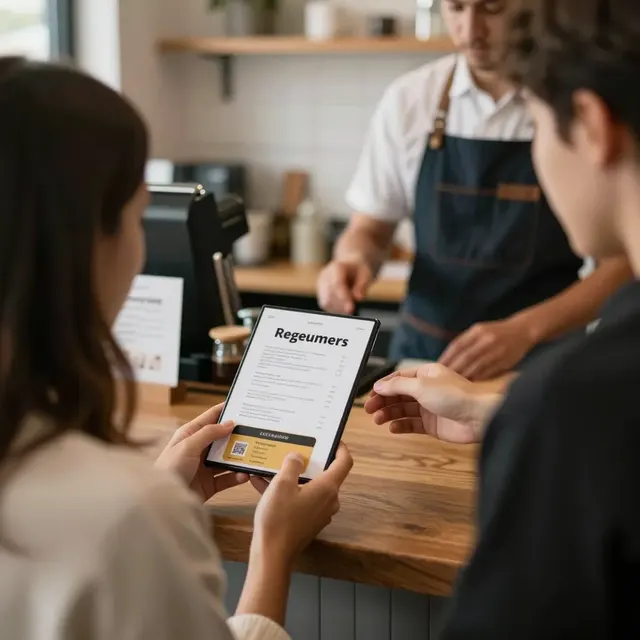
Despite the clear benefits, a significant number of owners express concern about how guests perceive digital menus. There is a lingering fear that using a QR code makes a restaurant look like a 'ghost kitchen'-a place that lacks a human touch or ambiance. This misconception stems from early implementations where the QR code was the only interaction between the guest and the brand.
The solution lies in design and integration. A well-designed digital menu does not replace the hospitality; it enhances it. When a guest scans a code, they should not be greeted by a bare white screen or a generic link. Instead, they should see a branded experience that matches the restaurant's interior and vibe. For example, a cozy coffee shop can use a digital menu to showcase the barista's name, share the origin of the beans, and provide brewing tips, turning a simple scan into an educational and welcoming moment. This approach directly addresses the 'digital detractor' concern by proving that technology and warmth can coexist. The digital menu becomes a tool for storytelling, allowing owners to share the history of their ingredients or the philosophy behind their cooking, thereby deepening the connection with the customer rather than distancing them.
Transparency and the 'Honesty' Factor in Digital Menus
One of our core values at upQR is transparency, and this is a topic that resonates deeply with modern diners. Restaurant owners are increasingly asking how to leverage digital menus to build trust. In an era where hidden fees and misleading descriptions are common complaints, a digital menu offers a unique opportunity to be radically honest. Owners can clearly list allergens, nutritional information, and detailed ingredient sources right next to each item.
Consider a sushi restaurant. A paper menu might simply say 'Sushi Set.' A digital menu can expand on this, explaining that the rice is short-grain from Japan, the fish is sustainably sourced, and explicitly stating that no MSG is used. This level of detail appeals to health-conscious consumers and those with dietary restrictions. Furthermore, digital menus allow for a 'no-surprise' pricing model. Owners can include notes explaining why certain items are priced higher, such as 'farm-fresh eggs from local producers,' turning a potential complaint about cost into a value proposition. By eliminating hidden fees and providing full honesty, owners can differentiate their brand and reduce the likelihood of disputes at the end of a meal. This transparency not only improves the dining experience but also reduces the administrative burden of answering repetitive questions about ingredients or pricing at the host stand.
Universal Access: Breaking Language and Dietary Barriers
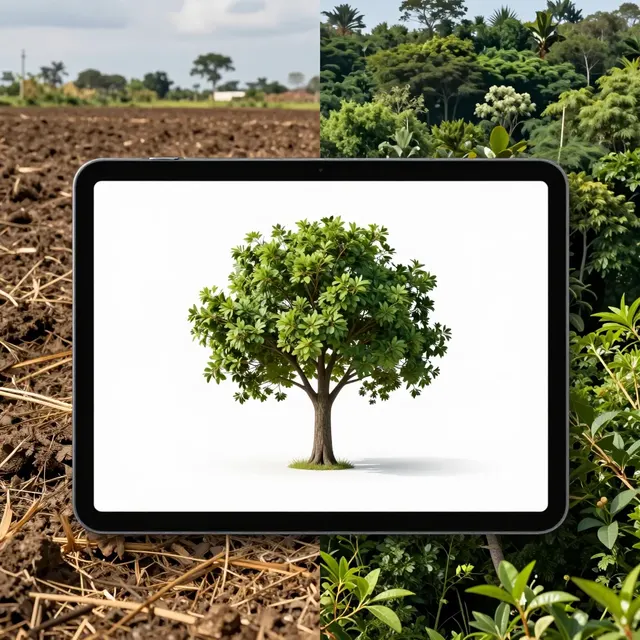
Another major question revolves around inclusivity. How can a restaurant serve a diverse clientele without confusing anyone? Digital menus are the ultimate equalizer. They support universal access by allowing instant translation. If a tourist scans a code, they can select their language, and the entire menu translates instantly. This removes the barrier of language and ensures that every guest, regardless of their background, knows exactly what they are ordering.
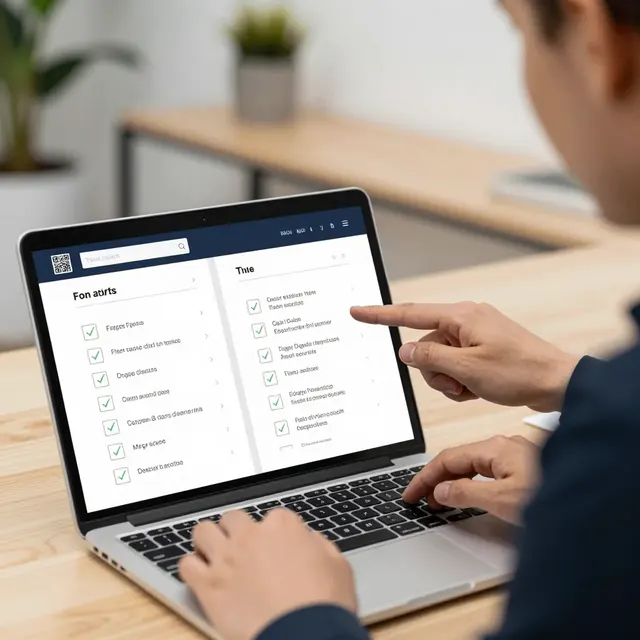
Beyond language, dietary needs are becoming more complex. Owners are asking how to manage requests for gluten-free, vegan, or low-sodium options without cluttering the paper menu. A digital menu can use color-coding or icons to instantly filter these options. A guest with a nut allergy can toggle a filter and see only safe items. This proactive approach to accessibility demonstrates a commitment to customer care that paper menus simply cannot match. It also reduces the risk of accidents in the kitchen caused by miscommunication. When a guest specifies a dietary need via a digital filter, the order is sent to the kitchen with that specific tag, ensuring the staff is prepared. This level of precision and care is a powerful marketing tool that builds loyalty among a growing segment of the population with specific dietary requirements.
Measuring Success: What Metrics Matter for QR Menus?
Finally, owners want to know if the investment is paying off. They are asking what data they can track. Unlike paper menus, digital ones provide a wealth of analytics. Owners can track which items are viewed most frequently, which dishes are added to carts but never ordered, and how long guests spend reviewing the menu. This data is invaluable for menu engineering.
For instance, if data shows that a high-margin appetizer is rarely selected, the owner can adjust the description, photo, or placement to increase its appeal. Conversely, if a low-margin item is popular, the owner can investigate ways to reduce costs or modify the recipe. This ability to make data-driven decisions transforms the menu from a static list into a strategic asset. It also helps in optimizing kitchen workflow by identifying peak demand times for specific items, allowing for better inventory management and staff scheduling. By leveraging these insights, owners can increase profitability and reduce food waste, directly contributing to the bottom line. The data also helps in understanding customer preferences over time, allowing for a more personalized dining experience that evolves with the community's tastes.
Conclusion: Embracing the Future of Dining
The journey from paper to digital is not just about replacing a piece of cardboard; it is about upgrading the entire customer journey. The questions restaurant owners ask today reflect a sophisticated understanding of the challenges and opportunities in the modern food service landscape. They are looking for solutions that offer flexibility, transparency, and inclusivity. upQR is designed to meet these needs, providing a platform that aligns with the values of sustainability, honesty, and universal access. Whether you are a small cafe looking to reduce paper waste or a large restaurant chain seeking operational efficiency, a digital QR menu is the key to unlocking a more resilient and responsive business model. By adopting these tools, you are not just following a trend; you are setting a new standard for what it means to serve a community with care and integrity.
Related Posts
Ready to create your digital menu?
Create your QR menu in minutes and reach your customers in any language.