
Restaurant Electricity Costs: How Digital Menus Save Energy
Discover how switching to digital QR menus reduces restaurant electricity bills, cuts paper waste, and aligns your business with sustainable energy goals.
Understanding the Hidden Energy Cost of Traditional Menus
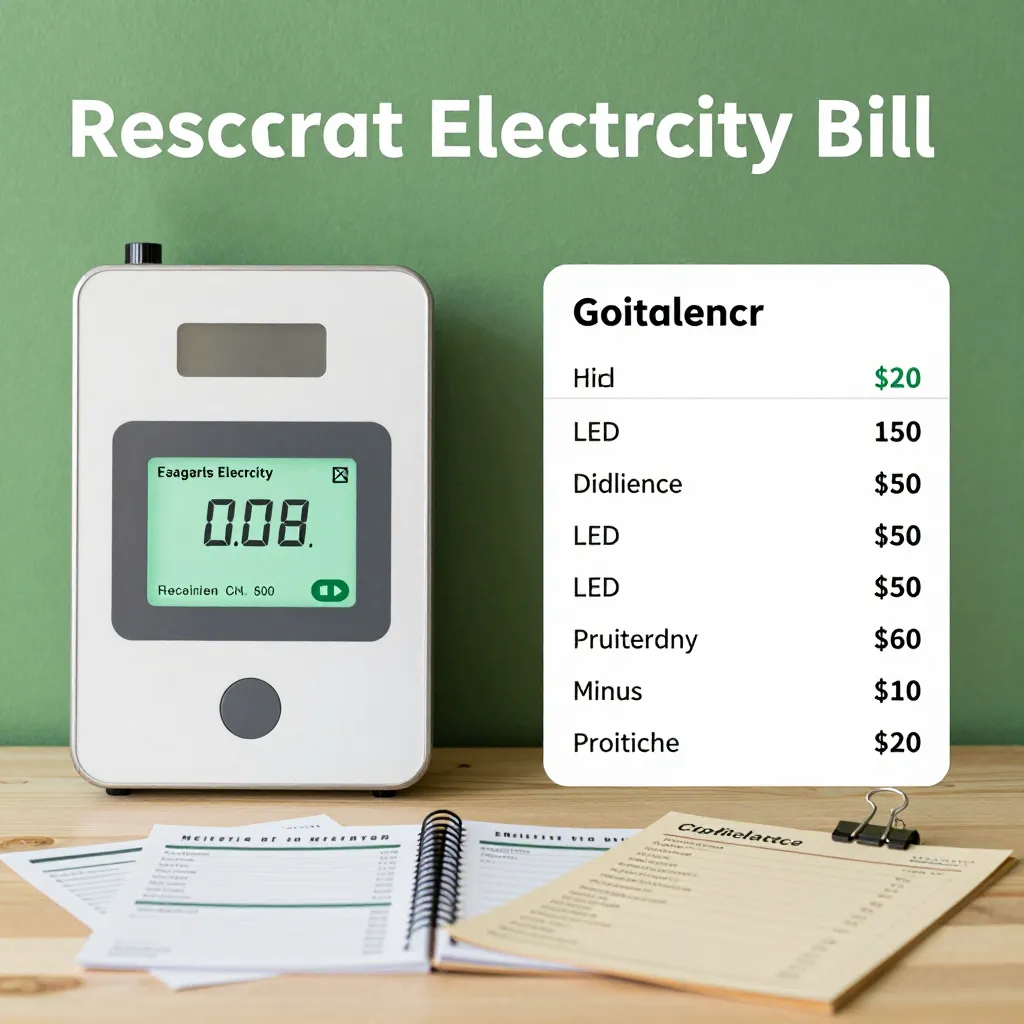
When restaurant owners calculate their monthly operating expenses, they often focus on obvious costs like food procurement, labor, and rent. However, a significant portion of the overhead is often overlooked: the energy consumption required to maintain traditional physical menus. While a printed menu might seem like a static piece of paper, the entire ecosystem supporting it-printing presses, paper production, delivery logistics, and the electricity used to power the lighting and climate control while guests peruse pages-creates a hidden carbon footprint.
According to the Environmental Protection Agency (EPA), the paper industry is a major consumer of energy. The process of manufacturing paper involves heating water and chemicals to break down wood pulp, a process that is incredibly energy-intensive. Furthermore, the logistics of restocking menus for a busy restaurant involve vehicles burning fossil fuels to deliver heavy boxes of paper every few months. For a restaurant serving 100 guests daily, replacing a physical menu with a digital one can reduce this indirect energy consumption significantly within the first six months.
Moreover, the act of reading a menu itself consumes energy. In the past, customers would flip through pages under bright overhead lights, often turning on additional lamps or leaving HVAC systems running at full capacity to ensure a comfortable dining environment while waiting for service. Digital menus streamline this experience, allowing for quicker decision-making and reduced wait times, which indirectly lowers the energy load on your facility. By transitioning to a digital-first approach, you are not just modernizing your brand; you are actively participating in a circular economy that prioritizes resource efficiency.
The Direct Impact of Paperless Menus on Carbon Footprint
The transition to digital menus offers a direct and measurable impact on your restaurant's carbon footprint. Every physical menu printed represents trees cut down, water used, and electricity consumed. A single restaurant printing 500 menus a month is essentially committing to a continuous cycle of resource extraction. In contrast, a digital menu hosted on a cloud platform like upQR eliminates this recurring demand.
Consider the lifecycle of a printed menu. It begins in a forest, moves to a mill, travels to a printer, is delivered to your kitchen, and finally ends up in a recycling bin or a landfill after a few months of wear and tear. The carbon emissions from transportation alone can account for up to 30% of the total environmental impact of a printed product. By going digital, you break this chain. You remove the need for frequent reprinting, which is often necessary when a physical menu gets damaged or needs an update. With a digital system, updates are instantaneous, meaning you never waste resources on outdated paper versions that have to be thrown away.
Industry data suggests that businesses that have gone paperless can reduce their operational carbon emissions by as much as 15% to 20% within the first year of implementation. This reduction comes primarily from the elimination of paper production and distribution. For a cafe or restaurant aiming for LEED certification or other green building standards, the move to digital menus is a critical step. It demonstrates a tangible commitment to sustainability that resonates with eco-conscious diners who are increasingly looking for transparency in how their food is served and what resources are used to do so.
Operational Efficiency: Reducing Waste and Energy in the Kitchen
The benefits of digital menus extend far beyond the dining room and into the heart of your operation: the kitchen. Traditional menus often lead to inventory discrepancies. If a physical menu lists an item that is out of stock, kitchen staff must manually cross it out or rely on memory to avoid preparing it. This often results in food waste, as ingredients are already purchased and prepared. Food waste is a massive contributor to global greenhouse gas emissions, particularly methane produced in landfills.
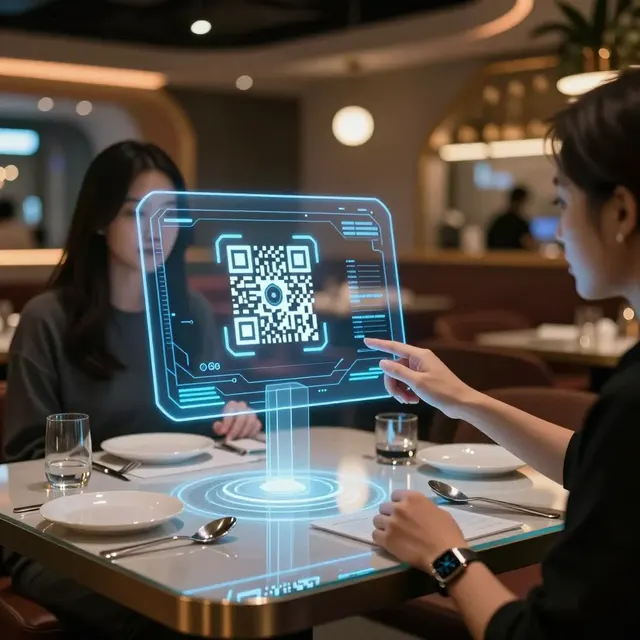
Digital menus solve this issue through real-time synchronization. Your inventory management system can automatically update the digital menu when stock levels drop. If you run out of fresh basil, the menu updates instantly, preventing the kitchen from wasting time and energy preparing a dish that cannot be served. This level of accuracy reduces the need for emergency restocking runs, which saves fuel and reduces the energy spent on food preparation for items that ultimately go uneaten.
Furthermore, digital menus streamline the ordering process, reducing the time servers spend walking back and forth between the dining floor and the kitchen. Fewer steps mean less movement, which translates to lower energy consumption for staff and a more efficient workflow. In high-volume environments, this efficiency is crucial. When orders are processed faster and more accurately, the kitchen operates at peak efficiency without the need for overtime shifts or excessive lighting and cooling required to accommodate a chaotic, error-prone service. This operational smoothness is a direct result of the data integrity provided by a digital platform.
Customer Engagement and the Psychology of Sustainable Choices
Sustainability is no longer just a regulatory requirement; it is a powerful marketing tool that drives customer loyalty. Modern diners, especially younger generations, are highly attuned to environmental issues. They want to know that their dining choices align with their values. When you present a digital menu that highlights your commitment to energy savings, you are telling a story that customers want to hear.
Digital menus offer a unique opportunity to educate guests about your sustainability efforts. You can include a small section on the digital interface explaining how your restaurant has reduced paper waste, conserved water, and optimized energy usage. You can even display real-time statistics, such as "This week, we saved X trees by going digital." This transparency builds trust and fosters a deeper connection between the restaurant and its community. It transforms the act of ordering food into a positive environmental action, making the customer feel like a partner in your mission.
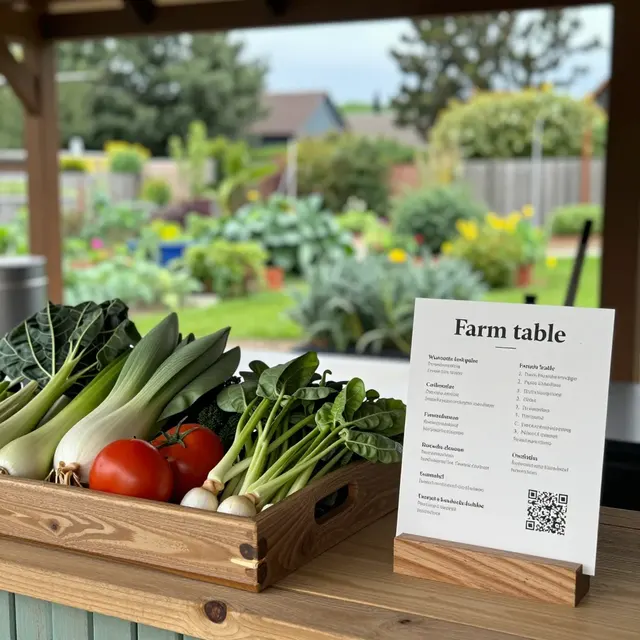
From a psychological perspective, digital menus also encourage mindful eating. The interactive nature of a QR code menu often includes detailed ingredient lists, allergen information, and sourcing details. When customers see exactly what they are eating and where it comes from, they are more likely to make choices that reduce waste, such as ordering from seasonal menus or choosing plant-based options. This behavioral shift, facilitated by the clarity and honesty of a digital platform, further reduces the overall energy footprint of your restaurant by promoting responsible consumption habits.
Implementing a Sustainable Digital Strategy with upQR
Transitioning to a digital menu is a strategic investment that yields immediate returns in energy savings and brand reputation. However, the technology you choose matters. Not all digital solutions are created equal. Some platforms require constant server maintenance, consume significant data, or offer poor user experiences that frustrate customers. upQR was designed with the core principles of sustainability, transparency, and universal access in mind.
Our platform is built on a robust cloud infrastructure that optimizes energy consumption through efficient data centers. We ensure that your digital menu loads quickly on any device, reducing the time customers spend on screens and the data load required for your server. We prioritize security and privacy, ensuring that your customer data is handled with the same care and integrity you promise in your kitchen. Additionally, upQR provides a seamless experience across different devices, ensuring that every guest, regardless of their device preference or language, can access your menu without friction.
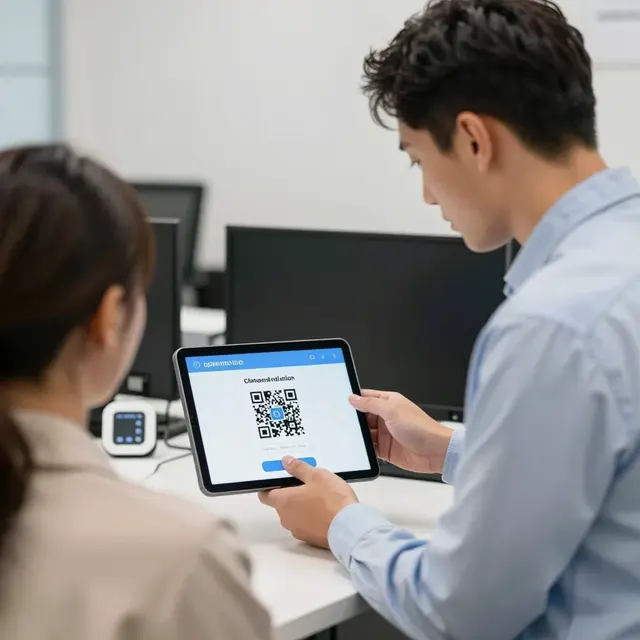
To get started, simply generate a unique QR code for your table or display a static code at the entrance. Guests scan the code and are instantly directed to your mobile-friendly menu. You can update prices, descriptions, and images in real-time from your dashboard. This flexibility means you can adapt to seasonal changes or special events without the cost and waste of reprinting. By choosing upQR, you are not just adopting a new tool; you are adopting a philosophy of honesty and environmental responsibility that sets your restaurant apart in a crowded market.
The path to a greener future starts with small, actionable steps. Replacing your paper stack with a digital solution is one of the most effective ways a restaurant can reduce its overhead and environmental impact. As you consider your next operational upgrade, remember that every decision you make has an energy cost. Choose a partner that aligns with your values and helps you lead the way in sustainable dining. With upQR, you can save money, save energy, and serve your community with integrity.

Related Posts
Ready to create your digital menu?
Create your QR menu in minutes and reach your customers in any language.