
Restaurant Chatbots: The AI Revolution for QR Menus
Discover how AI chatbots transform QR menus into powerful customer service tools, boosting orders and reducing wait times for modern restaurants.
Transforming Static Menus into Interactive Conversations
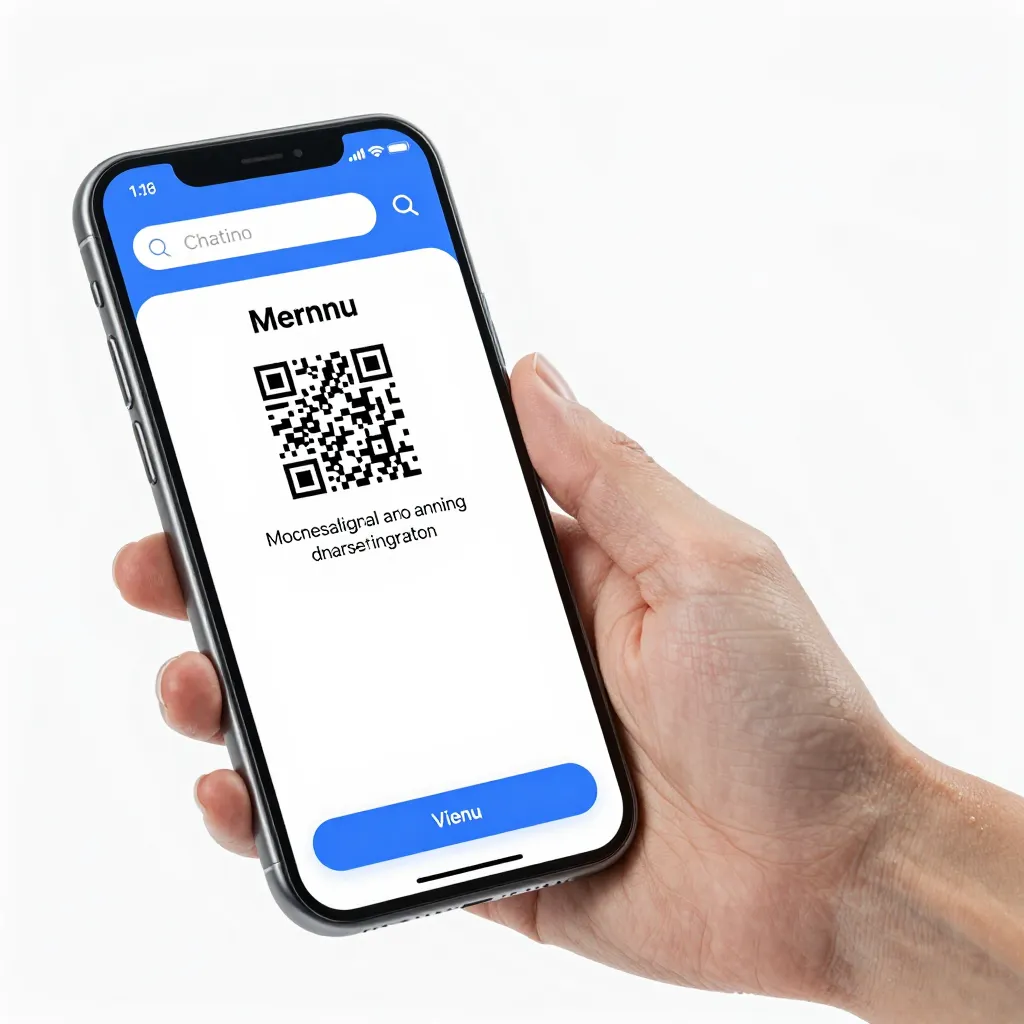
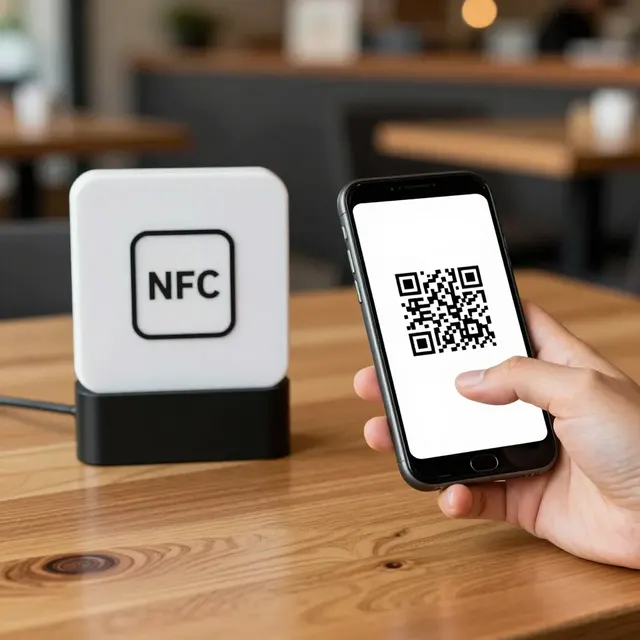
For years, the QR code at a restaurant table has served a single, static purpose: displaying a PDF or web page of food and drink options. While this digital shift was a massive victory for sustainability, eliminating thousands of paper menus from landfills annually, it often left a significant gap in customer experience. Today, the industry is witnessing a paradigm shift where these digital menus are evolving into dynamic, interactive hubs powered by Artificial Intelligence. By integrating restaurant chatbots into their QR menu platforms, establishments can move beyond simple digital displays to create an engaging, 24/7 customer service layer that feels personal and efficient.
The integration of AI chatbots represents more than just a technological upgrade; it is a strategic move to address the modern diner's desire for speed and personalization. According to recent industry reports, 61% of consumers prefer using chatbots for customer service because they offer instant responses and convenience. For a restaurant owner, this means that the moment a customer scans a code, they are not just looking at prices; they are entering a conversation that can guide them to the perfect dish, answer questions about allergies instantly, and even process payments without ever touching a physical menu.
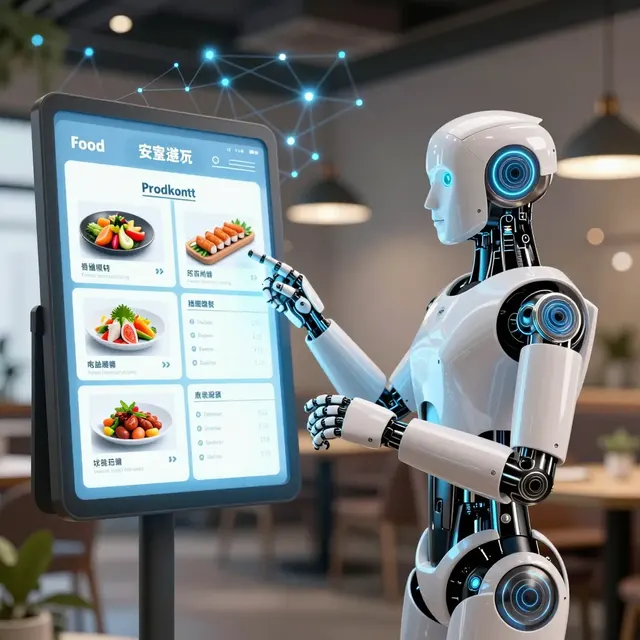
Imagine a customer scanning a code at a busy bistro. Instead of scrolling through a long list of items, they see a friendly interface asking, "Are you looking for something light or hearty today?" This conversational approach reduces decision paralysis, a common phenomenon where diners struggle to choose from too many options. The chatbot can suggest a pairing, highlight a chef's special, or recommend a vegetarian option based on dietary filters. This level of interactivity transforms the ordering process from a chore into an enjoyable part of the dining experience, directly influencing upsell opportunities and average check sizes.
Enhancing Transparency and Building Trust with AI
Transparency is one of the core pillars of modern dining, and AI chatbots are uniquely positioned to champion this value. In an era where food safety and ingredient sourcing are paramount concerns for consumers, static menus often fail to provide the depth of information diners crave. A chatbot can instantly pull up detailed nutritional data, allergen warnings, and sourcing stories for any item on the menu. If a customer asks, "Does the pasta contain gluten?" or "Where does the coffee beans come from?", the AI can provide a precise, sourced answer in seconds, eliminating the need for a server to leave the table or guess based on memory.
This capability aligns perfectly with the need for honest and accurate information. Chatbots can be programmed to flag potential allergens with high-visibility warnings, ensuring that customers with severe dietary restrictions feel safe and informed. For instance, if a user selects "I have a nut allergy," the chatbot can automatically filter out any dishes containing tree nuts or cross-contamination risks, presenting only safe options. This proactive approach not only protects the customer but also shields the restaurant from liability and reputational damage.
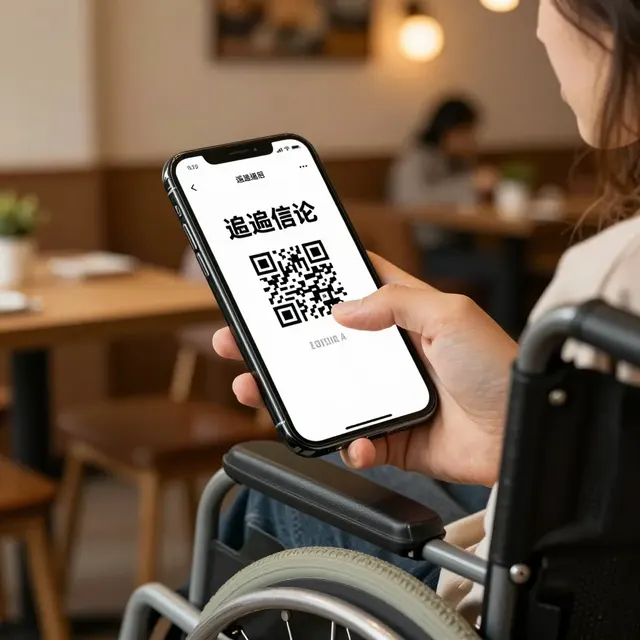
Furthermore, chatbots can bridge the language gap, fulfilling the promise of universal access. In multicultural cities, a single restaurant might serve a diverse clientele that speaks various languages. An AI chatbot can instantly switch to a customer's preferred language, ensuring that everyone understands the menu and feels welcome. This inclusivity fosters a sense of community and ensures that no patron is turned away due to a language barrier. By providing clear, transparent, and accessible information, restaurants demonstrate a commitment to integrity that resonates deeply with today's discerning diners.
Operational Efficiency: Reducing Wait Times and Server Burden
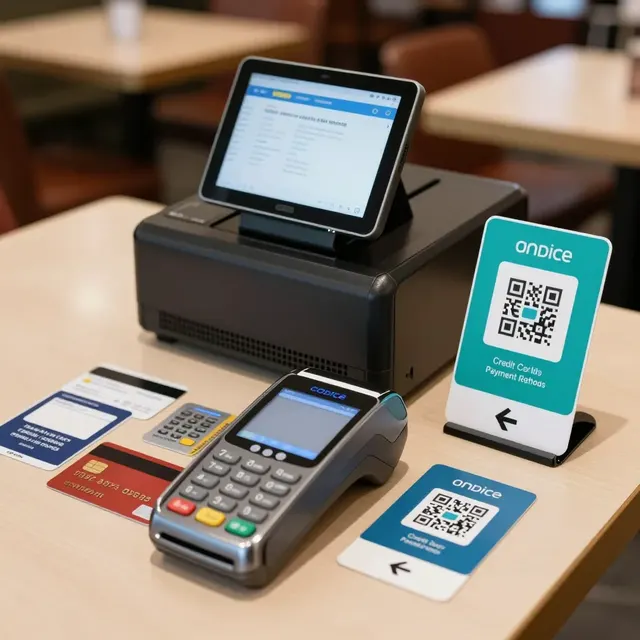
One of the most immediate benefits of implementing AI chatbots is the significant reduction in operational friction. During peak hours, servers are often stretched thin, juggling multiple tables, taking orders, and managing the dining room. When a customer scans a QR code and waits for a server to come over to take an order, it adds minutes to the overall dining experience. Chatbots eliminate this bottleneck by allowing customers to order and pay instantly, freeing up staff to focus on hospitality, such as engaging in conversation, managing the ambiance, and handling complex requests.
Data indicates that self-service ordering can increase table turnover rates by up to 20%, allowing restaurants to serve more guests with the same number of staff. This efficiency is crucial for maintaining profitability without increasing labor costs. Moreover, chatbots can handle routine inquiries that would otherwise tie up management time, such as asking about reservation policies, checking the status of a past order, or providing directions to the restroom. By automating these repetitive tasks, restaurant owners can optimize their workforce, ensuring that human staff are deployed where they add the most value-creating memorable moments for guests.
Consider a scenario where a large group arrives for dinner. Instead of one server having to walk around asking each person what they want to order, the group scans the code and interacts with the chatbot individually or collectively. The system aggregates the orders, suggests combinations, and sends the kitchen the consolidated ticket instantly. This streamlined process reduces the likelihood of errors in order transmission and ensures that food arrives promptly. The result is a smoother dining flow, happier customers, and a more manageable environment for the restaurant team.
Personalization and Data-Driven Menu Optimization
Beyond immediate order taking, restaurant chatbots serve as powerful data collection tools that can revolutionize how menus are designed and updated. Every interaction a customer has with a chatbot generates valuable insights into consumer behavior. For example, if a chatbot notices that a particular dish is frequently asked about regarding its preparation method or if many users filter out items containing specific ingredients, this data can inform menu engineering. Owners can then decide to highlight popular items, rephrase descriptions to address common concerns, or even retire underperforming dishes.
This data-driven approach allows for hyper-personalization at scale. AI algorithms can analyze past order history and preferences to suggest items to returning customers. "Since you loved our truffle risotto last time, would you like to try our new mushroom soup?" Such targeted recommendations not only delight customers but also drive revenue by guiding them toward high-margin items they might not have otherwise considered. Unlike generic marketing emails, these suggestions are contextual and relevant to the specific dining occasion.
Furthermore, chatbots can adapt to real-time inventory changes. If a fresh ingredient runs out, the chatbot can instantly notify customers of the substitution or suggest an alternative, maintaining transparency and preventing frustration. This dynamic capability ensures that the menu remains accurate and reliable, reinforcing the brand's commitment to honesty. By leveraging data, restaurants can make informed decisions that enhance the overall guest experience and drive long-term growth.
The Future of Digital Dining: Integrating AI into Your Strategy
As we look toward the future of the restaurant industry, the integration of AI chatbots is no longer a luxury but a necessity for competitive survival. The technology is rapidly evolving, becoming more sophisticated, natural, and capable of handling complex conversations. For restaurant owners and cafe managers, the question is not whether to adopt this technology, but how to implement it effectively within their existing operations. The transition should focus on enhancing the human element rather than replacing it, using AI to handle the mundane so humans can excel at connection.
Restaurants that embrace this revolution will find themselves better equipped to handle the challenges of the post-pandemic dining landscape, where contactless options and speed are expected norms. Platforms like upQR are at the forefront of this movement, offering robust solutions that combine sustainability with advanced AI features. By choosing a platform that supports both digital menus and intelligent chatbots, businesses can create a seamless ecosystem that values the environment, respects the customer's needs, and operates with maximum efficiency.
The path forward involves a strategic evaluation of current systems and an openness to innovation. Start by identifying pain points in your current ordering process-is it the wait time? The lack of allergy information? The difficulty of upselling? Then, explore how an AI-powered chatbot can solve these specific issues. Whether you are a small cafe or a large chain, the scalability of these solutions makes them accessible to businesses of all sizes. Embracing this technology positions your establishment as a forward-thinking leader in the industry, attracting tech-savvy customers who appreciate convenience and transparency.
In summary, the fusion of restaurant chatbots and QR menus marks a new chapter in the evolution of the dining experience. It is a chapter defined by speed, transparency, and personalization. By adopting these tools, you are not just updating a menu; you are redefining the relationship between a restaurant and its guests, building a foundation of trust and efficiency that supports sustainable growth in a competitive market.
Related Posts
Ready to create your digital menu?
Create your QR menu in minutes and reach your customers in any language.