How QR Ordering Reduces Human Error by 90%
Discover how digital menus eliminate miscommunication, reduce waste, and ensure every customer gets exactly what they ordered with upQR.
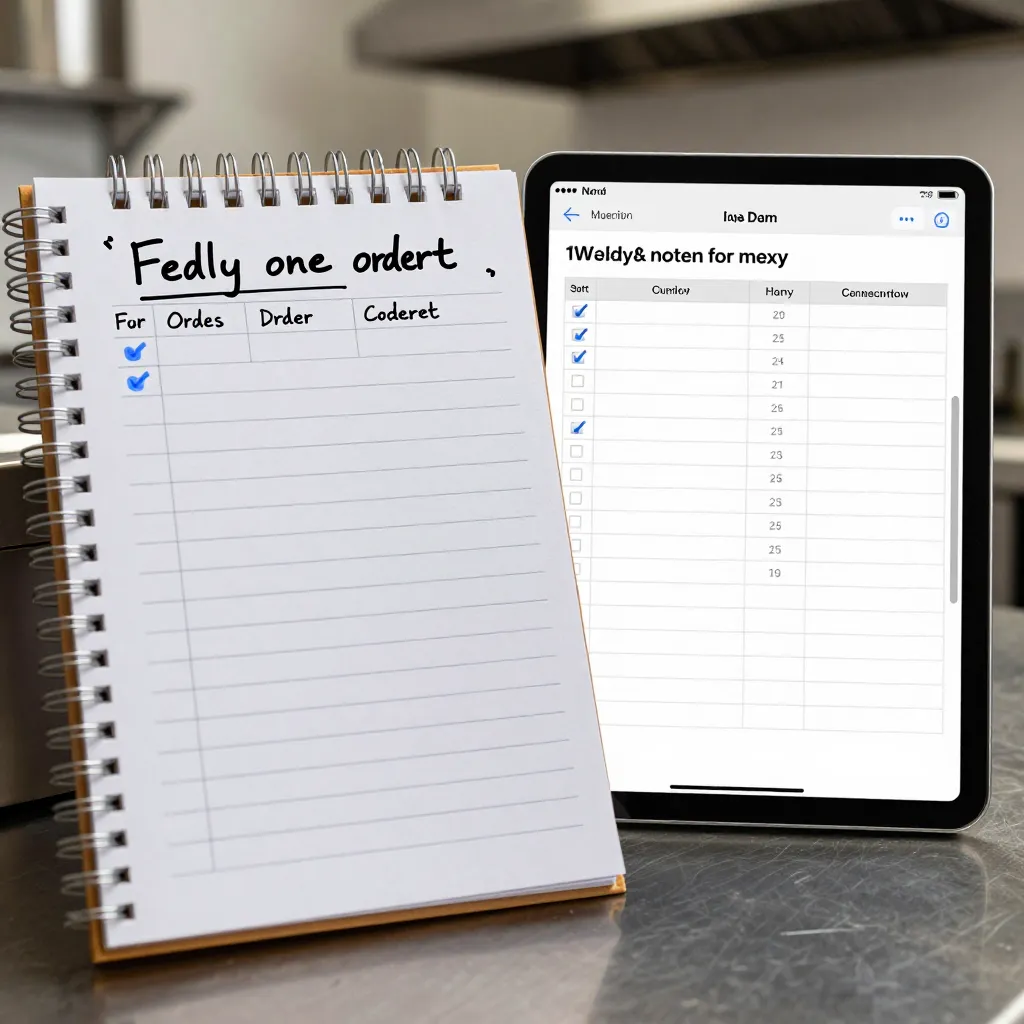
The Silent Crisis of Manual Order Taking
In the bustling environment of a modern restaurant or cafe, the kitchen is often described as a well-oiled machine. However, the human element at the front of house introduces a vulnerability that no amount of kitchen training can fully eliminate: miscommunication. Whether it is a hurried server mishearing an order, a handwriting error on a ticket, or a simple forgetfulness during a busy lunch rush, these moments of human error can have significant consequences. Studies suggest that between 15% and 25% of restaurant orders are incorrect, leading to wasted ingredients, unhappy customers, and lost revenue. This is not just a minor inconvenience; it is a systemic issue that costs the industry millions annually in food waste and operational inefficiency.
The root of this problem lies in the disconnect between the customer's request and the kitchen's execution. When an order is taken verbally or written down, it passes through a chain of potential failure points. The server hears the request, interprets it, writes it down, and passes it to the host or runner, who then delivers it to the kitchen. At each step, there is a risk of distortion. A customer might say "extra cheese" but the server hears "no cheese." A handwritten note might be illegible, leading the cook to guess the special. These errors are expensive because they require the kitchen to stop and fix the mistake, delaying table turnover and increasing the workload on staff who are already stretched thin.
Furthermore, the impact of these errors extends beyond the immediate table. An incorrect order often results in a free replacement, which is a direct hit to the bottom line. Beyond the financial loss, the customer experience suffers. Nothing erodes trust faster than receiving the wrong meal. In an era where online reviews can make or break a business, a single negative experience caused by a simple order error can linger on the web for years. The pressure to reduce these errors is immense, yet traditional solutions like better training or more staff often yield diminishing returns. The industry needs a technological intervention that standardizes the ordering process and removes the variables that lead to mistakes.
The Digital Bridge: Eliminating Interpretation Errors
The shift to QR ordering is not merely a trend; it is a strategic move to digitize the most fragile part of the restaurant workflow: the initial order capture. By replacing the human ear and hand with a digital interface, restaurants can achieve a dramatic reduction in error rates, with some implementations showing improvements as high as 90%. This leap in accuracy comes from the fundamental nature of digital text. Unlike spoken language, which is subject to accents, background noise, and hearing fatigue, digital text is precise. When a customer selects "Grilled Salmon with Lemon Butter Sauce" on a screen, there is no ambiguity. The text is transmitted directly to the Point of Sale (POS) system and the kitchen display system (KDS) without any intermediary interpretation.
This precision extends to complex dietary requirements and customizations, which are the most common sources of error. A customer with a severe nut allergy who verbally requests "no nuts" relies entirely on the server remembering and communicating that detail accurately. In a high-stress environment, this detail can be overlooked. However, on a digital menu, the customer can tap a checkbox for "Nut-Free" or select a pre-defined allergen profile. This data is stored digitally and cannot be lost or forgotten. The system ensures that the kitchen receives the exact specifications of the order, including temperature preferences, spice levels, and allergen warnings. This level of detail ensures that the food served matches the customer's expectations and safety needs perfectly.
Consider the scenario of a complex build-your-own burger. A server might struggle to remember if a customer wanted the bun toasted, the lettuce chopped, or the sauce on the side. These small details are easily lost in the shuffle of a busy shift. With a QR menu, the customer builds their burger step-by-step on the screen, and the system captures every choice. The kitchen receives a clear, structured order that leaves no room for guesswork. This digital bridge ensures that the information flow is seamless and accurate, transforming the ordering process from a potential minefield into a streamlined, error-proof pipeline. The result is a kitchen that works more efficiently and customers who receive the exact meal they intended to order.
Transparency and Trust: The Core of UpQR
While accuracy is the primary driver for adopting QR ordering, the value proposition extends deeply into the realms of transparency and trust. At upQR, we believe that honesty is the foundation of a lasting relationship between a restaurant and its community. When a customer orders via a digital menu, they are presented with clear, detailed information about every item. They can see the full ingredient list, understand the sourcing of the products, and view nutritional information without having to ask a server for clarification. This transparency empowers customers to make informed decisions, particularly those with dietary restrictions or ethical preferences.
This aligns perfectly with the mission of upQR to promote an environment where everyone knows exactly what they are eating. In a traditional setting, a customer might hesitate to order a dish because they are unsure about hidden ingredients or allergens. They might ask a server, "Does this soup contain dairy?" and receive a verbal answer that they cannot verify. With upQR, the answer is right there on the screen, verified and immutable. This removes the anxiety of ordering and builds a sense of trust. Customers feel respected and cared for because the restaurant is being upfront about what is in their food.
Furthermore, this transparency helps restaurants manage their reputation. When a mistake happens, having a clear digital record of what was ordered versus what was served can help resolve disputes quickly and fairly. It prevents situations where a customer accuses a restaurant of serving the wrong item when the order was actually complex and specific. The digital menu acts as a legal and factual record of the transaction. This fosters a culture of integrity where the restaurant stands behind its food and its descriptions. For the restaurant owner, this translates to fewer complaints, fewer refunds, and a loyal customer base that values honesty over flashiness. In an industry often criticized for deceptive marketing, upQR offers a refreshing alternative built on the pillars of truth and clarity.
Practical Implementation: Tips for Maximizing Accuracy
Implementing a QR ordering system is a powerful step, but maximizing its potential requires a strategic approach. To ensure that the transition from paper to digital yields the desired results in error reduction, restaurant managers should focus on a few key areas. First, the design of the digital menu is critical. It should be intuitive, with large buttons and clear descriptions. Avoid using vague terms like "house special" without defining the contents. Instead, use the upQR platform to create detailed descriptions that match the kitchen's preparation exactly. If the kitchen adds a garnish that isn't mentioned on the paper menu, update the digital menu immediately. Consistency between the digital description and the actual dish is essential to maintaining the 90% accuracy rate.
Second, leverage the customization features of the upQR platform to handle common requests. Set up common modifications as selectable options rather than free-text fields. For example, instead of asking customers to type "no onions," create a button labeled "No Onions" that automatically flags the order in the system. This reduces the cognitive load on both the customer and the staff. It also ensures that the kitchen sees the modification clearly, reducing the chance of it being missed. Additionally, use the platform to highlight popular items and seasonal specials, guiding customers toward choices that the kitchen is optimized to handle, which can further streamline operations.
Third, train your staff on the new system, not just on how to scan the QR code, but on how to explain its benefits to customers. Staff should be encouraged to let customers explore the menu at their own pace, emphasizing the ability to view allergen information and customize orders. This shifts the dynamic from a rushed transaction to a helpful, informative experience. Finally, regularly audit the digital menu to ensure that photos are accurate and prices are up to date. Misleading photos or outdated prices can lead to customer dissatisfaction and disputes. By maintaining a high standard of accuracy in the digital interface, you reinforce the brand's commitment to quality and honesty.
The Sustainability Angle: Less Waste, More Profit
The reduction of human error through QR ordering is not just an operational improvement; it is a significant environmental win. Every time an order is incorrect, ingredients are thrown away. A burger cooked with the wrong bun, a salad prepared without the requested dressing, or a dessert sent back because of a forgotten allergen restriction all contribute to food waste. In the restaurant industry, food waste is a major contributor to carbon emissions and resource depletion. By reducing the error rate by 90%, restaurants can drastically cut down on the amount of food that ends up in the trash.
This aligns with upQR's core value of being environmentally conscious. Digital menus eliminate the need for paper, but the secondary benefit of reducing food waste is equally important. When a kitchen receives accurate orders, it can plan its production more effectively. There is less need to rush cook orders to replace mistakes, which often leads to over-preparation and subsequent waste. The efficiency gained from accurate ordering allows kitchens to operate at a pace that matches actual demand, reducing the pressure to cook in bulk and discard leftovers. This creates a virtuous cycle where technology drives sustainability.
Moreover, the transparency provided by upQR encourages customers to make more conscious choices. When customers can easily see the ingredients and the environmental impact of their choices, they are more likely to order responsibly. They might choose a plant-based option because they can read the ingredients and see that it is sustainable, or they might avoid a dish with high carbon footprint ingredients. This collective shift in consumer behavior, facilitated by accurate and transparent information, contributes to a larger goal of reducing the industry's environmental footprint. For restaurant owners, this means lower disposal costs, potentially lower insurance premiums due to better waste management, and a stronger brand image as a responsible business.
Conclusion: A Smarter Path Forward
The path to a more efficient, sustainable, and customer-centric restaurant business is paved with technology that prioritizes accuracy and transparency. The statistic that QR ordering can reduce human error by 90% is not just a marketing claim; it is a reality achieved through the removal of ambiguity and the standardization of communication. By adopting a digital menu system like upQR, restaurant owners can solve the perennial problem of order accuracy while simultaneously enhancing their sustainability credentials and building trust with their guests. The combination of precise order capture, clear allergen information, and waste reduction offers a compelling value proposition that goes beyond simple convenience.
At upQR, we are dedicated to providing the tools necessary for businesses to thrive in a competitive market. Our platform is designed with these core principles in mind: environmental consciousness, transparency, universal access, and honesty. We believe that every customer deserves to know exactly what they are eating, and every kitchen deserves to receive the order exactly as intended. By choosing upQR, you are not just upgrading a menu; you are upgrading the entire customer experience and operational integrity of your establishment. Embrace the digital future where mistakes are minimized, waste is reduced, and trust is maximized. The time to act is now, and the results speak for themselves.
Related Posts
Ready to create your digital menu?
Create your QR menu in minutes and reach your customers in any language.
