
How QR Ordering Boosts Kitchen Efficiency & Speed
Discover how digital QR menus streamline order flow, reduce kitchen ticket times, and eliminate the lag between customer selection and food preparation.
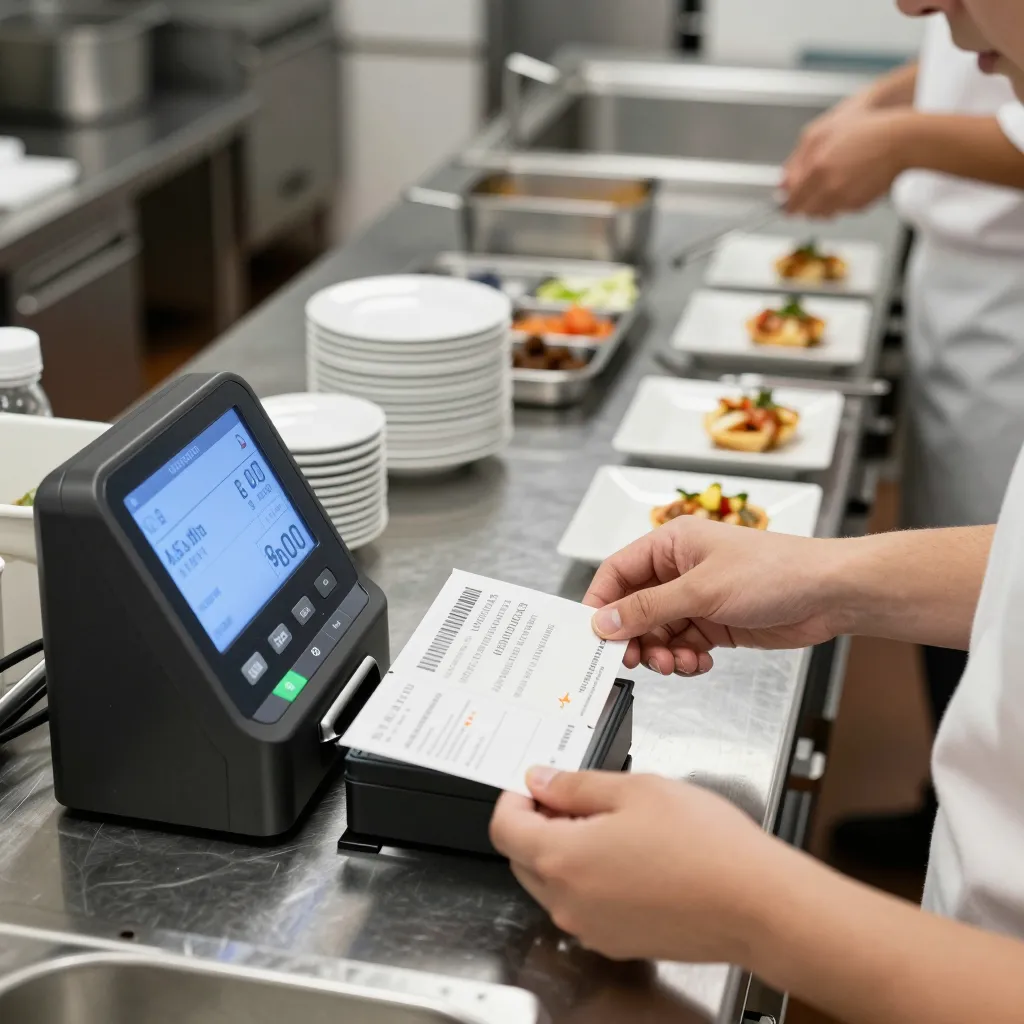
The Hidden Bottleneck: Manual Order Entry in Modern Kitchens
Many restaurant owners believe that adopting a digital menu is purely a customer-facing upgrade. However, the most significant operational shift occurs behind the scenes in the kitchen. When a waiter manually takes an order on a tablet or paper pad and then types it into a legacy Point of Sale (POS) system, a critical delay is introduced. This "handshake" between the front of house and the back of house creates a lag that directly impacts ticket times.
According to industry data, the average time for a server to input an order into a traditional POS can range from 30 to 60 seconds per order. In a busy lunch rush, this adds up quickly. If a restaurant serves 50 guests in an hour, that manual entry process can consume nearly 30 minutes of the kitchen's potential production time. During these moments, the kitchen is essentially waiting for data to arrive rather than cooking.
Furthermore, manual entry is prone to human error. A typo in a dish name or a missed modification note (like "no onions" or "extra spicy") can lead to kitchen rework. Rework is the enemy of efficiency; it consumes fuel, ingredients, and time, often resulting in slower service and frustrated customers. By removing the intermediary step of manual data entry, digital ordering systems like upQR create a direct, instantaneous bridge between the customer's choice and the kitchen's production line.
Instant Data Synchronization and the Elimination of Lag
The core advantage of a digital QR ordering system lies in its architecture. Unlike traditional setups where an order must be verbally relayed or typed out, upQR utilizes real-time cloud synchronization. When a customer scans a QR code and selects their items, the order is transmitted instantly to the kitchen display system (KDS). This happens in milliseconds, not seconds.
Consider the scenario of a large party of eight arriving for dinner. In a traditional setup, the server must walk around, taking notes, and then return to the terminal to enter all eight orders. This "batch processing" creates a backlog. In contrast, with upQR, each guest can order at their own pace. If one guest wants a steak and another wants a salad, both tickets appear on the kitchen screen immediately upon selection. The kitchen can begin prepping the salad while the steak is still being selected, optimizing the workflow of every station.
This immediate synchronization also allows for better "batching" of ingredients. When orders come in continuously and instantly, kitchen managers can see trends in real-time. If five people order the "Truffle Fries" within ten minutes, the prep team knows to pull those fries immediately, rather than waiting for a server to type in a batch of five orders later. This proactive approach to inventory management reduces waste and ensures that popular items are never over- or under-prepared.
Optimizing Kitchen Display Systems (KDS) with Digital Orders
Kitchen Display Systems are the heartbeat of a modern kitchen, but their effectiveness depends entirely on the quality of the data they receive. Digital ordering platforms like upQR send highly structured data to the KDS, which includes specific modifiers, allergen warnings, and special instructions. This data is color-coded and prioritized, allowing chefs to scan tickets at a glance.
For example, a traditional order might just say "Pasta Carbonara." A digital order from upQR might display "Pasta Carbonara" in green (standard), with a red alert for "Contains Gluten" and a yellow note for "Rushed Order." This visual clarity drastically reduces the time a chef spends reading tickets. They can pick up the phone or glance at the screen and immediately know exactly what is needed without asking the runner or the server for clarification.
This clarity extends to the timing of the ticket. Digital systems can automatically calculate the estimated time of readiness (ETR) based on the complexity of the dish. If a complex dish like a braised short rib is ordered, the system flags it for longer cooking times. The kitchen can then sequence the orders so that the short rib is started first, ensuring it is ready exactly when the simpler appetizers are finished. This sequencing prevents the common issue of "ticket stacking," where a simple item sits on the ticket while a complex item is being cooked, causing the simple item to go cold or be rushed incorrectly.
Reducing Rework and Enhancing Order Accuracy
Perhaps the most underrated metric for kitchen efficiency is the rate of order errors. In a high-volume environment, a single error-such as swapping two orders or forgetting a dietary restriction-can cascade. It requires the cook to stop, fix the mistake, and re-prepare the dish. This not only wastes food costs but also disrupts the rhythm of the line. Studies suggest that order accuracy rates in traditional setups can dip below 90% during peak hours due to fatigue and miscommunication.
upQR mitigates this risk through a transparent ordering interface. The customer sees exactly what they are ordering, including a detailed ingredient list and allergen information. This transparency ensures that the customer is confident in their choice, reducing the likelihood of them returning the dish or asking for modifications mid-order. When the order reaches the kitchen, it is already vetted and clear.
Additionally, the system prevents "phantom orders." In traditional systems, a server might accidentally duplicate an order while taking a note or forget to enter an item if they are distracted. Digital forms are mandatory fields; the customer cannot submit an order without selecting the item and confirming the price. This rigor ensures that every ticket on the KDS corresponds to a valid, confirmed customer request. By eliminating these friction points, the kitchen operates with a smoother, more predictable flow, allowing staff to focus on cooking rather than correcting mistakes.
Empowering the Front of House to Move Faster
It is a common misconception that digital ordering slows down the dining experience because customers have to use their phones. While the initial scan takes a few seconds, the long-term effect on the entire restaurant's speed is overwhelmingly positive. When waiters are no longer tethered to a single terminal or burdened with the task of manually inputting every order, they are freed to perform higher-value tasks.
Imagine a server who previously spent 10 minutes per table just taking and entering orders. With upQR, that server can take 2 minutes to guide guests through the menu, answer questions about ingredients, and then step away. The order flows directly into the kitchen. This server can now check on the food progress, refill water glasses, and manage the table's overall experience. This improved table turnover rate is a direct result of kitchen efficiency. If the kitchen receives orders faster and processes them more accurately, the food comes out faster, the table is ready for the next guest sooner, and revenue per seat increases.
Furthermore, this efficiency reduces stress on the staff. Kitchen anxiety often stems from the fear of missing an order or miscommunicating a special request. When the digital system handles the data transfer and formatting, the staff feels more confident and less rushed. This positive psychological impact translates to better performance. A calm, organized kitchen produces food with higher quality and consistency, further enhancing the brand reputation of the restaurant.
Conclusion
In the competitive landscape of modern dining, speed and accuracy are not just nice-to-have features; they are essential for survival. The transition from manual order entry to digital QR ordering is a strategic move that transforms the kitchen from a reactive bottleneck into a streamlined production hub. By leveraging the real-time data, accurate formatting, and transparency provided by platforms like upQR, restaurant owners can significantly reduce ticket times, minimize food waste, and elevate the overall guest experience. The result is a kitchen that works smarter, not harder, allowing your team to focus on what they do best: creating delicious food that customers love.
Related Posts
Ready to create your digital menu?
Create your QR menu in minutes and reach your customers in any language.