How QR Tech Powers the Cloud Kitchen Revolution
Discover how digital QR menus drive efficiency, reduce costs, and scale virtual restaurant brands in the cloud kitchen model.
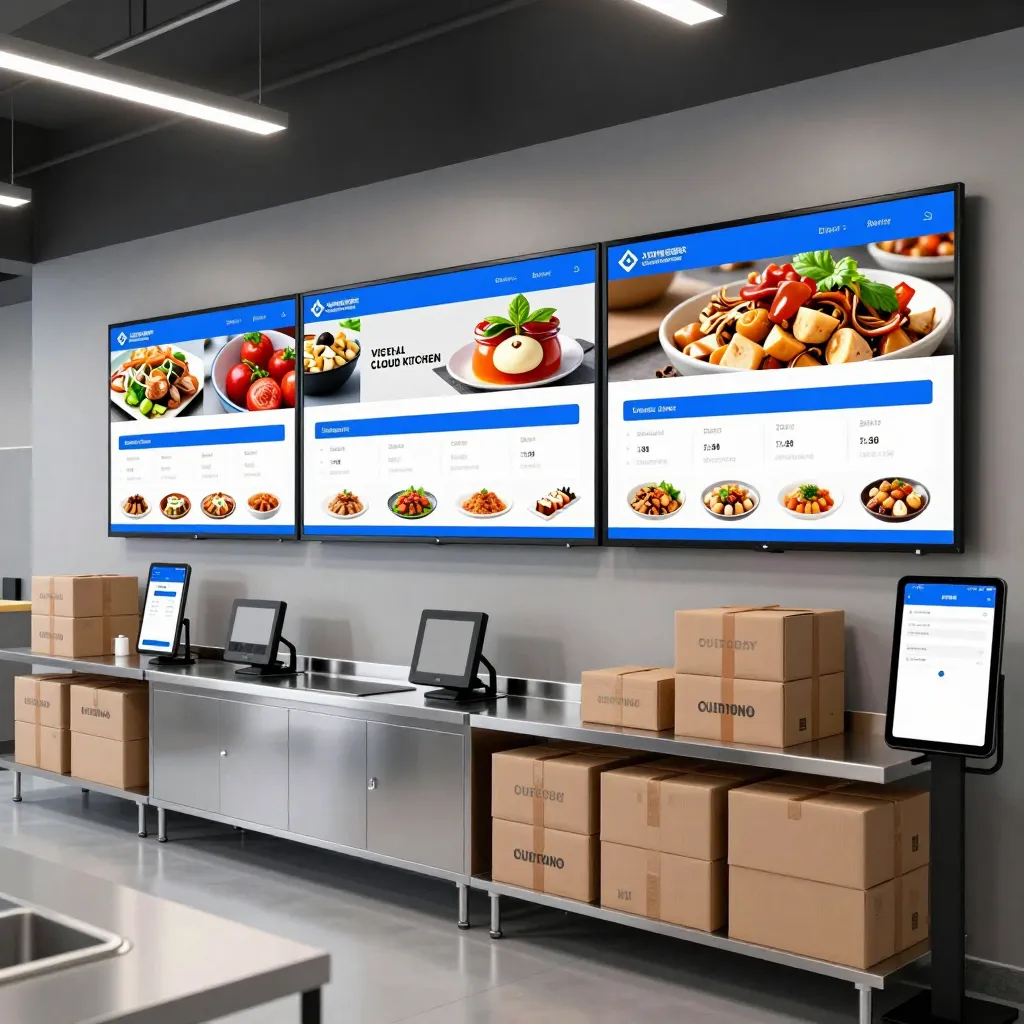
Understanding the Cloud Kitchen Business Model
The cloud kitchen, or ghost kitchen, has transformed the restaurant industry by decoupling food preparation from physical dining spaces. This model allows operators to focus entirely on cooking and delivery logistics, significantly reducing overhead costs like rent and front-of-house staffing. However, managing multiple virtual brands from a single location requires robust operational tools. One of the most critical components of this ecosystem is the digital menu interface. For cloud kitchens, the menu is not just a list of items; it is the primary point of contact between the brand and the customer. A seamless digital experience ensures that customers feel confident ordering from a virtual brand they have never visited in person.
According to recent industry reports, the global cloud kitchen market is projected to reach over $100 billion by 2028, driven by the demand for convenience and diverse food options. Yet, many operators struggle with inconsistent ordering experiences across different delivery platforms. This is where QR technology becomes essential. By implementing a dedicated digital menu system, cloud kitchen owners can maintain brand consistency, manage inventory in real-time, and provide transparent information that builds trust. Unlike third-party aggregator apps, which often hide menu details or add excessive fees, a custom QR menu solution empowers the restaurant to tell its own story and highlight specific ingredients or allergens directly.
Overcoming the Language Barrier with Universal Access
One of the unique challenges facing cloud kitchens is the diverse nature of their customer base. Since these kitchens often serve delivery zones with high concentrations of expatriates, tourists, and locals from various backgrounds, language barriers can be a significant hurdle. Traditional paper menus or static images on aggregator sites often fail to accommodate this diversity. This is where the universal access principle of modern digital solutions shines. A smart QR menu system can instantly translate text into multiple languages, ensuring that every customer, regardless of their native tongue, understands exactly what they are ordering.
Consider a cloud kitchen operating in a major metropolitan area with a large international population. A customer arriving from a different country might struggle with English-only menus, leading to hesitation or order errors. With a dynamic QR menu, the interface automatically detects the user's language preference and adjusts the content accordingly. This feature not only improves the customer experience but also expands the potential market for the virtual brand. It aligns with the core value of honesty and accuracy, as customers are never left guessing about ingredients or descriptions. Furthermore, this accessibility fosters a sense of inclusivity, allowing small cloud kitchen operators to compete with larger chains that may not offer such personalized attention to linguistic needs.
Transparency: The Key to Trust in Virtual Dining
In the absence of a physical storefront, transparency is the currency of trust for cloud kitchens. Customers ordering from a virtual brand cannot see the food before they buy, making the description and imagery on the menu paramount. This is where the commitment to honest and accurate information becomes vital. A digital menu platform must allow operators to provide detailed ingredient lists, clearly marked allergens, and nutritional data without cluttering the interface. Aggregator platforms often restrict this level of detail, forcing customers to rely on third-party sites for dietary information.
For example, a cloud kitchen specializing in healthy, plant-based meals can use a QR menu to highlight specific certifications, sourcing details, and preparation methods. This level of transparency reassures health-conscious consumers who are wary of hidden ingredients or misleading claims. By eliminating hidden fees and ensuring that prices are clear at the point of order, digital menus also prevent the frustration often associated with delivery apps. When a customer scans a QR code, they see exactly what they are paying for, fostering a relationship of integrity between the brand and the diner. This honesty extends to the visual presentation as well; using high-quality, accurate photos rather than stock images prevents disappointment upon delivery, reinforcing the brand's reliability.
Operational Efficiency and Inventory Management
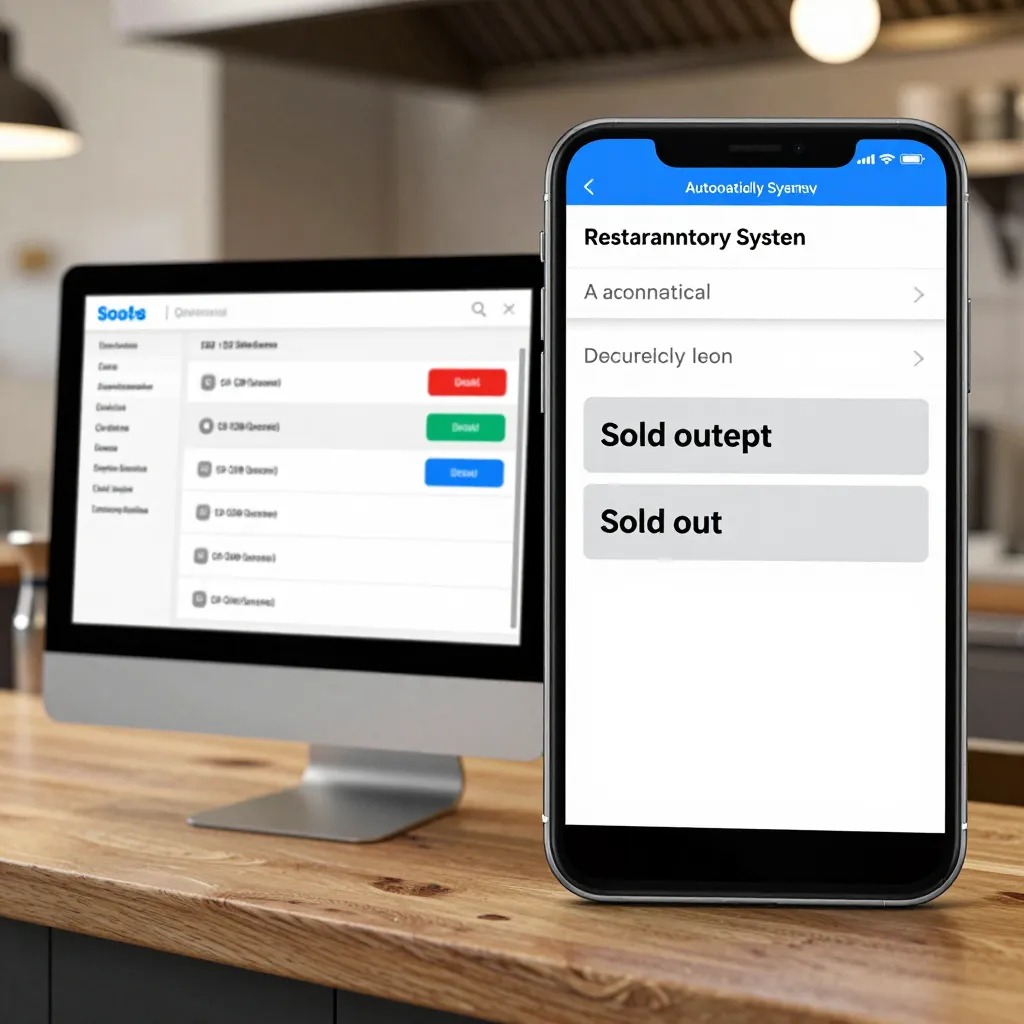
Efficiency is the lifeblood of any cloud kitchen operation. These businesses often juggle multiple virtual brands, each with its own menu and pricing strategy. Managing these manually or through disparate systems can lead to errors, such as selling out-of-stock items or mispricing dishes. A centralized digital menu system solves this by integrating directly with the kitchen's inventory management software. When an item runs low, the menu can be updated instantly, preventing orders from being placed for unavailable ingredients.
Furthermore, digital menus enable sophisticated upselling strategies that are difficult to execute with paper or static online listings. Operators can create dynamic sections that highlight daily specials, suggest pairings, or promote new menu items based on current inventory levels. For instance, if a specific spice is nearing its expiration date, the menu can feature recipes that use it heavily, encouraging customers to try those dishes. This not only reduces food waste but also increases average order value. The ability to push notifications or update the menu in real-time allows cloud kitchen owners to react quickly to trends, such as a sudden surge in demand for spicy foods, by adjusting the menu layout to prioritize those items. This agility is crucial in the fast-paced delivery environment where consumer preferences can shift overnight.
Scaling Virtual Brands with a Single Infrastructure
As cloud kitchen operators grow, they often launch new virtual brands to capture different market segments. For example, one location might host a premium burger brand and a budget-friendly taco brand. Managing two separate physical locations to support these brands is impractical, but managing two digital identities is essential. A scalable digital menu platform allows operators to create distinct brand pages that live under the same infrastructure. This means sharing kitchen resources while maintaining unique brand voices and customer experiences.
This scalability is particularly important for reducing the cost per order. By consolidating operations, cloud kitchens can offer lower prices to consumers while maintaining healthy margins. The digital menu acts as the bridge between these different brand identities, ensuring that each feels authentic and specialized. For instance, the premium burger brand might feature a sleek, minimalist design with high-resolution photography, while the taco brand could use vibrant colors and casual language. Despite these differences, the backend remains unified, simplifying staff training and order processing. This approach supports the mission of sustainability by reducing the need for multiple physical locations and excessive paper waste. It demonstrates how technology can be leveraged to create a more efficient, less wasteful food service ecosystem.
Conclusion
The rise of cloud kitchens represents a significant shift in how we consume food, driven by the need for speed, variety, and convenience. However, the success of these virtual restaurants depends on the quality of the customer experience they deliver. This experience is defined by the menu interface that greets every customer. By adopting a digital QR menu solution, cloud kitchen operators can achieve transparency, universal access, and operational efficiency that paper menus and generic aggregator listings cannot match. Platforms like upQR provide the necessary tools to build trust, reduce waste, and scale multiple brands seamlessly. In an industry where honesty and sustainability are becoming increasingly important, leveraging QR technology is not just an option; it is a strategic necessity for any forward-thinking food business.
Related Posts
Ready to create your digital menu?
Create your QR menu in minutes and reach your customers in any language.