How QR Menus Handle Peak Hour Rushes
Discover how digital QR menus reduce wait times, streamline ordering, and keep your kitchen flowing smoothly during the busiest hours of the day.
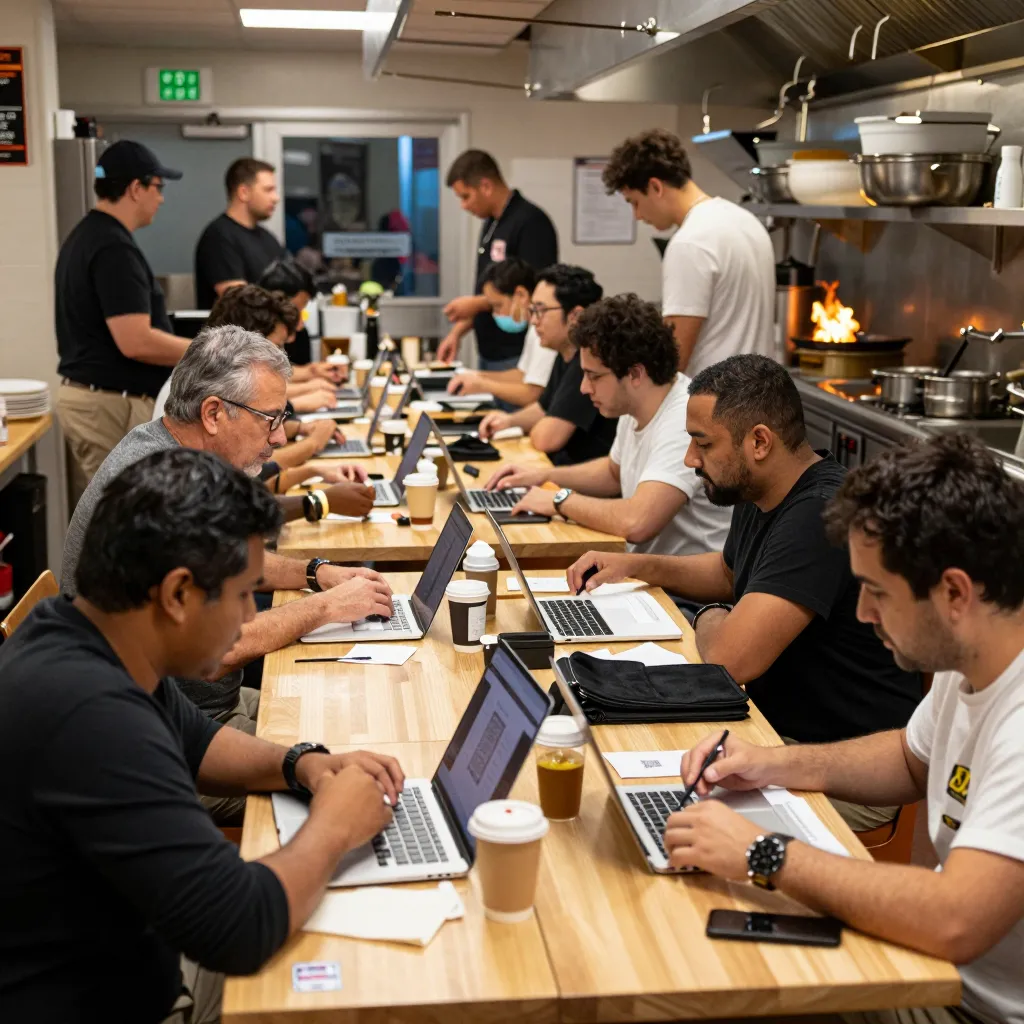
Transforming Chaos into Calm During Peak Hours
Nothing tests a restaurant's operational resilience quite like the evening rush. When the clock hits 6:00 PM on a Friday, the atmosphere can shift rapidly from a relaxed dining experience to a chaotic scramble. Servers are overwhelmed with multiple tablets, tables are packed, and the kitchen is often drowning in orders. In this high-pressure environment, every second counts, and traditional paper menus or manual ordering processes often become bottlenecks that slow down service.
By integrating a digital QR menu system, restaurants can fundamentally alter how they handle these peak moments. Instead of spending 45 seconds flipping through paper pages or manually typing items into a handheld device, guests can scan a code and access a fully functional digital menu instantly. This simple shift in technology reduces the time a server spends at each table, allowing them to focus on hospitality rather than administrative tasks. The result is a smoother flow of orders to the kitchen and a more attentive dining experience for every guest, even when the dining room is at full capacity.
Reducing Table Turnover Time Without Compromising Quality
One of the most significant benefits of QR menus during peak hours is the potential to optimize table turnover. In the food service industry, data suggests that every minute a table remains occupied represents lost revenue potential. When a guest finishes their meal, a traditional ordering process involves the server returning to the table, writing down the order, and then heading to the kitchen. With a QR menu, this process is automated and accelerated.
Consider a scenario where a table of four finishes dinner. With a paper menu, the server must walk over, take the order, and potentially clarify items. With a QR menu, the guest can browse, customize their order (adding extra cheese or swapping sides), and submit the request with a single tap. This not only speeds up the ordering phase but also provides the kitchen with precise, digital orders that are less prone to error. Faster, more accurate ordering means food comes out the door sooner, and the table is ready for the next reservation sooner. Over a busy night, this efficiency can translate to serving an additional 10 to 15% more covers, directly impacting the bottom line.
Streamlining Kitchen Operations and Reducing Errors
The chaos of a rush hour isn't just felt by servers; it is equally intense in the kitchen. When orders are handwritten on tickets or manually entered into POS systems during a lull, the margin for error is high. A missed modification, like "no onions" or "well-done," can lead to food waste and unhappy customers. Digital QR menus send orders directly to the kitchen display system (KDS) in real-time.
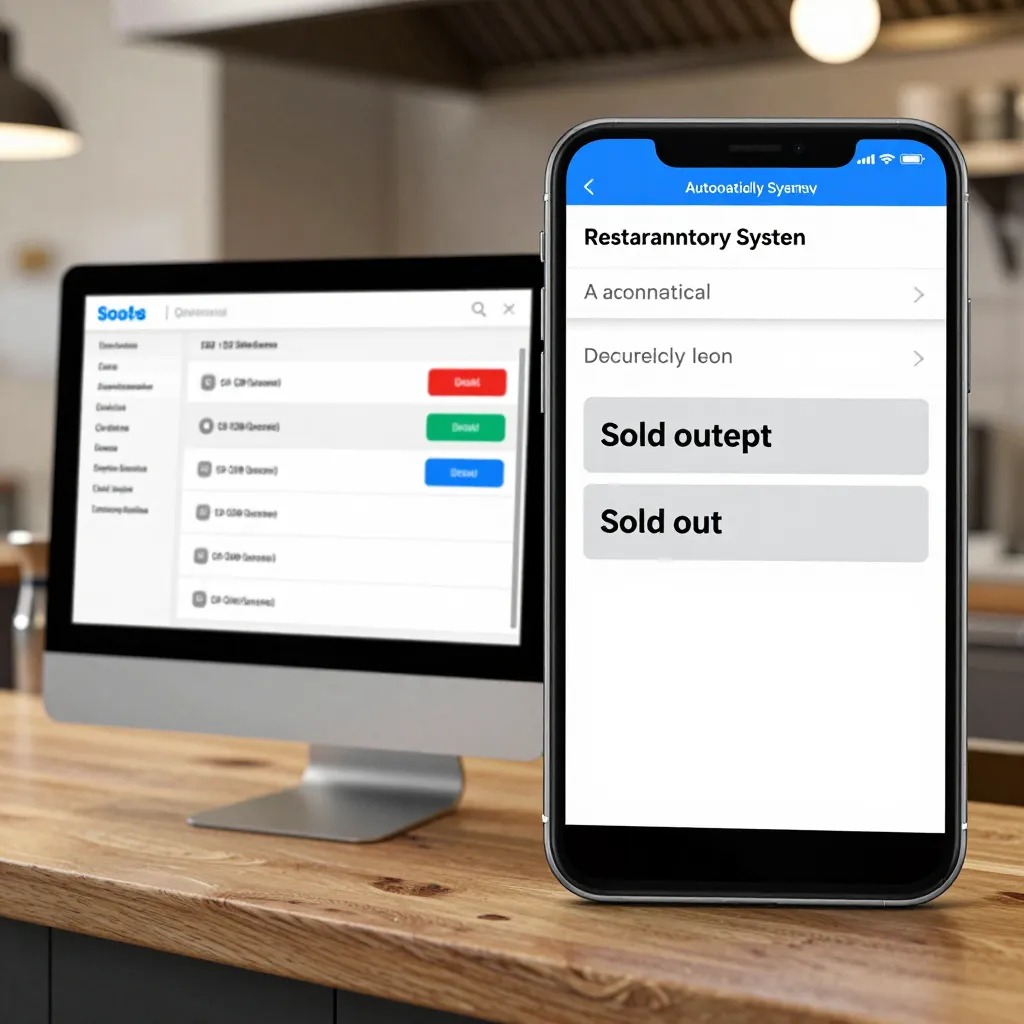
This direct integration ensures that every order is received exactly as the customer intended, regardless of how busy the server is. Furthermore, QR menu platforms often allow for dynamic content updates. If the kitchen runs out of a specific ingredient during the rush, the menu can be updated instantly to hide that item or flag it as unavailable, preventing orders from being placed that the kitchen cannot fulfill. This proactive communication prevents kitchen bottlenecks and ensures that staff are not wasting time preparing dishes that will be returned due to stock issues. By minimizing errors and ensuring inventory accuracy, the kitchen can maintain a faster pace without sacrificing quality.
Enhancing the Guest Experience When They Need It Most
While operational efficiency is critical, the guest experience remains the ultimate metric of success. During peak hours, guests often feel anxious about long wait times and slow service. A well-designed QR menu actually enhances this experience by providing guests with a sense of control. They can browse the menu at their own pace, check nutritional information, or view high-quality photos of dishes before placing their order.
Moreover, digital menus offer a seamless way to handle special requests. Guests can easily add dietary restrictions or customizations, which are then clearly highlighted in the order ticket. This transparency builds trust; guests feel heard and valued, even if the server is currently occupied with other tables. Additionally, QR menus can integrate loyalty programs and offer digital coupons, encouraging guests to spend more or return for their next visit. By removing the friction of ordering, you allow the conversation to remain focused on the food and the company, rather than the logistics of placing an order.
Leveraging Data to Optimize Menu Engineering
One of the most powerful, yet often overlooked, advantages of QR menus is the wealth of data they provide. Traditional paper menus offer zero insights into guest behavior, but a digital QR menu tracks every click, view, and order. During peak hours, this data becomes invaluable for understanding what drives sales and what causes delays.
Restaurant owners can analyze which items are viewed most frequently versus which items are rarely ordered. This information helps in refining the menu engineering strategy, ensuring that high-margin items are prominent and low-performers are adjusted or removed. Furthermore, tracking the time it takes for guests to order after scanning the code can help identify if the menu is too long or confusing, causing delays. If data shows that guests spend over two minutes on the menu, it might be time to simplify the layout or categorize items more clearly. This data-driven approach allows for continuous improvement, ensuring that the menu remains efficient and effective as consumer preferences evolve.
Practical Steps to Implement a QR Menu System
Implementing a QR menu system is a strategic move that requires careful planning to ensure it integrates seamlessly with existing operations. Start by selecting a robust platform that integrates with your current POS system. It is crucial that the QR menu updates in real-time with your inventory; there is no point in having a digital menu that lists items that are sold out. Customize the design to match your restaurant's brand identity, ensuring that photos are high-resolution and descriptions are appetizing.
Train your staff thoroughly. While the technology handles the ordering, the staff must still guide guests, especially those who may be less tech-savvy. Encourage servers to proactively offer the QR menu option to save time. Finally, monitor the system regularly. Check for broken links, outdated photos, or menu items that are not syncing with the POS. A flawless digital menu experience is essential for maintaining the momentum during those critical peak hours. By following these steps, you create a resilient operational framework that can handle the pressure of a busy night with ease.
Conclusion
The pressure of peak hour rushes is a universal challenge for restaurant owners and managers, but it does not have to dictate the quality of service or the speed of operations. By adopting a digital QR menu solution, you gain a powerful tool to streamline ordering, reduce errors, and enhance the overall guest experience. Platforms like upQR provide the necessary infrastructure to manage these complexities effortlessly, offering real-time data, seamless POS integration, and a user-friendly interface that keeps your restaurant running smoothly. When you choose upQR, you are not just digitizing a menu; you are upgrading your entire operational strategy to ensure success during the busiest moments of your day.
Related Posts
Ready to create your digital menu?
Create your QR menu in minutes and reach your customers in any language.
