QR Menus & Food Allergies: Serving Everyone Safely
Learn how digital QR menus help manage food allergies with dynamic filtering, real-time updates, and clear allergen icons to protect your guests.
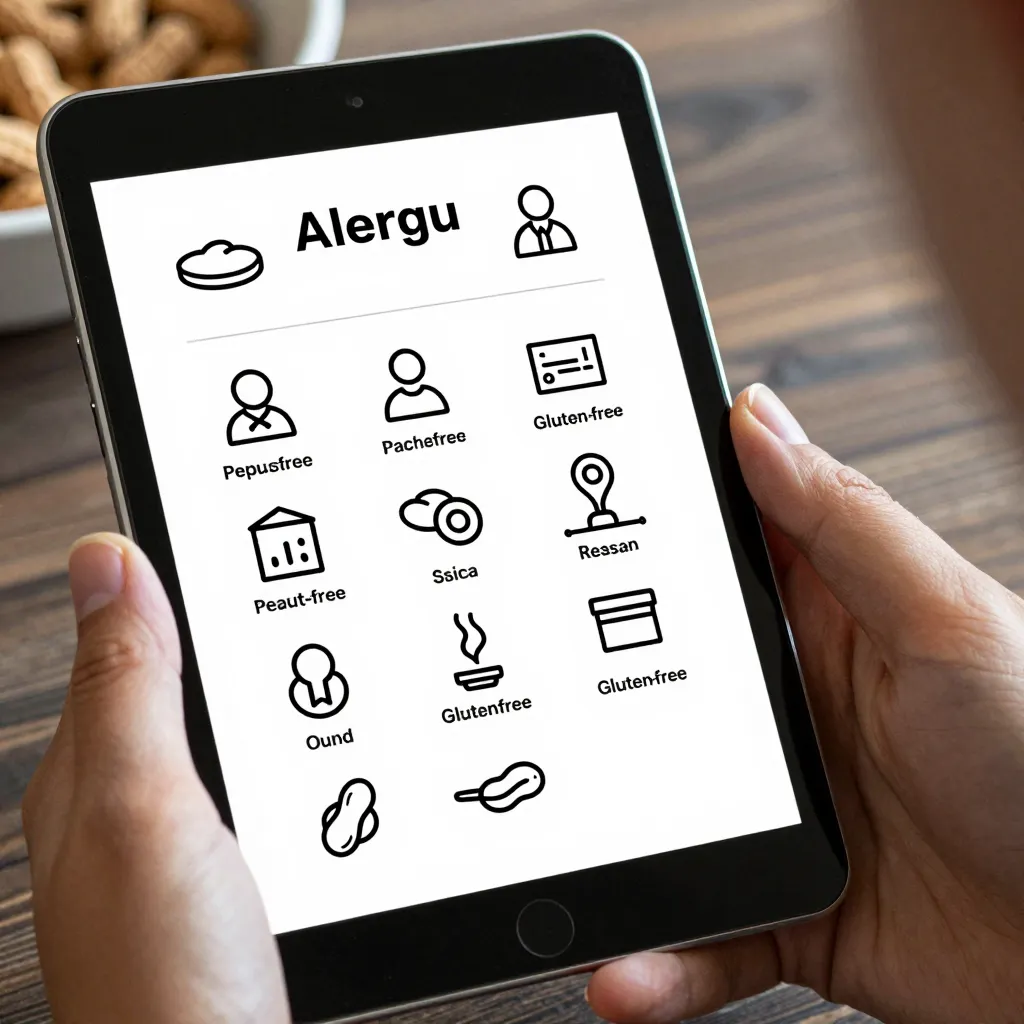
Why Digital Menus Are a Game-Changer for Allergen Safety
Food allergies are not a matter of preference; they are a critical health concern that can lead to life-threatening reactions. According to the Food Allergy Research & Education (FARE) organization, over 32 million people in the United States have a food allergy, and the number continues to rise. For restaurant owners and cafe managers, managing these risks manually through printed menus is increasingly difficult and prone to error.
Traditional paper menus are static documents. Once printed, they cannot be updated to reflect a change in ingredients, a new supplier, or a revised recipe. This rigidity creates a significant safety gap. If a kitchen swaps a brand of peanut butter for a different one that contains tree nuts, the printed menu remains unchanged until the next print run, potentially endangering customers.
UpQR's digital QR menu platform solves this by providing a dynamic, always-up-to-date information source. When an allergen risk changes, the update is instantaneous across all devices in the restaurant. This ensures that every customer, whether they are scanning from a table or walking in from the street, sees the most current safety information. This immediacy is the first line of defense in a modern kitchen.
Building Trust Through Transparency and Clarity
Customers with allergies often feel anxious when visiting a restaurant. They need to know that their safety is a priority, not an afterthought. A well-designed digital menu conveys this confidence immediately. UpQR allows you to implement specific visual cues that go beyond simple text descriptions.
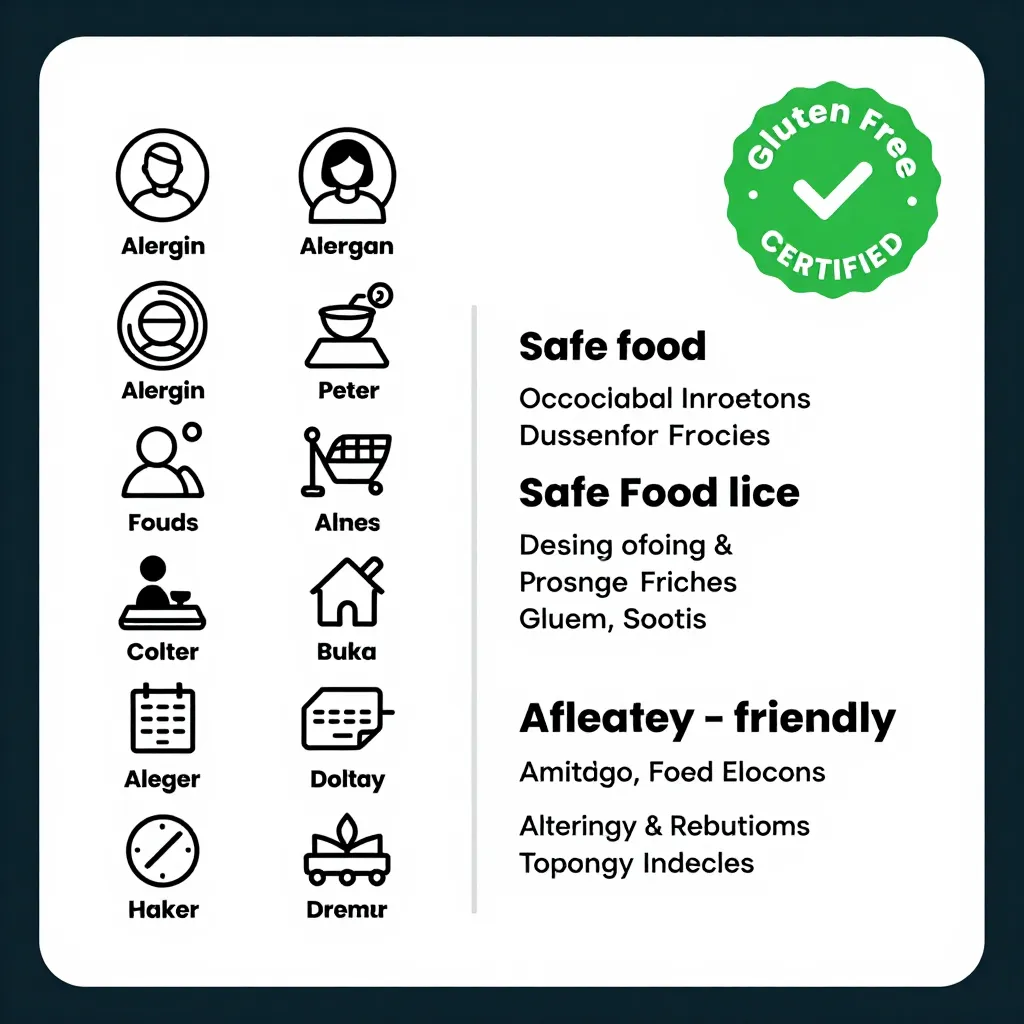
One of the most effective features is the use of standardized allergen icons. Instead of relying on customers to parse dense paragraphs of text, you can place distinct symbols next to menu items that indicate the presence of common allergens like gluten, dairy, nuts, soy, and shellfish. These icons act as a universal language, reducing the cognitive load on customers who are already stressed about their condition.
Furthermore, digital menus allow for detailed ingredient lists to be easily accessible. You can include a section specifically dedicated to allergen information that links to a full breakdown of ingredients. For example, a customer can scan a specific dish's QR code to see a detailed list of every component, including spices and garnishes. This level of granularity is often impossible to achieve on a single sheet of paper without making the menu unreadable. By prioritizing clarity, you demonstrate a commitment to safety that builds long-term trust with your patrons.
Practical Strategies for Managing Allergen Requests
Having the technology is only half the battle; the operational workflow is equally important. A digital menu facilitates better communication between the front of house and the kitchen. When a customer identifies a potential allergen via the digital menu, they can often flag their order directly or select a "special dietary need" option.
This data can be integrated into your Point of Sale (POS) system to alert the kitchen staff immediately. For instance, if a customer selects an item marked as "contains sesame," the kitchen display system can highlight this order with a priority flag. This ensures that the chef is aware of the risk before the food even leaves the prep station.
Consider the scenario of a customer who has a severe nut allergy but wants to order a dessert. On a paper menu, this customer might hesitate to order anything. With an upQR menu, they can see a dedicated section for "N-Free Options" or "Safe Choices." This section can be curated by your management team to ensure that every item listed has been verified by the kitchen. You can even add a note explaining the safety protocols used in your kitchen, such as separate fryers or dedicated prep areas, which can reassure a nervous customer.
Real-world implementation also involves staff training. Your team should know how to guide customers to the allergen information on the digital menu. Instead of guessing, a server can say, "Let me show you how to view the detailed ingredient list for that soup on your screen." This proactive approach transforms the dining experience from a source of anxiety into one of confidence and care.
The Importance of Real-Time Recipe Updates
Restaurants evolve. Chefs experiment with new flavors, suppliers change brands, and seasonal ingredients rotate in and out. In a paper-based system, these changes often go unnoticed until a customer complains or suffers a reaction. With upQR, recipe changes are as simple as updating the digital file.
Imagine a restaurant that introduces a new pasta sauce made with a specific brand of tomatoes that contains a hidden allergen. On a paper menu, this would require reprinting hundreds of menus. With a digital QR menu, you can update the allergen status of that specific item instantly. If the supplier changes back to an allergen-free brand later, the menu updates again. This agility protects your business from liability and protects your guests.
Another benefit is the ability to manage cross-contamination warnings dynamically. If a kitchen undergoes maintenance or a new staff member is hired who is unfamiliar with allergen protocols, you can add a temporary notice to the digital menu. For example, a banner at the top of the menu can read, "Please note: Our kitchen is currently cleaning fryers. Please inform your server of any allergies." This transparency manages expectations and encourages open communication.
UpQR also allows for A/B testing or seasonal rotations of allergen-free sections. You can highlight "Allergy-Aware Weeks" to draw attention to your safety measures. By keeping the menu fresh and responsive, you show that safety is a living process, not a static rule set.
Enhancing Accessibility and Inclusivity
Food allergies often intersect with other dietary needs, such as veganism, vegetarianism, or gluten intolerance. A digital menu is the perfect tool to create an inclusive dining environment that caters to all these groups simultaneously. You can categorize items clearly, using tags like "Vegan," "Gluten-Free," "Dairy-Free," and "Nut-Free" in a way that is easy to scan visually.
Accessibility is another key factor. Many digital menu platforms allow for text-to-speech functionality, which is crucial for visually impaired guests who may also have dietary restrictions. While not all QR readers support this out of the box, upQR can be configured to ensure compatibility with screen readers, making your restaurant accessible to everyone. This inclusivity broadens your customer base and demonstrates social responsibility.
Furthermore, the ability to share the digital menu link via email or messaging apps allows customers to review allergen information before they even arrive. This pre-dining research empowers customers to make informed decisions. They can message you ahead of time to ask about specific ingredients, and you can respond with detailed information from your upQR dashboard. This level of engagement turns a potential risk into a personalized service opportunity.
Conclusion: Safety First with upQR
Managing food allergies is a responsibility that goes beyond compliance; it is about caring for your guests. By transitioning to a digital QR menu system, you gain the tools necessary to manage this responsibility effectively. UpQR provides the dynamic updates, clear visual indicators, and detailed ingredient transparency that paper menus simply cannot offer.
Whether you are a bustling cafe or a fine dining establishment, the ability to serve every customer safely is the ultimate goal. With upQR, you can confidently handle complex dietary needs, reduce the risk of errors, and create a welcoming atmosphere where everyone feels safe to eat. Upgrade your menu today and show your customers that their safety is your top priority.
Related Posts
Ready to create your digital menu?
Create your QR menu in minutes and reach your customers in any language.
