How to Avoid QR Menu Scams: Protecting Your Digital Identity
Learn how to prevent QR menu fraud and protect your brand. Discover essential security tips for restaurant owners using digital platforms like upQR.
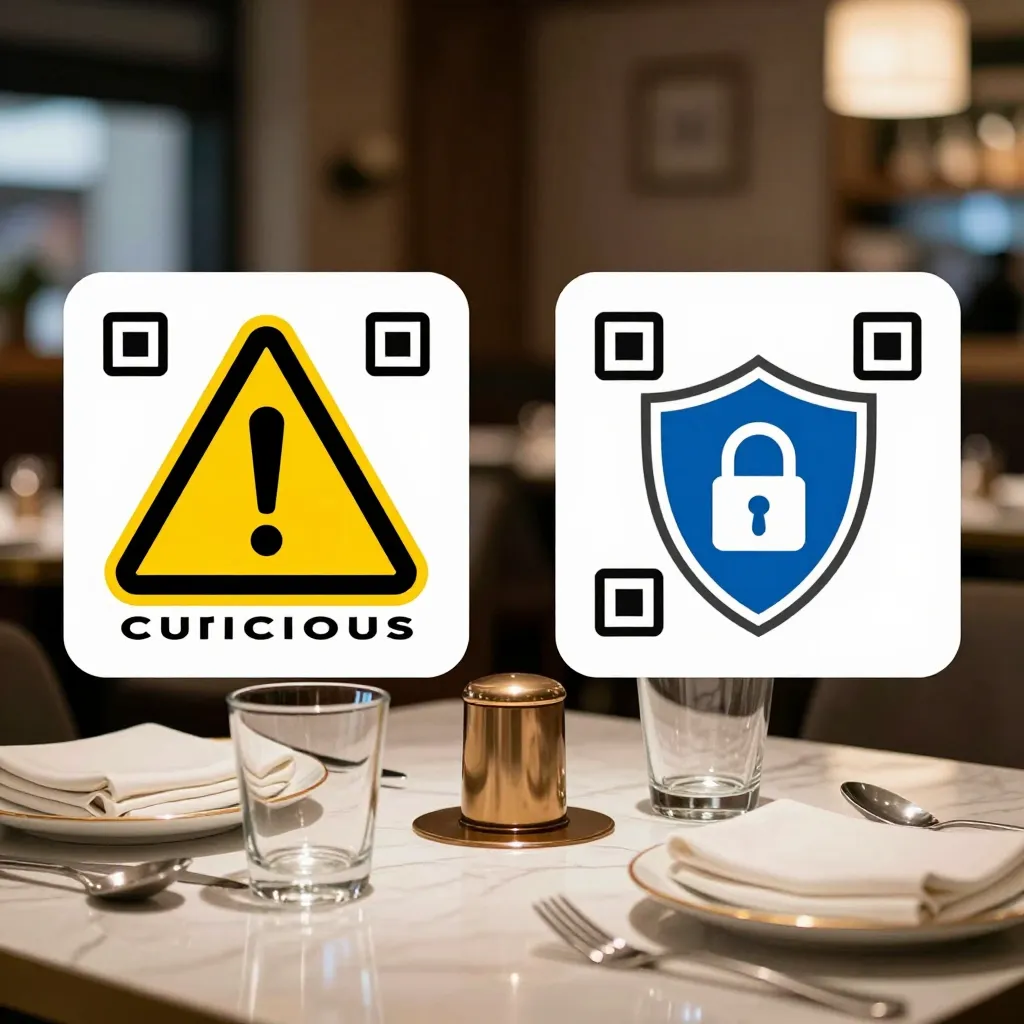
Understanding the Growing Threat of QR Menu Scams
As restaurants transition from paper menus to digital solutions, a new wave of cyber threats has emerged. Malicious actors now intercept customers at the critical moment of scanning a QR code, redirecting them to fraudulent websites designed to steal credit card information or harvest personal data. This phenomenon, often called "QR Phishing" or "Quishing," has surged in recent years, with security researchers noting a significant increase in attacks targeting dining establishments.
The mechanics are deceptively simple. A scammer physically places a fake QR code over the legitimate one at a restaurant table or prints their own code on a flyer left at the entrance. When a hungry customer scans the code with their smartphone, they are instantly directed to a spoofed website that mimics the restaurant's ordering portal. These sites often contain hidden scripts that capture payment details or install malware on the device.
According to recent industry reports, over 60% of consumers who encounter a suspicious QR code do not realize they are being targeted until it is too late. The damage extends beyond just the individual victim; it can severely damage the restaurant's reputation, lead to financial losses from chargebacks, and result in legal liabilities under data protection laws like GDPR or CCPA. For restaurant owners, understanding these risks is not just a technical concern but a fundamental part of operational security.
Identifying the Signs of a Compromised QR Code
Not all QR codes are created equal, and learning to spot the red flags can save your business from a major security breach. Legitimate digital menu systems, such as those provided by upQR, utilize dynamic codes that link directly to your secure server. However, scammers often use static codes or compromised dynamic codes that redirect users to phishing pages.
One of the most common indicators of a scam is a QR code that appears slightly off-center, misaligned, or printed on a piece of paper that does not match the restaurant's standard aesthetic. Scammers often tape a fake code over the real one, leaving visible edges, wrinkles, or tape residue. If the QR code is on a flyer, notice if it is placed on a surface that isn't typically used for menus, such as a napkin dispenser or a random table corner.
Another critical sign is the destination URL. When a customer scans a legitimate upQR code, the browser typically displays a warning if the site is not secure, or it should immediately load the official menu. If the scan redirects to a strange domain name, asks for unnecessary permissions like camera access or location data, or displays a generic login page instead of the menu, the code is likely compromised. Additionally, if the QR code changes frequently without a clear reason, or if the restaurant staff cannot verify its authenticity, treat it with extreme caution.
Real-world examples highlight the importance of vigilance. In a notable incident in a major metropolitan area, a chain of cafes found that their QR codes had been replaced overnight. Customers who scanned the codes were directed to a site that looked identical to the real ordering page but required them to enter their card details. The scammer then used these details to make unauthorized purchases. By training staff to inspect codes and educating customers to look for these signs, such incidents can be prevented before they escalate.
Implementing Technical Safeguards for Your Digital Menu
While human vigilance is crucial, technical measures provide the first line of defense against QR menu scams. When selecting a digital menu provider, ensure they offer robust security features that go beyond a simple link. Platforms like upQR incorporate SSL/TLS encryption to ensure that all data transmitted between the customer's device and the server is encrypted and secure. This means that even if a customer is intercepted, the data they send cannot be read by malicious actors.
Another essential feature is the use of short links or branded domains rather than raw QR codes that lead directly to complex URLs. Short links allow you to monitor traffic and set up alerts for suspicious redirects. If a QR code is scanned and redirected to a phishing site, your system should be able to detect the anomaly and disable the code immediately. Regular audits of your QR code inventory are also vital. Ensure that every code active in your restaurant points to the correct, up-to-date menu and that no orphaned or outdated codes are lingering in the system.
Consider implementing a "double-check" protocol where staff members verify the URL displayed on the customer's phone before handing over a table or serving a meal. If the URL does not match your official domain, the code should be discarded immediately. Furthermore, utilize geolocation features if available, ensuring that QR codes only function when the user is physically within the restaurant's vicinity. This prevents malicious actors from scanning codes remotely or from outside the intended location.
Regular software updates are non-negotiable. Cyber threats evolve rapidly, and platforms that do not patch their security vulnerabilities quickly are prime targets for scammers. Choose a partner that provides ongoing support and updates to their infrastructure. By maintaining a secure digital environment, you reassure your customers that their data is safe, fostering trust and loyalty. This technical diligence is what separates a professional digital menu system from a vulnerable one.
The Role of Staff Training and Customer Education
Technology alone cannot stop a scam; human behavior plays a pivotal role in maintaining security. Your front-of-house staff are the first line of defense and must be trained to recognize and respond to potential QR code threats. Training should cover how to spot fake codes, how to verify the authenticity of a customer's phone screen, and what steps to take if a suspicious code is identified. Role-playing scenarios can help staff react calmly and effectively under pressure.
Equally important is educating your customers. While you cannot control what happens at home, you can influence behavior within your restaurant. Simple signage or verbal reminders can go a long way. For example, a small placard near the entrance or on the table that reads, "Always check the URL before entering your card details" can empower customers to protect themselves. Staff can also politely inform guests if they notice a QR code that looks suspicious and assist them in scanning the correct code from the official menu stand.
Transparency is key to building this culture of security. If a customer expresses concern about a QR code, do not dismiss their worries. Instead, explain your security measures and guide them to the safe scanning point. This openness builds trust and shows that the restaurant prioritizes safety over convenience. By creating a collaborative environment where both staff and customers are alert, you significantly reduce the window of opportunity for scammers.
Consider hosting a brief orientation for new hires that includes a module on digital safety. Emphasize that protecting the restaurant's digital identity is part of every employee's job. Encourage staff to report any anomalies they see immediately to management. This proactive approach ensures that potential threats are neutralized quickly, preventing small issues from becoming major disasters.
Building Trust Through Transparency and Authenticity
In the digital age, trust is the most valuable asset a restaurant can possess. When customers scan a QR code, they expect a seamless, honest, and secure experience. Any hint of deception can shatter that trust instantly. This is why platforms like upQR emphasize transparency in their operations. Every ingredient listed, every price shown, and every photo displayed is accurate and unaltered. This commitment to honesty extends to the security of the platform itself.
Scammers thrive on ambiguity and deception. By contrast, a secure digital menu system operates with full visibility. Customers can see exactly what they are ordering, verify the source of the information, and feel confident that their data is handled responsibly. This clarity not only protects against scams but also enhances the overall dining experience. When customers know they are dealing with a legitimate, secure system, they are more likely to order, leave positive reviews, and return.
Furthermore, maintaining a secure digital identity aligns with broader sustainability goals. By eliminating paper waste and reducing the need for physical updates, digital menus offer an eco-friendly solution. However, this benefit must not come at the cost of security. A secure digital menu ensures that the transition to sustainability is safe and reliable. It proves that a restaurant can be both environmentally responsible and technologically savvy.
Ultimately, avoiding QR menu scams is about more than just preventing theft; it is about preserving the integrity of your brand. A reputation for security and honesty attracts discerning customers who value their privacy and peace of mind. In a competitive market, being the restaurant that prioritizes safety can be a significant differentiator. By combining robust technology, vigilant staff, and an educated customer base, you create a fortress against digital threats.
Conclusion
Protecting your restaurant's digital identity is a continuous process that requires attention to detail, technical knowledge, and a commitment to transparency. QR menu scams are a growing threat, but they can be effectively mitigated through the right strategies. By choosing a secure platform like upQR, implementing technical safeguards, training your staff, and educating your customers, you can ensure a safe and seamless dining experience for everyone. Remember that trust is earned through consistent action and honesty. Let your digital menu be a testament to your commitment to security and excellence.
Related Posts

Ready to create your digital menu?
Create your QR menu in minutes and reach your customers in any language.
