
Managing Multiple Restaurant Locations: The Ultimate Guide
Scale your business effortlessly with a unified dashboard. Update menus, track sales, and maintain consistency across all your restaurant locations seamlessly.
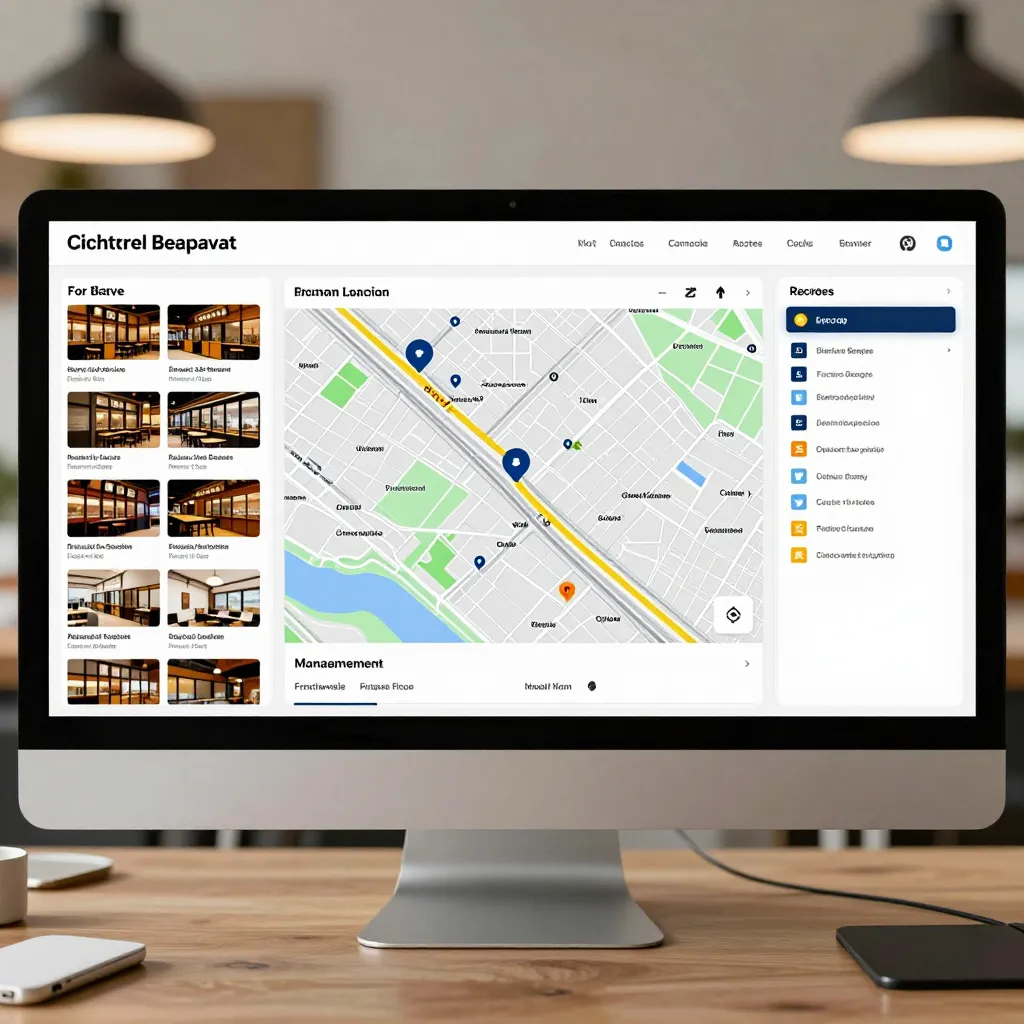
Scaling Your Brand Without Losing Control
For restaurant owners and cafe managers, the transition from a single location to a multi-site operation often feels like moving from driving a car to piloting an aircraft. The freedom to expand is exciting, but the fear of losing control over brand consistency, operational efficiency, and customer experience is paralyzing. How do you ensure that the cafe in downtown Seattle offers the same seamless digital experience as the location in Portland, without needing to call each manager individually?
The answer lies in a centralized, intelligent dashboard. A unified management system allows you to oversee multiple locations from a single screen, ensuring that every customer, regardless of where they are, receives the same high-quality service. This is not just about convenience; it is about strategic growth. When you can update a menu item in one click and see the impact across ten different cities, you shift from reactive firefighting to proactive business management.
Industry data suggests that chains with streamlined digital operations see a 20% increase in table turnover rates compared to those relying on fragmented systems. By consolidating your management tools, you reduce the administrative overhead that typically plagues growing businesses. Instead of logging into five different systems to check inventory or update prices, you have a single source of truth. This efficiency allows your leadership team to focus on strategy, supplier negotiations, and staff development rather than mundane administrative tasks.
Ensuring Consistency Through Real-Time Updates
Consistency is the currency of the restaurant industry. Customers expect the same quality, the same pricing, and the same information whether they visit your flagship store or your newest branch. Managing this consistency across multiple locations requires a system that supports real-time synchronization. When you use a platform like upQR, you gain the ability to push updates instantly to all connected devices.
Imagine a scenario where a popular dish runs out of a specific ingredient in the morning. With a traditional paper menu system, you would have to physically visit each location to tear out pages or hand-deliver new laminated sheets, risking that some locations still serve the dish. With a digital dashboard, you simply toggle the item status to "out of stock" or adjust the price. The change propagates instantly to every QR code scanner across your entire network. This ensures that no customer is ever misled, protecting your brand's reputation for honesty and accuracy.
Furthermore, seasonal menus are a breeze to manage. If you decide to swap out summer salads for winter soups, you can do so globally with a single command. This capability is crucial for maintaining a cohesive brand identity. It also prevents the "menu drift" that often occurs in multi-location businesses, where individual managers slowly alter offerings without approval, leading to customer confusion and inventory waste. By enforcing a centralized standard, you guarantee that every bite tastes as intended, and every price tag reflects your current business strategy.
Personalized Experiences for Diverse Demographics
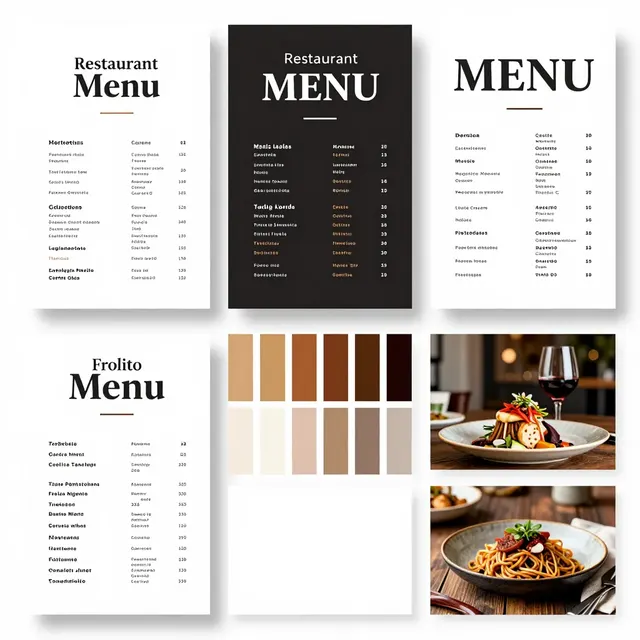
One of the most powerful features of a multi-location dashboard is the ability to tailor content for specific audiences while maintaining a central structure. Not all locations serve the same demographic, and not all customers have the same dietary needs. A sophisticated system allows you to create location-specific variations that feel organic rather than forced.
For example, a location in a predominantly vegetarian neighborhood might need a different default view than one in a meat-loving industrial district. You can set up rules where the menu automatically displays a "Vegetarian First" section for Location A, while Location B shows the full menu with meat options highlighted. Similarly, you can handle language barriers with ease. If you have a location in a bilingual community, the dashboard can automatically serve the menu in the customer's preferred language based on their device settings or location IP, without requiring them to navigate a complex language selector.
This level of customization is vital for accessibility and inclusivity. It ensures that customers with allergies or dietary restrictions are never left guessing. You can flag specific items as containing allergens globally, but allow individual locations to mark additional local ingredients that might differ. This transparency builds trust. When a customer scans a QR code, they expect to see exactly what they are ordering, with no hidden fees or misleading descriptions. A unified dashboard makes achieving this standard of honesty scalable, ensuring that your commitment to ethical business practices remains intact as you grow.
Data-Driven Decisions Across Your Network
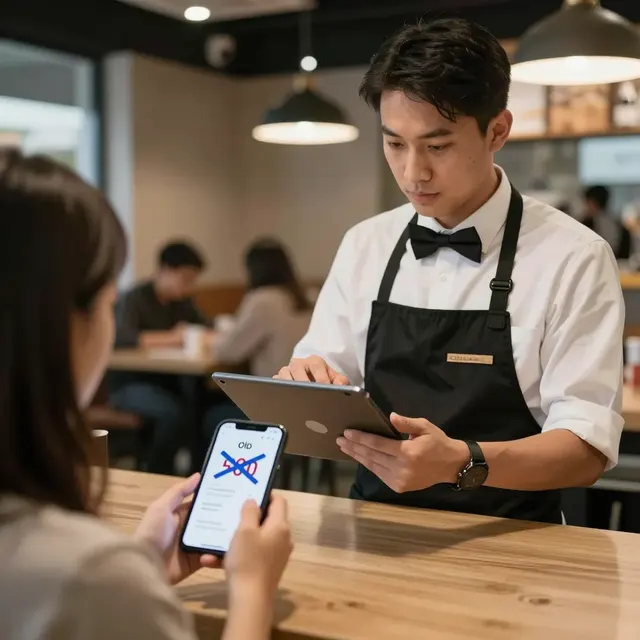
Growth without data is just guesswork. One of the biggest advantages of managing multiple locations through a single dashboard is the ability to aggregate and analyze performance metrics across your entire portfolio. Instead of relying on gut feelings or disjointed reports from individual managers, you get a holistic view of your business health.
Consider the power of comparative analytics. You can instantly see which menu items are flying off the shelves in your coastal locations versus your inland ones. Perhaps a spicy curry is a hit in the humid south but a struggle in the colder north. With a unified dashboard, you can make informed decisions about inventory purchasing and recipe adjustments based on regional tastes. You can also track sales velocity to identify which locations are underperforming and require additional marketing support or staff training.
Furthermore, you can monitor operational efficiency metrics such as average order value (AOV) and table turnover times. If one location consistently has a lower AOV, the dashboard can highlight this discrepancy, prompting an investigation into whether it is a pricing issue, a menu layout problem, or a service speed issue. This data-driven approach eliminates bias and ensures that every location receives the support it needs to succeed. It transforms your management style from a "command and control" model to a "support and optimize" model, fostering a culture of continuous improvement across all your branches.
Streamlining Operations and Reducing Errors
As you add more locations, the complexity of your operations increases exponentially. Inventory management, staff scheduling, and compliance tracking become nightmarish without the right tools. A centralized dashboard acts as the nervous system for your entire restaurant empire, connecting the front of house with the back of house seamlessly.
Inventory management becomes significantly more accurate when you can sync stock levels across locations. If you have a central kitchen supplying multiple franchises, the dashboard can help you balance stock levels, ensuring that you don't overproduce in one area while another faces shortages. This reduces food waste, which is a critical component of environmental sustainability. By optimizing your supply chain through better data visibility, you directly contribute to a greener business model, aligning with the values of modern consumers who care deeply about food waste.
Staff management is another area where a unified system shines. You can onboard new locations faster because the digital menu is already set up. Training materials can be embedded directly into the staff-facing views of the dashboard, ensuring that every employee understands the menu structure and the brand voice. This reduces the risk of human error, such as staff accidentally serving an allergen because they were reading a handwritten note. When the system is the source of truth, errors are minimized, and customer satisfaction rises.
Choosing the Right Partner for Your Growth
As you plan your expansion, selecting the right technology partner is just as important as choosing your location. You need a solution that is robust enough to handle high traffic, secure enough to protect customer data, and flexible enough to adapt to your evolving business model. Platforms like upQR are designed specifically for the challenges of multi-location management, offering the stability and features necessary to support your ambition.
When evaluating potential solutions, look for features that align with your core values: transparency, sustainability, and accessibility. Does the platform allow you to easily remove paper waste by providing a truly digital-first experience? Can you guarantee that every customer sees honest, accurate information? A good partner will not just provide a menu; they will provide a growth engine that helps you scale responsibly.
Expanding your restaurant business is a journey of scaling operations while maintaining the soul of your brand. It requires a balance of technological sophistication and human touch. By leveraging a centralized dashboard, you gain the freedom to explore new markets and open new doors without compromising on the quality of service you provide. You can focus on what matters most-creating memorable dining experiences-while letting the technology handle the heavy lifting of management and logistics.
Related Posts
Ready to create your digital menu?
Create your QR menu in minutes and reach your customers in any language.