
Restaurant Apps vs QR Menus: Why 73% of Diners Prefer Scanning
Discover why the majority of diners favor QR code menus over dedicated apps. Learn how to boost conversion, reduce friction, and enhance customer experience with digital solutions.
The Shift in Digital Dining Preferences
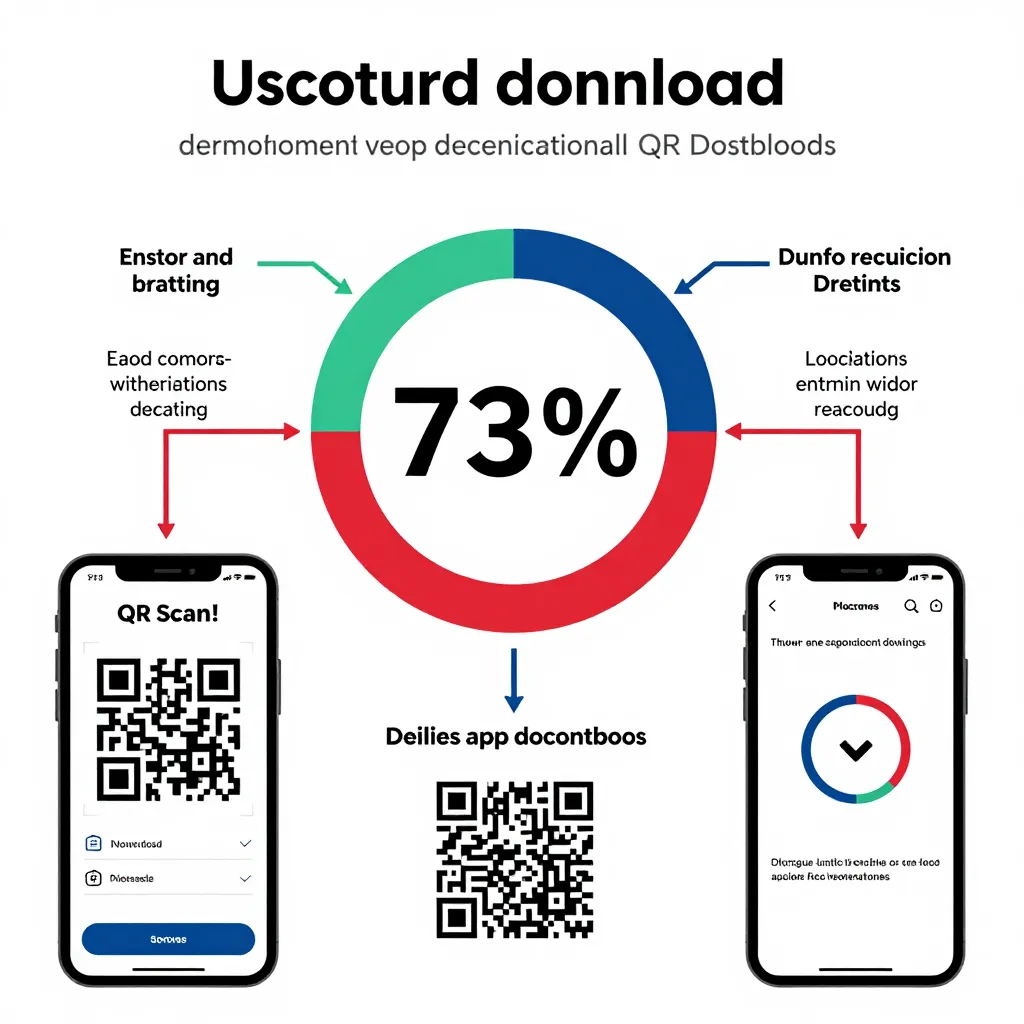
As the restaurant industry navigates the post-pandemic landscape, the conversation around digital menus has evolved from a necessity to a strategic advantage. While the initial push for digitization was driven by health safety protocols, the focus has now shifted entirely to user experience and conversion rates. A recent analysis of consumer behavior reveals a striking statistic: approximately 73% of diners prefer scanning a QR code directly from their device rather than downloading a proprietary restaurant application. This preference is not merely a fleeting trend but a fundamental shift in how consumers interact with digital services.
Understanding why this majority exists is crucial for restaurant owners and managers. The 73% figure represents a significant opportunity cost for establishments that rely solely on app downloads. When a customer visits a new location, their primary goal is often to order quickly and efficiently. Asking them to navigate an app store, find the restaurant, wait for the download, and then log in creates a friction point that can lead to abandonment. In contrast, a QR code offers an instant bridge between physical presence and digital content, respecting the diner's time and patience.
This preference aligns with broader industry trends where convenience is king. Consumers expect seamless experiences across all touchpoints. A QR code menu fits naturally into the flow of a dining experience, accessible via a quick scan without requiring prior commitment or storage space on a device. For restaurants aiming to maximize table turnover and ensure every guest feels welcomed, eliminating the app barrier is a simple yet powerful step.
Friction Reduction and the Psychology of Ordering
The reason behind the 73% preference lies in the concept of friction reduction. In marketing and user experience design, friction refers to any obstacle that prevents a user from completing a desired action. Downloading an app is a high-friction activity. It requires trust in the app store, bandwidth usage, and often a login process. QR code scanning, however, is a low-friction interaction that takes less than five seconds.
Consider the scenario of a first-time visitor to a new cafe. They are seated, perhaps waiting for their appetizers, and decide to browse the menu. If the establishment requires an app download, the guest might feel pressured to commit to an app they don't need or use often. This psychological hurdle can lead to hesitation or frustration. Conversely, a QR code menu allows the guest to browse with zero commitment. They can view high-quality images, read detailed ingredient lists, and place an order instantly. This ease of access directly correlates with higher order values and increased likelihood of upselling.
Furthermore, the transparency provided by QR menus addresses a growing consumer demand for honesty. Modern diners want to know exactly what they are eating, including allergens and nutritional information. Dedicated apps often bury this information in small print or separate sections, whereas QR menu platforms can present this data front and center. The ability to see exactly what they are ordering, without hidden fees or misleading descriptions, builds trust. When customers trust a brand, they are more likely to order more, try new items, and return again.
Accessibility and Universal Design for All
One of the most compelling arguments for QR code menus over proprietary apps is accessibility. A dedicated app creates a barrier to entry for a significant portion of the population. Many users have older devices that cannot support the latest operating systems required by modern apps. Others may have limited data plans that make downloading large applications impractical. Additionally, users with visual impairments or motor difficulties may struggle with the complex navigation often found in custom apps.
QR code menus, when built on a responsive web platform, offer universal access. They automatically adjust to the screen size of any device, from the latest smartphone to an older tablet. More importantly, they can be optimized with screen reader compatibility, alt text for images, and high-contrast modes. This ensures that everyone, regardless of language or dietary needs, knows what they are eating. A truly inclusive dining experience is one where no guest is left out due to technical limitations.
For restaurants committed to social responsibility, adopting a QR-first strategy is a tangible way to support diversity and inclusion. By avoiding app mandates, you ensure that your menu is accessible to non-English speakers who might not have the specific app version localized for their language, or to guests who rely on assistive technologies that may not be compatible with third-party app stores. This aligns perfectly with the mission of providing a transparent, honest, and accessible platform for everyone.
Operational Agility and Real-Time Updates
From an operational standpoint, the flexibility offered by QR code menus significantly outpaces that of dedicated apps. With a proprietary app, updating the menu is often a backend process that can take time to propagate to users' devices. If a kitchen runs out of a specific ingredient or if a health inspector flags an allergen, an app might not reflect these changes immediately. QR code menus, hosted on a cloud-based platform like upQR, allow for real-time updates.
Imagine a scenario where a restaurant needs to remove a shellfish dish due to a supplier issue. With a QR menu, the item can be removed or marked as unavailable instantly on every customer's screen. With an app, the update might not appear for hours or even days, depending on the app's update cycle. This agility is crucial for maintaining inventory accuracy and managing kitchen workflow. It also prevents the embarrassment of a customer ordering an item that is no longer available, which can damage the restaurant's reputation.
Furthermore, QR menus allow for dynamic content updates without any cost to the customer. Promotions, daily specials, and seasonal items can be swapped in and out seamlessly. This capability encourages a sense of freshness and excitement for the menu, keeping customers engaged and eager to visit again. The ability to showcase honest and accurate information about ingredients and sourcing in real-time also reinforces the brand's commitment to transparency. Customers appreciate knowing that the information they see is current and reliable, fostering a deeper connection between the diner and the restaurant.
Building Trust Through Transparency and Honesty
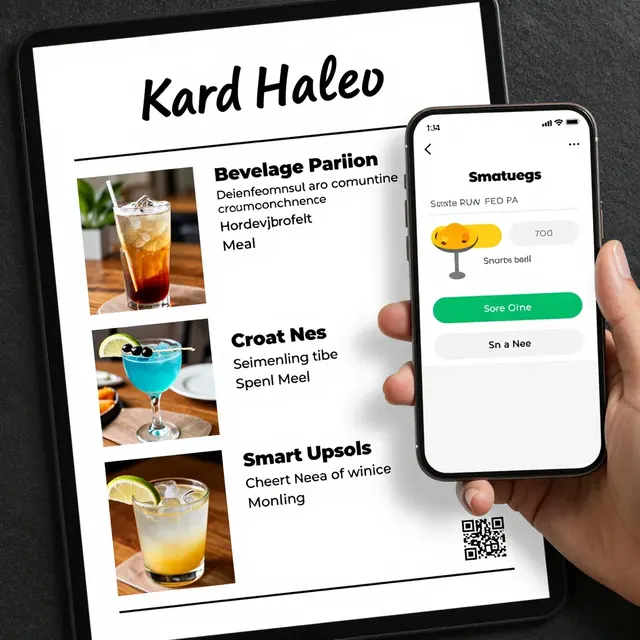
The core values of the digital dining industry are shifting towards radical transparency. Customers are increasingly skeptical of hidden fees, misleading descriptions, and deceptive photos. They want to see exactly what they are ordering, with full honesty regarding ingredients and pricing. A well-designed QR menu platform facilitates this by allowing restaurants to present their menu in a clean, uncluttered format.
When a restaurant uses a QR code system, it can easily integrate detailed ingredient lists and allergen warnings directly into the menu items. This level of detail builds trust. It shows that the restaurant cares about the safety and preferences of its guests. In contrast, some app-based models force restaurants to simplify their descriptions to fit rigid character limits or to hide allergens in separate tabs, which can be frustrating for guests with dietary restrictions.
Moreover, the visual integrity of a QR menu can be better controlled. Restaurants can use high-resolution, honest photography that accurately represents their dishes. Apps often compress images to save data, which can make food look less appetizing. High-quality visuals on a QR menu page enhance the perceived value of the food, leading to higher order values. When combined with accurate descriptions and transparent pricing, the dining experience feels more authentic and less commercialized.
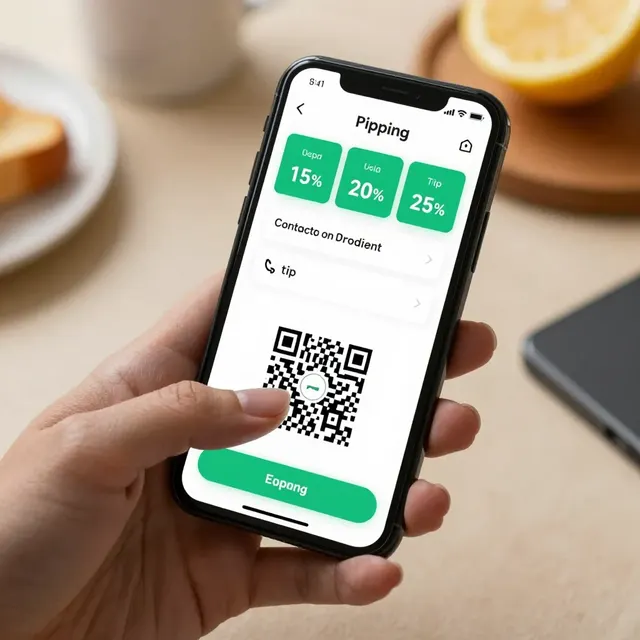
This commitment to honesty extends to the pricing structure. QR menu platforms often allow for clear display of taxes, service charges, and tips, eliminating the confusion that sometimes arises in app-based ordering where these fees might be added at the end of the process. By being upfront about costs, restaurants demonstrate integrity, which is a key driver of customer loyalty. In a competitive market, trust is the most valuable asset a restaurant can have, and transparency is the fastest way to build it.
Strategic Implementation for Maximum Impact
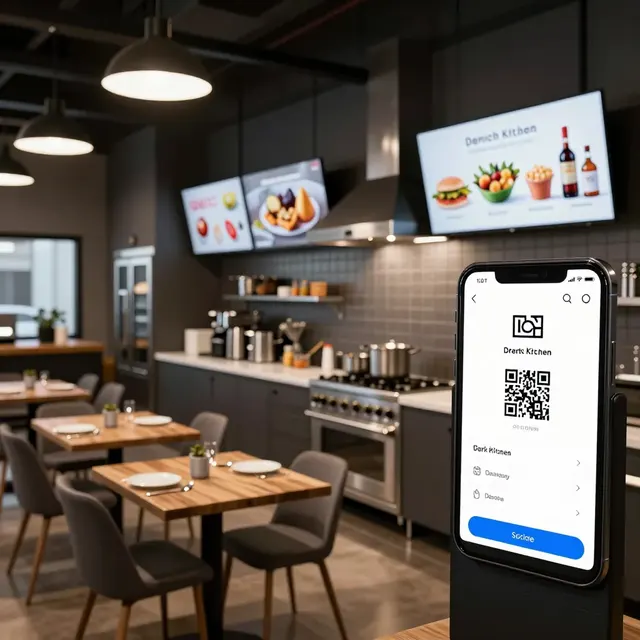
To capitalize on the 73% preference for scanning, restaurants should adopt a hybrid or QR-first strategy. This involves ensuring that every table has a clear, easy-to-scan QR code available immediately upon seating. The code should lead to a mobile-optimized, fast-loading page that provides all necessary information. It is also beneficial to offer the option to order via the QR menu for takeout or delivery, further reducing friction for guests who prefer not to use apps.
Restaurants should also leverage the data capabilities of QR menu platforms to understand their customer base. Analytics can show which items are most popular, what time of day traffic peaks, and how long customers spend browsing the menu. This data can inform menu engineering and inventory management strategies. By using a platform that supports these insights, owners can make data-driven decisions that improve profitability and operational efficiency.
Finally, training staff to assist guests with the QR menu process is essential. While the technology is simple, some guests, particularly older demographics, may need a quick explanation on how to scan and navigate. Staff should be empowered to guide guests without pressure, ensuring that the experience remains positive and stress-free. This human touch, combined with the convenience of digital technology, creates a dining environment that is both efficient and welcoming.
Conclusion
The preference for QR code menus over dedicated apps is a clear signal of what modern consumers value: speed, convenience, accessibility, and transparency. By prioritizing a QR-first approach, restaurants can eliminate friction, enhance accessibility for all guests, and maintain operational agility. Platforms like upQR embody these principles, offering a solution that supports sustainability by reducing paper waste, ensures honesty through detailed ingredient information, and provides universal access regardless of device or language. Embracing this shift allows restaurant owners to focus on what truly matters-providing exceptional food and service-while letting technology handle the rest. The data is clear: to meet the expectations of today's diners, the QR code menu is not just an option, but a necessity.
Related Posts
Ready to create your digital menu?
Create your QR menu in minutes and reach your customers in any language.