
How Ghost Kitchens Use QR Codes
Discover how ghost kitchens leverage QR codes to streamline operations, reduce costs, and boost online sales without physical locations.
The Digital Imperative for Modern Ghost Kitchens
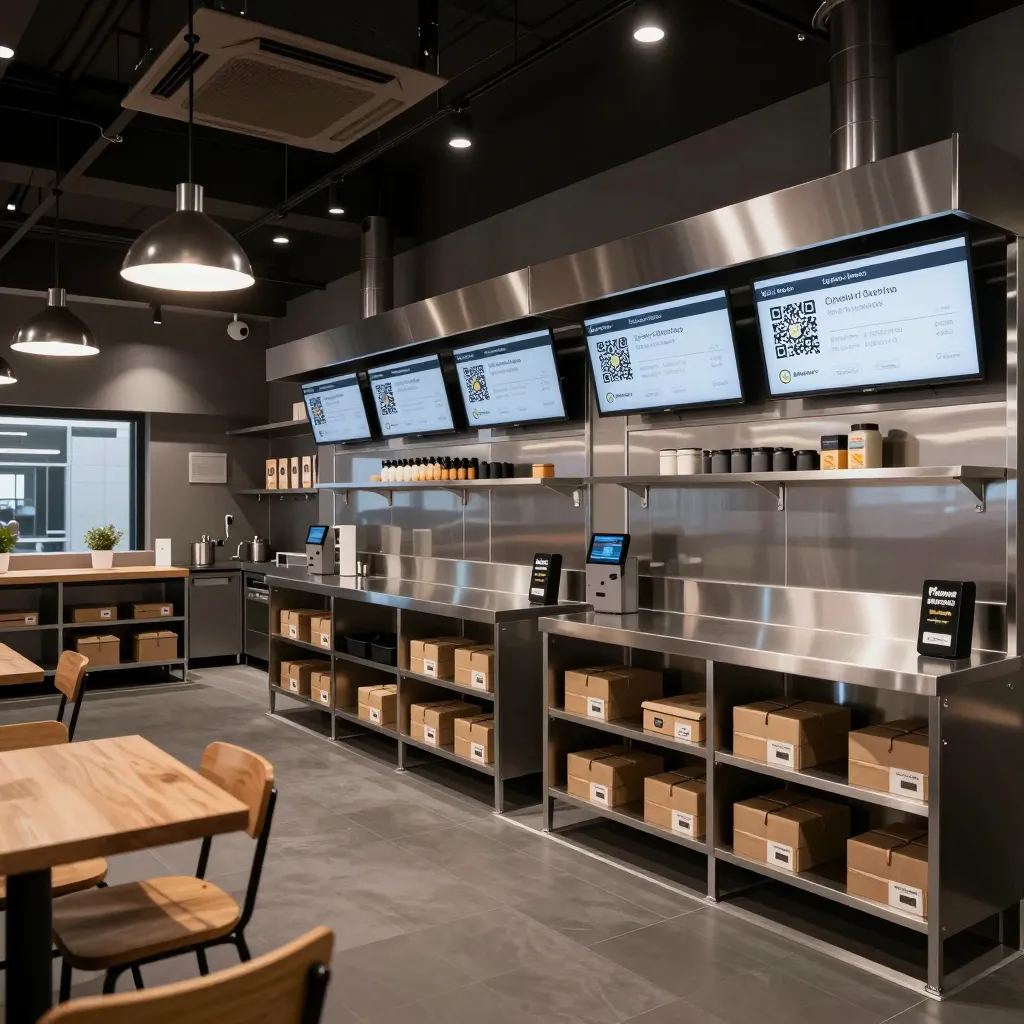
Ghost kitchens have revolutionized the food service industry by decoupling food preparation from physical dining spaces. Unlike traditional restaurants, these facilities operate solely for delivery and takeout, often housing multiple virtual brands under one roof. While this model offers significant cost savings, it introduces unique challenges regarding customer acquisition and order management. In this landscape, QR codes have emerged not just as a convenience, but as a critical infrastructure for operational efficiency.
For a ghost kitchen, the absence of a storefront means that every customer interaction must be digital-first. A QR code serves as the bridge between a delivery driver, a mobile app user, and the kitchen's ordering system. By integrating a dynamic QR code solution, ghost kitchen operators can manage menus for multiple brands seamlessly. For instance, a single facility might host "Burger Barn" and "Sushi Spot." A customer scanning a code on a delivery bag can be directed specifically to the Burger Barn menu, while another customer receives the Sushi Spot interface. This segmentation is vital for maintaining brand identity and preventing order confusion in a shared kitchen environment.
Industry data highlights the shift toward digital ordering. According to recent reports, over 60% of consumers prefer ordering directly from a restaurant's website or app rather than third-party aggregators. Ghost kitchens, which often struggle with high commission fees from platforms like Uber Eats or DoorDash, can mitigate these costs by driving direct traffic. A QR code placed on a driver's delivery bag or a printed flyer in a local apartment complex acts as a low-friction entry point to this direct ordering ecosystem. This strategy not only saves money but also allows the kitchen to collect first-party customer data, which is essential for building loyalty programs and targeted marketing campaigns.
Optimizing the Delivery Experience with Dynamic Menus
The customer journey in a ghost kitchen operation begins the moment the food is packed. Traditional ghost kitchens often rely on paper menus or static images printed on bags, which are prone to tearing and fading. Furthermore, these static assets cannot be updated in real-time. If a popular item runs out or a new seasonal special is launched, the kitchen staff must reprint materials, leading to waste and delayed information dissemination. This is where the power of a dynamic QR code becomes apparent.
By utilizing a platform that supports dynamic QR codes, ghost kitchen managers can instantly update the menu without touching the physical asset. Imagine a scenario where a specific ingredient, such as a rare spice or a fresh produce item, is unavailable. With a static code, the kitchen would need to inform customers via phone or social media, potentially losing orders. With a dynamic code linked to a cloud-based menu system, the kitchen can instantly toggle the item to "unavailable" or replace it with a substitute. This capability ensures that the customer always sees accurate information, reducing the likelihood of order modifications at the last minute, which disrupts kitchen workflow and increases preparation time.
Moreover, dynamic QR codes allow for A/B testing of menu layouts and promotions. A ghost kitchen can experiment with different call-to-action buttons or promotional banners on their landing page to see which drives higher conversion rates. For example, one week, the landing page might highlight a "Buy One, Get One Free" offer, while the next week, it might feature a limited-time discount on a specific dish. The ability to swap content instantly means that marketing teams can react to trends or inventory levels in real-time. This agility is a competitive advantage that static printing methods simply cannot match. It transforms the QR code from a simple address into a powerful marketing tool that evolves with the business needs.
Reducing Operational Friction and Errors
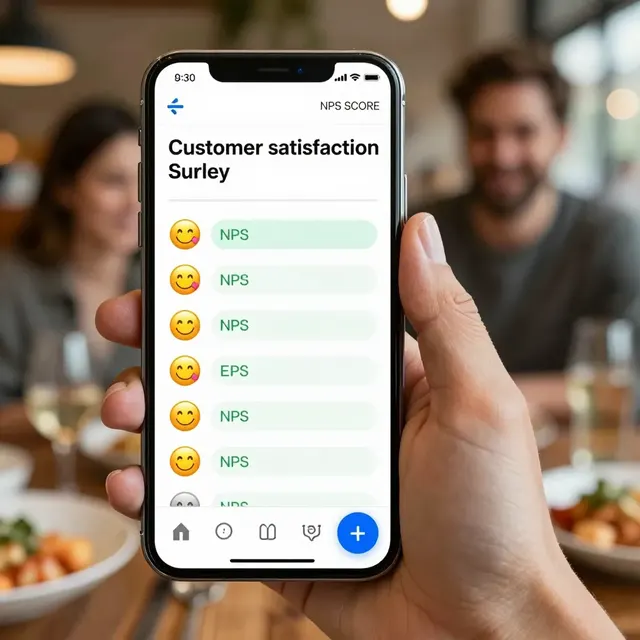
In a high-volume ghost kitchen environment, speed and accuracy are paramount. Every minute spent navigating a complex ordering system or dealing with customer confusion translates to lost revenue and increased labor costs. QR codes streamline this process by providing a direct, uncluttered path to the menu. When a customer scans a code, they are taken straight to the specific brand's menu, bypassing generic homepage navigation that might confuse a user unfamiliar with the specific brand.
Consider the experience of a delivery driver who arrives at an apartment complex. Instead of handing out a stack of paper flyers that might get lost or ignored, the driver can hand the customer a simple, durable card with a QR code. The customer scans it, orders their meal, and the kitchen receives the order instantly. This reduces the time the driver spends at the door, allowing them to complete more deliveries per shift. Furthermore, the digital receipt generated after the order eliminates the need for manual entry or physical paperwork, reducing administrative burdens.
Another critical aspect is the reduction of human error. In traditional takeout scenarios, a customer might misread a paper menu or order an item that has been discontinued. With a digital menu accessed via QR code, the system can prevent the selection of out-of-stock items automatically. Additionally, if a customer accidentally adds the wrong item to their cart, the interface can guide them to remove it before checkout. This frictionless experience leads to higher customer satisfaction and fewer returns or refunds, which are costly for any food business. For ghost kitchens, where margins are often tight due to shared rent and utilities, minimizing errors is a direct path to profitability.
Building Brand Loyalty Without a Physical Location
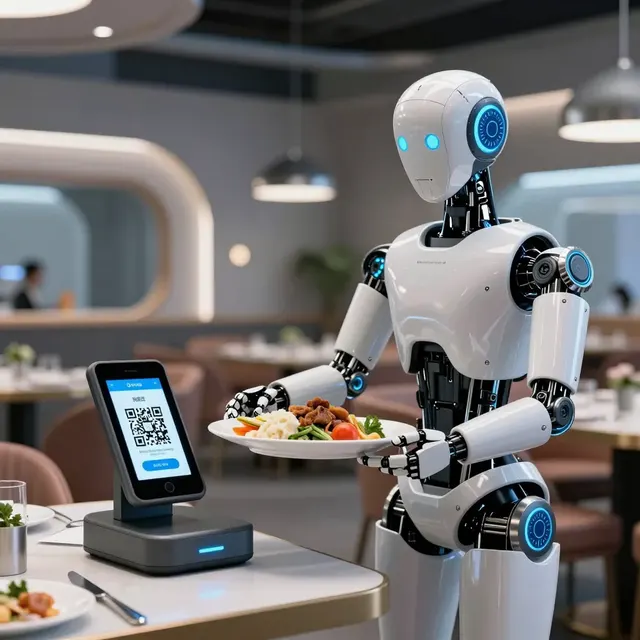
One of the greatest challenges for ghost kitchens is establishing a personal connection with customers without a physical space to host events or interact with patrons face-to-face. QR codes offer a solution by serving as a touchpoint for engagement. By linking the QR code to a landing page that includes a subscription sign-up form or a loyalty program enrollment, ghost kitchens can capture customer emails and phone numbers.
This data is the lifeblood of a ghost kitchen's marketing strategy. With a list of direct customers, the kitchen can send targeted emails about new menu items, upcoming promotions, or exclusive discounts for returning customers. For example, a ghost kitchen could send a push notification via the app or email to users who have ordered in the past, offering a 10% discount on their next order if they order within the next 24 hours. This type of retention strategy is far more cost-effective than relying solely on paid advertising or high-commission third-party platforms.
Furthermore, the QR code can be used to gather feedback instantly. After an order is completed, the landing page can display a simple survey asking about the quality of the food and the delivery experience. This feedback loop allows the kitchen to identify issues quickly, such as a specific dish that customers consistently rate poorly or a delivery route that is too slow. By acting on this data, the kitchen can improve its operations continuously. The QR code thus becomes a tool for both sales and quality control, fostering a sense of community and trust between the brand and its customers, even in a virtual environment.
Future-Proofing Your Ghost Kitchen Strategy
As the food delivery market continues to grow, competition among ghost kitchens will intensify. The differentiator will no longer just be the quality of the food, but the efficiency and user experience of the ordering process. Investing in a robust QR code solution is a strategic move that future-proofs the business against changing consumer behaviors and technological advancements.
Looking ahead, we can expect QR codes to become even more integrated with other technologies, such as augmented reality (AR) for visualizing dishes or voice-assisted ordering. While these advanced features are still emerging, the foundation for them is the reliable, fast-loading digital menu that a dynamic QR code provides. Additionally, as privacy concerns grow, having a direct relationship with customers via QR codes ensures that ghost kitchens are not solely dependent on third-party platforms that may change their algorithms or fee structures overnight.
For restaurant owners and food service professionals considering the ghost kitchen model, the implementation of a smart QR code system should be a priority. It is a relatively low-cost investment that yields high returns in terms of operational efficiency, customer retention, and brand building. Whether you are launching a single-brand ghost kitchen or a multi-brand facility, the ability to manage digital menus dynamically is essential for survival and success in the modern food service landscape.
Conclusion
The integration of QR codes into ghost kitchen operations is more than a trend; it is a necessity for streamlining online ordering and maximizing efficiency. By leveraging dynamic QR codes, ghost kitchens can manage multiple brands, reduce errors, capture valuable customer data, and create a seamless ordering experience that keeps customers coming back. For businesses looking to thrive in the competitive delivery market, a solution like upQR provides the necessary infrastructure to turn a virtual kitchen into a profitable, customer-centric enterprise. With upQR, you gain the flexibility to update menus instantly, track performance metrics, and build a loyal customer base without the overhead of a physical location.
Related Posts
Ready to create your digital menu?
Create your QR menu in minutes and reach your customers in any language.