
How QR Menus Build Your Customer Database Instantly
Transform every scan into a lead. Learn how digital QR menus turn first-time visitors into loyal subscribers without the high cost of traditional marketing.
Why a Customer Database is Your Most Valuable Asset
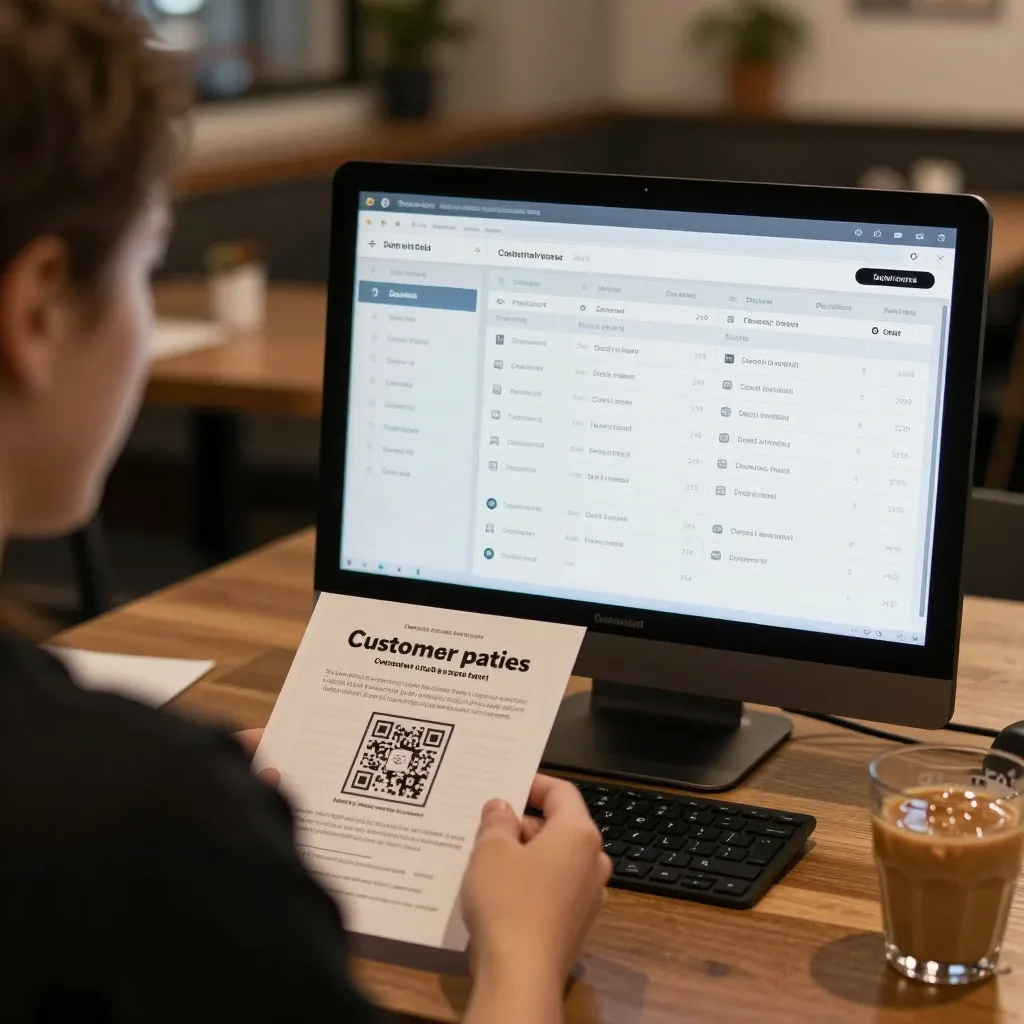
For a new restaurant or cafe, the biggest challenge isn't just opening the doors; it is building a foundation of trust and repeat business. Many owners focus heavily on the physical space and the food quality, often neglecting the digital infrastructure that captures customer data. In the modern food industry, a customer database is not just a list of emails; it is the single most valuable asset you own. Unlike social media followers, which an algorithm can take away overnight, a database belongs to you. It allows you to communicate directly with your audience, promoting new menu items, seasonal specials, or happy hour events with zero ad spend.
According to industry data, businesses that invest in email marketing see an average return of 4,200% for every dollar spent. For a new establishment, this means that every dollar spent on acquiring a customer's contact information pays dividends for years. However, capturing this data requires a strategy that feels natural to the customer, not an interrogation. This is where the transition from paper menus to digital QR menus becomes a strategic necessity, not just an aesthetic choice.
When a customer walks into your new cafe, they are already in a mindset to make a purchase. The moment they decide to order, you have a unique opportunity to capture their interest. A paper menu offers no mechanism for data collection beyond perhaps a loyalty card, which many customers forget to fill out. A digital menu, however, is the gateway to a direct conversation. By integrating a simple sign-up form within the digital experience, you can convert a random passerby into a known entity within minutes. This shift from anonymous foot traffic to a recognized subscriber base is the cornerstone of sustainable growth for new businesses.
Turning the First Scan into a Subscription Opportunity
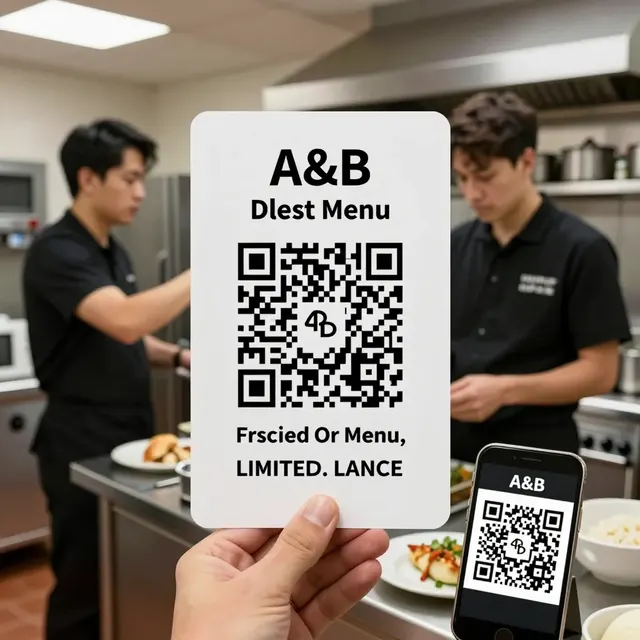
The most critical moment for a new restaurant is the first interaction. When a customer scans a QR code to view your menu, they are likely hungry and ready to decide. If you simply present a PDF or a static web page, you miss the chance to engage. The upQR platform solves this by allowing you to embed a seamless opt-in form directly into the menu loading screen or within the footer of every page.
This approach respects the customer's autonomy while offering value. Instead of a forced popup that interrupts their browsing, you can present a compelling offer. For example, "Scan to view our menu and get 10% off your first order if you subscribe to our newsletter." This creates a win-win scenario: the customer receives an immediate discount, and you gain a contact for future marketing. The key is to make the subscription feel like a perk rather than a requirement.
Consider the experience of "The Green Bean," a new cafe that launched with a digital-first approach. They noticed that their walk-in traffic was high, but their return rate was low. By adding a simple email capture form to their upQR menu with a "Free Recipe of the Month" as an incentive, they saw their email list grow by 300% in the first three months. The form was unobtrusive, placed at the bottom of the menu, and offered a tangible benefit. This strategy transformed their anonymous visitors into a community of food lovers who received weekly updates about new dishes and behind-the-scenes stories.
When designing this capture mechanism, keep it simple. Ask only for the email address and perhaps a first name. Long forms with multiple fields will drastically reduce conversion rates. The goal is to lower the barrier to entry. Furthermore, ensure that the language used is transparent and honest. Avoid vague promises; instead, be clear about what they will receive, such as "weekly recipes" or "exclusive early access to new items." This transparency builds trust from the very first interaction, aligning with the core values of honesty that new restaurants need to establish.
Eliminating the Paper Barrier to Data Collection
One of the most common misconceptions about paper menus is that they are easier to manage. While they are cheap to print, they are terrible at capturing data. To build a database with paper, you must rely on manual methods like loyalty cards or handwritten sign-up sheets. These methods are fraught with issues. Customers often lose their cards, forget to sign the sheets, or refuse to participate in paper-based loyalty programs due to hygiene concerns and the hassle of carrying a physical card.
Furthermore, paper menus cannot be updated. If you change your pricing or add a new dish, you must reprint the entire menu. This not only increases costs but also wastes paper, contradicting the environmental values that many modern consumers care about. Digital QR menus, however, offer a dynamic environment where data collection is automated. Every time a customer scans the code, the menu loads on their device. You can track which pages they visit, how long they stay, and whether they engage with the subscription offer.
The environmental impact of this shift is significant. Traditional menus generate tons of paper waste annually. By switching to a digital solution, you reduce your carbon footprint while simultaneously upgrading your data collection capabilities. This dual benefit appeals to eco-conscious customers who are increasingly looking for sustainable dining options. When a customer sees that you care about the planet, they are more likely to trust you with their personal information. Transparency in your operations-such as showing exactly what you do to reduce waste-creates a deeper connection with your audience.
For new restaurants, the cost of acquiring a customer is rising. Digital menus reduce the cost of printing and distribution while increasing the efficiency of data capture. Instead of spending hundreds on printed menus that sit on a table for only a few hours, you invest in a digital solution that works 24/7. This solution also provides analytics. You can see which menu items are most popular and which offers drive the most sign-ups. This data-driven approach allows you to refine your marketing strategy in real-time, ensuring that you are always maximizing your return on investment.
Building Trust Through Transparency and Accessibility
New restaurants often struggle to build a reputation quickly. One of the fastest ways to gain trust is by being transparent. UpQR's platform emphasizes this value by allowing you to display detailed ingredient lists, allergen information, and sourcing details directly on the menu. When a customer scans the code, they can see exactly what they are ordering. This level of honesty is rare in the industry and sets a new standard for customer service.
This transparency extends to the data collection process as well. When a customer signs up for your newsletter via the QR menu, they should feel safe knowing their information will be handled with care. Your privacy policy should be clear and accessible. You can even include a brief note on the menu explaining that you use their email only to send helpful content, never to sell their data. This reassurance encourages more people to sign up.
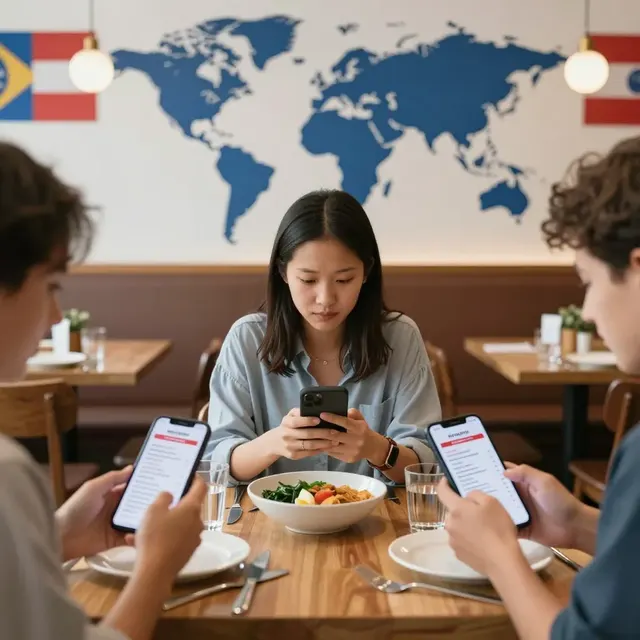
Accessibility is another pillar of trust. A digital menu ensures that everyone, regardless of language or dietary needs, can access your offerings. You can provide translations for common ingredients or highlight gluten-free options clearly. When a customer feels understood and accommodated, they are more likely to return and to subscribe to your updates. For example, if a customer has a nut allergy, they can quickly filter the menu to see safe options. This inclusivity demonstrates that you value every customer, not just the profitable ones.
By combining accessibility with transparency, you create a welcoming environment where customers feel confident making choices. This confidence translates into loyalty. When a new restaurant takes the time to explain its values and show its ingredients, it humanizes the brand. Customers are not just buying food; they are supporting a business that cares about what it serves and how it operates. This emotional connection is the fuel that drives word-of-mouth marketing, the most powerful tool for any new business.
Leveraging Data to Retain Customers Long-Term
Acquiring an email address is only the first step; retaining that customer is where the real value lies. Once a customer has signed up via your QR menu, you can segment your list based on their interests or dietary preferences. If they frequently view vegetarian options, you can send them updates about new plant-based dishes. If they are interested in coffee, you can notify them of new bean blends or brewing techniques.
Automation plays a crucial role here. With a digital menu platform, you can set up automated welcome emails that thank the customer for signing up and deliver on the promise made during the scan. This immediate engagement keeps your brand top-of-mind. Over time, you can send re-engagement campaigns to customers who haven't visited in a while, offering a special discount to bring them back. This cycle of communication keeps your restaurant relevant in the customer's mind.
Industry statistics show that email marketing remains one of the highest ROI channels, with an average return of $42 for every $1 spent. For a new restaurant, this is a lifeline. It allows you to compete with established chains that have massive marketing budgets. By building your own database, you own your audience. You are not at the mercy of changing algorithms on social media platforms or paying for expensive ad spaces to reach potential customers.
Furthermore, the data you collect helps you understand your customers better. You can analyze open rates, click-through rates, and conversion rates to see what kind of content resonates with your audience. If your emails about new seasonal menus perform well, you know to invest more in seasonal promotions. If your content about sustainability drives engagement, you can highlight your eco-friendly practices more often. This iterative process ensures that your marketing efforts are always aligned with your customers' interests.
Conclusion
For a new restaurant, the path to success involves more than just delicious food; it requires a strategic approach to building a community. A customer database is the engine that drives long-term growth, allowing you to nurture relationships and promote loyalty without relying on expensive advertising. Digital QR menus are the perfect tool to achieve this, offering a seamless way to capture contact information while providing a superior customer experience.
By using a platform like upQR, you can eliminate paper waste, ensure transparency with ingredient details, and create an accessible environment for all your guests. The combination of environmental responsibility, honest communication, and easy data collection creates a foundation of trust that is essential for new businesses. Start today by integrating a subscription form into your digital menu and watch your customer base grow organically. With the right tools and a commitment to your values, your new restaurant can become a beloved local staple that customers return to again and again.
Related Posts
Ready to create your digital menu?
Create your QR menu in minutes and reach your customers in any language.