
Cruise Ship Menu Management with QR Tech
Discover how cruise lines optimize dining using QR menus. Learn practical strategies for your restaurant to boost efficiency and customer experience.
The High-Stakes Environment of Cruise Ship Dining
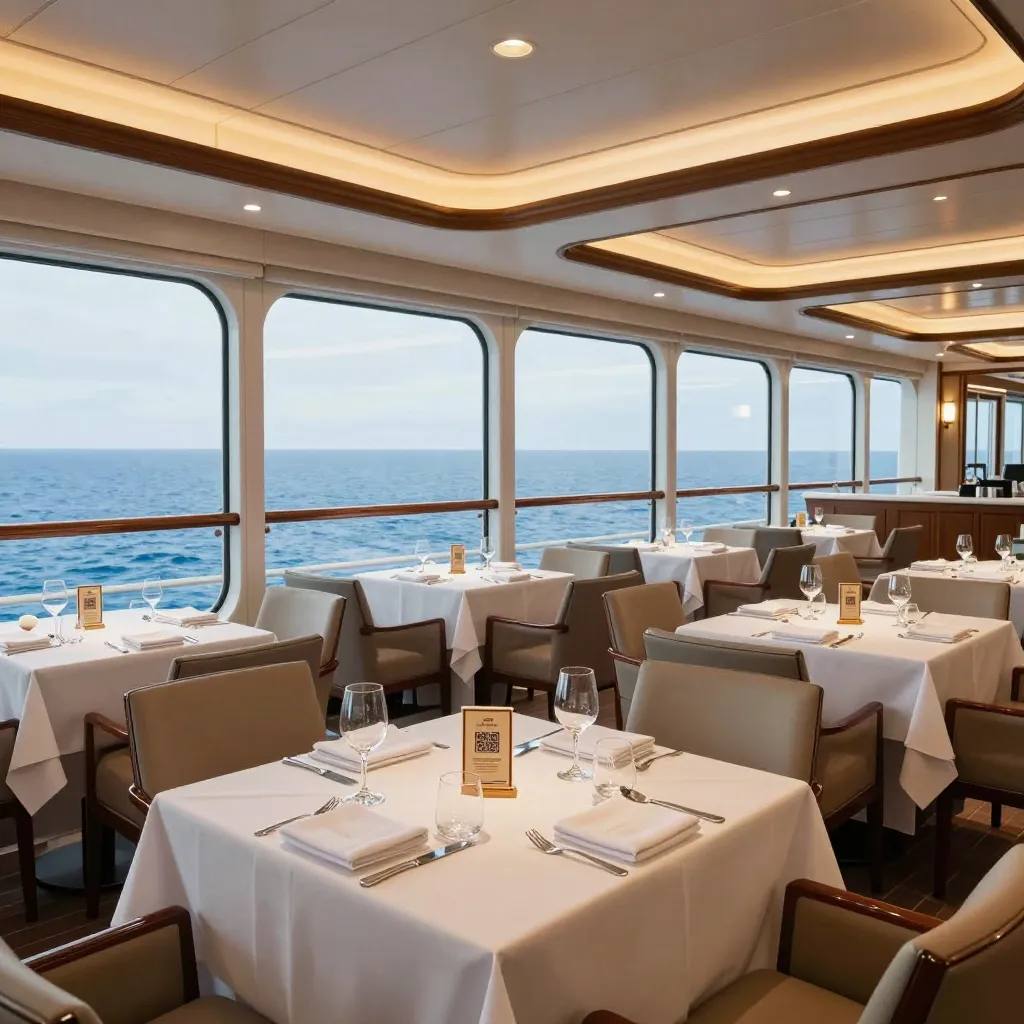
Operating a restaurant on a cruise ship presents a unique set of challenges that land-based establishments simply do not face. The environment is characterized by extreme volatility: a ship pitching and rolling in rough seas, fluctuating temperatures, and a captive audience that cannot simply leave if they are unhappy with their dining experience. In this context, the management of menus is not just about listing items; it is a critical operational component that directly impacts safety, efficiency, and customer satisfaction.
Traditionally, cruise ships relied on static printed menus or rigid digital systems that required physical updates to be printed and distributed. This method is fraught with inefficiencies. Imagine a scenario where a ship captain issues an emergency order due to rough weather, requiring the suspension of outdoor seating. With a printed menu, the staff must manually distribute new notices or rely on verbal communication, which often leads to confusion and errors. Furthermore, if a specific ingredient is flagged for an allergen recall or a new sustainability initiative is announced, updating a printed menu across dozens of decks is a logistical nightmare involving waste, time, and cost.
The shift toward QR technology in this sector represents a paradigm shift from static information to dynamic, real-time data management. By leveraging digital QR menus, cruise ship restaurants can adapt instantly to changing conditions. Whether it is updating a menu item due to a sudden shortage of fresh seafood, implementing a new allergy warning, or adjusting pricing based on fuel costs, the information is updated once on the central server and instantly reflected on every device on the ship. This level of agility is essential for maintaining the high standards expected in the luxury cruise industry.
Enhancing Safety and Allergen Transparency at Sea
Safety is the paramount concern on a cruise ship. The medical facilities on board are limited compared to land hospitals, making prevention through transparency absolutely critical. This is where the values of honesty and accuracy in digital menu systems become life-saving assets. A digital QR menu allows for granular detail that printed text cannot match. For every dish, the system can display a comprehensive list of ingredients, including specific allergens like gluten, nuts, dairy, and shellfish, as well as potential cross-contamination risks.
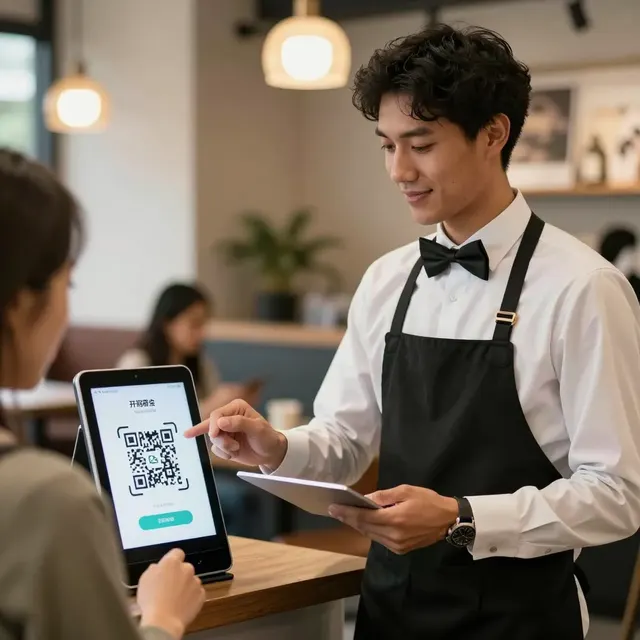
Consider the scenario of a passenger with severe celiac disease. On a traditional menu, a dish might be labeled "contains wheat" or simply omitted from a gluten-free list, forcing the guest to rely on the memory of the server or a guess. With an upQR-style digital menu, the guest can scan the code at their table, view the exact recipe composition, and see a clear "Safe for Gluten-Free Diets" badge if applicable. This transparency eliminates the anxiety for the guest and reduces the burden on the kitchen staff to constantly double-check verbal orders, thereby minimizing the risk of a severe allergic reaction.
Furthermore, the dynamic nature of digital menus allows for real-time safety alerts. If a specific batch of a supplier's product is recalled or if a foodborne illness is detected in a specific ingredient, the restaurant manager can instantly disable that item or add a prominent warning banner to the digital menu. This capability ensures that the information presented to the guest is always current and accurate. In an industry where a single mistake can lead to a medical emergency at sea, the ability to provide honest, accurate, and up-to-date information is not just a feature; it is a necessity. This approach aligns perfectly with the principle of universal access, ensuring that every guest, regardless of their dietary needs, can safely navigate the dining options available to them.
Operational Agility in Volatile Conditions
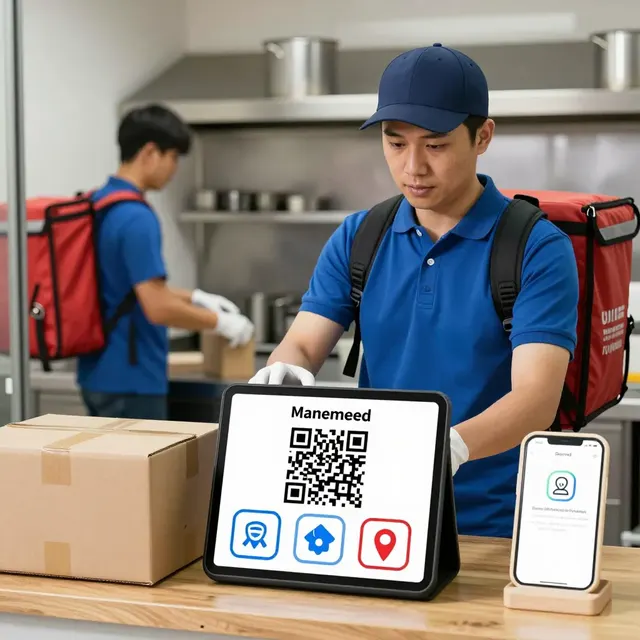
The operational challenges of a cruise ship are multifaceted. Staffing can be tight, with crew members working long shifts and rotating between different duties. In such an environment, the need for clear, concise, and easily accessible information is paramount. Digital QR menus streamline the ordering process, reducing the time servers spend taking orders and inputting them into legacy systems. This efficiency allows staff to focus more on hospitality-greeting guests, explaining wine pairings, and ensuring the dining atmosphere is warm and welcoming.
One of the most significant advantages of QR technology is the ability to manage inventory and availability in real-time. On a cruise ship, storage space is at a premium, and inventory turnover must be precise. If a restaurant runs low on a popular item, such as a specific type of crab or a fresh fruit, the menu can be updated instantly to reflect availability. This prevents the frustration of a guest ordering an item that is no longer in stock, which can lead to complaints and wasted food preparation efforts. The system can automatically flag items that are out of stock, allowing the kitchen to adjust production schedules accordingly.
Additionally, the dynamic pricing capabilities of digital menus offer a strategic advantage. Cruise lines often run promotions or adjust prices based on the day of the week or the specific itinerary. A digital menu allows for these changes to be implemented seamlessly without reprinting thousands of pages. For example, a breakfast buffet might feature special items on weekends, and the digital menu can highlight these with a "Weekend Special" badge. This flexibility ensures that the restaurant can maximize revenue while keeping the menu fresh and exciting for guests who dine on the ship multiple times during their voyage.
Personalization and the Global Guest Experience
Cruise ships are international floating communities, bringing together guests from dozens of different countries and cultures. A digital menu system excels in bridging this linguistic and cultural divide. One of the core values of modern menu technology is universal access, and QR menus are the perfect tool to achieve this. By allowing the menu to be displayed in the guest's preferred language, the restaurant can ensure that every guest understands exactly what they are ordering, regardless of whether they speak the ship's primary language or not.
This capability extends beyond simple translation. Advanced digital menu platforms can integrate dietary preferences and restrictions directly into the user interface. A guest from a vegetarian background can filter the menu to show only plant-based options, while a guest with a specific religious dietary law can see which items comply with their requirements. This level of personalization makes guests feel seen and respected, enhancing their overall experience. It transforms the dining experience from a generic transaction into a tailored interaction that acknowledges the guest's individual needs.
Real-world examples of this personalization are already evident in the cruise industry. Some lines have begun to use digital menus to suggest local specialties based on the port of call. For instance, when the ship docks in Italy, the digital menu might highlight regional Italian dishes with a special icon, encouraging guests to try local flavors. This not only adds an educational element to the dining experience but also supports the cruise line's goal of providing authentic culinary journeys. The ability to curate and present information in a way that resonates with a diverse audience is a key differentiator in the competitive cruise market.
Sustainability and Waste Reduction at Scale
The cruise industry is under increasing scrutiny regarding its environmental impact, particularly concerning waste generation. Cruise ships produce massive amounts of waste, and paper menus contribute significantly to this footprint. By transitioning to digital QR menus, cruise lines can make a substantial dent in their paper waste reduction goals. A single cruise ship can serve thousands of meals daily, and the cumulative paper waste from menus alone is staggering. Eliminating this waste aligns with the environmental consciousness that is becoming a standard expectation for modern travelers.
Beyond just saving paper, digital menus contribute to food waste reduction. As mentioned earlier, the ability to update menus in real-time means that items that are about to expire or are no longer available can be removed from the menu immediately. This prevents the kitchen from preparing dishes that cannot be sold, thereby reducing food waste. Furthermore, digital menus can be used to promote sustainable practices. Restaurants can highlight dishes that use locally sourced ingredients, seasonal produce, or ingredients that are part of a sustainability certification program. Guests can make more informed choices that align with their environmental values, fostering a culture of sustainability both on board and beyond.
The shift to digital also supports the cruise line's corporate social responsibility goals. By reducing the need for constant reprinting and distribution of menus, the ship reduces its carbon footprint associated with the production and logistics of paper. This is a tangible way for the industry to demonstrate its commitment to the planet. For restaurant owners and managers looking to adopt similar practices, the lesson is clear: digital is not just a convenience; it is a responsible choice that benefits the business and the environment alike.
Implementing Digital Menus for Your Restaurant
The success of QR menu technology on cruise ships offers valuable lessons for land-based restaurant owners and cafe managers. While the scale and specific challenges differ, the fundamental benefits of agility, transparency, and personalization are universal. To implement a similar system, the first step is to choose a platform that prioritizes these core values. Look for a solution that offers easy customization, robust analytics, and seamless integration with your existing point-of-sale (POS) system.
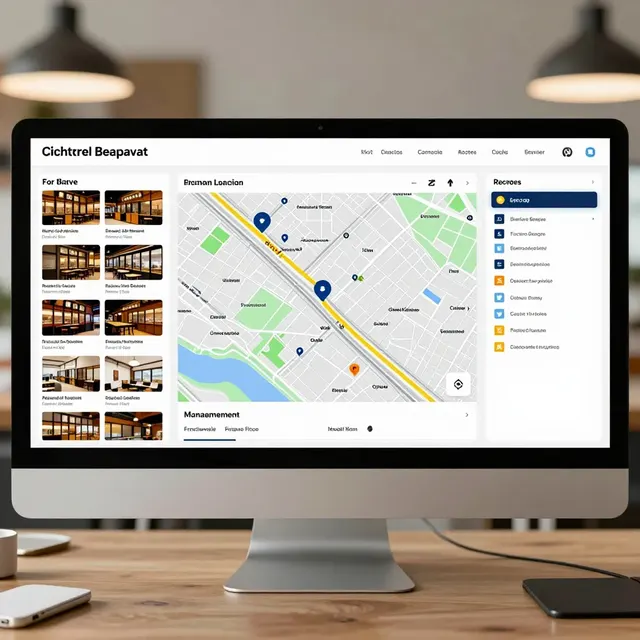
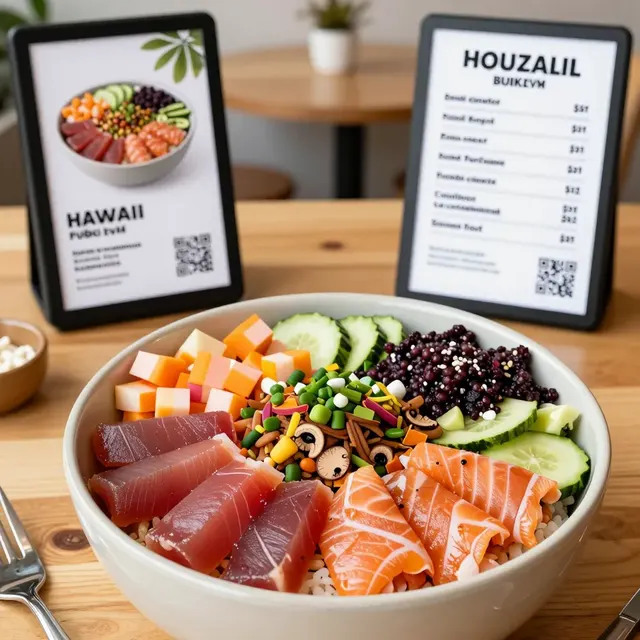
When selecting a platform, consider the importance of mobile optimization. Most guests will scan the QR code with their smartphones, so the menu must load quickly and look great on small screens. Ensure that the images are high-quality and that the text is readable in various lighting conditions. Additionally, look for features that allow you to update content remotely, so you can manage your menu from anywhere. This level of control is essential for responding to changes in inventory, promotions, or seasonal offerings.
Another key consideration is the user experience. The menu should be intuitive and easy to navigate. Guests should be able to filter by dietary needs, view allergen information, and add items to their cart with a few taps. If the interface is clunky or confusing, guests may become frustrated and abandon the ordering process. A smooth, engaging user experience encourages guests to order more and spend more time exploring your offerings.
Finally, do not underestimate the power of data. Digital menus provide insights into what your guests are ordering, at what times, and how they are interacting with your content. Use this data to refine your menu, optimize your inventory, and tailor your marketing efforts. By embracing the lessons learned from the high-stakes environment of cruise ships, you can transform your own restaurant into a more efficient, sustainable, and guest-centric operation. The technology is accessible, the benefits are clear, and the time to adopt it is now.
Related Posts
Ready to create your digital menu?
Create your QR menu in minutes and reach your customers in any language.