Digital Menus Boost HACCP Compliance & Food Safety
Discover how digital QR menus streamline HACCP protocols, reduce cross-contamination risks, and ensure transparent ingredient disclosure for modern restaurants.
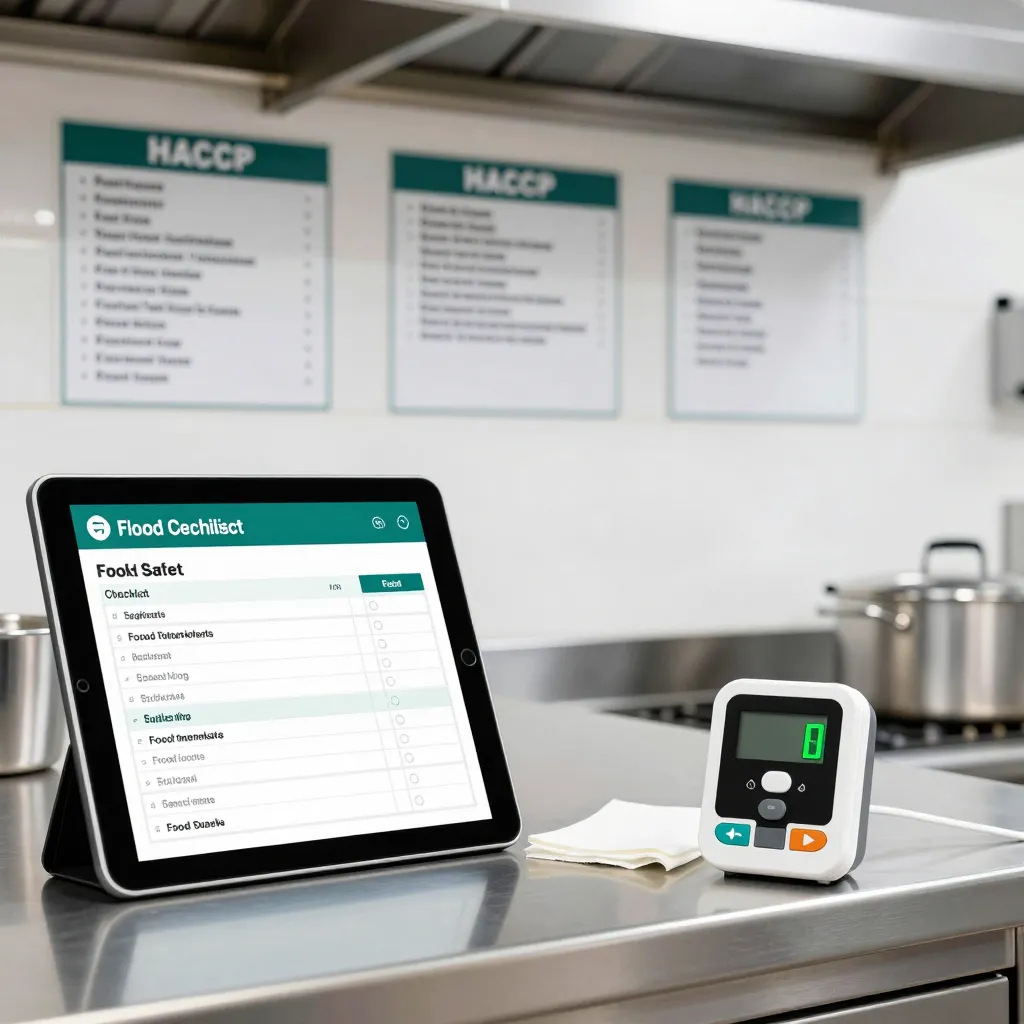
Why Digital Menus Are a Game-Changer for HACCP Protocols
Food safety is not just a regulatory requirement; it is the backbone of a restaurant's reputation and operational longevity. The Hazard Analysis and Critical Control Points (HACCP) system is a science-based approach to food safety management that identifies potential hazards and establishes controls to prevent them. However, traditional paper menus often create blind spots in this critical system. They can lead to version control issues, delayed updates on allergen information, and inconsistent descriptions that confuse both staff and customers.
By transitioning to a digital menu platform like upQR, restaurants can seamlessly integrate digital tools into their HACCP framework. Digital menus act as a dynamic communication layer that ensures the information displayed to the customer matches exactly what the kitchen is preparing. This synchronization is vital for critical control points related to allergen management and cross-contamination prevention. When a customer scans a code and sees a real-time update regarding a new supplier or a change in preparation method, the restaurant maintains its integrity without the lag time associated with reprinting paper menus.
The shift to digital also enhances the traceability aspect of HACCP. If a specific ingredient is recalled or a supplier changes a process, the digital menu can be updated instantly across all devices. In a paper-based system, this change might take days to implement, during which time a restaurant could unknowingly serve unsafe products. With upQR, compliance becomes proactive rather than reactive, ensuring that every order placed aligns with the current safety standards of the establishment.
Eliminating Cross-Contamination Risks Through Dynamic Information
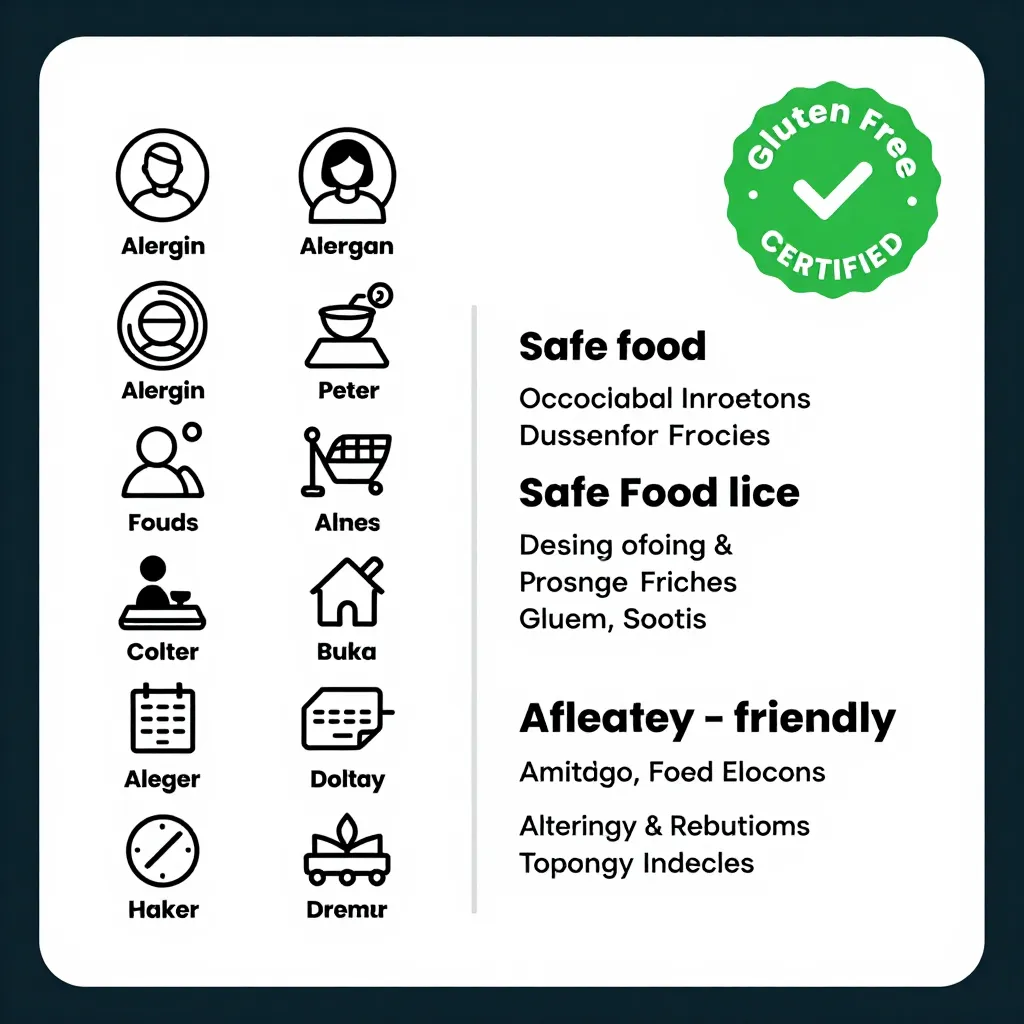
One of the most significant challenges in food safety is cross-contamination, particularly regarding allergens like nuts, gluten, and shellfish. Traditional menus often list allergens in small print or rely on verbal confirmation from waitstaff, which is prone to human error. A single miscommunication can lead to a severe allergic reaction, resulting in legal liability and reputational damage. Digital menus solve this by allowing restaurants to create specific pop-ups or highlighted sections for allergen warnings.
For example, a restaurant can program their upQR menu to display a mandatory disclaimer when a customer selects an item containing a common allergen. This disclaimer can include specific instructions on how the item is prepared and any potential for cross-contact in the kitchen. This level of detail is difficult to maintain on a static paper menu, where space is limited and fonts are often too small to be legible. Furthermore, digital menus can be segmented by dietary needs. A customer with a severe nut allergy can filter the menu to see only nut-free options, reducing the cognitive load on the server and minimizing the chance of an order being placed incorrectly.
Consider the scenario of a restaurant that recently switched its bread supplier to one that uses a different flour mill, introducing a risk of gluten cross-contamination. On a paper menu, this change would go unnoticed until the menu was reprinted. On a digital platform, the 'Ingredients' field for every item containing bread can be updated instantly, flagging the change in the allergen profile. This immediate transparency protects the customer and demonstrates the restaurant's commitment to safety, turning a potential compliance failure into a demonstration of excellence.
Enhancing Traceability and Ingredient Transparency
HACCP requires that restaurants know exactly what is in their food and where it comes from. Digital menus provide a unique opportunity to showcase this transparency. Customers today are increasingly aware of sourcing, sustainability, and the environmental impact of their food. By using upQR, restaurants can expand their menu descriptions to include specific details about ingredients, such as the farm of origin, the date of harvest, or the specific sourcing practices.
This detailed disclosure goes beyond simple compliance; it builds trust. When a customer sees that a steak is grass-fed from a local ranch or that the vegetables are organic and pesticide-free, they feel confident in their purchase. More importantly, this transparency aids in the 'recall' aspect of food safety. If a specific batch of lettuce is found to be contaminated, a restaurant with a digital menu can quickly identify which items were made with that specific batch and notify customers directly or update the menu to exclude those items. This ability to pinpoint and manage specific batches of ingredients is a critical component of modern food safety management.
Furthermore, digital menus can host QR codes that link to external resources, such as a supplier's safety certificate or a video showing the preparation process. This visual evidence reinforces the honesty and accuracy of the information provided. It eliminates the 'hidden fees' or 'misleading descriptions' that often plague the industry. By being upfront about ingredients and preparation methods, restaurants adhere to the core principle of honest information, ensuring that customers are never misled about what they are eating.
Streamlining Staff Training and Consistency
Human error is the leading cause of food safety incidents in the hospitality industry. Staff turnover is high, and training new employees on complex allergen protocols can be time-consuming and inconsistent. Digital menus serve as an excellent training tool for both front-of-house and back-of-house teams. Waitstaff can be trained to explain the digital menu features to customers, emphasizing the safety protocols in place. This turns every interaction into a safety briefing, reinforcing the restaurant's commitment to HACCP.
In the kitchen, digital menus can be integrated with Point of Sale (POS) systems to ensure that the order taken matches the order prepared. If a digital menu item has a specific allergen warning, the system can automatically flag the order in the kitchen display system (KDS). This ensures that the chef is aware of the specific safety requirements for that order before they begin cooking. This integration reduces the reliance on memory and verbal communication, which are common sources of error.
Consistency is key to HACCP compliance. Every time a customer visits, they should receive the same accurate information. Paper menus degrade, fade, and get lost. Digital menus are always up-to-date, ensuring that the information provided is consistent with the actual food being served. This consistency is crucial for maintaining the integrity of the food safety plan. When the information on the menu is always accurate, the restaurant can confidently stand behind its claims and its safety procedures.
Building a Culture of Safety and Sustainability
Adopting digital menus is not just about regulatory compliance; it is about building a culture of safety and sustainability within the restaurant. The environmental benefits are significant. Traditional menus require constant reprinting, contributing to deforestation and waste. Digital menus, powered by platforms like upQR, eliminate this waste entirely. This aligns with the growing demand for environmentally conscious dining, where customers prefer establishments that care about the planet.
Moreover, a culture of safety extends to the community. By providing accurate, transparent, and safe food, restaurants contribute to the overall health and well-being of their local population. This is especially important for vulnerable groups, such as children and the elderly, who may have specific dietary needs or sensitivities. A digital menu ensures that these needs are met with the highest level of care and precision.
The transition to digital also encourages a mindset of continuous improvement. Restaurants can use data from their digital menus to track which items are most popular, which allergens are most commonly queried, and where customers are hesitating. This data can inform menu engineering and safety protocols, leading to a safer and more efficient operation. For instance, if a particular dish is frequently associated with allergy complaints, the restaurant can investigate the preparation method and adjust the recipe or warning labels accordingly.
Conclusion: The Future of Safe Dining
In an era where food safety is paramount, digital menus have evolved from a mere convenience into a critical component of food safety management. Platforms like upQR offer a robust solution that addresses the core challenges of HACCP compliance, cross-contamination prevention, and ingredient transparency. By eliminating paper waste, ensuring real-time updates, and providing detailed allergen information, digital menus empower restaurants to operate with confidence and integrity.
The benefits extend beyond compliance; they enhance the customer experience and build trust. When customers know exactly what they are ordering and feel safe knowing that their dietary needs are respected, they are more likely to return. For restaurant owners and managers, the investment in a digital menu system is an investment in the long-term viability of their business. It is a step toward a future where food safety is seamless, transparent, and accessible to everyone, regardless of language or dietary needs. Embracing these technologies is not just an option; it is a necessary evolution for any forward-thinking food service professional.
Related Posts
Ready to create your digital menu?
Create your QR menu in minutes and reach your customers in any language.
