
Managing High-Volume Orders: The QR System Guide
Learn practical strategies for handling peak hours using digital QR menus. Discover how to boost speed, reduce errors, and maintain quality during rushes.
Why Digital Menus Are Critical for Peak Hour Success
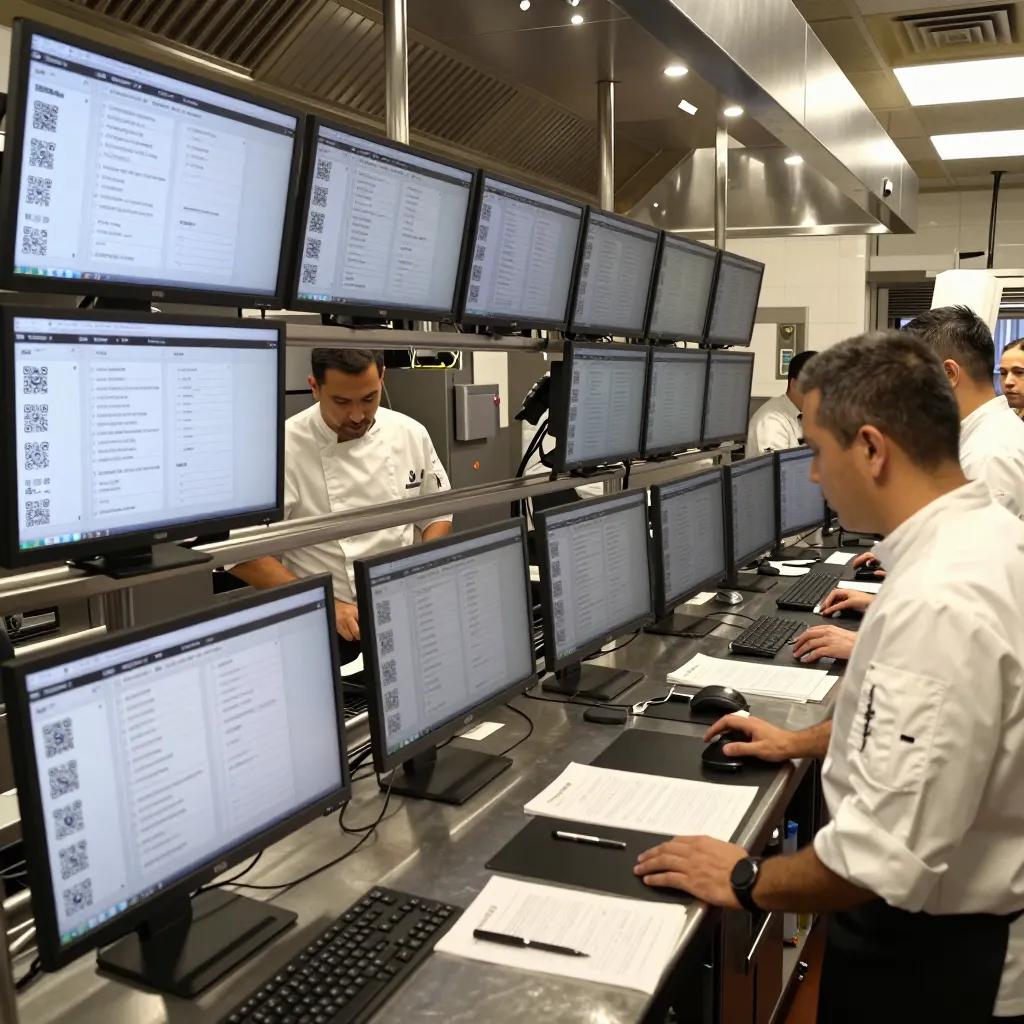
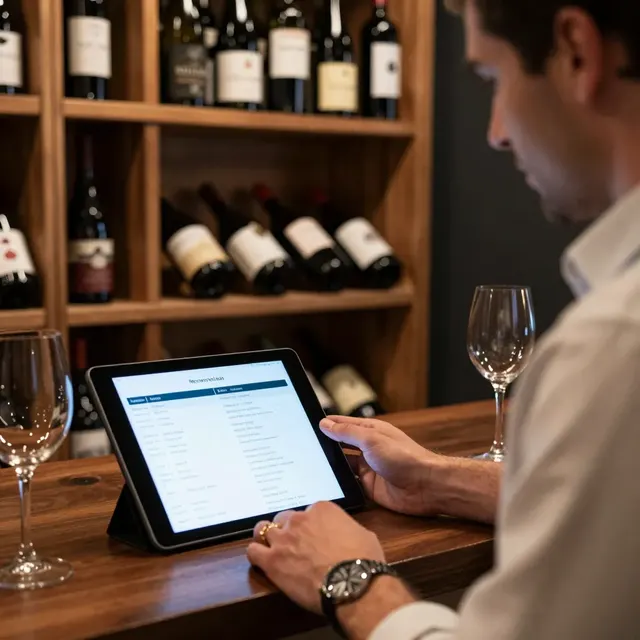
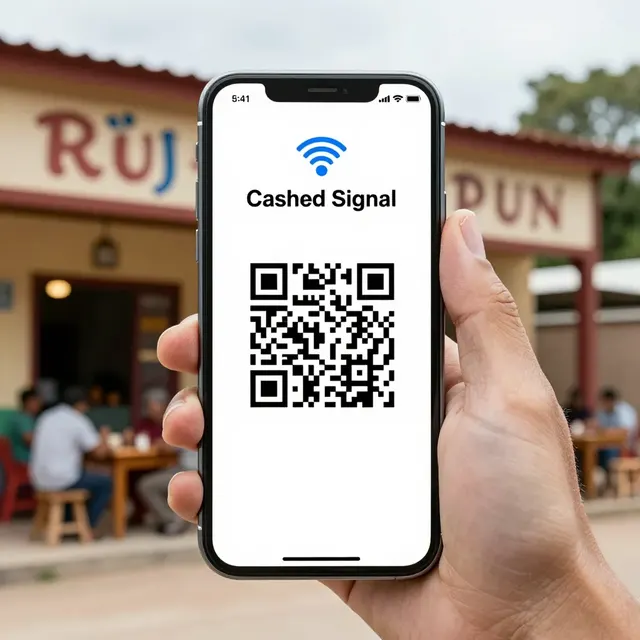
When a restaurant hits its peak hours, the pressure on the kitchen and front-of-house staff intensifies. Traditionally, this chaos often leads to longer wait times, order inaccuracies, and frustrated customers. However, integrating a robust digital QR menu system can transform this bottleneck into a streamlined operation. Unlike static paper menus that require constant reprinting or manual updates, digital platforms like upQR allow for real-time inventory management. This means if a popular item is sold out, it can be marked unavailable instantly across all tables without interrupting service flow.
The impact of digitalization on operational speed is measurable. Studies in the foodservice industry suggest that digital ordering can reduce ticket times by up to 20% during lunch rushes. This efficiency comes from eliminating the back-and-forth of taking verbal orders and manually writing them down. Customers can browse, customize, and confirm their orders directly on their devices, freeing up servers to focus on hospitality rather than order entry. For high-volume establishments, this shift is not just a convenience; it is a necessity for maintaining service standards when the crowd surges.
Furthermore, digital menus provide valuable data insights that help owners prepare for high-volume periods. By analyzing which items are ordered most frequently during peak times, management can optimize kitchen staffing and prep levels. If data shows a specific dish causes delays during the 6:00 PM rush, the menu can be adjusted or prepped differently in advance. This proactive approach, enabled by digital tools, ensures that the kitchen is never overwhelmed by an unexpected spike in demand for a single item.
Optimizing Menu Design for Speed and Clarity
The design of your digital menu plays a pivotal role in how quickly orders are placed during a busy shift. A cluttered or confusing menu layout can slow down customers, causing them to linger at the table or order incorrectly. When designing a high-volume digital menu, prioritize clarity and speed. Use clear, bold headings to categorize items logically. Grouping dishes by course or type helps customers make decisions faster, which is crucial when tables need to turn over quickly.
Another critical aspect of high-volume menu design is the management of images and descriptions. While high-quality photos are attractive, too many images can slow down loading times on mobile devices, which is detrimental during a rush. Ensure that all images are optimized for web performance so the menu loads instantly on any smartphone. Additionally, keep descriptions concise and accurate. Customers in a hurry do not have time to read lengthy paragraphs about ingredients; they want to know exactly what they are getting. Highlighting key allergens and dietary information clearly also builds trust and reduces the risk of customers ordering something they cannot eat, which can lead to waste and complaints during peak times.
Consider implementing a "chef's special" or "recommended" section that changes based on inventory levels. This guides customers toward items that are easy to prepare and currently in stock, helping to balance the kitchen load. For example, if the grill is backed up, you can highlight cold salads or appetizers that require less cooking time. This dynamic capability is a unique advantage of platforms like upQR, allowing you to pivot your menu strategy in real-time based on operational needs without printing a new physical menu.
Training Staff to Leverage Digital Tools Effectively
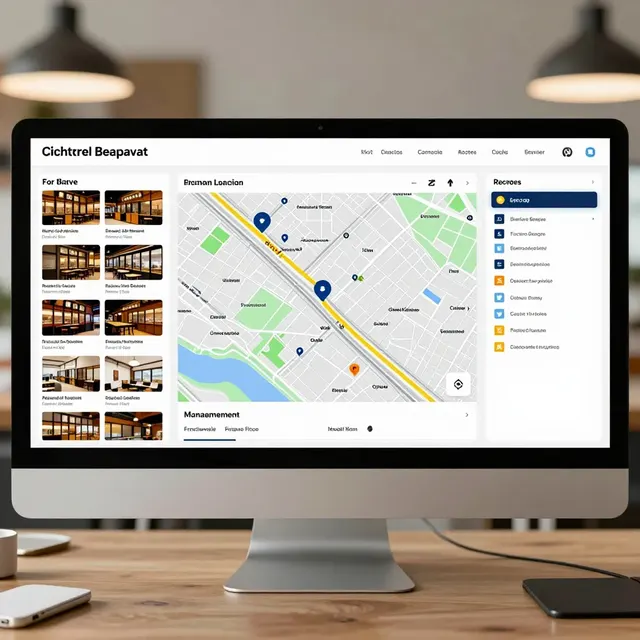
Even the best digital menu system will fail if the staff is not trained to use it effectively during high-pressure situations. Training should go beyond simply showing employees how to scan a QR code; it must focus on how to assist customers with the technology without slowing down the table. Servers should be encouraged to proactively offer to help guests with connectivity issues or navigation, ensuring a smooth experience that encourages higher order values.
Efficiency training is vital. Teach staff to recognize common ordering patterns and anticipate customer needs. For instance, if a customer frequently orders a specific modification, the staff can suggest saving that as a favorite or guiding them to the customization options quickly. In a high-volume environment, every second counts. Staff should be empowered to make decisions on the spot, such as suggesting a faster alternative if a requested item is running low, based on real-time inventory data visible on the server's device.
Regular drills during slow periods can simulate peak hour scenarios. Practice how to handle multiple QR codes being scanned simultaneously or how to troubleshoot a customer's device quickly. A well-trained team acts as a buffer, smoothing out the friction between the customer's digital interaction and the physical service experience. This human element ensures that the technology enhances, rather than replaces, the personal touch that defines great hospitality.
Managing Kitchen Operations with Real-Time Data
The backend of your digital menu system is just as important as the frontend experience for customers. In a high-volume setting, the kitchen is the engine room, and real-time data is the fuel. Modern QR systems integrate directly with kitchen display systems (KDS) or order management software, sending orders instantly to the appropriate station. This eliminates the lag time associated with paper tickets, ensuring that the chef knows exactly what needs to be made and when.
Real-time inventory tracking is a game-changer for high-volume operations. As orders come in, the system can automatically deduct ingredients from stock. If a critical ingredient runs low, the system can alert the manager to pause orders for specific dishes before they are even placed. This prevents the kitchen from starting a dish that cannot be completed, reducing waste and ensuring food safety. For example, if a specific type of cheese is sold out, the system can automatically flag the pasta dishes that require it, allowing the manager to inform the kitchen to focus on other items.
Analytics dashboards provide a comprehensive view of the operation's performance during rushes. Managers can monitor order volumes per station, average ticket times, and peak traffic patterns. This data allows for dynamic staffing adjustments. If the data shows that the salad station is consistently overwhelmed during the lunch rush, management can schedule an extra staff member specifically for that period. This data-driven approach to staffing ensures that resources are allocated where they are needed most, maintaining high service levels even under pressure.
Ensuring Customer Satisfaction During Rush Hours
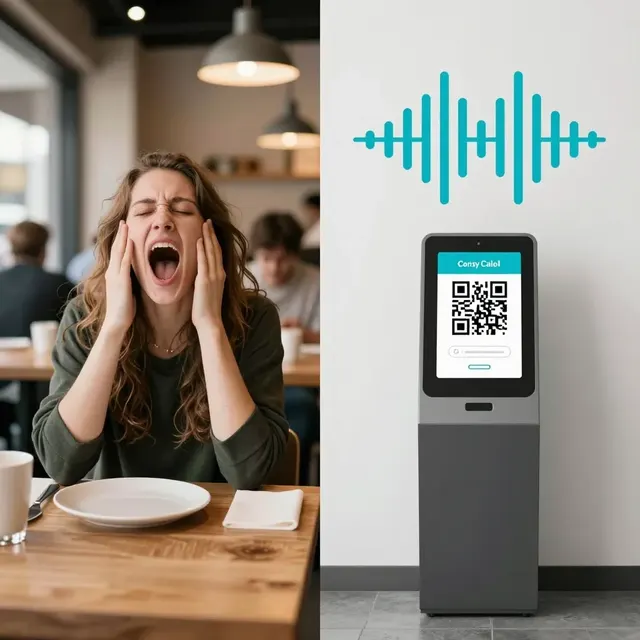
High volume does not mean low quality. In fact, maintaining high standards during a rush is what builds a loyal customer base. Digital menus play a significant role in ensuring satisfaction by providing transparency. Customers can see exactly what they are ordering, including detailed ingredient lists and allergen information. This honesty builds trust, which is essential for repeat business. When customers feel confident in what they are eating, they are less likely to experience anxiety or dissatisfaction, even if the restaurant is crowded.
Transparency also extends to pricing and fees. Digital platforms allow for clear display of all costs, eliminating the confusion that often arises from hidden markups on physical menus. This straightforward approach resonates well with modern diners who value honesty and value for money. During a busy night, customers appreciate a system that is efficient and fair, rather than one that feels chaotic or deceptive.
To further enhance the experience, consider adding interactive features to your digital menu, such as a rating system for dishes or a feedback form for specific items. This not only engages customers but also provides immediate insights into what is working and what needs improvement. If a customer complains about a dish being too salty, that feedback can be addressed immediately by the kitchen team, potentially resolving the issue before the next customer orders it. This level of responsiveness, facilitated by digital tools, demonstrates a commitment to quality that stands out in a competitive market.
Leveraging Sustainability as a Competitive Advantage
In the modern restaurant landscape, sustainability is not just an ethical choice; it is a marketing advantage that appeals to a growing segment of diners. High-volume restaurants often face criticism for excessive paper waste, from printed menus to disposable receipts. Switching to a digital QR menu system like upQR directly addresses this concern by eliminating the need for paper menus entirely. This reduction in waste is a tangible benefit that can be highlighted in your marketing materials to attract environmentally conscious customers.
Furthermore, the energy efficiency of digital menus is superior to paper options. Paper menus require frequent reprinting due to price changes or seasonal updates, leading to significant waste. Digital menus are updated instantly, ensuring that customers always see the most current information without generating physical waste. This commitment to sustainability aligns with the core values of transparency and honesty, showing customers that you care about the planet as much as their dining experience.
When promoting your eco-friendly approach, emphasize how the digital system helps reduce your restaurant's carbon footprint. Customers are increasingly looking for businesses that share their values. By adopting a digital menu system, you are not only improving operational efficiency during high-volume periods but also contributing to a greener future. This dual benefit of operational excellence and environmental responsibility makes your restaurant a standout choice for diners who prioritize both quality and conscience.
Conclusion
Handling high-volume orders requires a strategic blend of technology, staff training, and operational discipline. Digital QR menu systems provide the foundation for this strategy, offering speed, accuracy, and valuable insights that paper menus cannot match. By optimizing menu design, training your team to leverage digital tools, and utilizing real-time data to manage kitchen operations, you can ensure a smooth and efficient dining experience even during the busiest times. Platforms like upQR embody these principles of transparency, sustainability, and universal access, helping restaurants not only survive but thrive in a competitive market. Embrace the digital transformation to elevate your service, reduce waste, and delight your customers, one order at a time.
Related Posts

Ready to create your digital menu?
Create your QR menu in minutes and reach your customers in any language.