
Scaling QR Menus for Multi-Location Chains
Learn how to launch a unified QR menu system across multiple locations, ensuring brand consistency and operational efficiency for growing restaurant chains.
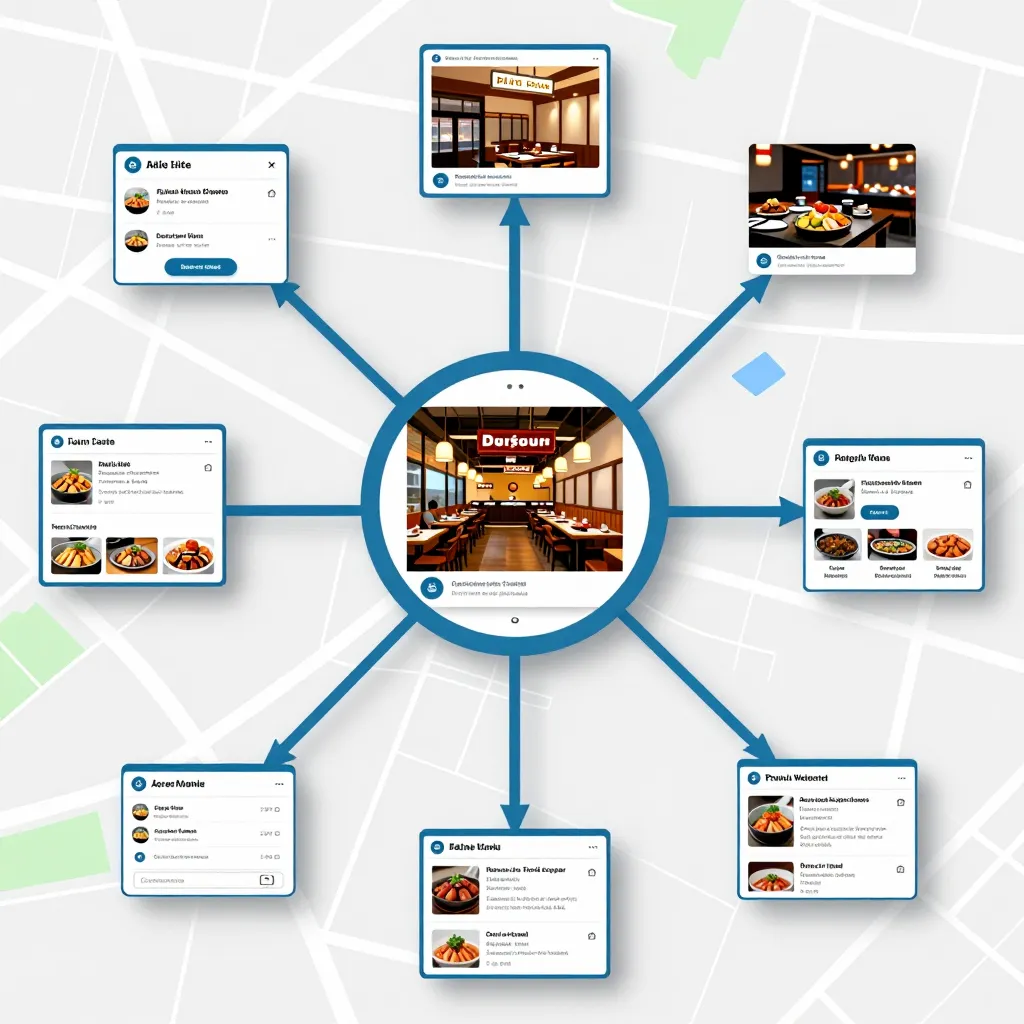
Why Multi-Location Chains Need a Centralized QR Menu Strategy
Expanding from a single location to a chain of five, ten, or fifty restaurants presents unique challenges that single-location owners never face. The primary goal for a growing chain is consistency. Every guest, whether they are walking into a flagship store in New York or a pop-up in Chicago, should have access to the same brand experience, the same nutritional information, and the same ease of ordering. A decentralized approach, where each manager sets up their own menu, leads to brand dilution and operational chaos.
According to the National Restaurant Association, digital ordering and contactless payment adoption has surged, with a significant portion of diners expecting seamless digital experiences. For a chain, failing to provide this can result in lost revenue and negative reviews. A centralized QR menu strategy ensures that when you update a price or add a seasonal item, the change is reflected instantly across all locations. This real-time synchronization is the backbone of a modern, scalable restaurant business.
Furthermore, consistency in the digital menu builds trust. If a customer sees a vegan option listed on your website and then cannot find it on the QR menu at your second location, it damages credibility. A unified digital presence allows your marketing team to run targeted campaigns that land directly on a consistent landing page, regardless of the physical location. This is not just about technology; it is about maintaining the integrity of your brand promise at scale.
Ensuring Brand Consistency Across Diverse Locations
One of the biggest fears for restaurant chains is the "franchise fatigue" where individual managers deviate from the standard operating procedures. In the digital realm, this manifests as inconsistent menu images, outdated pricing, or missing allergen warnings. To combat this, your QR menu platform must offer a central dashboard where you, as the headquarters, have full control over the master menu.
Imagine a scenario where a new spicy dish is launched. In a decentralized system, you might call every manager to ask if they have uploaded the new photo and updated the price. With a centralized system, you simply upload the assets and the changes propagate automatically. This ensures that the visual identity-fonts, colors, and imagery-remains perfectly aligned with your brand guidelines.
Consistency also extends to the user experience (UX). The loading speed of the QR menu should be identical whether a guest is using a 5G connection in a city center or a slower connection in a suburban area. Your system should optimize images automatically to ensure the menu loads in under three seconds everywhere. Slow loading times are a leading cause of cart abandonment, and they hurt your local SEO rankings. By standardizing the technical performance of your digital menus, you protect your conversion rates and ensure every location performs as well as your flagship store.
Consider the case of a bakery chain that recently expanded. They faced a crisis when a manager in a rural location failed to update the menu after a bread shortage, leading to customer complaints. By switching to a platform with a central control panel, they were able to instantly pull the item from all digital menus, preventing similar issues and saving thousands in potential refunds and reputational damage. This level of oversight is crucial for enterprise-level operations where you cannot physically visit every store to check a screen.
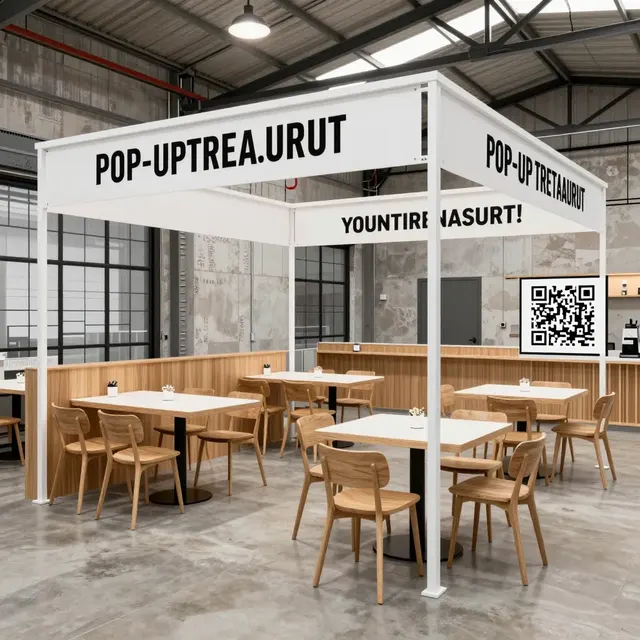
Managing Complex Inventory and Pricing Updates at Scale
Managing inventory across multiple locations is a logistical nightmare for any restaurant chain. You likely have different suppliers for different regions, leading to varied availability. A robust QR menu solution must handle this complexity without requiring manual intervention at every site. The ability to create "location-specific" overrides within a central system is a game-changer.
For example, your master menu might list a specific cut of steak. However, your system should allow you to toggle this item off for Location A due to a supply chain issue while keeping it active for Location B. This granular control is essential for accuracy. If a customer orders an item that is not in the kitchen, it leads to kitchen delays and angry customers. By syncing inventory status in real-time, you ensure that what is advertised is what is served.
Pricing updates follow a similar logic. Inflation and supply costs fluctuate rapidly. If you have to manually update the price on a tablet or phone at each of your 20 locations, you risk human error. A centralized system allows you to set a global price for an item and then apply location-specific adjustments if necessary. This streamlines the administrative workload for your regional managers, allowing them to focus on food quality and customer service rather than data entry.
Real-world data suggests that restaurants that automate their menu updates see a 15% increase in order accuracy. When a menu item is marked as unavailable digitally, it prevents the kitchen from preparing it, reducing food waste and operational friction. For a multi-location chain, this efficiency translates directly to the bottom line. The technology should act as a safety net, catching errors before they reach the customer.
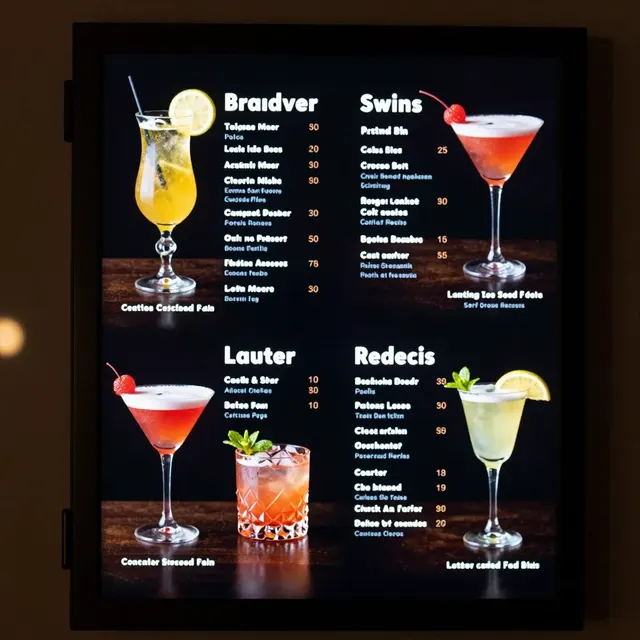
Streamlining Staff Training and Digital Adoption
Technology is only as good as the people using it. A common pitfall for restaurant chains is inconsistent staff training. If one location's staff is proficient with the QR code system and another struggles, it creates an uneven experience. A strong QR menu platform should be intuitive enough that new employees can learn the basics in minutes, but robust enough to support complex back-end management.
When launching a new digital menu system across a chain, you do not need to hire a technical team for every store. Instead, you can provide a centralized resource hub. This could include video tutorials on how to generate a QR code, how to handle customer questions about digital menus, and how to troubleshoot common issues like a camera not opening. Standardizing this training ensures that every employee, from the host to the server, speaks the same "digital language" with guests.
Consider the onboarding of a new franchisee. They often have their own IT support and staff. By offering a white-label solution, your chain ensures that the franchisee can customize their menu slightly to fit their local vibe without breaking the core brand structure. This balance between autonomy and control is vital for scaling. The platform should also provide analytics that help you train staff. For instance, if data shows that Location C has a higher drop-off rate on the menu, your training module can highlight that specific area to improve their digital adoption.
Furthermore, the system should allow for easy updates to staff-facing dashboards. If you need to promote a specific dish to boost margins, you can push a notification to all staff tablets simultaneously. This ensures that the sales team is always promoting the most current and profitable items, driving revenue growth across the entire organization.
Integrating Analytics to Optimize Operations Everywhere
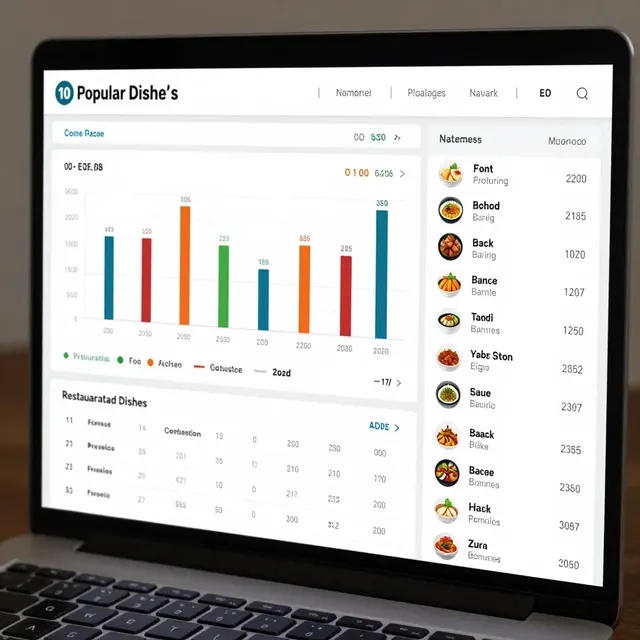
One of the most significant advantages of a digital QR menu is the data it provides. For a single location, analytics tell you what sells well. For a multi-location chain, analytics tell you how to optimize the entire business. A centralized dashboard should aggregate data from all locations, giving you a bird's-eye view of performance. You can compare the best-selling items in the North region versus the South, identify seasonal trends, and spot underperforming dishes that need to be tweaked or removed.
Imagine you notice that a signature cocktail is selling well in your downtown locations but poorly in your suburban ones. The analytics might reveal that the digital description or photo is different in those regions due to a sync error, or perhaps the price is perceived as too high for that demographic. Armed with this data, you can make informed decisions that improve sales across the board. This level of insight is impossible to gather manually.
Additionally, tracking user behavior on the QR menu helps you understand how guests interact with your brand. Are they spending more time on the allergen information? Are they frequently clicking on the "specials" tab? These insights can guide your marketing strategy. If data shows that mobile users prefer a simplified menu, you can adjust the layout to reduce friction. For a chain, these optimizations compound, leading to higher conversion rates and increased average order value (AOV) at every single site.
Security and data privacy are also critical components of these analytics. Your platform must comply with GDPR, CCPA, and other relevant data protection regulations. When aggregating data from multiple locations, you must ensure that customer information is handled securely and that you have the consent to collect it. A reputable enterprise solution will have built-in compliance features, allowing you to operate with peace of mind and avoid costly legal pitfalls.
Leveraging Marketing and Localization for Growth
As a chain expands, your marketing budget grows, but so does the need for precision. A unified QR menu platform allows you to run hyper-local marketing campaigns. You can send push notifications or display dynamic banners on the QR landing page that are specific to a certain location. For example, during a local sports event, Location A could display a "Game Day Special" while Location B promotes a "Summer Refresh" deal.
This capability turns your digital menu into a powerful sales channel. You can integrate loyalty programs directly into the QR flow. A guest scans the code, sees their points balance, and instantly redeems a reward. This frictionless experience encourages repeat visits and fosters brand loyalty. For a chain, this means you can build a unified loyalty ecosystem that works seamlessly whether the guest is at your first or fiftieth location.
Localization goes beyond just language. It involves adapting the menu to local tastes and dietary restrictions. While the core brand remains consistent, the system should allow for regional variations. You can highlight local ingredients or adjust spice levels based on regional preferences without compromising the overall brand identity. This flexibility, combined with the power of a centralized management system, allows a restaurant chain to feel like a local favorite in every town it enters, driving community engagement and long-term success.
Related Posts
Ready to create your digital menu?
Create your QR menu in minutes and reach your customers in any language.