
Maximize Happy Hour with Digital QR Menus
Learn how to boost sales and reduce waste during happy hour using upQR digital menus. Practical tips for restaurant owners to create engaging, sustainable specials.
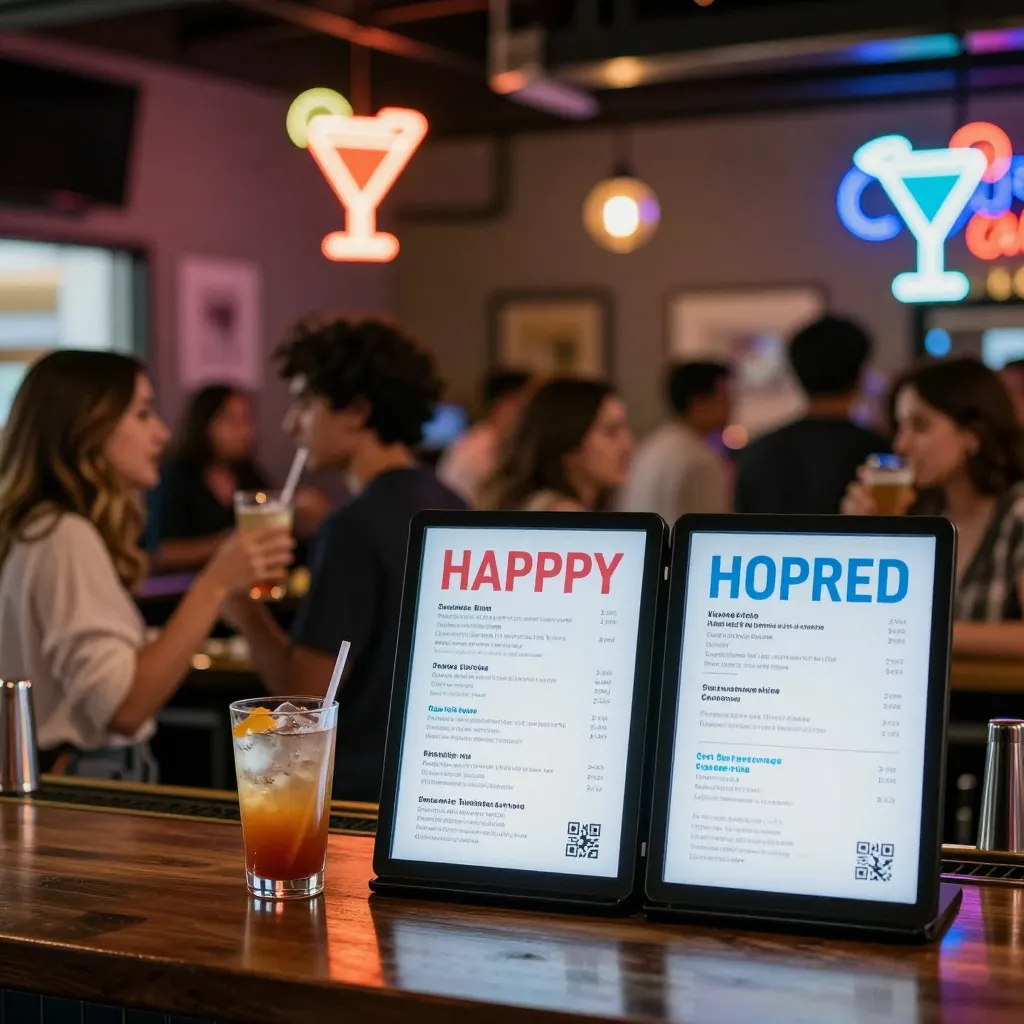
Transforming Happy Hour with Digital Flexibility
Happy hour is a unique sales period for restaurants and cafes, offering a chance to move inventory and attract price-sensitive customers. However, traditional printed menus for happy hour often suffer from inefficiencies. Printing separate menus for different times of day creates unnecessary waste and logistical headaches. By switching to a digital QR code menu, you gain the flexibility to update specials instantly. If a specific appetizer sells out by 4 PM, you can remove it from the happy hour section immediately without discarding printed sheets. This agility not only improves operations but also aligns with a commitment to sustainability, reducing the carbon footprint associated with paper production and disposal.
Furthermore, digital menus allow for dynamic pricing strategies. You can highlight high-margin items or feature seasonal ingredients that need to be used quickly. For instance, a cafe might feature locally sourced berries in the morning and switch to hearty stews in the evening. With a printed menu, this transition requires reprinting entire documents. A digital solution ensures that every customer sees the most current offerings, preventing disappointment and maintaining the integrity of your brand promise regarding honest information.
Optimizing Menu Design for Speed and Clarity
During happy hour, customers often make decisions quickly. They are looking for value and speed, not navigating a cluttered, confusing layout. When designing your digital happy hour menu, prioritize clarity and visual hierarchy. Use bold headings to distinguish between categories like "Small Plates," "Craft Beverages," and "Happy Hour Exclusives." Ensure that prices are clearly visible next to every item to avoid any perception of hidden fees, which is a core principle of transparent dining.
Consider the mobile-first experience. Most happy hour patrons will scan a QR code from their phone while standing or walking. Avoid using tiny fonts or low-resolution images that take a long time to load. Instead, use high-quality photos that accurately represent the food, ensuring there are no misleading depictions. This honesty builds trust; if a customer sees a vibrant photo of a salad and receives a wilted one, the experience is ruined. With upQR, you can ensure that every image is optimized for mobile devices, loading in seconds even on slower connections. This speed respects the customer's time and keeps the line moving efficiently.
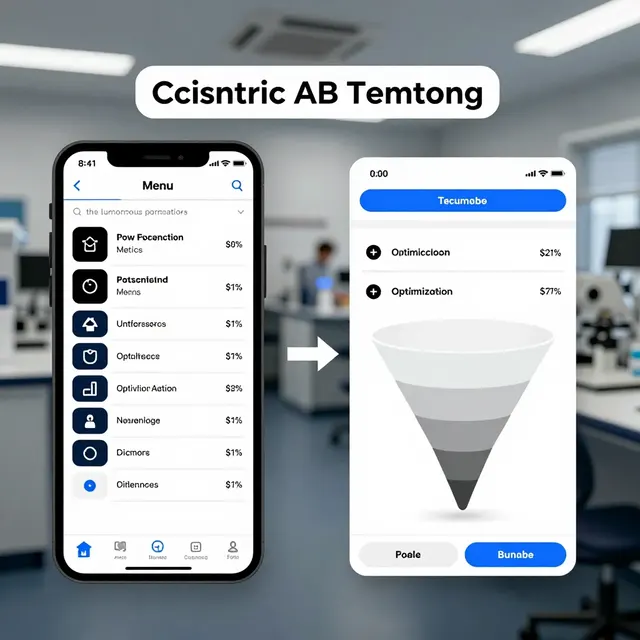
Leveraging Data to Drive Inventory Management
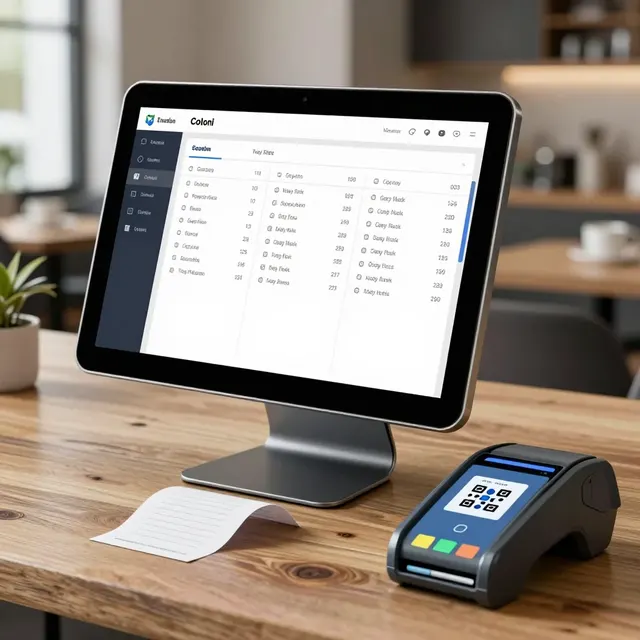
One of the most powerful advantages of a digital QR menu is access to real-time data. Traditional printed menus offer zero insight into customer behavior, making it difficult to adjust inventory or marketing strategies. With a digital platform, you can track exactly which items are clicked, viewed, and ordered during happy hour. This data reveals patterns that might otherwise go unnoticed. Perhaps the "Bruschetta Special" gets clicked often but rarely ordered, indicating a price or description issue. Conversely, a new "Truffle Fries" item might be flying off the digital menu, signaling a hit product worth featuring more prominently.
Use this data to refine your happy hour strategy. If certain categories are underperforming, you can run A/B tests on descriptions or prices. For example, you might test a lower price point on a slow-moving item to see if it boosts volume. You can also analyze peak scanning times to understand when your customers arrive. If data shows a spike in scans at 5:30 PM, you can prepare the kitchen staff and ensure the most popular items are ready before that rush hits. This level of precision is impossible with paper menus and leads to better inventory turnover, less food waste, and higher profit margins.
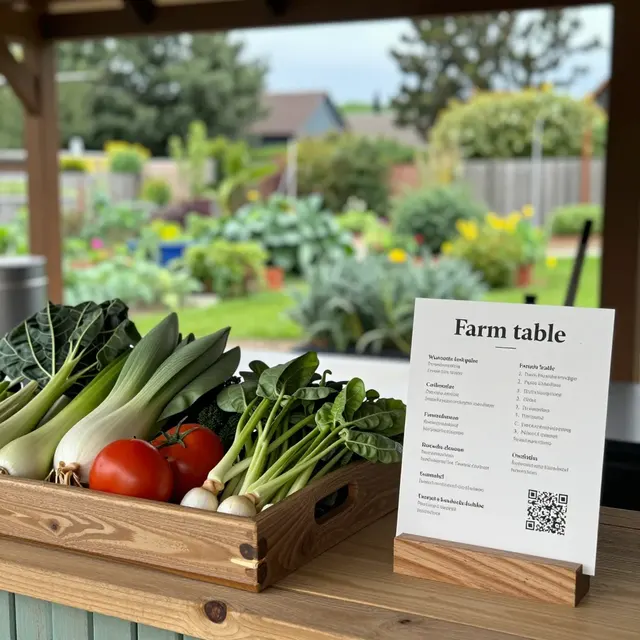
Inclusivity and Accessibility as a Core Value
Happy hour attracts a diverse crowd, including individuals with dietary restrictions or language barriers. A printed menu is static and cannot accommodate these needs without physical modifications. A digital menu, however, can include detailed allergen information, ingredient lists, and dietary tags (e.g., "Vegan," "Gluten-Free," "Nut-Free") for every single item. This transparency empowers customers to make safe and informed choices, fostering an inclusive environment where everyone feels welcome.
Furthermore, digital menus can support universal access by offering multilingual options. A restaurant in a tourist-heavy area or a city with a diverse workforce can provide menus in multiple languages, ensuring that non-native speakers understand exactly what they are ordering. This eliminates the risk of ordering the wrong thing due to a language barrier, enhancing the overall dining experience. By prioritizing accessibility, you demonstrate a genuine commitment to serving your entire community, not just the majority. This approach also reduces the risk of foodborne illness incidents caused by miscommunication regarding allergens, protecting both the customer and the establishment's reputation.
Strategic Upselling Through Personalization
Happy hour is often seen as a time for simple, cheap drinks and snacks, but it is also an opportunity for strategic upselling. Digital menus allow you to curate a "Chef's Pick" section or highlight pairings that increase the average ticket size. You can suggest a premium cocktail to go with a specific appetizer or recommend a side dish that complements a main course. Unlike static text on a paper menu, digital menus can use icons or badges to draw attention to these recommendations.
Imagine a scenario where a customer orders a craft beer. The digital menu can automatically display a "Perfect Pairing" suggestion for a cheese board or a specific cut of meat. This nudge encourages the customer to add an extra item to their order, increasing revenue without feeling pushy. Additionally, you can create limited-time offers that appear only on the digital menu, creating a sense of urgency. For example, "Order the Spicy Tuna Tartare within the next 10 minutes for a free dessert." This gamification element can drive immediate action and clear inventory before the happy hour period ends. It turns the menu into an interactive tool that guides customer behavior towards higher-value choices.
Conclusion: The Future of Happy Hour is Digital
Creating an effective happy hour menu requires more than just listing discounted items; it demands a strategy that balances speed, sustainability, and customer trust. By adopting a digital QR menu, restaurant owners can overcome the limitations of paper, gain valuable insights into customer preferences, and provide a seamless experience for every guest. The ability to update content instantly, offer detailed allergen information, and present high-quality images ensures that your happy hour promotion is both profitable and responsible.
With upQR, you can implement these strategies effortlessly. Our platform is designed to help you build menus that are honest, accessible, and environmentally friendly. Whether you are a busy cafe needing to move fresh produce quickly or a restaurant looking to upsell premium cocktails, upQR provides the tools to succeed. Embrace the digital shift today to transform your happy hour into your most profitable and sustainable event of the week.
Related Posts
Ready to create your digital menu?
Create your QR menu in minutes and reach your customers in any language.